




Life on the road brings unexpected challenges, and having the right tools within reach can make all the difference. RV travelers must balance accessibility with the reality of limited storage space—a unique challenge that requires thoughtful organization.
Picture this: a remote campsite, a mechanical issue, and the frustration of digging through a jumbled toolbox searching for the right wrench. A well-organized RV tool storage system eliminates this scenario, transforming potential roadside disasters into manageable fixes that get travelers back on the road quickly.
Organizing an RV toolbox goes beyond simple tidiness. It’s about ensuring the right tools are available exactly when needed, reducing stress, and maximizing the freedom that RV life promises. This guide offers practical strategies for creating and maintaining an organized tool collection that will serve RV owners for years to come.
“The real test of RV readiness isn’t how many tools you own—it’s whether you can put your hands on the right one in under 30 seconds when something goes wrong at sunset, miles from the nearest town. Organization isn’t about perfection, it’s about removing friction between you and the solution.”
Caylee Shea Harrington, CEO of Hookhub
Save Time and Reduce Stress with Smart Tool Organization
A properly organized toolbox delivers immediate benefits for RV enthusiasts. Time spent searching for misplaced tools translates directly into delayed repairs and increased frustration—especially critical during roadside emergencies where every minute counts.
Maximizing Every Inch of Limited RV Storage
RV storage demands creative solutions. Stackable bins utilize vertical space that would otherwise go unused, while drawer organizers create customizable compartments for different tool sizes. Magnetic strips mount to walls or cabinet doors, keeping metal tools visible and accessible without consuming valuable floor or shelf space.
Pegboards offer similar advantages, allowing tools to hang within easy reach while freeing up storage below.
| Storage Solution | Benefits |
| Stackable Bins | Maximizes vertical space, keeps tools organized |
| Drawer Organizers | Customizable, easy access to tools |
| Magnetic Strips | Hangs tools, saves floor space |
For even more clever and space-saving ideas, explore these tool storage and organization tips from Family Handyman.
Getting Back on the Road Faster During Emergencies
Emergencies demand immediate tool access. An organized system ensures critical items are located and deployed within seconds rather than minutes.
Smart organization strategies that reduce downtime include:
- Organize by frequency of use – Keep the most important tools at the front of storage areas where they can be grabbed quickly
- Group tools logically – Store all wrenches together, keep electrical supplies in one container, and dedicate specific bins to plumbing repairs
- Label everything clearly – Eliminate guesswork by marking each storage container with its contents
- Position essentials strategically – Place frequently used tools in the most accessible locations to streamline both routine maintenance and emergency repairs
This systematic approach transforms a chaotic toolbox into a reliable resource that reduces downtime and keeps RV adventures on track.
Stock Your Toolbox with Everything Needed for Self-Sufficient Travel
Must-Have Hand Tools: Screwdrivers, Wrenches, and Pliers
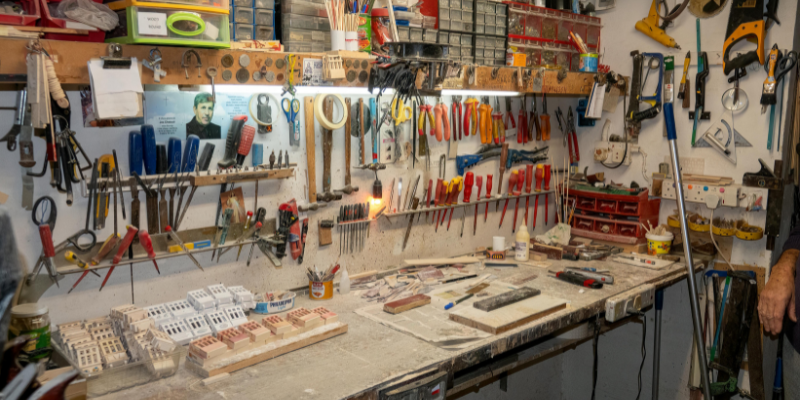
Every RV toolbox begins with essential hand tools. A comprehensive set of screwdrivers—both flathead and Phillips in multiple sizes—handles everything from appliance repairs to furniture adjustments.
Adjustable wrenches provide versatility, while a selection of fixed wrenches ensures proper torque for specific fastener sizes. Pliers in various styles (needle-nose, slip-joint, and locking) tackle gripping, cutting, and holding tasks that arise during typical RV maintenance.
Alongside these essentials, consider upgrading your setup with some RV accessories designed to make repairs and daily living more efficient.
RV-Specific Tools for Common Maintenance Tasks
Beyond general hand tools, RV ownership requires specialized equipment. A hose repair kit addresses water system issues before they escalate, while quality sealant prevents leaks in roofs, windows, and storage compartments.
Wheel chocks are essential safety equipment, preventing accidental rolling during leveling and maintenance. A voltmeter helps diagnose electrical problems, and a water pressure regulator protects plumbing systems at unfamiliar campgrounds.
See how to properly operate and troubleshoot an electric tongue jack in this video guide
Emergency Repair Supplies and Replacement Parts
Preparedness means stocking supplies for unexpected breakdowns. Spare fuses in various amperages keep electrical systems running, while duct tape and electrical tape provide temporary fixes until permanent repairs can be completed. Hose clamps, zip ties, and bungee cords offer versatile solutions for securing loose components.
A backup battery or battery jumper ensures power system failures don’t strand travelers, and a basic assortment of screws, nuts, and bolts addresses common hardware needs without requiring trips to hardware stores in unfamiliar locations. Even with a well-stocked toolbox, it’s smart to plan—this RV repair budget guide can help you prepare financially for maintenance and emergency fixes.
If your jack fails, follow this step-by-step guide on how to rewire an electric trailer tongue jack.
Choose Storage Solutions That Protect Tools and Maximize Space

Selecting the right storage system determines whether an RV toolbox remains organized over time or gradually descends into chaos. The best solutions balance durability, accessibility, and space efficiency.
For more clever tool organization ideas that save space, check out these tool storage tips from Family Handyman
Selecting the Right Toolbox
The foundation of organized tool storage starts with choosing an appropriate container. Heavy-duty steel or high-impact plastic toolboxes withstand the constant vibration and movement of RV travel.
Size matters—the toolbox should accommodate the complete tool collection without forcing items to be stacked haphazardly, yet remain compact enough to fit in designated storage areas. Toolboxes with built-in dividers and compartments provide structure that helps maintain organization even during transit.
Utilizing Drawer Organizers, Bins, and Dividers
Internal organization systems keep tools separated and accessible. Drawer organizers with adjustable dividers adapt to different tool sizes and shapes, preventing items from sliding around during travel.
Clear plastic bins allow visual identification of contents without opening lids, while solid bins protect sensitive tools from dust and moisture. Dividers create dedicated sections for categories like electrical supplies, fasteners, and measuring tools, ensuring everything has a designated home.
Space-Saving Options
RV storage areas demand creative solutions. Magnetic strips mounted inside cabinet doors or on walls hold metal tools securely while keeping them visible and accessible. Pegboards installed in garage or basement areas turn vertical surfaces into organized tool displays.
Wall-mounted brackets secure larger items like saws or levels, utilizing space that would otherwise remain empty. These solutions multiply available storage capacity without requiring additional floor space.
Foam Inserts and Custom Tool Layouts
For maximum protection and organization, foam inserts create custom-fitted compartments for each tool. These inserts cushion tools against vibration, prevent movement during travel, and provide immediate visual confirmation when something is missing.
The upfront investment in custom foam pays dividends in tool longevity and organizational efficiency, making it easy to maintain the system over years of use.
Arrange Tools for Maximum Efficiency and Quick Access
How tools are arranged within storage systems determines whether the organization system succeeds long-term. Strategic placement based on usage patterns and logical grouping creates intuitive access that saves time during both routine maintenance and emergencies.
Grouping Similar Items and Creating Functional Zones
Organizing tools by type and function creates mental shortcuts that speed up retrieval.
Strategic grouping approaches include:
- Grouping by tool type – Dedicate one area to screwdrivers, another to wrenches, and a third to pliers so the brain automatically knows where to reach for specific tools
- Creating functional zones – Group everything needed for common repair types (electrical work, plumbing repairs, exterior maintenance) in single locations
- Eliminating scattered searching – Keep related items together to reduce time spent hunting across multiple storage areas and minimize the chance of forgetting essential items
Frequency-Based Organization: Keep Essential Tools Easily Accessible
Not all tools deserve equal access. A frequency-based system ensures the most-used items are always within quick reach:
- Prioritizing prime real estate – Place items used weekly at the front of drawers or top of storage bins
- Storing specialty tools deeper – Keep tools used once or twice per season in less convenient locations
- Creating intuitive access patterns – Position frequently needed items like adjustable wrenches and basic screwdriver sets in easily accessed compartments, while specialized tools sit further back
Comprehensive Labeling Systems for Quick Identification
Labels eliminate guesswork and help maintain organization over time.
Effective labeling strategies include:
- Clear text labels – Mark bins, drawers, and compartments to ensure tools return to their proper locations after use
- Color-coding systems – Use red labels for emergency supplies, blue for plumbing, green for electrical work for instant visual identification
- Photo references – Take pictures of tool arrangements and tape them inside storage areas to provide a clear maintenance guide
- Universal accessibility – Transform organization from a personal system into one that works for anyone accessing the toolbox, particularly helpful when traveling with partners or family members who might need to locate tools quickly
Keep Your Toolbox Organized Through Years of Travel
Creating an organized toolbox represents just the beginning. Maintaining that organization through constant use and changing needs requires ongoing attention and systematic approaches.
Regular Inventory Checks and Tool Replacement Schedule
Tools wear out, rust forms, and items occasionally go missing. Conducting inventory checks twice yearly—at the start and end of peak travel season—catches these issues before they become problems. Inspect each tool for damage, rust, or reduced functionality, and replace worn items promptly rather than waiting for them to fail during critical repairs.
Preventing Tool Damage: Cleaning, Rust Prevention, and Proper Storage
Tool longevity depends on proper care. Clean tools after each use to remove dirt and moisture that accelerates corrosion. Apply a light coating of oil or rust-inhibiting spray to metal tools, especially in humid climates. For long-term protection, follow practical tips to keep moisture out of your RV in winter and safeguard both your tools and your rig from dampness.
Adapting Your Tool Collection as Your RV Needs Change
RV ownership evolves, and so should tool collections. Adding solar panels requires electrical testing equipment, while upgrading to a larger RV might mean different-sized wrenches or additional wheel chocks.
Review the tool collection whenever making RV modifications, and remove tools that haven’t been used in over a year to free up valuable space.
Travel Confidently with a Toolbox That’s Always Ready
A properly organized RV toolbox represents preparedness, self-sufficiency, and the confidence to handle whatever challenges the road presents. The strategies outlined here—from selecting appropriate storage solutions to maintaining organization over time—create a reliable system that serves RV owners through countless adventures.
RV travel promises freedom and adventure. A well-organized toolbox supports that promise by ensuring travelers can address maintenance and repairs independently, without derailing trips or requiring expensive professional assistance.
Ready to Take Your RV Adventures Further?
At Hookhub, we connect RV travelers with unique places to stay and help landowners turn underutilized spaces into welcoming spots for the RV community. Discover your next destination or list your property today—because the best adventures happen when preparation meets opportunity.