


Maintaining an RV requires more than occasional washing—it demands a strategic, season-specific approach to cleaning and maintenance. Proper care protects this significant investment while ensuring every journey remains comfortable and worry-free.
Regular maintenance prevents costly repairs, extends vehicle lifespan, and creates a healthier travel environment. Following a seasonal cleaning schedule keeps recreational vehicles adventure-ready throughout the year.
“Here’s what most RV hosts miss: seasonal maintenance isn’t just about protecting the rig—it’s about protecting your reputation. When you’re running land as a business, every guest interaction is a trust transaction, and a well-maintained RV is what turns a one-time booking into word-of-mouth gold.” – Caylee Shea Harrington, CEO of Hookhub
Save Thousands in Repairs Through Preventive Maintenance
Routine inspections catch minor issues before they become expensive problems, potentially saving thousands in emergency repairs. Regular checks of critical systems like roof seals and slide-out mechanisms identify wear patterns early, allowing for timely fixes that preserve resale value.
If you’re unsure where to begin, start by reviewing common RV repair budgeting tips to estimate costs and plan your maintenance routine efficiently.
Comprehensive maintenance checklists ensure nothing gets overlooked, keeping the vehicle in reliable condition while protecting this substantial financial investment.
Protect Your Family’s Health and Safety on Every Trip
A well-maintained RV ensures the health and safety of everyone on board. Neglected vehicles become breeding grounds for mold, mildew, and harmful bacteria, particularly in bathrooms and kitchens.
Moisture buildup is a common issue in enclosed spaces. Learn how to keep moisture out of your RV in winter to prevent mold and odors during storage.
Regular maintenance also ensures safety systems work properly. Checking brakes, tire pressure, smoke detectors, carbon monoxide alarms, and propane systems helps prevent roadside issues and keeps your travels worry-free.
Clean ventilation systems and proper moisture control prevent respiratory irritants from accumulating, creating a healthier living environment in the RV’s enclosed space.
Add Years to Your RV’s Life with Strategic Care
Strategic maintenance can extend an RV’s lifespan by 5-10 years or more. Regular lubrication, protective waxing, and timely replacement of worn components prevent the rust, corrosion, and mechanical failures that typically shorten vehicle life.
Sealing potential leak points before water intrusion occurs prevents structural damage. Proper winterization, climate-controlled storage when possible, and regular check-ups during dormant periods all protect the investment for years to come.
Spring Cleaning: Preparing Your RV for Travel Season
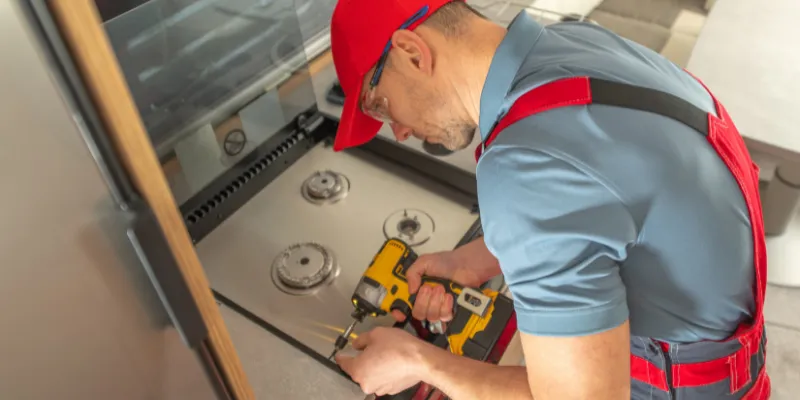
Spring marks the transition from storage to travel season, making thorough preparation essential. After months of dormancy, RVs require a comprehensive inspection and cleaning before hitting the road safely.
Post-Winter Inspection Priorities
Start with a systematic check of major systems:
- Tires and Wheels: Look for flat spots, cracks, or weather damage
- Brakes and Suspension: Test responsiveness and check for wear
- Electrical and Plumbing: Inspect for leaks, corrosion, or rodent damage
- Body and Frame: Identify dents, rust, or structural issues
Interior Deep Cleaning
Remove all contents from cabinets to clean thoroughly behind and beneath items. Use appropriate cleaners while avoiding harsh chemicals on laminate or upholstery.
Focus on appliances that sat unused:
- Clean refrigerator coils and drain pans
- Flush water heater to remove sediment buildup
- Test all faucets and fixtures for proper operation
Exterior Restoration
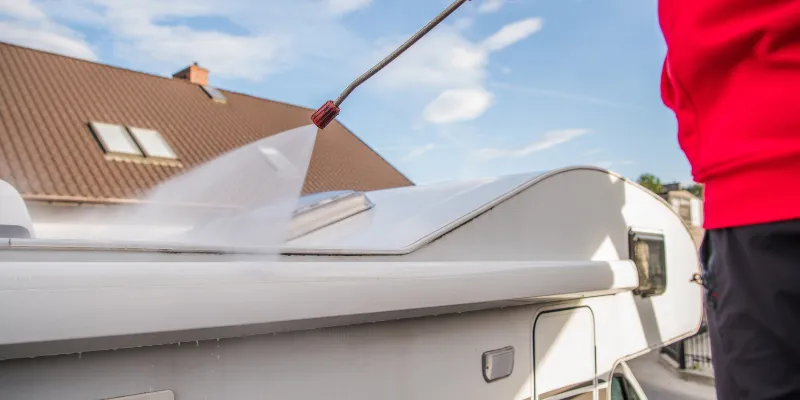
Wash the entire vehicle with pH-neutral soap using soft cloths to avoid scratches, paying special attention to the roof where debris tends to accumulate. After washing, apply a high-quality polymer wax or sealant to protect against UV damage and make future cleaning easier. For detailed tips on maintaining your RV’s exterior and preventing oxidation, check out this guide on RV gelcoat care.
Awning Care
Extend the awning fully and inspect for tears, weak spots, or sagging. Clean with mild soap and water, then allow complete drying before retracting. Apply fabric protector to prevent mildew and UV degradation.
Summer Seasonal RV Cleaning Tips
Summer travel brings specific challenges that require targeted maintenance strategies. High temperatures and elevated humidity create conditions that promote mildew growth, accelerate wear on seals and surfaces, and strain cooling systems.
If you’re camping during hot months, maintaining proper airflow is key. Check out these simple ways to keep your RV cool in summer to make your trips more comfortable and energy-efficient.
Managing Moisture and Preventing Mildew
Heat combined with humidity generates excess moisture inside RVs, particularly during cooking and showering. Run bathroom vent fans during showers and for 30 minutes afterward to expel moisture-laden air. Consider using portable dehumidifiers in problem areas or during extended stays in humid climates.
Clean all surfaces regularly with mildew-resistant cleaners, focusing on bathrooms, kitchens, and any areas prone to condensation. Address mildew immediately upon discovery—early treatment prevents spread and potential health issues.
Optimizing Ventilation Systems
Proper airflow prevents moisture accumulation and maintains comfortable interior temperatures. Inspect all roof vents for proper operation, ensuring they open and close smoothly. Clean vent covers and fans of accumulated dust and debris that reduces airflow efficiency.
Consider running vent fans continuously during hot weather, even when air conditioning operates. This creates positive air circulation that prevents stagnant, moisture-laden air from settling in corners and enclosed spaces.
Protecting Exteriors from Sun Damage
Summer sun accelerates exterior degradation through UV exposure and heat. Regular washing removes dirt and contaminants that, when heated, can damage protective coatings. Apply UV-protective wax or sealant at the season’s beginning and refresh midway through summer for continuous protection.
Quick Maintenance Between Adventures
Shorter trips between spring and fall require quick turnaround cleaning. After each trip, wipe down all surfaces, vacuum floors, and empty trash. Clean the refrigerator and sanitize food preparation areas. Check water systems for leaks and top off fresh water tanks. These quick sessions prevent buildup and keep the RV ready for spontaneous adventures.
Fall Preparation: Getting Your RV Ready for Storage
Fall preparation determines how well an RV survives winter storage. Proper winterization prevents damage from freezing temperatures, moisture accumulation, and pest intrusion.
Comprehensive Interior Winterization
Thorough cleaning and drying of all interior surfaces prevents mold and mildew during storage. Deep clean kitchens and bathrooms where moisture accumulates, and remove all food items—even sealed packages can attract pests.
Empty and clean the refrigerator completely, leaving doors propped open for air circulation. Vacuum and clean all upholstery, curtains, and soft furnishings. Clean or replace HVAC filters to prevent musty odors.
Exterior Protection and Sealing
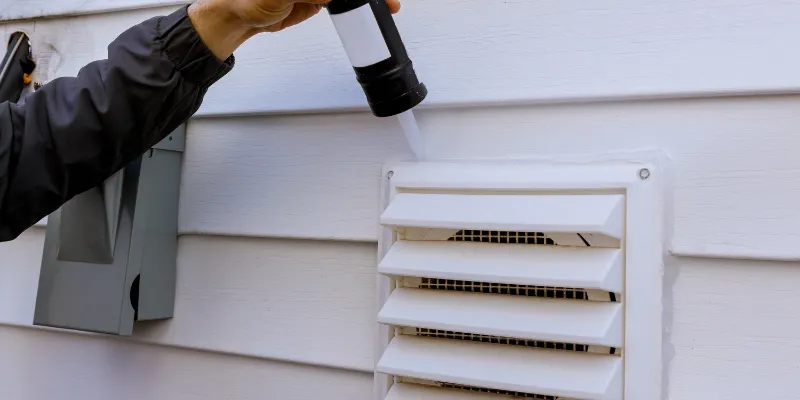
Inspect the entire exterior for potential leak points around windows, doors, roof vents, and slideouts. Even minor seal degradation allows water intrusion that causes damage during freeze-thaw cycles.
Apply fresh sealant wherever needed. Clean and treat rubber seals with conditioner to prevent cracking. Wash and wax the exterior thoroughly to shield paint and fiberglass from harsh winter conditions.
Preventing Pest Problems
Seal all potential entry points around plumbing, vents, doors, and slide-out mechanisms. Even small gaps can let in rodents and insects looking for shelter. According to Pestmaster’s guide on pest-proofing your RV, sealing cracks and maintaining cleanliness are the best ways to keep unwanted guests out.
Use pest deterrents strategically throughout the interior—mothballs, peppermint oil-soaked cotton balls, or commercial repellents work well. Remove all food sources, including pet food and aromatic soaps that might attract pests.
Winter Maintenance for Stored RVs
Winter storage requires ongoing attention despite the RV sitting unused. Periodic monitoring prevents problems that develop slowly over months of dormancy.
Monthly Inspection Routine
Visit stored RVs monthly to check for developing issues. Look for signs of moisture intrusion, including water stains, condensation, or musty odors. Inspect tire pressure and condition—tires develop flat spots when weight rests in one position for extended periods. Verify that storage facilities remain secure and that pest deterrents stay effective.
Controlling Storage Environment
Moisture control during storage prevents mold growth and musty odors. Place moisture absorbers throughout the interior, focusing on enclosed spaces like closets and under-sink cabinets. If storing in a climate-controlled facility, maintain moderate temperatures and humidity levels. For outdoor storage, ensure adequate ventilation to prevent condensation buildup.
Maintaining Batteries and Systems
Cold temperatures drain batteries and can cause permanent damage through freezing. Disconnect batteries for winter or connect them to maintenance chargers that provide optimal charge levels without overcharging. Store batteries in cool, dry locations with temperatures above freezing.
Check battery charge levels during monthly visits and recharge if they fall below the recommended levels. For RVs with solar panels, verify that charge controllers function properly and provide adequate power during shorter winter days.
Turn Your Maintained RV Into Revenue
Consistent, season-appropriate maintenance protects your investment and creates a reliable travel experience. Daily attention to small details, weekly cleaning routines, and monthly systematic checks keep your RV in top condition while preventing costly repairs down the road.
Starting a maintenance routine may seem overwhelming, but beginning with manageable tasks and gradually building comprehensive habits makes the process sustainable. This approach ensures safe, comfortable travel while preserving your RV’s value for years to come.
Ready to make your RV work for you?
A well-maintained RV isn’t just an asset—it’s an opportunity. Join Hookhub to connect with travelers, share quality land, and turn your investment into income. Quality maintenance creates exceptional guest experiences that build reputation and revenue.