Growth Is a Question of Timing, Not Just Space
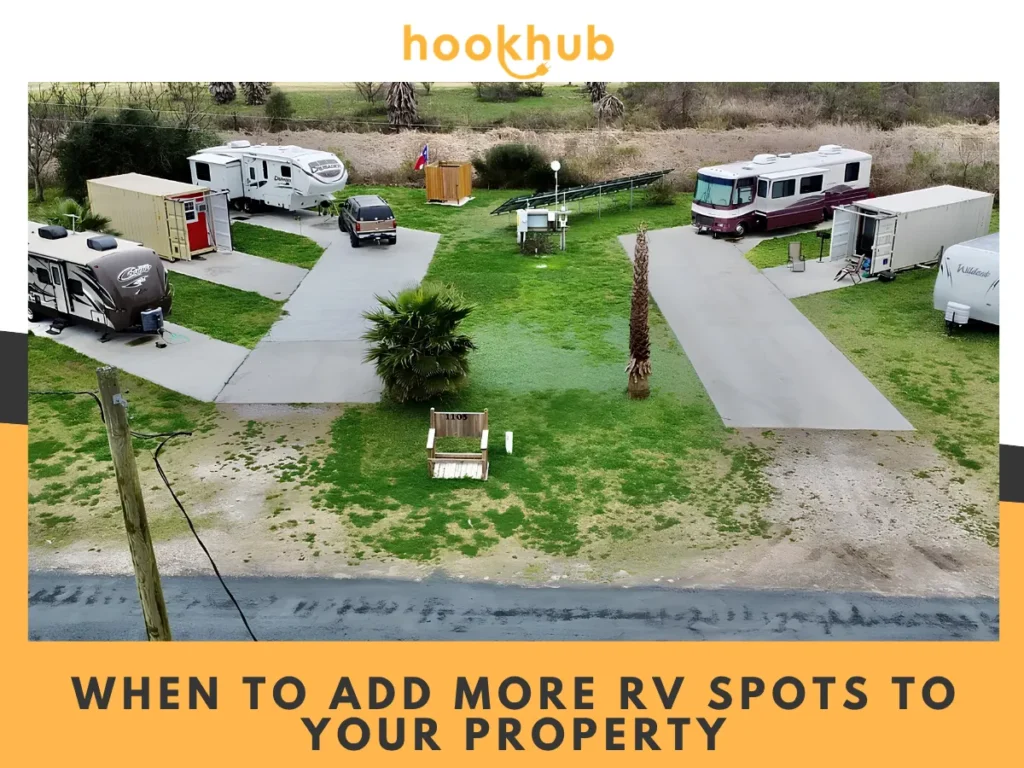
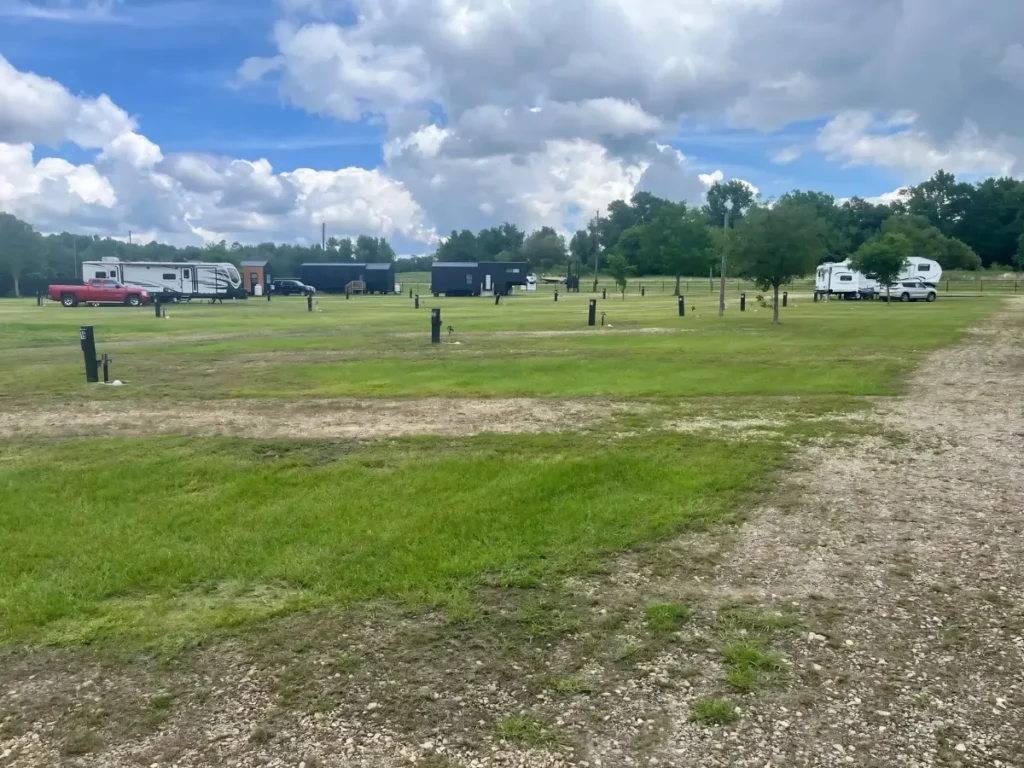
The decision to add more RV spots to your property should be driven by demand data, not available acreage. Many hosts have room on their land for more recreational vehicle spaces long before they actually need them. The property itself is rarely the limiting factor early on. Booking consistency is.
This matters because scaling too early ties up money in hookups and site prep that may sit unused, while scaling too late means turning away paying guests who go elsewhere. Both cost money. Getting the timing right is the difference.
Sign 1: You’re Regularly Turning Away Bookings
If you’re saying no to interested renters because your existing spaces are full, particularly for the same weeks or months repeatedly, that’s the strongest signal to add capacity. A single busy weekend does not count. A pattern across multiple months does.
Track how often you decline booking requests because you are fully occupied. If it’s becoming a regular occurrence rather than an occasional one, your current setup has hit its ceiling.
Sign 2: You Have a Waitlist or Repeat Inquiries
Guests reaching back out after being turned away, or asking to be notified when a space opens up, indicates demand beyond what you can currently serve. This is a stronger signal than general interest, since it reflects people who already tried to book and could not.
Sign 3: The Economics of Your First Spaces Are Working
Your first spaces do not necessarily need to reach full payback before you consider expanding, but you should understand whether they are performing as expected. Look at what you spent to create them, what they earn after ongoing expenses, how consistently they book, and how long it is likely to take to recover your original investment.
If those numbers are working—and you are also turning away renters because you lack capacity—you have much stronger evidence that another space could make sense.
This guide on calculating when a small RV setup pays itself off walks through how to check that math for your own property.
Use a Simple Expansion Test
Before adding another space, look for three things happening at the same time:
- Your existing spaces are performing: They are booking consistently and generating enough income to justify what you invested in them.
- You are losing real bookings because you’re full: Track actual booking requests you could not accommodate—not just messages asking whether you have space.
- The demand repeats: The same problem shows up across multiple months, dates, or guest searches rather than around one event or unusually busy period.
If your spaces are full but nobody is trying to book beyond your available capacity, expansion may simply create another space competing for the same renters. If you are consistently turning away qualified renters while the existing spaces are performing well, another space has a much stronger case.
When to Wait
Not every full season means it’s time to expand.
Seasonal or one-time demand spikes are not the same as sustained demand. A holiday weekend, a local event, or a single unusually busy month can make a property feel fully booked without reflecting what a typical month looks like. Before committing to new spaces, compare occupancy across at least two to three full seasons or several months of bookings, not just the standout weeks.
Similarly, if your existing spaces still require active troubleshooting, whether that’s a utility issue, a layout problem, or inconsistent guest experience, it’s worth resolving those first. Adding more spaces on top of an unresolved problem multiplies the problem rather than the income.
How to Size the Next Addition
Once the signals point toward expansion, the actual sizing and layout follow the same evaluation used for the initial spaces, including zoning limits on total occupancy and septic tank capacity. This guide on calculating how many RV spots your land can host covers spacing, access, and capacity planning in detail.
One practical advantage of expanding an existing setup is that some of the most expensive infrastructure may already be in place. If water, electric, or septic lines already serve your first spaces, extending them to a nearby site may cost less than the original installation. Before planning the expansion, confirm that your existing systems have enough capacity for the additional space so you know whether you can build on what you already have or need an upgrade.
Add One Space at a Time
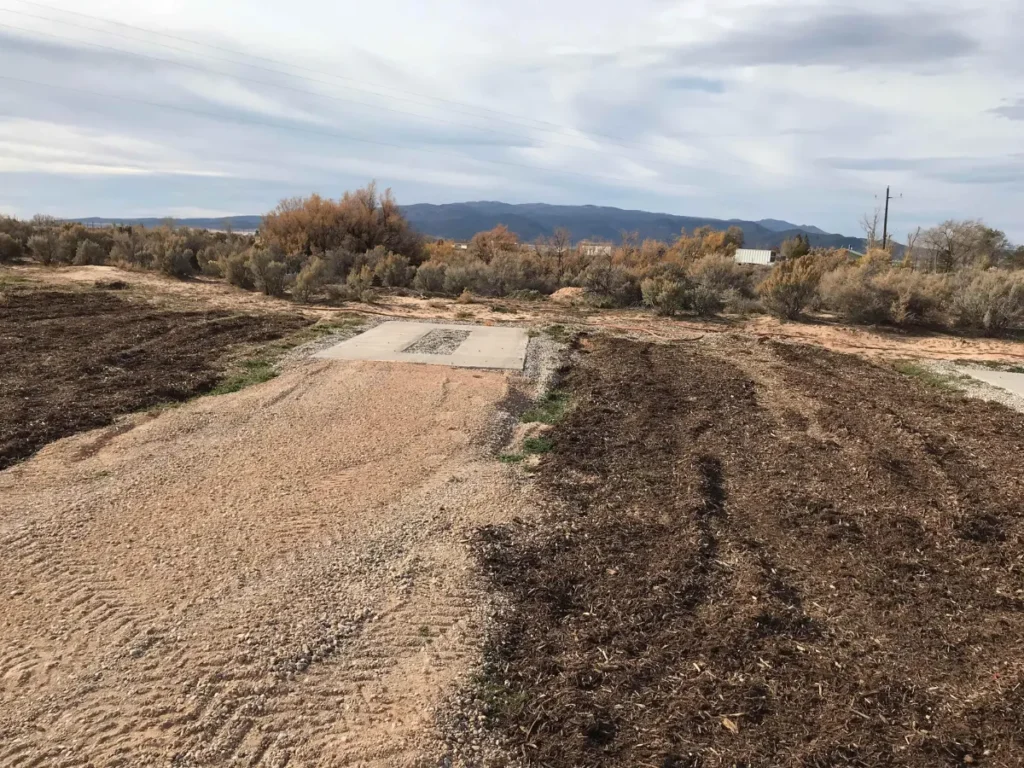
Resist the urge to jump from two spaces to eight simply because the land is available. A smaller expansion—sometimes just one additional space—lets you confirm that the added capacity actually books before committing to a much larger buildout. It also gives you another round of real guest feedback to inform pricing, hookups, layout, and future improvements.
This replicates how many Hookhub hosts scale. One Overgard, AZ host started with three spaces rather than building out his full property at once, confirmed the setup worked, and only then considered adding more. The video documenting that original three-space build walks through this incremental approach step by step.
Frequently Asked Questions
How do I know if my RV hosting setup is ready to expand?
Consistent bookings, real booking requests you cannot accommodate because you’re full, and evidence that your existing spaces are performing financially are the strongest signals. Look for that demand to repeat across multiple months or booking periods rather than relying on a single busy weekend or season.
Is it cheaper to add RV spaces to an existing setup than to build new ones from scratch?
It can be. If your existing electric, water, or septic infrastructure has enough capacity to serve another nearby space, you may be able to extend it rather than starting from scratch. Confirm capacity and any required upgrades before assuming the next space will cost less.
How many additional RV spaces should I add at once?
Adding one space at a time is generally safer than a larger expansion. It limits the amount of unproven investment at any point and lets you confirm demand before committing further.
What if my property is fully booked during summer but slow the rest of the year?
That pattern suggests seasonal rather than sustained demand. Before expanding, compare occupancy across multiple seasons to confirm the demand holds up outside of peak months.
Ready to Grow Your RV Hosting Setup?
If the signs point to expansion, list your additional space on Hookhub and keep the same demand-first approach that got your first spaces booked.