
Many are drawn to RV travel for its freedom and relaxation. This trend has made landowners and investors curious.
Can a small RV park really be a profitable business?
The value of the campground and RV park sector hit $6.32 billion in 2021. This shows the big potential for making money. If you’re thinking about starting a small RV park, knowing what makes it successful is key.

Starting an RV park comes with different costs. You’ll need to buy land and cover development costs. To get started, check out our guide on how to start an RV park.
Key Takeaways
- Assessing the potential return on investment for a small RV park
- Understanding the factors that influence financial success
- Initial costs involved in starting an RV park
- The growing demand for RV travel and its impact on the industry
- Key considerations for landowners and investors
Understanding Mini RV Parks and Their Appeal
RV travel is getting more popular, and people want smaller, more cozy RV parks. They’re looking for unique experiences and a closer bond with nature and others.
Definition of a Mini RV Park
Mini RV parks are small, with fewer RVs than big resorts. They offer a peaceful, personal space. This is perfect for those who like a quieter, more intimate setting.
Rising Popularity of RV Travel and Full-time RV living
RV travel is loved for its flexibility and freedom. It’s becoming a popular choice, with many enjoying the comfort of home on the road. This way, people can see new places and tourist attractions without the hassle of constant moving.
“RV living has become increasingly popular, with many people appreciating the freedom and flexibility it offers.”
Benefits of Owning a Mini RV Park

Running a mini RV park can be very profitable.
Here are some benefits:
- Lower Operational Costs: Smaller parks need less upkeep and cost less to run.
- Personalized Experience: Owners can tailor experiences for guests, making them happier.
- Community Building: Mini RV parks help guests feel part of a community. This leads to happy guests who come back.
A study showed that small, well-run RV parks can make a lot of money. Some even report up to 40% net margins.
Initial Investment Costs to Consider
Starting a mini RV park requires understanding the initial costs. We’ll look at the different expenses needed to set up a small RV park.
When looking at a small RV park investment, land is a big expense. The cost depends on the location, size, and zoning rules. We must consider the purchase price and the land preparation costs.
Land Acquisition and Preparation Costs
Buying the land is the first cost. It includes the land price and any extra fees. Preparing the land for RVs adds more costs, like clearing and grading.
Land preparation might also need environmental checks and fixes. These costs are part of a micro RV park financial analysis.
Infrastructure Development Expenses
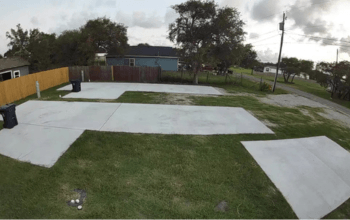
After preparing the land, building the park’s infrastructure is next. This includes water, electricity, sewage, roads, and RV pads.
- Utility hookups
- Road construction
- RV site preparation
These costs are key to the park’s functionality and appeal. A detailed financial analysis helps understand these expenses.
Permitting and Licensing Fees
Mini RV parks need local permits and licenses before opening. This includes zoning, health, and environmental permits.
The permitting and licensing costs vary by location and park needs. It’s important to research these costs to avoid surprises.
By understanding these initial costs, investors can make smart choices for their small RV park investment. This sets them up for success in the RV park business.
Revenue Potential of Mini RV Parks
Investors should know how mini RV parks make money. We’ll look at different ways thCalculating ROIey earn, like rental income and more.
See what YOUR property could earn based on your acreage, location, and amenities →
Average Rental Income from RV Sites
RV site rentals are a big part of a mini RV park’s income. For example, a full hook-up can cost $800 a month. This means a lot of money each year, if the park is full.
To make more money, owners should offer great amenities. We’ll talk about this more later.
Additional Revenue Streams
Mini RV parks can also make money in other ways.
These include:
- Laundry facilities
- Swimming pools or hot tubs
- On-site convenience stores or restaurants
- Recreational activities or event hosting
By having different ways to make money, owners can make their parks more profitable. For more info, check out Understanding the RV Park Business Model. It helps with RV resort ROI calculation.
Seasonal vs. Year-Round Income
Mini RV parks make more money in some seasons than others. This can change how much they make each year.
To deal with this, owners can offer discounts in slow times. They can also try to attract different people all year. This way, parks can make money all year, not just in peak times.
Key Factors Affecting ROI in Mini RV Parks
Investing in a mini RV park comes with several important factors to consider. These factors can greatly affect your return on investment (ROI). It’s crucial to understand them well to make smart choices and boost your investment’s value.
To see the actual development process behind a project like this, watch this video on how to build a small RV park from scratch.
Location and Accessibility
The spot where you set up your mini RV park is key to its success. Being close to popular spots, national parks, or major roads makes it more appealing to RV travelers. We also have to think about how easy it is to get to the park and what’s around it.
Choosing a good location can help deal with the ups and downs of demand. For example, parks near attractions all year round tend to have more people staying there.
Market Demand Analysis
Doing a deep dive into the market demand is essential for your mini RV park’s ROI. This means looking into who your customers are, what they like, and how much they’re willing to pay. We should also check out RV sales, rental prices, and how often spots are filled.
Knowing who RV lovers are and how they travel helps us improve our park. We can make it more appealing and increase our chances of making money.
Seasonal Trends in RV Usage
RV travel has its own seasons, with the most happening in spring and summer. Knowing this helps us run our mini RV park better. We need to find ways to make the most of busy times and not get hit too hard when it’s slow.
This could mean offering deals or discounts when it’s not busy, or adding more things to do and see. This way, we can attract more people and make more money.
By focusing on these key points, we can make our mini RV park profitable and lasting.
Calculating ROI for Mini RV Parks
Knowing the ROI of a mini RV park is key for investors wanting to get the most from their money. It’s important to understand how to calculate this accurately.
Basic ROI Formula Explained
The basic ROI formula is simple: ROI = (Net Profit / Total Investment) x 100. For mini RV parks, net profit is found by subtracting total expenses from total revenue. The total investment includes costs like land, infrastructure, and permits.
For example, if a mini RV park costs $500,000 to start and makes $210,000 a year, the ROI is (75,000 / 500,000) x 100 = 42%. This means the investment makes 42% each year.
Factors Influencing Your ROI Calculation
Several things can change the ROI of a mini RV park.
These include:
- Location: Parks in sought-after spots or near attractions usually have more guests.
- Operational Efficiency: Keeping costs low and services high can boost profits.
- Market Trends: Changes in RV travel and seasons can impact earnings.
Knowing these factors helps investors tweak their plans to improve ROI.
Timeframe for ROI Realization
The time it takes to see a return on investment in a mini RV park varies. Investors usually break even in a few years, based on costs and revenue growth.
A well-run mini RV park can show a positive ROI in 3 to 5 years. Good management, smart marketing, and a strong market can speed up this timeline.
By accurately calculating ROI and understanding what affects it, investors can make better choices for their mini RV park investments.
Financing Options for Mini RV Parks
Starting a mini RV park needs the right financing. Finding the right money can seem hard, but we’re here to help.
Looking for financing for your mini RV park? It’s key to check out all your options. We’ll look at loans, other funding, and grants that can help your project.
Traditional Loans and Mortgages
Loans and mortgages are common for mini RV parks. Banks and other lenders offer the money you need for things like buying land and building out the park.
Benefits of traditional loans include:
- Predictable repayment schedules
- Potential tax benefits through mortgage interest deductions
- Ability to leverage the property as collateral
Alternative Funding Sources
There are other ways to get money for your mini RV park too. You might look at private investors, crowdfunding, or partnerships with other businesses.
Alternative funding can be useful for:
- Helping with the initial costs
- Funding specific projects or amenities
- Providing money for day-to-day operations
Grants and Incentives for RV Parks
There are grants and incentives for RV parks, like those that are green or community-focused. These come from government, non-profits, or foundations.
Here’s a quick look at the different financing options:
| Financing Option | Key Benefits | Potential Drawbacks |
| Traditional Loans | Predictable repayments, tax benefits | Strict eligibility criteria, collateral requirements |
| Alternative Funding | Flexibility, innovative financing solutions | Potential for higher costs, less regulatory oversight |
| Grants and Incentives | Non-repayable funds, support for specific projects | Competitive application process, specific eligibility criteria |
Knowing about these financing options can help you get the money you need. We suggest mixing different sources to make your mini RV park profitable.
Assessing Ongoing Operational Costs
Keeping a mini RV park profitable means watching its ongoing costs closely. These costs can greatly affect the park’s success. If not managed well, they can turn a good idea into a money loser.
Understanding the different parts of operational expenses is key. We’ll dive into each one, showing how to make them work better for your finances.
Maintenance and Upkeep Expenses
Maintenance is vital for a mini RV park. Keeping things nice and working right keeps customers happy and coming back. Costs include:
- Landscaping and groundskeeping
- Fixing and keeping up amenities (like laundry and pools)
- Keeping utility systems (water, sewage, electricity) running smoothly
Experts say dealing with pests and tank maintenance are big challenges. It’s important to set aside money for these. A well-kept park makes customers happier and saves money on big repairs later.
| Maintenance Category | Estimated Annual Cost |
| Landscaping and Groundskeeping | $8,000 – $12,000 |
| Amenity Repair and Maintenance | $5,000 – $8,000 |
| Utility System Maintenance | $3,000 – $5,000 |
Staffing and Management Costs
Staffing is a big cost for mini RV parks. The number and roles of staff depend on the park’s size and services.
Key costs are:
- Site manager or park host salary
- Maintenance personnel wages
- Customer service staff
Good management helps keep staffing costs down while keeping service high. Finding ways to work more efficiently can save money.
“The key to successful RV park management lies in striking a balance between cost efficiency and service quality.”
Caylee Harrington
Marketing and Advertising Budgets
To draw in and keep customers, mini RV parks need to spend on marketing and ads. This includes:
- Online marketing (website, SEO)
- Social media ads
- Ads in RV magazines
A smart marketing plan can really boost bookings and earnings. It’s important to check how well each marketing method works to get the most bang for your buck.
By carefully managing these ongoing costs, mini RV park owners can make their business more profitable and sustainable in the long run.
Tax Implications of Owning a Mini RV Park
Owning a mini RV park has many tax factors to consider. These can greatly affect your return on investment (ROI). It’s key to grasp the tax landscape to boost profits.
Property taxes are a big deal. They change a lot based on where your mini RV park is. These taxes are based on the land’s value and any upgrades.
Understanding Property Taxes
Property taxes on a mini RV park are a percentage of its value. This value includes the land, roads, utilities, and amenities like pools. Knowing how your local government values properties is crucial.
For example, high-demand areas might have higher property values and taxes. But, areas with less demand could have lower taxes.
Deductions and Write-Offs Available
While property taxes are a big expense, there are ways to lower your taxable income. You can deduct:
- Operating costs like maintenance, utilities, and staff
- Depreciation of assets like buildings and equipment
- Interest on loans for the property
Keeping detailed records of expenses is key to using these deductions. A tax professional can help ensure you’re getting the most out of them.
Impact of Sales Tax on Services
Sales tax on services is another tax consideration for mini RV parks. Parks may offer services like laundry, convenience stores, or activities, which can be taxed.
It’s important to know the sales tax laws in your area. This helps avoid penalties. Some states have special rules for RV parks, so staying updated is crucial.
By managing taxes well and using available deductions, you can improve your mini RV park’s financial health. This boosts your ROI and helps your investment last longer.
Marketing Strategies for Mini RV Parks
In the growing RV travel industry, a well-planned marketing approach can make all the difference for mini RV parks looking to stand out. As the demand for RV travel continues to rise, mini RV park owners must adapt their marketing strategies. They need to meet this evolving demand.
We will explore effective marketing strategies that can help mini RV park owners attract and retain customers. We will focus on online marketing, partnerships with local businesses, and leveraging social media for promotion.
Online Marketing Techniques
Online marketing is a critical component of any successful marketing strategy for mini RV parks. This includes:
- Developing a user-friendly website that showcases the park’s amenities and services
- Utilizing search engine optimization (SEO) to improve visibility in search results
- Engaging in targeted online advertising to reach potential customers actively searching for RV travel options
SEO is crucial, as it helps ensure your park appears in search results when potential customers are looking for RV parks in your area. We recommend working with an SEO specialist to optimize your website for relevant keywords, such as “small scale RV park business plan” and “Mini RV park ROI.”
Partnerships with Local Businesses
Forming partnerships with local businesses can be a win-win for both parties. By collaborating with nearby attractions, restaurants, and service providers, mini RV parks can offer their guests a more comprehensive and appealing experience.
| Local Business | Potential Partnership Opportunity |
| Outdoor Gear Store | Offer discounts to park guests, promote the store on park website |
| Local Restaurant | Provide shuttle service, offer special menu for park guests |
| Tour Operator | Package deals including park stay and guided tours |
Leveraging Social Media for Promotion
Social media platforms offer a powerful tool for mini RV park owners to connect with potential and current customers. By sharing engaging content, responding to comments, and running targeted ads, parks can build a loyal community and attract new visitors.
Community building is at the heart of successful social media marketing. We encourage park owners to share stories about their guests, highlight local events, and showcase the unique aspects of their park. This creates a sense of belonging among their audience.
Enhancing Customer Experience to Boost ROI
Improving customer experience is key to boosting ROI in mini RV parks. We know that making our guests happy is crucial. It leads to positive reviews, more visits, and higher compact RV park profits.
Amenities and Services

Offering the right amenities and services is vital. Recent data shows that amenities greatly improve the RV experience. We provide a variety of amenities, from basic needs like clean restrooms to fun activities and Wi-Fi.
Some important amenities we offer include:
- Laundry facilities
- Recreational areas (e.g., parks, swimming pools)
- On-site convenience stores or restaurants
- Pet-friendly areas
Cleanliness and Safety
Keeping facilities clean and safe is essential. We make sure our places are well-maintained and our guests feel safe. This improves their stay and encourages good reviews.
To keep up these standards, we have strict cleaning schedules and safety measures like:
- Regular sanitization of common areas and facilities
- Installation of security cameras
- Provision of emergency response plans
Gathering Customer Feedback
Listening to customer feedback is crucial for growth. We use surveys, comment cards, and online reviews to hear from our guests. This feedback helps us improve our services and amenities.
| Feedback Channel | Purpose | Action Taken |
| Surveys | Understand guest satisfaction levels | Improve amenities based on feedback |
| Comment Cards | Collect immediate feedback | Address concerns promptly |
| Online Reviews | Monitor reputation and identify trends | Respond to reviews and implement changes |
By focusing on these areas, we can greatly improve the customer experience. This leads to happier guests, more loyalty, and higher tiny RV campground earnings.
Case Studies: Successful Mini RV Parks
Case studies offer insights into what makes mini RV parks successful. They show us the best practices and common mistakes in the industry.
Profiles of Profitable Parks
Some mini RV parks stand out by focusing on unique features and catering to specific groups. For example, parks near tourist spots or natural wonders draw lots of visitors. A park in Oregon near a national forest offers hiking tours and bike rentals, attracting many guests.
Key to their success: They provide amenities that match the environment and appeal to their audience.
In Texas, a mini RV park caters to RV owners with pets, offering pet-friendly facilities and hosting pet events. This niche focus has built a loyal customer base and high occupancy rates.
“We’ve seen a significant increase in bookings since we started catering to pet owners. It’s been a game-changer for our business.” – Park Manager
Lessons Learned from Failures
Not every mini RV park succeeds. Some fail due to bad locations, a lack of amenities, or poor marketing. A park in a remote area with limited amenities struggled to attract visitors.
Key lesson: It’s vital to do thorough market research and understand your audience to avoid mistakes.
Analysis of Different Geographic Markets
The success of mini RV parks varies by location. Parks in cold climates may need to adjust for seasonal changes. In contrast, parks in milder climates can operate all year.
Parks in tourist-heavy areas tend to do better. For instance, a Florida park near a theme park has steady demand. But a park in a less visited area has trouble attracting guests.
| Location | Annual Occupancy Rate | Average Daily Rate |
| Florida | 85% | $40 |
| Oregon | 70% | $35 |
| Texas | 80% | $38 |
Understanding geographic and demographic factors helps investors make better decisions about starting a mini RV park.
Future Trends in Mini RV Parks
Mini RV parks are set to change with new trends and tech. Investing in a small RV park can pay off if you keep up with these changes.
Eco-Friendly Initiatives
Eco-friendly RV parks are becoming more popular. They offer solar power and green waste management. These features attract green travelers and cut costs.
Technology Integration
Technology is making RV parks better, from booking online to smart management. Adding these techs can improve guest stays and make running the park easier. This can boost your RV resort’s earnings.
Remote Work Influence
More people are working from RVs, seeking flexible workspaces. Mini RV parks can attract these workers with fast internet and coworking areas.
Keeping up with these trends can help mini RV parks thrive. This way, investors can see a good return on their investment.
Want help launching your RV park or calculating ROI?
Visit Hookhub to get started.
FAQ
What is a mini RV park, and how does it differ from a traditional RV park?
A mini RV park is smaller and more personal than a traditional RV park. It has fewer sites. These parks focus on nature and community, offering a unique experience for travelers.
How do I determine the potential return on investment (ROI) for a mini RV park?
To find the ROI for a mini RV park, we look at several things. We consider the initial costs, rental income, and ongoing expenses. We also check the market demand and competition to estimate earnings.
What are the initial costs associated with establishing a mini RV park?
Starting a mini RV park costs money. You need to buy land, build infrastructure, and get permits. You also have to prepare the sites, install utilities, and add amenities like bathrooms and laundry.
How can I maximize revenue from my mini RV park?
To make more money, offer competitive prices and great amenities. Keep the park full by marketing well and providing excellent service. You can also earn extra by offering tours or renting out equipment.
What financing options are available for mini RV parks?
There are many ways to fund a mini RV park. You can get loans, find private investors, or use crowdfunding. Look for grants or incentives for tourism or rural development too.
How do I calculate the ROI for my mini RV park?
To find the ROI, use the formula: (annual return / initial investment) x 100. Add up your rental income, expenses, and extra income. Then, divide by your initial investment and multiply by 100 to get your ROI.
What are some effective marketing strategies for mini RV parks?
Good marketing for mini RV parks includes SEO and social media. Partner with local businesses and tourism groups. Use customer reviews and referrals to attract more visitors.
How can I enhance the customer experience at my mini RV park?
To improve the experience, keep facilities clean and offer useful amenities. Listen to feedback to make things better. Focus on customer service and create a welcoming atmosphere.
What are some future trends in mini RV parks that I should be aware of?
Watch for eco-friendly parks, tech in management, and how remote work changes travel. Stay updated to keep your park competitive and appealing to travelers.
How do tax implications affect the profitability of a mini RV park?
Taxes can greatly affect your park’s profits. Consider property taxes, deductions, and sales tax on services. This helps you understand your net profit and lower your taxes.
What is the typical timeframe for realizing a return on investment in a mini RV park?
The time to get a return on investment varies. It depends on your initial investment, market demand, and how well you run the park. Generally, it takes a few years, but it can vary.