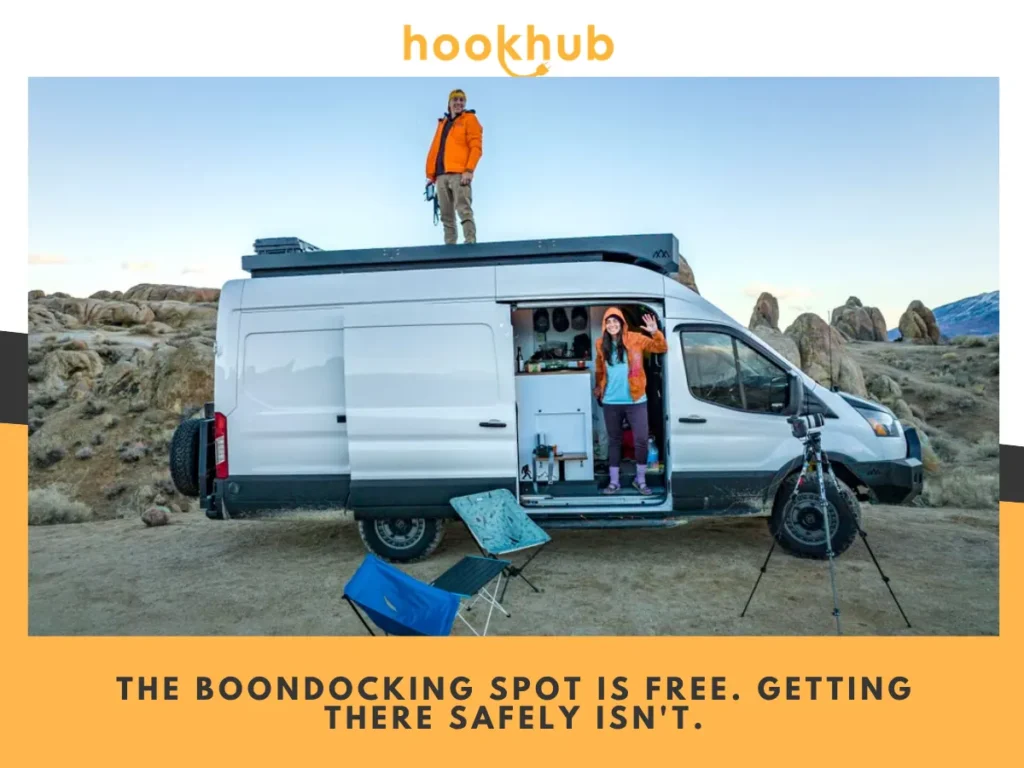


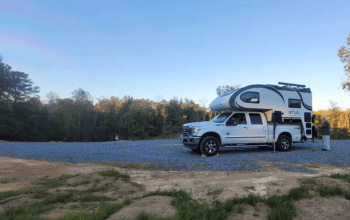
The campsite itself costs nothing. Everything required to actually use it safely does not. Outfitting an RV for long-term boondocking runs $2,000 to $12,000 upfront, covering solar panels, battery banks, inverters, a generator, and internet gear, and even experienced boondockers still budget $500 to $1,000 a month in ongoing costs once they’re out there. “Free camping” is real, but it isn’t free to access.
What Does It Actually Cost to Get Set Up for Boondocking?
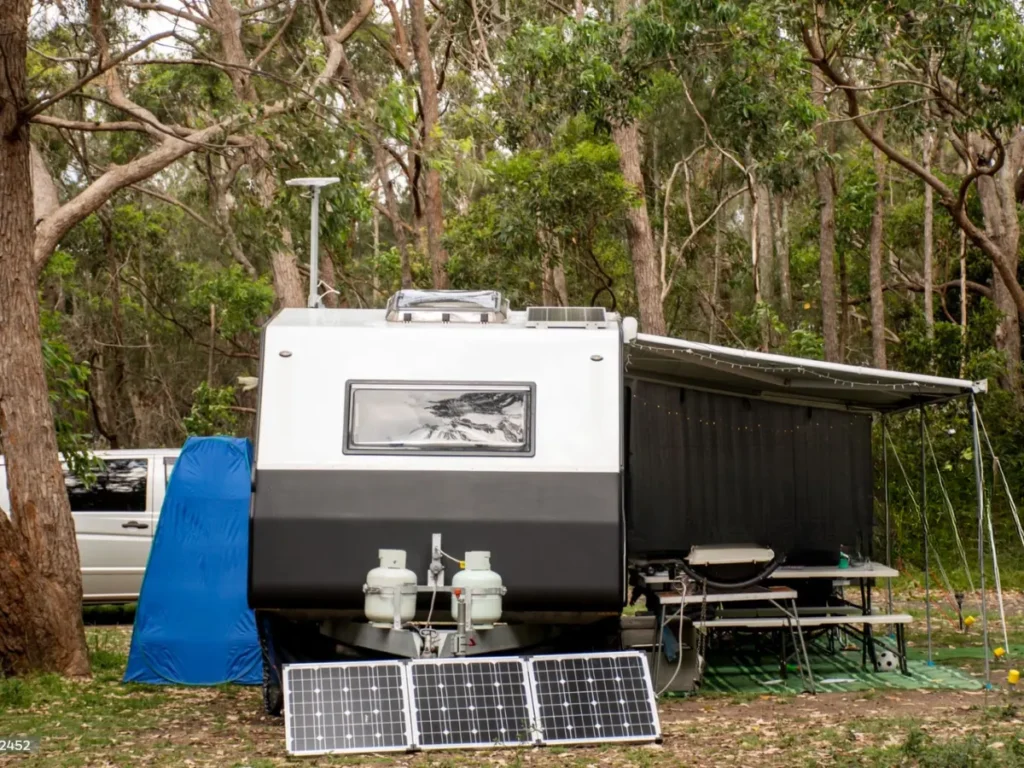
More than most new RVers plan for. A full boondocking setup, built from solar panels, a solar charge controller, a battery bank, a battery charger and monitor, a power inverter, and a portable generator, runs $2,000 to $12,000 depending on capacity and quality. That’s before internet gear, which adds its own cost on top.
Generators alone run $800-$2,000 for a quality unit, and they come with an ongoing fuel bill: an Onan 5,500-watt generator burns roughly 5 gallons of gas every 8-10 hours of use, while a smaller 2,000-watt portable unit burns about 1 gallon over the same window.
What Does Boondocking Cost Every Month, Once You’re Already Set Up?
More than “free” implies. Experienced boondockers report a realistic monthly floor of $500, with $1,000 a month described as offering “much more comfort.” Moving between boondocking sites is the single largest line item: relocating an RV commonly costs $200-$300 a month in fuel alone. Add tank-dumping and water-refill trips at $5-$20 per visit, one to three times a month, plus propane running 10-20% above gasoline prices for heating and cooking.
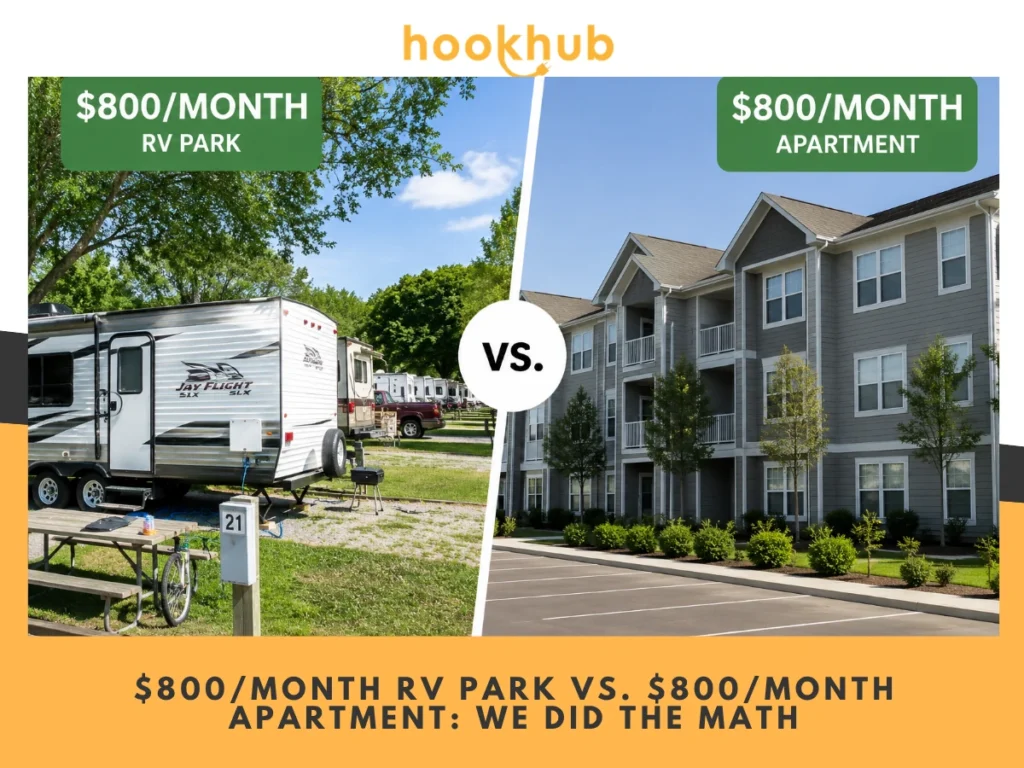
Add the equipment amortization to the monthly operating cost, and a fully outfitted boondocking setup often lands in the same monthly range as a budget hookup site, just with the cost moved from “rent” to “gear, fuel, and maintenance.
What Does “Safely” Actually Mean Here?
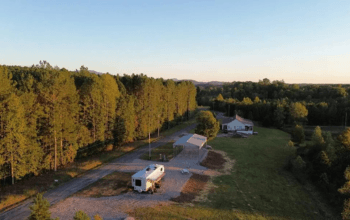
It means the parts that don’t show up in a cost breakdown. Boondocking access roads are frequently unpaved, and RVs need to be much more careful about ground conditions and access than tent campers do; getting stuck or damaging the rig on a rough access road is a real, if hard-to-price, risk of the “free” version of camping.
Finding good boondocking spots also takes real research effort: one long-running RV forum thread on the topic put it plainly, describing the process as starting with the BLM site, checking satellite imagery, then cross-referencing crowdsourced comment sites for other campers’ experiences, calling it “not for the anti-research crowd.”
Maintenance costs from wear and tear on dispersed-camping travel add up too: budget at least $100- $300 a month for ongoing repairs and wear-and-tear costs tied to the driving and rough-road exposure that boondocking requires.
When Does a Confirmed, Hookup-Equipped Site Actually Make More Sense?
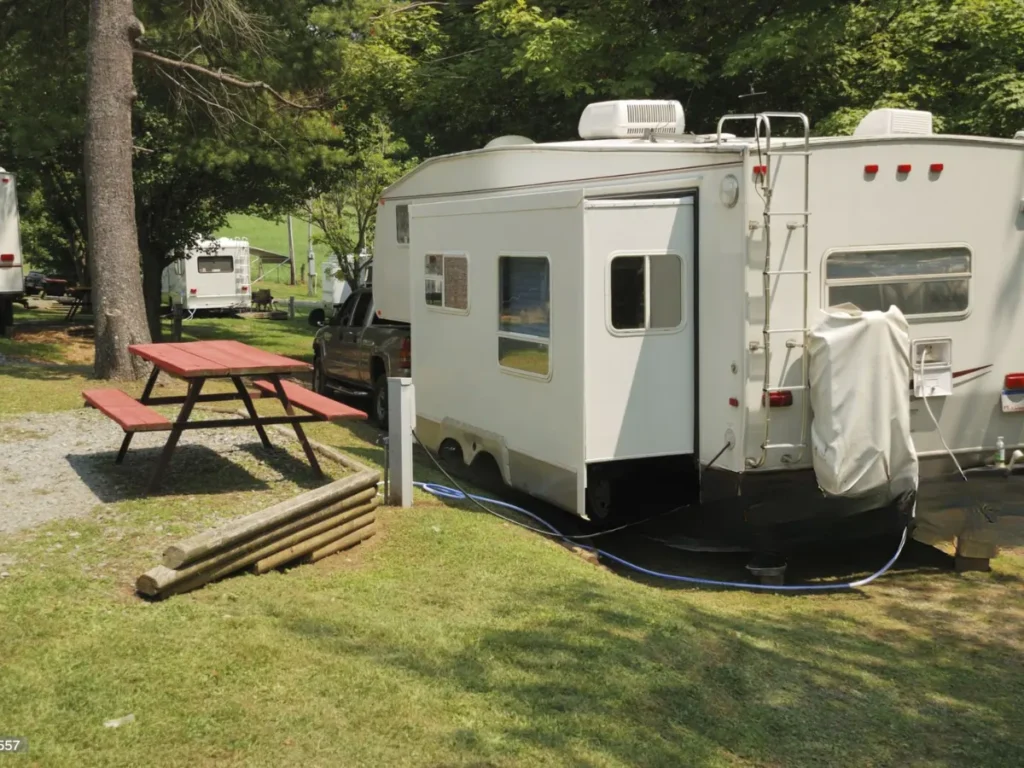
When the “free” math stops adding up for what you’re actually getting. If you’re already spending $500-$1,000 a month on fuel, generator gas, tank dumps, and equipment amortization to boondock, a confirmed site with real hookups at a comparable monthly cost removes the equipment investment, the access-road risk, and the research time, in exchange for giving up the remote-location freedom that draws people to boondocking in the first place.
That’s not an argument against boondocking. It’s a reason to run the actual numbers before assuming “free” is the cheaper option for your situation. Go ahead and compare confirmed hookup site costs near you, or browse verified confirmed-hookup RV sites directly.
Frequently Asked Questions
How much does it cost to set up an RV for boondocking?
Solar, batteries, inverter, and generator gear typically runs $2,000 to $12,000 upfront, not including internet equipment.
Is boondocking actually cheaper than paying for an RV park?
It depends on how you count it. The campsite itself is free, but fuel for relocating between sites ($200-$300/month), generator fuel, tank dumps, and equipment amortization commonly bring the real monthly cost to $500-$1,000, which can approach the rent of a budget hookup site.
Why is finding good boondocking spots so time-consuming?
There’s no single directory. Experienced boondockers describe starting with BLM, Corps of Engineers, or National Forest land listings, then cross-checking satellite imagery and crowdsourced comment sites before committing to a spot.
The Bottom Line
Boondocking’s campsite fee really is zero. Everything else—the equipment, the fuel, the maintenance, and the research time—adds up to a real monthly cost that often rivals a budget hookup site. Run your own numbers before assuming “free” automatically means “cheaper” for how you actually camp.
Sources
- Boondocker’s Bible, The Cost of RV Boondocking, retrieved 2026-08-08, https://www.boondockersbible.com/learn/the-cost-of-rv-boondocking/
- Good Sam Community, why are boondocking sites so hard to find online?, retrieved 2026-08-01, https://community.goodsam.com/discussions/rvnewbiesforum-board/why-are-boondocking-sites-so-hard-to-find-online/2619140/replies/2619143