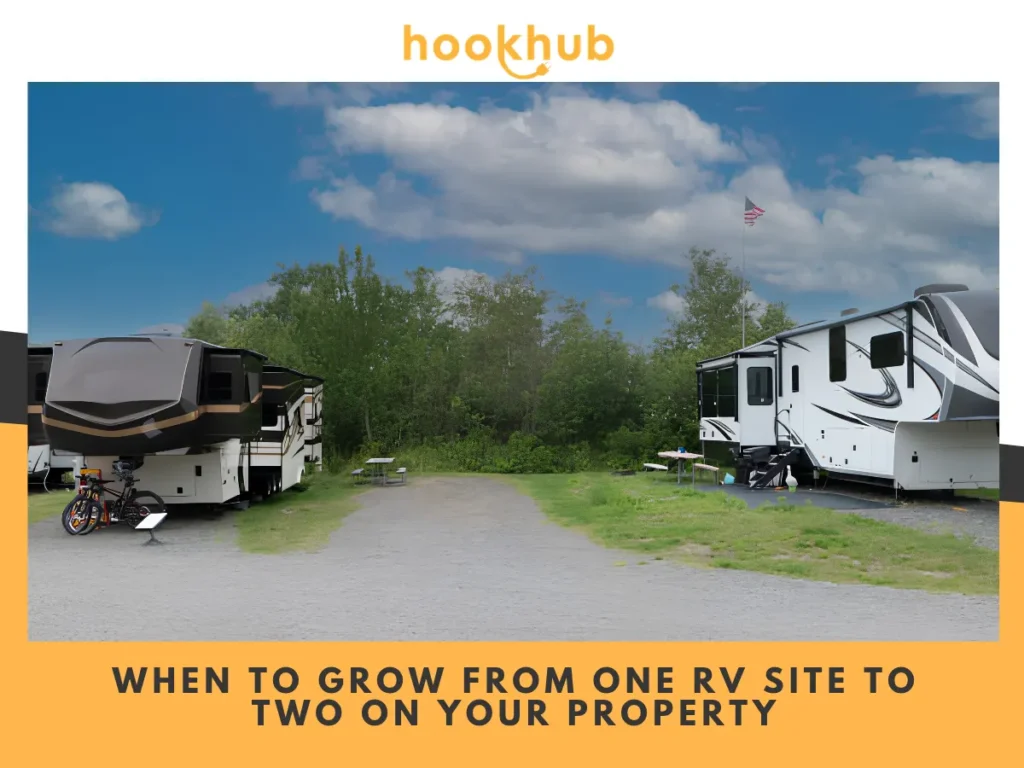

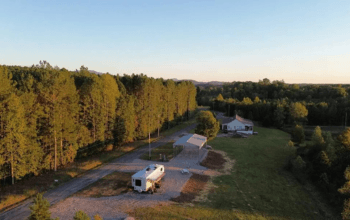
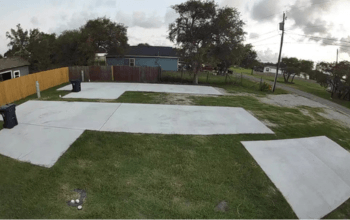
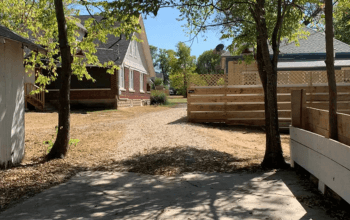
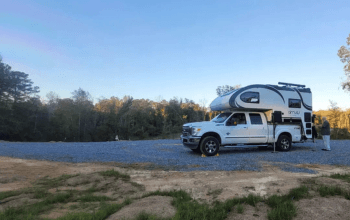
Many landowners start RV hosting with a single site.
According to RV Industry Association ownership data, millions of households now travel by RV each year, creating growing demand for private RV accommodations.
It feels manageable. One guest, one reservation calendar, one set of utilities, and one area of the property dedicated to hosting. For many hosts, that first site serves as a test. It answers important questions about demand, guest expectations, and whether hosting is a good fit for the property.
But once reservations become more consistent, another question usually follows:
Should you add a second RV site?
The answer depends on much more than available space. Expanding successfully requires understanding demand, evaluating infrastructure, considering guest experience, and determining whether additional income justifies the investment.
For some properties, adding a second site creates a more productive hosting operation and an additional source of recurring property income. For others, expanding too quickly can create infrastructure problems, guest complaints, and unnecessary expenses.
This guide will help you determine when the time is right to grow from one RV site to two and how to do it in a way that supports long-term success.
Why Many Hosts Stay at One Site Longer Than Necessary
For many landowners, the first RV site feels like a major accomplishment.
They invested time preparing the property, creating a listing, welcoming guests, and learning how hosting works. Once that site becomes successful, expanding can feel intimidating.
The concern is understandable.
Hosts often assume that a second site means significant construction costs, complex campground management responsibilities, or the need to operate like a full RV park. In reality, many successful hosts grow gradually without making massive investments.
The first site already provided valuable proof of concept.
You know travelers are interested in your location.
You understand how reservations work.
You’ve learned what guests value most.
You have experience managing communication and check-ins.
In many cases, adding a second site becomes less about starting over and more about improving an operation that is already working.
The Demand Signals That Suggest You’re Ready to Expand
Not every property needs a second site.
The best expansion decisions are based on actual demand rather than future expectations.
Your Site Is Consistently Booked
Strong occupancy across multiple months is a good sign, but occupancy alone does not prove that you need another site.
The stronger signal is unmet demand: travelers are trying to book dates when your existing site is already occupied.
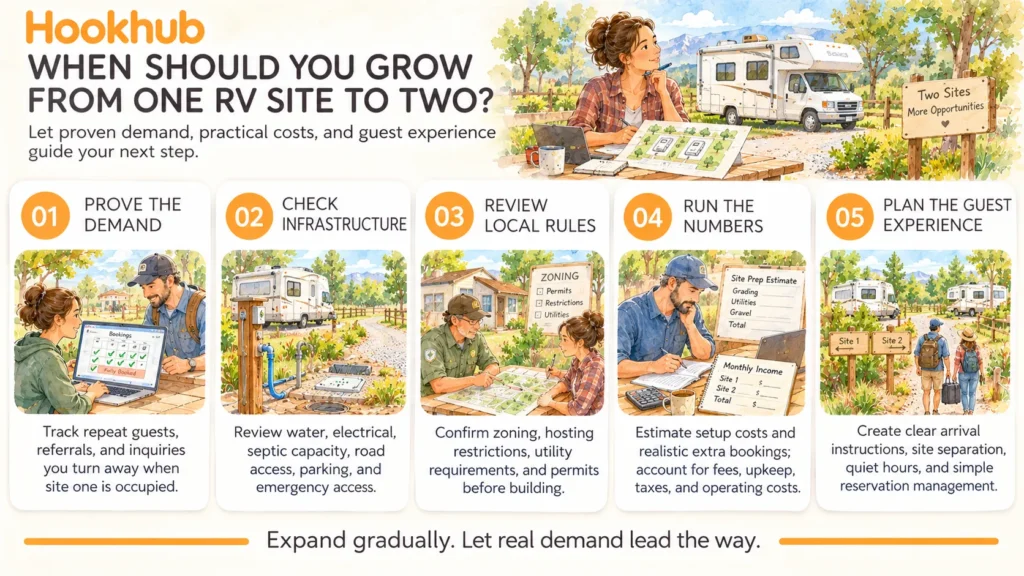
Keep track of how often you:
- Receive inquiries for already-booked dates.
- Turn away qualified guests because the site is unavailable.
- Have guests ask about extending a stay when another reservation is already scheduled.
- Fill your most desirable weeks or months well in advance.
If those situations happen repeatedly, you have evidence that a second site could capture bookings your property currently cannot accommodate.
This can be especially true for properties located near popular national parks and outdoor recreation destinations.
Pay particular attention to your property’s strongest season. A site does not need to be full year-round for expansion to make sense if you’re consistently running out of availability during the months when demand is highest.
You’re Receiving Repeat Guests
Repeat reservations are one of the strongest indicators of a healthy hosting operation.
When RV travelers choose to return, they’re confirming that your property delivers a positive experience.
Repeat visitors reduce marketing uncertainty because they already trust the location, understand the rules, and know what to expect.
A second site allows you to accommodate more guests while building on that existing reputation.
Guests Refer Other Travelers
Word-of-mouth remains one of the most powerful forms of marketing.
When guests tell other RVers about your property, they are effectively validating your site’s appeal.
If you regularly hear comments such as:
- “A friend recommended this place.”
- “We heard about your property from another traveler.”
- “Someone we met on the road suggested staying here.”
you may be seeing demand that exceeds your current capacity.
Guests Request Dates That Are Already Booked
Pay attention to reservation inquiries.
If potential guests frequently contact you about dates that are no longer available, it may indicate that demand exceeds supply.
A second site creates flexibility without requiring a full-scale expansion into a commercial campground operation.
Can Your Infrastructure Support a Second Site?
Demand alone does not justify expansion.
Before investing in a second site, it’s worth reviewing the key infrastructure considerations that support successful long-term stays.
Before creating another site, evaluate whether your infrastructure can realistically support additional guests.
Water Supply
A second site means additional water usage.
Consider:
- Well capacity
- Water pressure
- Peak usage periods
- Seasonal water availability
Properties with limited water resources may need upgrades before accommodating additional RVs.
Electrical Capacity
Electric hookups are one of the most requested amenities among RV travelers.
Understanding the differences between hookup configurations can help landowners determine which setup best supports future growth.
If both sites will offer hookups, verify that your electrical system can safely support simultaneous usage.
Questions to ask include:
- Is 30-amp service available?
- Is 50-amp service available?
- Can both sites operate during peak demand?
- Will additional circuits be required?
A licensed electrician can help determine whether upgrades are necessary.

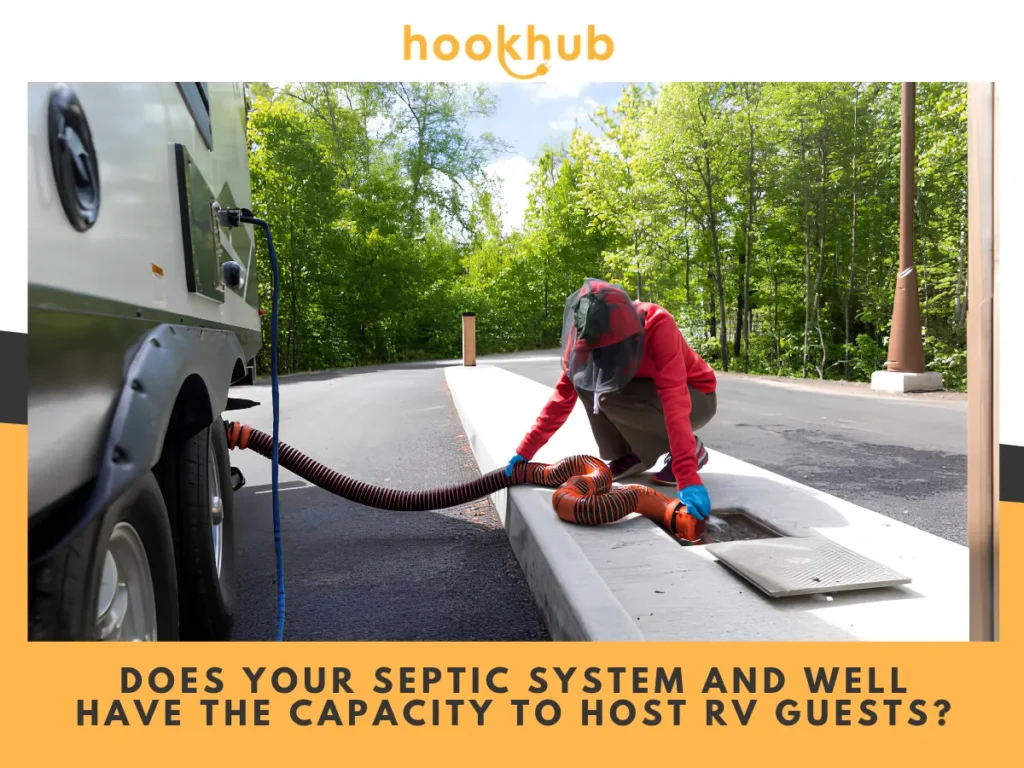
Septic and Sewer Capacity
This is one of the most commonly overlooked considerations.
A septic system designed for a household may not automatically support multiple RV sites.
For example, a landowner may successfully host one RV for months without any noticeable issues and assume a second site will work just as well. However, once both sites are occupied during a busy weekend or a long-term stay period, increased wastewater flow can place unexpected stress on the septic system.
What worked comfortably for one guest may require upgrades when supporting two households worth of daily usage.
Additional wastewater from showers, sinks, and toilets can significantly increase demand on the system.
Before expanding, evaluate:
- Septic tank capacity
- Drain field performance
- Daily wastewater flow
- Long-term usage expectations
A professional inspection can help determine whether your current setup can safely support multiple guests.
Road Access and Parking
Two sites also mean more vehicle movement.
Consider:
- Entrance width
- Turning radius
- Parking areas
- Emergency access
- Traffic flow
What works comfortably for one RV may become difficult when two large rigs arrive during the same weekend.
Local Regulations
Adding a second site may trigger different zoning classifications, permit requirements, or local regulations.
Rules vary significantly by location.
Reviewing guidance from your local zoning office can help clarify requirements before expansion begins.
Before investing in expansion, confirm:
- Zoning compliance
- Hosting restrictions
- Utility requirements
- Permit obligations
A short conversation with local officials can prevent costly surprises later.
Many landowners assume that if one RV site is permitted, a second site will automatically be allowed as well. In reality, adding another site can change how local authorities view the property and may introduce additional requirements.
Is RV Hosting on Private Land Legal? What to Know Today explains some of the most common zoning, permit, and compliance considerations hosts should review before expanding.
Long-Term Stays vs. Overnight Reservations
Not all hosting models create the same workload.
One of the advantages of adding a second site is the opportunity to target longer stays.
Long-term guests often create:
- More predictable income
- Fewer check-ins and check-outs
- Reduced turnover
- Lower marketing demands
- More consistent occupancy
A site occupied by one guest for 60 days generally requires less ongoing management than eight separate weekend reservations.
For many landowners, a second site becomes most profitable when it is positioned for monthly stays rather than frequent overnight bookings.
This approach also aligns with growing demand from remote workers, retirees, snowbirds, and travelers seeking flexible housing options.

Test Demand Before You Build
Before spending money on site two, look back at your actual hosting activity from the first site.
For the past six to twelve months, estimate:
Turned-away stays: How many legitimate inquiries or booking opportunities did you lose because your site was already occupied?
Potential nights: Roughly how many additional occupied nights could a second site have captured?
Likely rate: What would those stays have earned at your existing pricing?
For example, if you turned away three month-long guests during your busiest season and your typical monthly rate is $700, that represents roughly $2,100 in potential bookings your existing site could not accommodate.
That does not guarantee a second site will earn $2,100 next season. But it gives you a much stronger basis for an expansion decision than simply assuming another site will attract guests.
If you rarely turn people away, consider continuing to improve and market site one before investing in site two.
The Financial Side of Adding a Second Site
Before expanding, it’s important to understand both the costs and potential returns.
The exact numbers vary depending on your property, but common expenses include:
- Site preparation
- Gravel installation
- Utility extensions
- Electrical hookups
- Water connections
- Signage
- Permits
- Landscaping
Some hosts create a second dry-camping site for less than $2,000.
For example, a host may initially budget only for gravel and signage, only to discover that adding a second site requires electrical upgrades or septic improvements.
These costs do not necessarily make expansion a bad idea, but they can significantly affect how quickly the investment pays for itself.
Others invest significantly more to provide full hookups and premium amenities.
One of the biggest decisions landowners face during expansion is whether site two actually needs full hookups from day one. While hookups can increase appeal for some RV travelers, they also increase installation costs and ongoing maintenance requirements.
Many successful hosts start with a simpler setup and upgrade later once demand is proven. If you’re weighing that decision yourself, Can I Start RV Hosting with Just a Gravel Pad, or Do I Need Full Hookups?
takes a closer look at how different site configurations affect guest expectations, utility requirements, and upfront investment.
The key question is not simply
“How much will site two cost?” It is
“How much additional booking income can this investment realistically create?”
Suppose preparing a basic second site costs $3,000. Based on the demand you’ve already observed, you believe it could generate about $700 per month during a five-month busy season.
That would represent about $3,500 in gross booking revenue during the season, before operating expenses, taxes, platform fees, maintenance, and other costs.
A $10,000 infrastructure project serving the same level of demand would have a very different payback period.
Running that comparison before construction helps you match the size of the investment to the amount of demand you’ve actually proven.
Landowners considering larger infrastructure projects may also find useful planning resources through USDA Rural Development programs.
Creating a Better Guest Experience With Multiple Sites
Adding a second site changes more than your occupancy numbers.
It changes the guest experience.
Think about how guests will interact with the property.
Questions worth considering include:
- Will guests share amenities?
- Are arrival instructions clear?
- Can guests easily identify their site?
- Are quiet hours clearly communicated?
- Is there enough separation between sites?
Small operational improvements often have a greater impact than expensive upgrades.
Clear signage, thoughtful site placement, and effective guest communication can dramatically improve satisfaction.
Where Hookhub Fits Into Growing From One Site to Two
As hosting operations grow, organization becomes increasingly important.
Managing multiple sites requires tracking availability, responding to inquiries, coordinating arrivals, and maintaining accurate listing information.
Many landowners use Hookhub as a structured hosting system that allows them to manage multiple sites while maintaining flexibility.
Landowners who are ready to expand beyond a single site can explore how to become a Hookhub host and manage multiple listings from one account.
Rather than creating a complex campground operation, hosts can expand gradually and manage each site individually.
Hookhub can help landowners:
- Manage separate site availability
- Maintain accurate listing information
- Communicate with guests
- Adjust pricing strategies
- Support long-term stays
- Simplify reservation management
This structure allows hosts to focus on providing a positive experience while maintaining control over how quickly they expand.
How to Know You’re Truly Ready
Before creating a second site, ask yourself:
- Is my first site performing consistently?
- Do I have evidence of ongoing demand?
- Can my infrastructure support additional guests?
- Have I reviewed local regulations?
- Can I maintain a positive guest experience for multiple sites?
If the answer to these questions is yes, expansion may be a logical next step.
Growth does not have to happen all at once.
Many successful hosts add one site, evaluate performance, make adjustments, and then decide whether additional growth makes sense.
That approach reduces risk and supports sustainable long-term success.
Frequently Asked Questions
How many acres do I need for two RV sites?
There is no universal acreage requirement. Layout, privacy, access, and infrastructure often matter more than total land size. Many properties can comfortably support two sites with proper planning.
Do I need a permit for a second RV site?
Permit requirements vary by county and state. Some jurisdictions allow multiple sites without additional approvals, while others may require permits or zoning review.
Should my second site have full hookups?
Not necessarily. Many hosts begin with a dry-camping site and add hookups later if demand supports the investment.
How far apart should two RV sites be?
The ideal distance depends on the property layout, but maintaining privacy and minimizing noise should be priorities whenever possible.
Is adding a second RV site worth it?
For many landowners, yes. When supported by demand and adequate infrastructure, a second site can increase revenue while making better use of existing property resources.
Final Thoughts
Growing from one RV site to two is not simply about adding another parking space.
It’s about recognizing demand, understanding your property’s capabilities, and creating an experience that remains enjoyable for guests while generating sustainable income for the landowner.
The most successful hosts do not expand because they are chasing growth. They expand because their first site has demonstrated that demand exists, their infrastructure can support additional guests, and their property is ready for the next step.
When those factors align, adding a second site becomes less of a gamble and more of a strategic decision that can strengthen your hosting operation for years to come.