
If you’re a landowner thinking about turning your property into an RV hosting income stream, this is usually the first big question.
Do you need full hookups right away, or can you start simple?
The short answer is yes, you can absolutely start with just a gravel pad.
But whether that’s the right move depends on your goals, your land, and the type of income you’re trying to build.
Many landowners assume they need to install full hookups—water, sewer, and electric—before they can accept their first guest. In reality, that assumption often delays getting started and leads to unnecessary upfront costs.
This isn’t about choosing the “best” setup.
It’s about choosing the right starting point that allows you to:
- start earning sooner
- understand your demand
- and scale your setup based on real usage
Key Takeaways
- You can start RV hosting with just a gravel pad, especially for dry camp setups
- Full hookups are not required at the beginning, but they expand your long-term earning potential
- Your setup directly determines the type of guest you attract
- Water, power, and waste can be handled without full infrastructure if expectations are clear
- A phased approach reduces risk and prevents overbuilding
- Platforms like Hookhub help match your setup with the right type of guest
Understanding What RV Guests Actually Expect
RV travelers don’t all expect the same thing—and this is where many landowners get confused.
Some guests:
- expect full hookups
- want unlimited water usage
- rely on constant power
Others:
- are fully self-contained
- manage their own tanks
- prioritize quiet, space, and privacy over amenities
The key is not trying to serve everyone.
The key is:
👉 matching your setup with the right guest
If your listing clearly communicates:
- what you offer
- what you don’t
- and how the site works
you will attract guests who are prepared for that environment.
Many experienced RVers actively look for sites without full hookups, especially when camping in quieter locations similar to U.S. National Parks or State Parks, where resource management is part of the experience.
For them, a gravel pad is not a downgrade.
It’s often preferred.
Gravel Pad Hosting: A Legit Starting Point
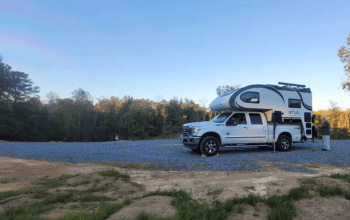
Starting with a gravel pad is not a compromise—it’s a strategic entry point.
You’re offering a space for guests who already understand how to operate independently.
These guests manage:
- Fresh water stored in their tank
- Grey and black tank capacity
- Battery systems and propane usage
- Dumping at nearby stations
They often use strategies like:
- navy showers
- controlled water usage
- extending tank life intentionally
For these RVers, your site:
👉 fits their lifestyle
👉 doesn’t need to “replace” a campground
The Trade-Off: Who You Attract (and Who You Don’t)
The difference between a gravel pad and full hookups isn’t just infrastructure.
It’s behavior.
Gravel Pad Setup Attracts:
- RVers comfortable with dry camping
- Travelers with solar or battery systems
- Guests staying shorter durations or managing resources carefully
- People prioritizing privacy and space
Full Hookup Sites Attract:
- Guests expecting daily shower use
- Longer stays with higher water usage
- RVers reliant on constant power
- Guests looking for convenience over simplicity
This is not about limiting your income.
It’s about:
👉 choosing your starting market intentionally
What You Actually Need to Offer
Even without full hookups, a good hosting setup still requires thought.
A gravel pad alone is not enough—you need a functional site.
Focus on:
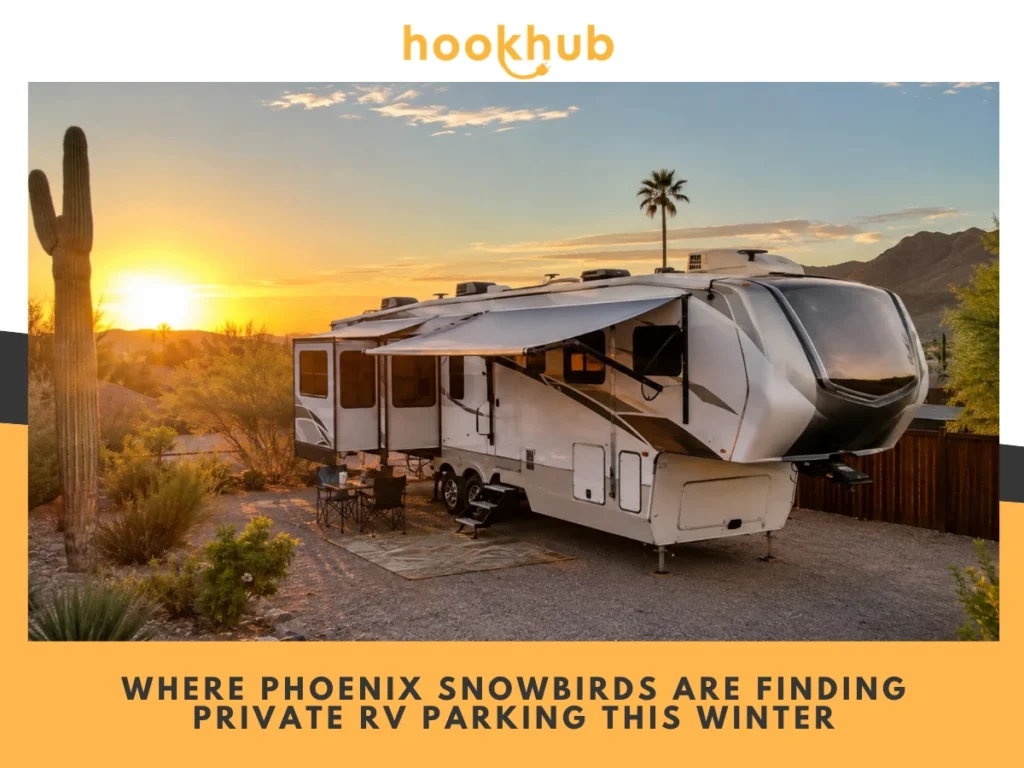
- A stable, well-compacted gravel pad
- Clear entry and exit paths for larger rigs
- Enough turning space (this is often overlooked)
- Defined parking orientation
- Drainage (especially important after rain)
Operational Details That Matter
Small details make a big difference:
- Clear instructions before arrival
- Where to park exactly
- Where to turn around
- Where not to drive
These prevent:
- property damage
- guest frustration
- unnecessary communication
Water and Waste Clarity
Even without hookups, you should clearly define:
- whether water is available
- how guests can refill
- where the nearest dump station is
Providing guidance—even without infrastructure—improves the guest experience significantly.
You can reference directories like RV Dump Stations to help guests plan ahead.
For safe water and waste practices, resources like Centers for Disease Control and Prevention offer helpful sanitation guidance that can support your setup decisions.
The RV hosting development guide breaks down how to support guests with flexible water, power, and waste solutions while keeping your setup simple and scalable.
Download the guide to plan your RV setup and avoid costly upgrades too early.
Smart Alternatives to Full Hookups
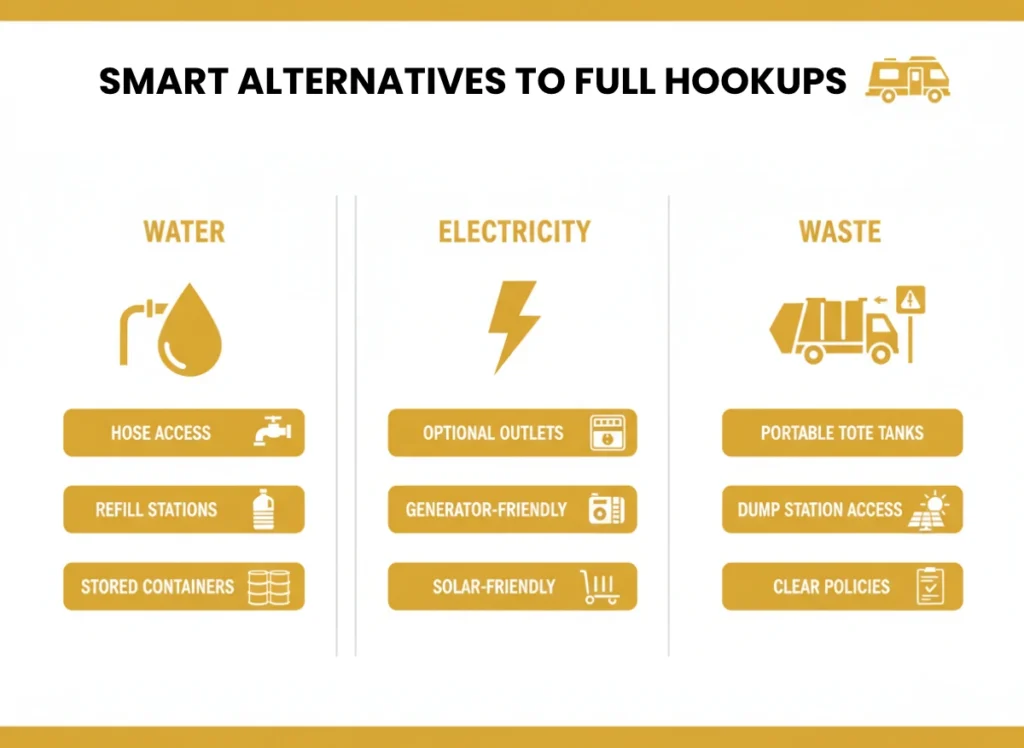
You don’t need to jump straight into trenching utilities.
There are flexible ways to support guests:
Water
- Hose access
- Refill stations
- Stored water containers
Electricity
- Optional outlets (if available)
- Generator-friendly setup
- Solar-friendly environment
Waste
- Even something as simple as guiding guests to reliable dump stations can significantly improve their experience. You can reference directories like RV Dump Stations to help guests plan ahead.
- Portable tote tank usage
- Clear “no dumping” policies
These solutions allow you to:
👉 operate immediately
👉 learn guest behavior
👉 delay large capital investments
For safe sanitation practices, resources like the CDC can provide guidance.
This RV hosting development guide also explains how to scale these systems responsibly.
Where Hookhub Fits Into This Setup
This is exactly where Hookhub becomes a strong advantage.
Instead of waiting until you have full hookups, you can start hosting now while keeping everything organized and professional.
Hookhub helps you:
- Connect with the right RV guests based on your setup
- Clearly present whether you offer full hookup or dry camp options
- Manage bookings, communication, and expectations
- Build a system that supports growth without pressure
You’re not guessing what to build. You’re learning from real bookings and improving with direction.
Download the RV hosting development guide to understand when to upgrade your setup and how to expand based on real booking demand.
What It Actually Does in This Context
- Connects you with RVers who are comfortable with your setup
- Allows you to clearly define “dry camp” vs “full hookup”
- Reduces mismatched expectations before booking
- Helps you manage longer-term stays without confusion
This is particularly important for:
👉 30–90 day stays
Because:
👉 small misunderstandings become big issues over time
When It Makes Sense to Upgrade to Full Hookups
Upgrading should be driven by demand—not assumption.
Clear Signals to Upgrade:
- Guests repeatedly ask for hookups
- You see longer booking durations
- Tank limitations become a frequent issue
- You want to increase pricing or expand your market
Important Consideration
Adding hookups is not just:
👉 installing utilities
It’s:
👉 committing to a different type of guest
And a different operational model.
A Smarter Way to Build Your RV Hosting Income
The most effective RV hosts don’t start with everything.
They start simple, avoid common pitfalls, and improve over time. Understanding RV hosting mistakes new landowners should avoid can save you from costly upgrades that don’t actually increase bookings.
Then they expand.
What Most People Get Wrong
They:
- install too much too early
- assume demand
- build based on “what campgrounds have”
Instead of:
👉 what their land actually needs
Conclusion
You don’t need full hookups to start RV hosting.
A well-prepared gravel pad is enough to welcome the right kind of camper, generate income, and give you real insight into how your land performs. If you’re curious about potential returns, here’s a breakdown of how much you can earn from RV hosting based on different setup levels.
From there, you scale with purpose.
The goal is not to build everything at once. It’s to build the right setup, at the right time, based on real demand.
Use this RV hosting development guide to get a clear, step-by-step plan for starting simple and scaling your RV hosting setup with confidence. It walks you through layout, utilities, pricing, and how to grow without overspending.
FAQ
Can I host RVs without a sewer connection?
Yes. Many RV campers manage black tank and gray water independently and use a dump station when needed.
How long can RV guests stay without hookups?
It depends on tank capacity, gallons of fresh water available, and water usage habits. Many can comfortably stay several days without hookups.
Do I need electricity to start RV hosting?
No. Many RVs rely on battery systems, propane, or generators, especially for short stays or dry camp setups.
Will I earn less without full hookups?
Not necessarily. You may attract a different type of guest, but demand for simpler campsites is growing.
When should I invest in full hookups?
When guest demand, longer stays, and booking patterns clearly support the upgrade.