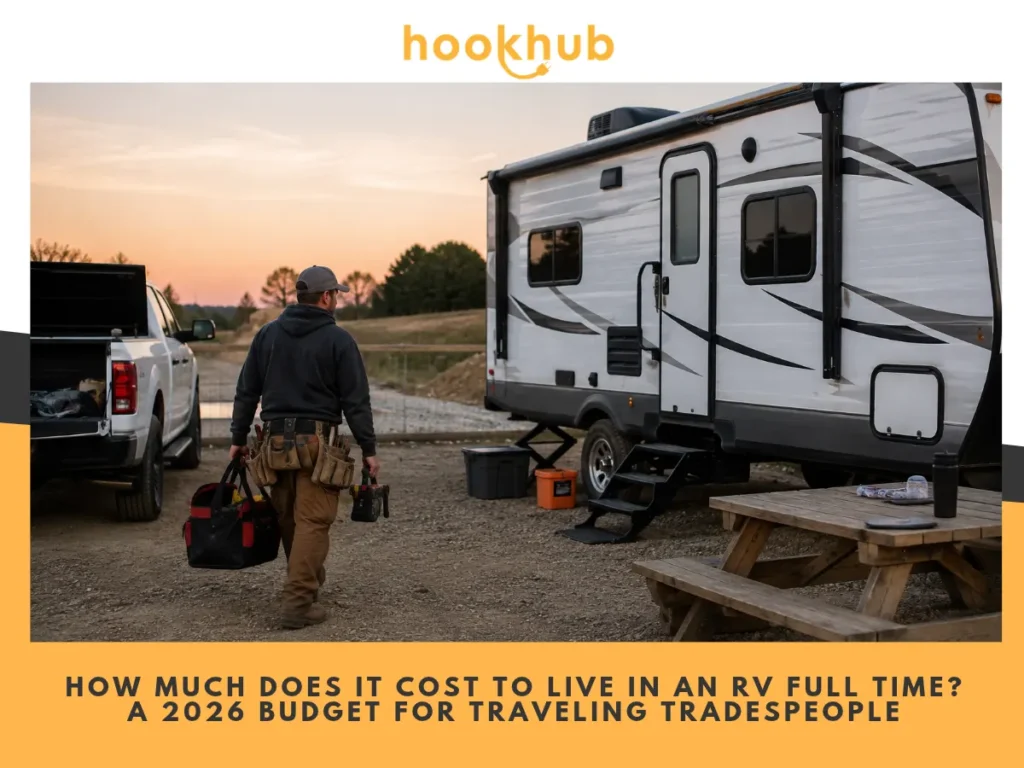

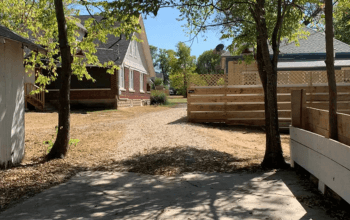
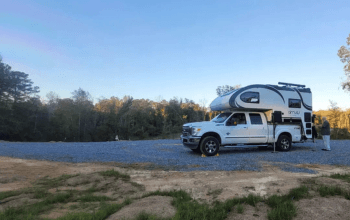
For a traveling tradesperson, living in an RV can solve one of the biggest problems that comes with taking jobs far from home: where to live without spending your entire per diem on accommodation.
Instead of paying for an extended-stay hotel or moving between nightly campgrounds, a travel trailer or motorhome can become a house on wheels that follows the work. The catch is that RV living isn’t free. Fuel, campground fees, insurance, repairs, utilities, internet, propane, and the cost of keeping the RV on the road all have to fit somewhere in the monthly budget.
So, how much does it actually cost to live in an RV full time?
For many full-time RVers, a realistic baseline is roughly $1,500 to $3,000 per month, although the true cost can move significantly higher depending on the RV, travel pace, campground choices, financing, and lifestyle. A more comfort-focused setup can cost substantially more.
For traveling tradespeople, though, there’s another variable that can make a major difference: where you park your RV for the duration of the job.
Why More Traveling Workers Are Looking at RV Living
Traveling electricians, welders, pipefitters, construction workers, utility crews, mechanics, and other skilled tradespeople routinely move wherever the work is.
A project might last six weeks, three months, or longer. The worker may be hundreds of miles from their usual home, with a per diem intended to cover lodging and meals.
That creates a basic housing problem.
An extended-stay hotel provides convenience, but the nightly or weekly rate can consume a large portion of the allowance. A traditional apartment may require a security deposit, application process, and lease that doesn’t match the length of the job. A nightly campground provides flexibility, but paying campsite fees every night becomes expensive during a long assignment.
An RV changes the equation because the accommodation moves with you.
You can take a travel trailer or motorhome to the next job, stay for the length of the contract, and then move again without signing another apartment lease every time the work changes.
That’s the appeal of full-time RV living for workers. It isn’t necessarily about chasing the freedom of the open road every morning. Sometimes it’s simply a practical way to keep housing costs predictable while following the work.
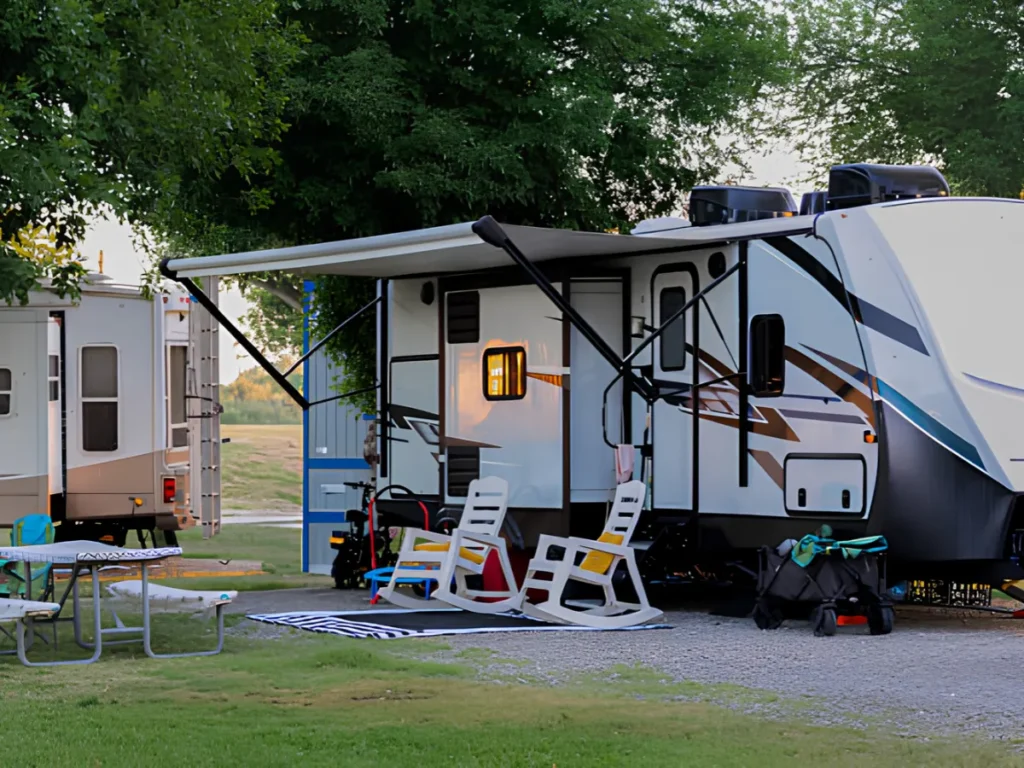
How Much Does It Cost to Live in an RV Full Time?
There isn’t one universal number because RV cost of living depends heavily on how you travel.
Someone living simply in a paid-off travel trailer, staying on private land and moving only a few times a year, can spend considerably less than someone financing a new Class A motorhome, staying at RV resorts, and driving hundreds of miles every week.
For a traveling tradesperson, a reasonable starting point is to think about the budget in categories rather than one monthly number.
Your total living expenses may include:
RV parking: the monthly or nightly cost of your campsite or private land site.
Fuel: gasoline or diesel for the RV and the truck used to tow a travel trailer.
Insurance: RV insurance, plus vehicle insurance where applicable.
Utilities: electricity, water, sewer, propane, and other site-related costs.
Internet and connectivity: cellular data, hotspot plans, routers, or satellite service.
Food and household expenses: groceries, meals, laundry, toiletries, and other normal living costs.
Maintenance and repairs: tires, plumbing, appliances, roof seals, water leaks, tanks, batteries, and unexpected mechanical problems.
RV payment: if the RV is financed rather than owned outright.
Health insurance and personal expenses: costs that exist regardless of where you live.
A useful way to estimate your own number is to use the RV Living Cost Calculator to build a budget based on your rig, travel frequency, parking choices, fuel use, utilities, insurance, connectivity, and expected repairs.
The key is to build your budget around your actual RV lifestyle, not someone else’s version of it.
Example Monthly RV Budget for a Traveling Tradesperson
A worker who already owns a travel trailer and stays mostly in one place for each assignment might build a monthly budget like this:
| Expense | Example Monthly Cost |
|---|---|
| Long-term RV site | $800 |
| Electricity and propane | $150 |
| Internet and cellular service | $125 |
| RV and vehicle insurance | $175 |
| Maintenance and repair reserve | $150 |
| Fuel for moving the RV | $100 |
| Groceries and household expenses | $500 |
| Example total | $2,000/month |
This is an example, not a standard RV budget. A financed RV would add a monthly payment, frequent travel would increase fuel costs, and campground rates vary dramatically by location and season. Health insurance, truck payments, debt, entertainment, and other personal expenses would also need to be added based on the individual.
The value of building the budget this way is that it shows which expenses actually change with the RV lifestyle. Parking, travel frequency, RV financing, and maintenance can move the total significantly even when everyday expenses such as food remain relatively stable.

Why Parking Is One of the Biggest RV Living Costs You Can Control
If you're living in an RV full time, you need somewhere to park it.
That sounds obvious, but the type of site you choose can have a major effect on your monthly costs.
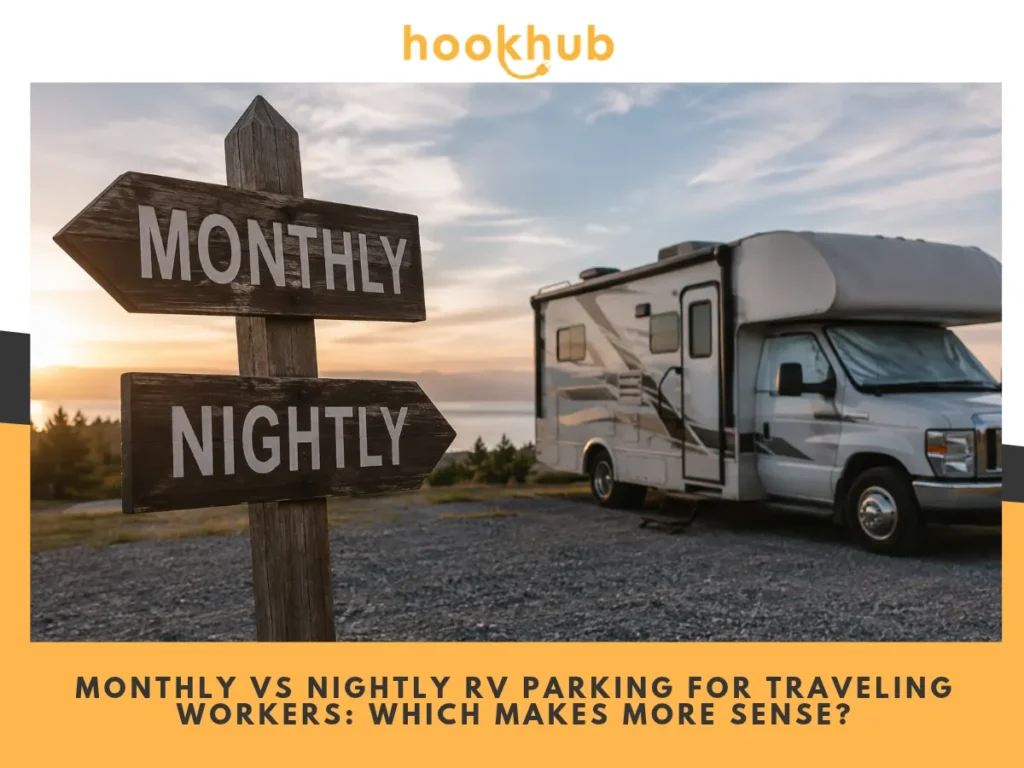
A nightly campground charging $60 per night costs approximately $1,800 for 30 nights. Add utility charges, taxes, and other fees, and the monthly cost can climb further.
An RV resort may cost even more, particularly in high-demand locations or peak seasons.
Monthly RV sites change the calculation because the price is based on a longer stay rather than individual nights. Private land can provide another alternative, particularly for traveling workers who need to stay for several weeks or months.
For a closer look at how campground costs vary by location and stay type, compare the total monthly expense rather than focusing only on the advertised nightly rate.
This is where long-term RV parking becomes more than a convenience. It becomes a budgeting strategy.
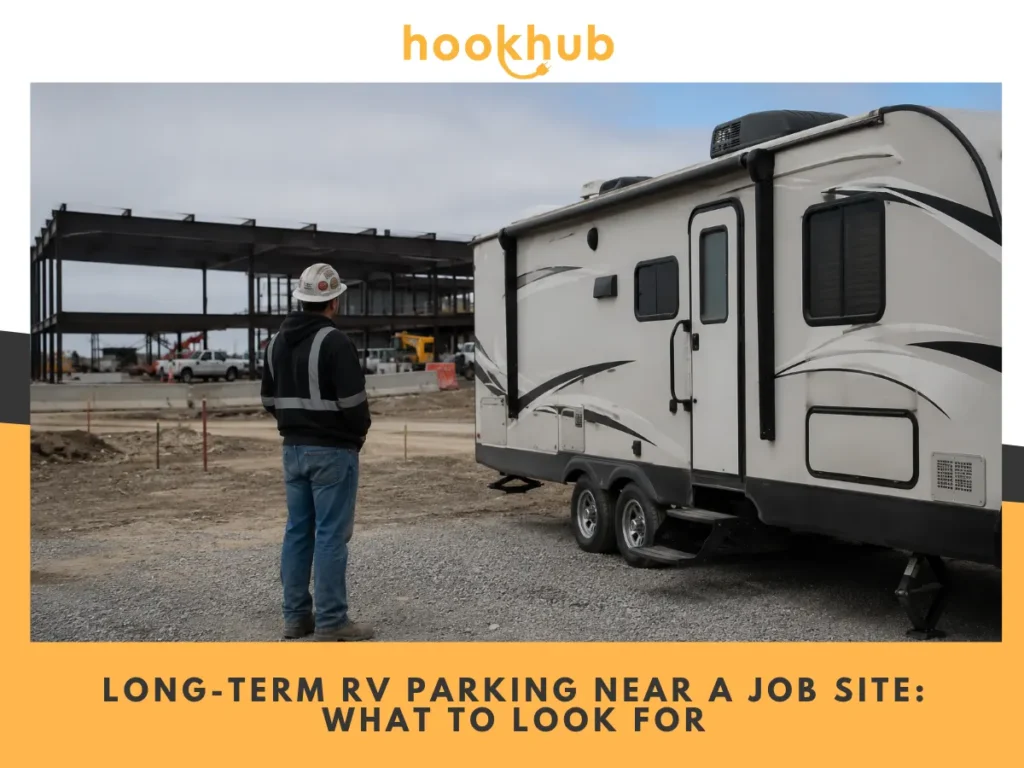
Instead of paying to move between campsites every few nights, a worker can stay in one place for the duration of a job assignment.
That reduces campground fees, towing, setup time, and the temptation to move simply because the next nightly reservation is ending.
Private Land Can Make Long-Term RV Living More Practical
Private land RV parking occupies an interesting middle ground between traditional campgrounds and boondocking.
Boondocking can dramatically reduce campsite costs because there may be little or no site fee on qualifying public land. But it also means dealing with limited or nonexistent hookups, water management, battery capacity, and dump-station logistics.
That's workable for some RVers.
It isn't always practical for someone who has to leave for a job site at 5:30 or 6 a.m.
A traveling tradesperson staying eight weeks may value a private RV site with water and electricity more than a free campsite that requires frequent tank dumps or additional generator use.
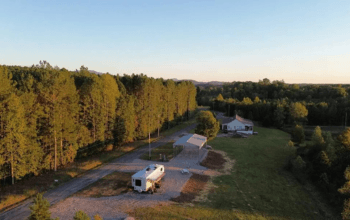
Private land can also provide something that public camping often can't: a place to stay for the length of the assignment, subject to local rules and the host's terms.
Public campgrounds, state parks, and Bureau of Land Management areas can have stay limits. For example, the BLM notes that dispersed camping is generally limited to 14 days within a 28-day period, although specific limits vary by location.
Those limits can work well for recreational travelers but become inconvenient when a work contract lasts six, eight, or 13 weeks.
A private land arrangement may allow a worker to stay in one place for the duration of the job instead of moving every couple of weeks.
That's why private land RV parking can be worth considering when the priority is stability, proximity to work, and a longer stay rather than resort-style amenities.
Don't Forget the RV's Purchase Price or Monthly Payment
It's easy to calculate campsite costs and forget that the RV itself is part of the cost of living.
If you purchase a new RV, the monthly payment can become one of your largest fixed expenses. Financing a motorhome or travel trailer also means accounting for interest, insurance, registration, and depreciation.
A used RV with a lower purchase price can reduce the monthly financial burden, but an older rig may require more maintenance and repairs.
Neither option is automatically better.
The right choice depends on how long you plan to live in the RV, how often you'll move, whether the RV will be used primarily for work, and how much cash you want tied up in the purchase.
For someone testing the RV lifestyle, buying the biggest or most luxurious motorhome available may create unnecessary financial pressure.
For someone planning to live full time for several years, investing in a rig that meets their needs may make more sense.
The important thing is to include the RV's purchase price, financing, depreciation, insurance, and maintenance when calculating the true cost of RV living.
Fuel Can Quietly Eat Your Monthly Budget
Fuel is one of the biggest variables in RV life.
A worker who parks near the job site and stays in one location for two months may spend relatively little on moving the RV. Someone who changes campsites every few days can burn through hundreds of dollars in fuel before realizing how much it has affected the monthly budget.
The same applies to the truck used to tow a travel trailer.
If the truck is also the daily job-site vehicle, fuel costs may be mixed between housing-related travel and ordinary transportation.
Your RV budget should account for both.
For a traveling tradesperson, staying in one place longer can therefore save money in two ways: lower parking costs and fewer miles driven.
Utilities: Electricity, Water, Sewer, and Propane
Utilities are another area where the advertised RV site rate doesn't always tell the complete story.
Some long-term RV parks include utilities in their monthly rate. Others meter electricity separately or charge based on usage.
Private land hosts may have different arrangements depending on the property.
Electricity can become particularly important during extreme weather. Heating and air conditioning can significantly increase power consumption, especially when you're living in the RV every day rather than using it for weekend trips.
Water and sewer also matter.
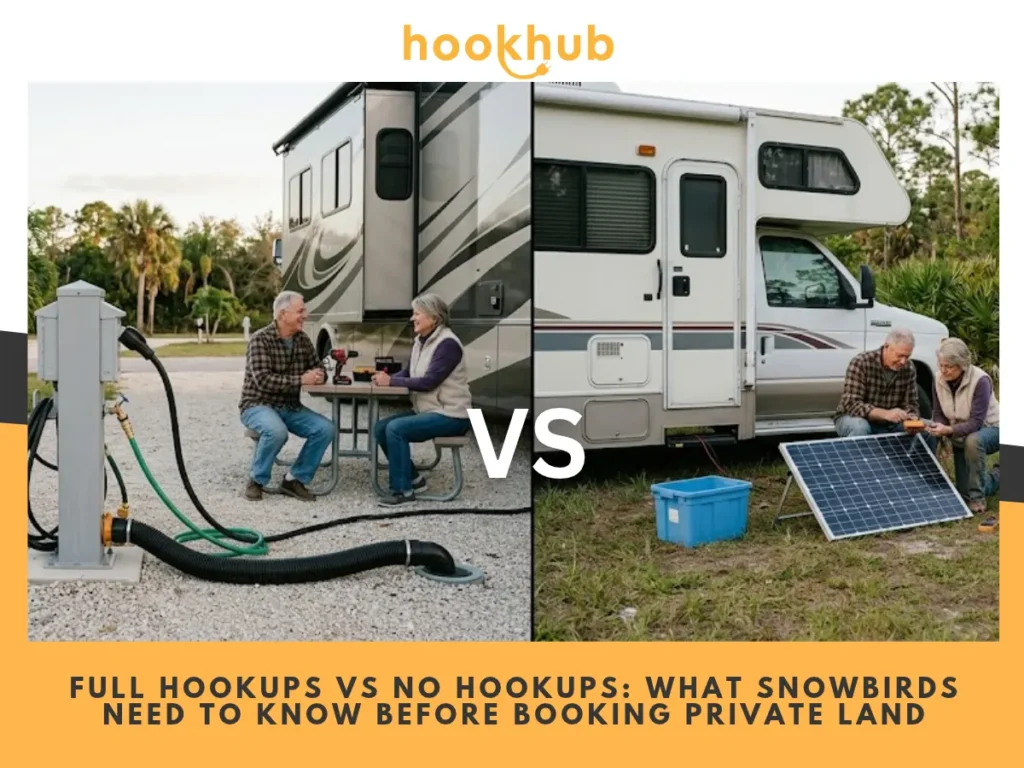
A full hookup site with direct sewer access may cost more than a dry campsite, but the convenience can be worth it during an extended stay. Without sewer, you'll need to monitor your tanks and make regular trips to a dump station.
Propane belongs in the budget too, particularly for winter assignments.
The cheapest campsite isn't necessarily the cheapest place to live once you add the cost of managing its utilities.
Repairs Are Part of the Real Cost of RV Living
One of the biggest mistakes new full-time RVers make is budgeting for the predictable expenses while ignoring the expensive surprises.
RVs contain plumbing, electrical systems, appliances, tanks, seals, slide-outs, batteries, HVAC equipment, and other components that can fail.
A water leak that looks minor can become a much larger repair if it goes unnoticed. An appliance failure may require a service call. Tires eventually need replacement. Roof maintenance cannot be ignored.
A useful planning approach is to set aside money each year for maintenance, although the amount can vary considerably based on the rig's age, condition, mileage, and type.
That doesn't mean every RVer will spend exactly that amount.
It means your monthly budget should have some money reserved for repairs, because eventually something will break.
If you want to build a more detailed maintenance reserve, the RV repair budget guide is a useful companion to the overall cost calculation.
RV Insurance and Health Insurance Still Count
Living in an RV doesn't eliminate insurance costs.
If you're living full time, make sure your RV insurance actually reflects how you use the vehicle. A policy designed around occasional recreational use may not provide the same coverage as a policy designed for full-time living.
Health insurance is another major expense that has nothing to do with where your RV is parked.
Traveling workers should keep health coverage, vehicle insurance, RV insurance, and other recurring obligations in their monthly budget even when the job assignment is temporary.
The same goes for registration, licensing, memberships, phone service, subscriptions, and other recurring expenses.
The RV may be your home, but your entire cost of living doesn't disappear when you hit the road.

Reliable Internet Is Part of Modern RV Living
Connectivity is no longer an optional luxury for many RVers.
Traveling workers may need internet for timesheets, training, safety certifications, scheduling, payroll, communication with family, or managing the next assignment.
A reliable internet connection becomes even more important for anyone doing remote work while living full time in an RV.
Cellular hotspots can be enough for some people. Others may need a dedicated router, multiple carrier options, or satellite internet when working in rural areas.
Before choosing a private RV site, check the available cell carriers and ask the host about connectivity.
A beautiful piece of raw land isn't much help if you can't submit your timesheet from it.
Choosing the Right RV for Full-Time Work Life
The RV you choose affects nearly every other part of the budget.
A travel trailer generally requires a suitable tow vehicle, while a motorhome combines the living space and driving platform into one unit.
A Class A motorhome can provide substantial living space, but it may also come with a higher purchase price, fuel consumption, insurance cost, and maintenance burden.
A smaller travel trailer may have a lower entry cost while giving the worker more flexibility if they already own a capable truck.
The right choice depends on how you actually live.
If your truck needs to leave the property every morning for the job site, think carefully about whether the RV can remain parked while you use the truck independently. A motorhome may require additional transportation once it is set up, while a travel trailer can remain stationary while the tow vehicle handles daily driving.
That decision can affect both convenience and cost.
Can You Live in an RV Full Time Legally?
Yes, but where you park matters.
RV living laws and zoning rules vary by state, county, city, and property. A site that allows recreational camping may not necessarily allow someone to establish a permanent residence there.
The same applies to private land.
Before staying for several months, confirm that the property is legally allowed to accommodate the type and length of RV stay you're planning.
Residency is a separate issue. Full-time RVers may establish domicile in a state and use a mail-forwarding service, but the rules and implications can vary.
If you're making the RV your permanent home, treat the legal and financial side as seriously as the campsite selection.
Boondocking, RV Parks, Memberships, or Private Land?
There isn't one perfect parking strategy for every RVer.
Boondocking can be the cheapest option when you're comfortable managing water, electricity, propane, waste, and connectivity without hookups. Public lands managed by the Bureau of Land Management can provide low-cost camping opportunities, but rules, fees, and stay limits vary by location.
Commercial RV parks and RV resorts provide more amenities and infrastructure, including full hookups, pools, showers, laundry, and other facilities. They're convenient, but nightly campground fees can become expensive during long stays.
Membership programs such as Thousand Trails or Passport America can reduce the effective cost for some travelers, particularly those who move frequently and use participating campgrounds regularly. Membership fees, availability, location, and restrictions still need to be considered.
Private land RV parking can make particular sense for a traveling worker who wants to stay in one place for the length of a contract. The tradeoff is usually fewer resort amenities in exchange for a more focused arrangement around parking, utilities, privacy, and length of stay.
The best choice depends on whether you're optimizing for lowest cost, maximum convenience, amenities, mobility, or stability.
Building a Home Base Without Paying for an Empty Lease
Not every full-time RVer wants a completely nomadic lifestyle.
For traveling tradespeople, RV living can actually create a more flexible home base.
Instead of paying rent or a mortgage on a house that sits empty while you're away working, you can keep your home with you.
Some workers return to the same region between contracts. Others stay with the same private land host when work brings them back to an area.
This can be particularly appealing for retirees or semi-retired workers who take seasonal assignments. A familiar RV site can become an anchor while the job changes around it.
The benefit isn't simply lower housing costs.
It's flexibility.
You can stay for the length of one assignment, move when the contract ends, and avoid the twelve-month commitment that comes with a traditional lease.
For someone who may spend only a few months a year in one location, that difference can be substantial.
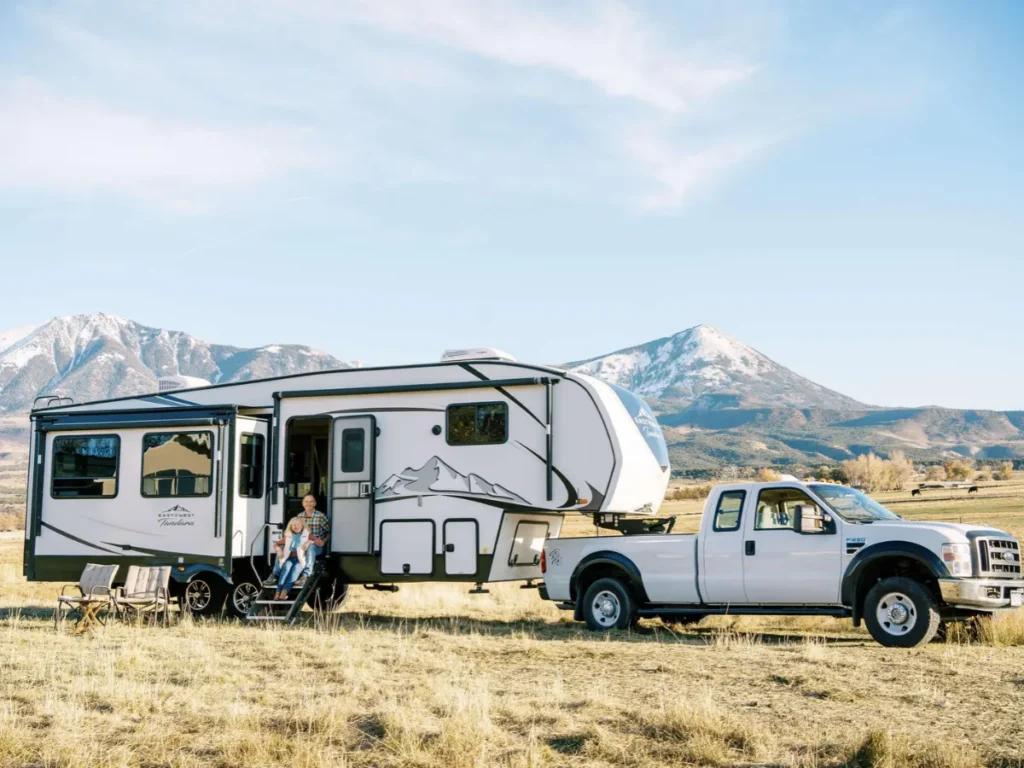
What Traveling Tradespeople Should Look for in a Long-Term RV Site
When your RV is your home during a work assignment, prioritize the things that affect your everyday routine.
Start with distance. A site close to the job can save both fuel and commuting time.
Check the hookups. Confirm whether you have water, electricity, and sewer, and find out whether utilities are included in the monthly rate.
Ask about internet. Check cellular coverage before assuming a rural property will work for your needs.
Confirm stay limits. Make sure the property can accommodate the entire length of your assignment.
Look at access. A large RV needs enough room to enter, turn, park, and leave without difficulty.
Ask about restrictions. Confirm rules concerning guests, pets, vehicles, generators, outdoor equipment, and other parts of daily RV living.
Compare the complete cost. A slightly more expensive site with full hookups near work may be cheaper overall than a cheaper site that requires extra fuel, dump-station trips, or a long commute.
That's the real goal: not finding the cheapest place to park your RV, but finding the lowest total cost for a workable life during the assignment.
Where Hookhub Fits Into the RV Cost-of-Living Equation
For a traveling worker, the biggest advantage of private-land RV parking isn't that every site is automatically cheap.
It's that it creates another option.
Instead of limiting the search to commercial RV parks, campgrounds, or public land, a worker can look for private property that fits the location, length of stay, utility needs, and budget.
That matters when the job is in an area where traditional accommodation is expensive or campground availability is limited.
Hookhub connects RV travelers with landowners who have private land available for RV parking. For a worker staying for a month or longer, that can provide a practical alternative to repeatedly booking nightly campsites.
The same logic applies to full-time RVers outside the trades. If you're trying to keep your RV cost of living manageable, parking is one of the categories worth comparing carefully because changing where and how long you stay can have a meaningful effect on your total monthly spend.
“For people living and working from their RV, where they park can make just as much difference as what they spend on the RV itself. The right place can turn a temporary work assignment into a sustainable way of living.”
For workers whose RV is their home, that problem is especially familiar. The question isn't simply where you can camp tonight. It's where you can realistically live, work, rest, and stay within budget for the length of the assignment.
FAQ
How much does it cost to live in an RV full time?
A practical starting range for many full-time RVers is around $1,500 to $3,000 per month, although the true cost can be lower or substantially higher depending on the RV, travel pace, campground choices, financing, fuel, insurance, repairs, and lifestyle.
Is it cheaper to live in an RV than rent an apartment?
It can be, but it isn't automatically cheaper. RV ownership includes expenses that renters don't have, such as fuel, repairs, insurance, campsite fees, and vehicle maintenance. The biggest savings often come when an RVer controls travel frequency and secures affordable long-term parking.
What is the biggest monthly expense in RV living?
For many full-time RVers, campground or parking costs and fuel are among the largest variable expenses. An RV payment can also become one of the largest fixed costs if the rig is financed.
Can you live in an RV full time on private land?
Potentially, but local zoning and property rules determine whether a particular stay is allowed. Always confirm that the land can legally accommodate your RV and the length of stay you're planning.
Is boondocking cheaper than private land RV parking?
Often, yes, because qualifying public-land camping may have little or no campsite fee. But boondocking requires you to manage water, electricity, waste, propane, and connectivity independently. For a worker with an early start and a long shift, a paid private site with hookups may be more practical.
How much should I budget for RV repairs?
There isn't one fixed number because RV age, type, mileage, and condition all matter. As a planning baseline, Hookhub recommends considering roughly 1% to 3% of the RV's purchase price annually for maintenance.
Do I need full hookups for full-time RV living?
Not necessarily. Some RVers live comfortably with partial hookups or boondock regularly. For a traveling worker staying in one place for several weeks, however, water and electricity can make daily life considerably easier, while sewer access reduces the need for frequent dump-station trips.
Can I use an RV as a home base between jobs?
Yes, provided the location and stay arrangement allow it. A long-term RV site can function as a temporary home base between contracts, especially when the worker wants to avoid maintaining a traditional rental while traveling for work.
What should a traveling worker budget besides the RV site?
Plan for fuel, insurance, repairs, utilities, propane, internet, food, health insurance, vehicle expenses, RV payments if applicable, registration, and an emergency reserve. The campsite is only one part of the true cost of RV living.
Final Thoughts
The true cost of living in an RV full time isn't just the price of the RV or the campsite.
It's the entire system that keeps your life on the road working.
For a traveling tradesperson, that means looking at the cost of parking, fuel, utilities, insurance, repairs, connectivity, food, and the RV itself. It also means considering how much money and time you can save by staying in one location for the length of a job instead of constantly moving between nightly campgrounds.
A simple travel trailer on private land near a job site can sometimes provide a much more predictable housing setup than an extended-stay hotel or a string of nightly campground reservations.
The goal isn't to make RV life artificially cheap.
It's to make the RV lifestyle financially sustainable.
Before hitting the road for your next assignment, calculate your expected monthly costs, decide what kind of hookups and connectivity you actually need, and compare long-term parking options near the work.
If private land makes sense for your budget and schedule, explore available RV parking locations and look for a place that can serve as your home base for the assignment.
A little planning before you leave can make life on the road feel a lot less like a financial gamble—and a lot more like a workable way to live.