
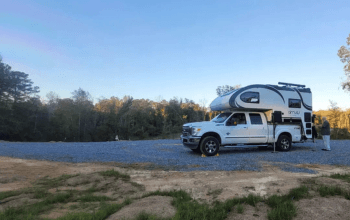
Every RV host eventually faces a decision that has less to do with bookings and more to do with long-term property management: should you stay open through the winter, or is it time to pause your listing until conditions improve?
Recent findings from the annual camping trends report show that camping and RV travel continue to attract millions of households each year. However, demand is not evenly distributed across every season, region, or type of property.
Understanding those seasonal patterns is an important part of deciding whether a temporary closure makes sense for your hosting operation.
For some hosts, winter is one of the busiest times of the year. Snowbirds heading south often search for peaceful, quiet places to stay for weeks or months at a time.
For others, colder weather brings frozen water lines, difficult road access, increased maintenance, and fewer reservation requests. In those situations, seasonal closures can be a smart and responsible choice.
Pausing your listing is not a setback. It is simply another part of operating a successful RV hosting property. The key is knowing when a closure makes sense, how to prepare your site, and how to position yourself for a successful return when the next camping season begins.
This guide walks through the practical side of seasonal closures so you can make informed decisions, protect your property, and maintain a positive guest experience throughout the year.
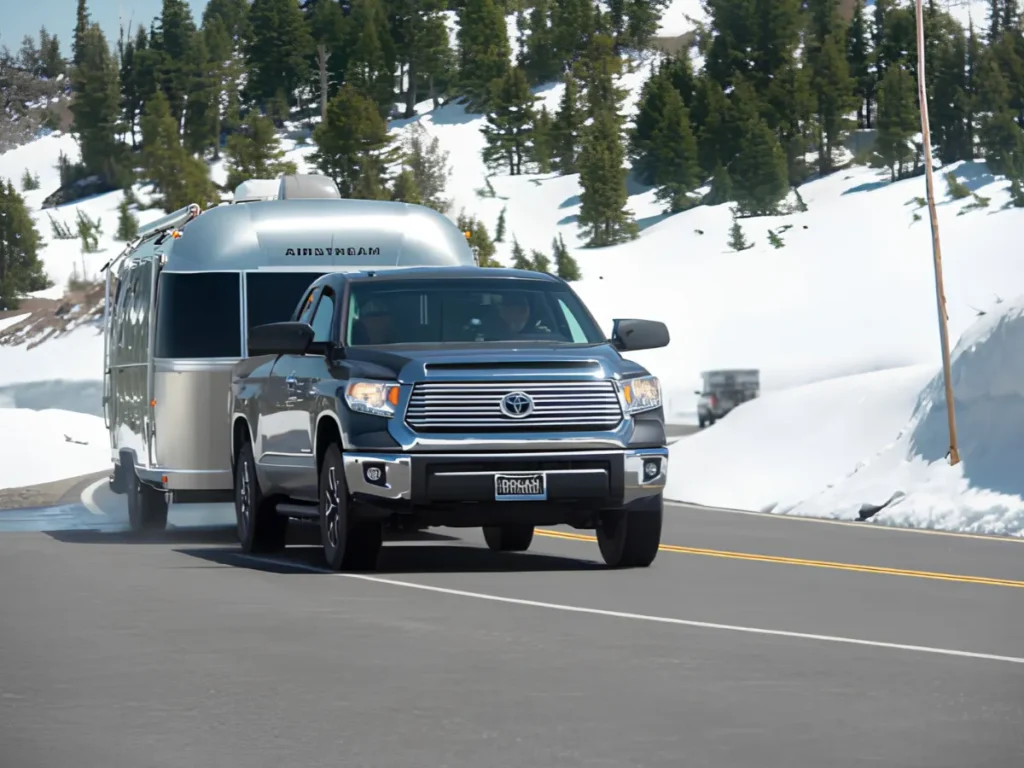
Know Whether Winter Is Actually Your Busy Season
One of the biggest mistakes new hosts make is assuming that winter automatically means fewer guests.
In reality, winter RV travel creates very different demand patterns depending on location. While campgrounds in colder regions may experience seasonal closures, properties in warmer climates often experience some of the highest occupancy levels of the year.
Snowbirds routinely travel south during the winter season, seeking comfortable temperatures and longer stays. Many RV travelers spend weeks or even months in destinations where they can avoid ice, snow, and freezing temperatures.
These guests often prioritize peaceful locations, reliable utilities, safe access, and the convenience of staying close to attractions, lakes, national recreation areas, and major travel routes.
Arizona is a perfect example. Communities throughout Phoenix, Mesa, Scottsdale, Queen Creek, and other parts of the state experience significant demand between November and March. Winter campers frequently look for long-term parking options that offer more flexibility and privacy than traditional campgrounds.
If your property is located in a region that attracts seasonal visitors, remaining open could provide valuable income opportunities during what many people assume is the off-season.
For example, a host in Arizona may experience increased demand from snowbirds throughout the winter, while a host in a northern state may find that frozen water lines and limited road access make a seasonal closure the more practical choice.
On the other hand, hosts in northern states, mountain regions, or areas with frequent freeze events may face a very different situation. Severe weather can increase maintenance costs, create safety concerns, and make it difficult to provide the experience guests expect.
The decision should not be based solely on the calendar. It should be based on demand, infrastructure, accessibility, and your ability to host safely.
Evaluate Whether Your Property Is Ready for Winter Hosting
Before deciding whether to stay open or close for the season, take an honest look at your property’s capabilities.
Many hosts are surprised to discover that winter hosting involves much more than simply keeping reservations available.
Ask yourself the following questions:
- Can guests safely access the property after snow, ice, or heavy rain?
- Are your water lines protected from freezing temperatures?
- Can your electric infrastructure support winter RV usage?
- Do you have a plan for handling weather-related issues?
- Can you respond quickly if a guest experiences a utility problem?
Properties designed for warmer seasons may require upgrades before they are suitable for cold-weather RV camping.
For example, a host may have no issues during summer and fall but encounter repeated challenges once temperatures begin to drop. Water systems become vulnerable, access roads deteriorate, and guests may require additional support to remain comfortable during extended stays.
Evaluating these factors honestly helps you make a decision that benefits both your guests and your property.
If your assessment reveals gaps in your infrastructure or guest accommodations, it may be worth addressing those areas before committing to another winter season of hosting.
Hosts who are still developing their setup may benefit from reviewing I Have 2 Acres of Unused Land—Can I Actually Make Money Hosting RVs?, which covers property preparation, reliable utilities, safe access, and the infrastructure needed to support long-term RV guests.

Stay Open or Pause? Look at These Four Signals
Before closing for the season, look at four parts of the operation together: demand, access, utilities, and economics.
Consider staying open when:
- You continue receiving inquiries or longer-stay requests during the season.
- Guests can reliably access the property despite seasonal weather.
- Water, electric, and other promised utilities can operate reliably.
- Expected booking income still makes sense after seasonal maintenance and operating costs.
Consider pausing when:
- Booking demand drops enough that keeping the property operational is difficult to justify.
- Snow, mud, flooding, or other seasonal conditions make RV access unreliable.
- Water or utility systems are not prepared for the conditions.
- Keeping the site guest-ready requires disproportionate maintenance or emergency support.
You do not need to make the same decision every year. Booking history, guest inquiries, weather patterns, and operating costs can give you better information each season.
A property with strong winter demand may justify investing in cold-weather improvements. A property with very little winter demand may be better served by closing temporarily and putting that investment toward the season when guests actually want to stay.
Understanding the Real Cost of Staying Open
Revenue is only one part of the equation.
Many hosts focus on potential income while overlooking the additional expenses that winter hosting can create.
A property that remains open during colder weather often requires:
- Additional utility monitoring
- Water line protection
- Snow and ice management
- Increased maintenance
- Emergency repair readiness
- Ongoing property inspections
For long-term guests, reliability becomes especially important. Someone staying for a weekend adventure may tolerate minor inconveniences.
A guest staying for several weeks expects dependable utilities and consistent access throughout their stay.
Consider a simple example.
A host accepts a month-long reservation from winter RV travelers. Midway through the stay, a hard freeze damages an exposed water connection. The repair requires emergency service, disrupts the guest experience, and creates unexpected costs.
The same thinking applies to routine seasonal costs. Suppose keeping a site open through winter adds roughly $250 per month in additional utility, snow removal, monitoring, or maintenance costs. If the site normally earns $900 from a monthly guest, winter hosting may still make financial sense when demand is reliable.
If the property receives only occasional winter bookings, those same operating costs can quickly consume much of the seasonal revenue.
The important number is not simply the winter nightly or monthly rate. It is what remains after the additional cost of keeping the property reliably guest-ready during that season.
Communicate With Guests Before Making Changes
Once you’ve decided to implement a seasonal closure, communication should become your first priority.
Guests appreciate clarity, especially when they are planning road trips, winter travel, or extended stays.
If you currently have long-term guests on your property, provide as much notice as possible before your planned closure date. Depending on local regulations, advance notice requirements may apply to longer-term occupancy arrangements.
For upcoming reservations, reach out directly rather than relying solely on automated messages.
A personal message demonstrates professionalism and helps preserve trust. Even if guests need to adjust their plans, they are often more understanding when communication is proactive and transparent.
This approach also increases the likelihood that guests will return once your property reopens.
Many experienced hosts find that clear communication during a closure strengthens their reputation more than simply remaining open under challenging conditions.
Prepare the Property Before You Pause Your Listing
A seasonal closure should be treated like a structured shutdown process rather than a simple calendar update.
The effort you invest before closing often determines how smoothly your next season begins.
Reviewing local winter weather forecasts before implementing a seasonal closure can help hosts prepare for extreme conditions, anticipate infrastructure challenges, and prioritize maintenance tasks before temperatures begin to drop.
Protect Water Lines and Plumbing Systems
Water lines are among the most vulnerable components of any RV hosting setup.
Understanding how water, sewer, and electrical systems support long-term guests can also help hosts identify potential weaknesses before winter arrives. For a deeper look at utility infrastructure, see Understanding RV Hookups for Private Landowners.
Freezing temperatures can cause extensive damage if systems are not properly prepared.
Before winter arrives:
- Drain exposed water lines
- Disconnect hoses
- Remove standing water
- Inspect fittings and valves
- Winterize vulnerable connections
A small amount of trapped water can expand during a freeze and create expensive repairs that may not become visible until spring.
Inspect Electric Infrastructure
Reliable electric service is one of the most important amenities for RV travelers.
Before closing for the season, inspect:
- Electrical pedestals
- Breakers
- Outdoor outlets
- Protective covers
- Service connections
Cold weather, moisture, and ice can affect equipment over time. Identifying issues early reduces surprises when you reopen.
Improve Site Access and Security
Even when your listing is inactive, your property should remain secure.
Review:
- Gates and locks
- Site signage
- Road conditions
- Drainage systems
- Visibility around the property
Clearly marking the site as temporarily closed can discourage unauthorized use while helping protect your infrastructure during the off-season.
Document the Site Condition
Many hosts overlook this step.
Taking photos before closing provides a useful record of the property’s condition. If weather, wildlife, or other issues create changes during the winter, you’ll have a baseline for comparison when reopening.
This documentation can also make it easier to update listing photos later.
Use Seasonal Downtime to Improve Your Hosting Operation
One of the biggest advantages of a seasonal closure is the opportunity to focus on improvements without the pressure of active bookings.
The quiet months can become some of the most productive months of the year.
Review guest feedback from the previous season.
Did guests mention unclear arrival instructions? Were there recurring comments about site access? Did visitors request additional amenities? Patterns in reviews often reveal opportunities for improvement.
Many successful hosts use downtime to:
- Upgrade electrical service
- Improve water infrastructure
- Add signage
- Enhance guest communication
- Improve site appearance
- Refresh listing photos
- Adjust pricing strategies
These improvements may seem small individually, but together they can create a noticeably better guest experience.
Hosts who consistently refine their properties often see stronger reviews, more repeat guests, and greater booking confidence.

Where Hookhub Fits Into Seasonal Closures
Managing seasonal closures becomes much easier when your listing, guest communication, and availability settings are organized in one place.
Many landowners use Hookhub as a structured hosting system that helps simplify the operational side of managing an RV property throughout the year.
Rather than manually tracking inquiries and availability across multiple channels, hosts can update their listing status, adjust availability, and communicate important information directly through their hosting workflow.
During a seasonal closure, Hookhub helps hosts:
- Pause availability when needed
- Maintain listing visibility
- Preserve reviews and hosting history
- Update guest-facing information
- Communicate reopening timelines
- Reduce misunderstandings with future guests
For landowners who want a more structured way to manage bookings, guest communication, and seasonal availability, becoming a Hookhub host can simplify many of the day-to-day aspects of RV hosting.
Plan Your Reopening Before You Close
One of the smartest things a host can do is create a reopening strategy before the property is even closed.
Too many hosts focus entirely on shutting down operations and give little thought to reopening.
Instead, establish a plan that includes:
- A target reopening date
- Infrastructure inspections
- Utility checks
- Updated pricing
- New photos
- Marketing activities
Many RV travelers begin planning their trips weeks or months in advance. Having your property ready early can help you secure reservations before competing sites become fully booked.
Current RV ownership statistics also show continued interest in RV travel across multiple age groups, reinforcing the importance of preparing your property before demand begins to increase.
A proactive reopening strategy also helps create momentum at the beginning of the season.
Returning guests appreciate knowing when reservations become available, especially if they enjoyed their previous stay.
Frequently Asked Questions
Does pausing my listing affect my reviews?
No. Temporarily pausing your listing does not remove your reviews or hosting history. Your reputation remains intact and available when you decide to reactivate the listing.
Should every host close during winter?
No. The right decision depends on location, demand, weather conditions, infrastructure, and your ability to support guests safely throughout the season.
How much notice should I give guests before closing?
For long-term stays, providing at least 30 days of notice is generally a good starting point, although local requirements may vary. Always verify applicable regulations in your area.
Can winter RV travelers still generate significant demand?
Absolutely. In many southern destinations, winter is considered peak season. Snowbirds and long-term travelers often seek extended stays during colder months.
What should I inspect before reopening?
Inspect water lines, electrical hookups, road access, drainage systems, amenities, signage, and any infrastructure affected by winter weather before accepting new reservations.
Final Thoughts
Pausing your RV hosting listing for a season is not about stepping away from hosting. It is about making a thoughtful decision that supports the long-term success of your property.
The most successful hosts understand that every season serves a purpose. Some months are ideal for welcoming guests, while others provide valuable opportunities to perform maintenance, improve infrastructure, and prepare for future growth.
Whether your property remains open for winter RV travelers or temporarily closes during colder weather, the goal remains the same: provide a safe, comfortable, and reliable experience that guests can trust.
Even when some hosts implement seasonal closures, RV travelers continue searching for safe and reliable RV parking locations throughout the year. Keeping your availability updated and communicating clearly helps guests plan with confidence while preserving your reputation as a host.
With proper planning, clear communication, and a structured approach, seasonal closures become less about stopping and more about setting yourself up for a stronger and more successful return when the next camping season begins.