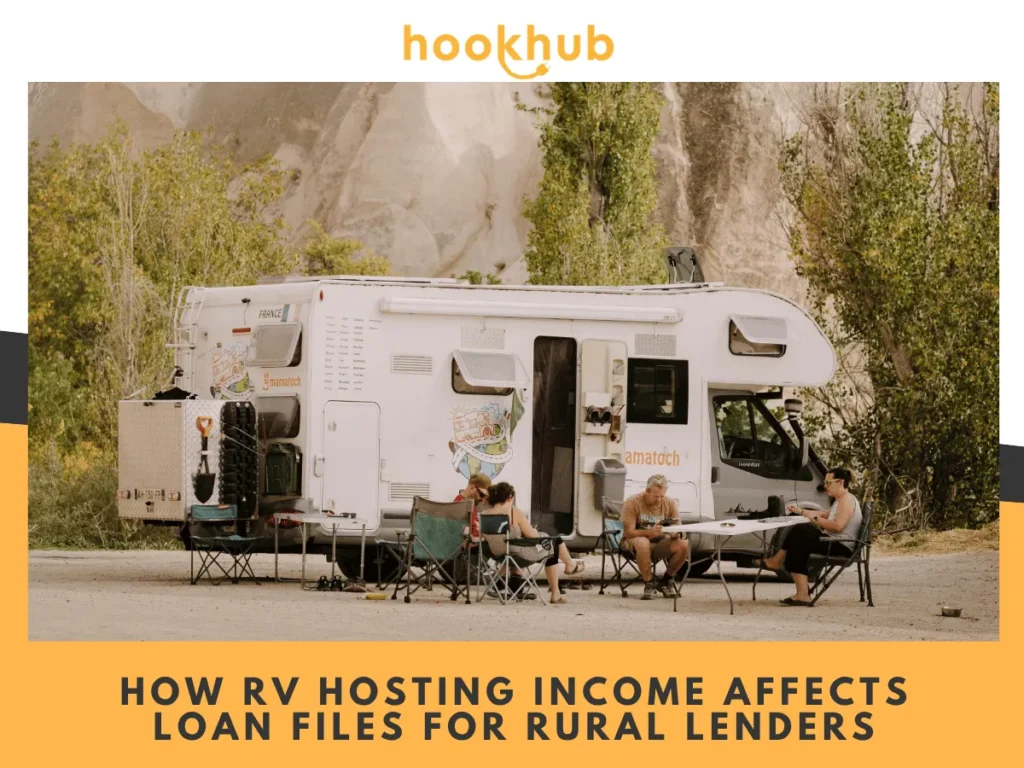



There is a moment that increasingly catches rural lenders off guard.
A borrower walks into the office with income that does not fit neatly into traditional underwriting categories. The property is not a residential rental. It is not a full RV park or campground. It may not even qualify as commercial real estate in the conventional sense.
Yet the borrower shows recurring income tied to private land.
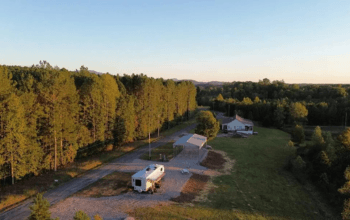
The tax returns show booking revenue. Bank statements show platform payouts. The borrower may have one or two RV sites behind a ranch property, on a piece of unused acreage, or along a travel corridor near outdoor recreation demand.
Five years ago, many lenders treated this type of income as an anomaly.
Now it is appearing in rural loan files far more often.
Private RV hosting has grown steadily alongside broader RV travel, remote work flexibility, snowbird migration, and outdoor hospitality demand. Recent Recreation Vehicle Industry Association RV statistics continue showing long-term growth in RV ownership, seasonal travel, and outdoor recreation participation across multiple demographics.
More landowners are using private land to generate supplemental income through long-term RV parking, seasonal camper stays, and small-scale hosting operations.
That shift matters for lenders because the income is real, recurring, and increasingly documentable.
The challenge is that many underwriting systems were not originally built with this category in mind.
What RV Hosting Income Actually Looks Like
Before lenders can evaluate the income properly, they need to understand what they are actually underwriting.
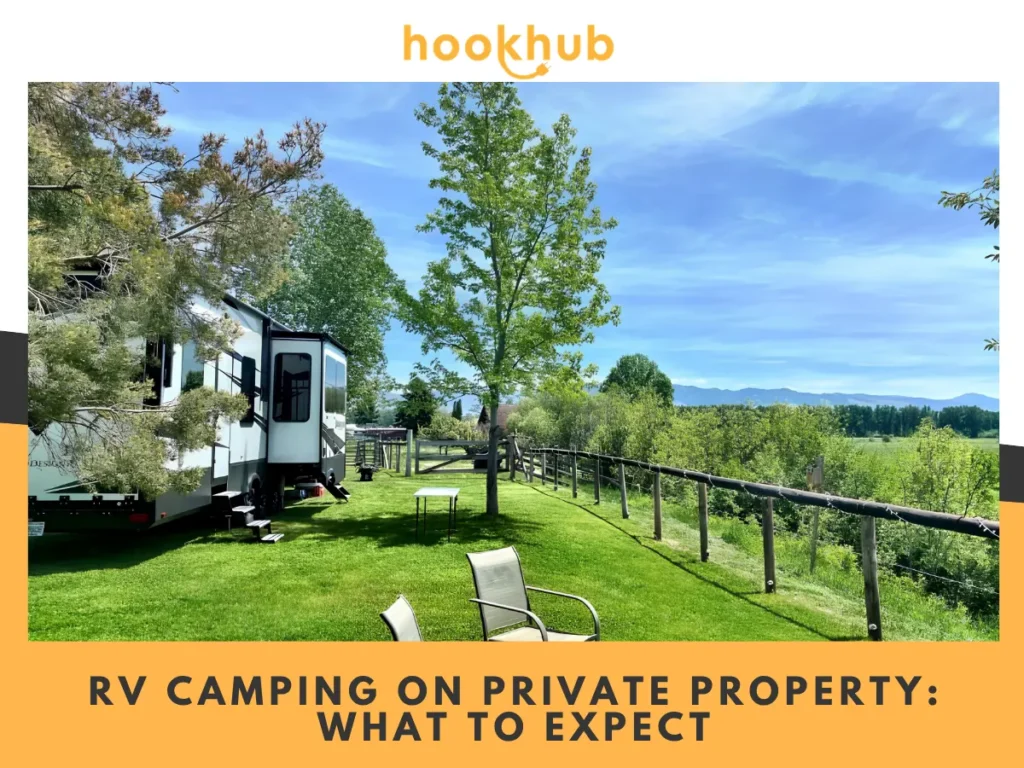
Most private RV hosting operations do not resemble traditional campgrounds and RV parks.
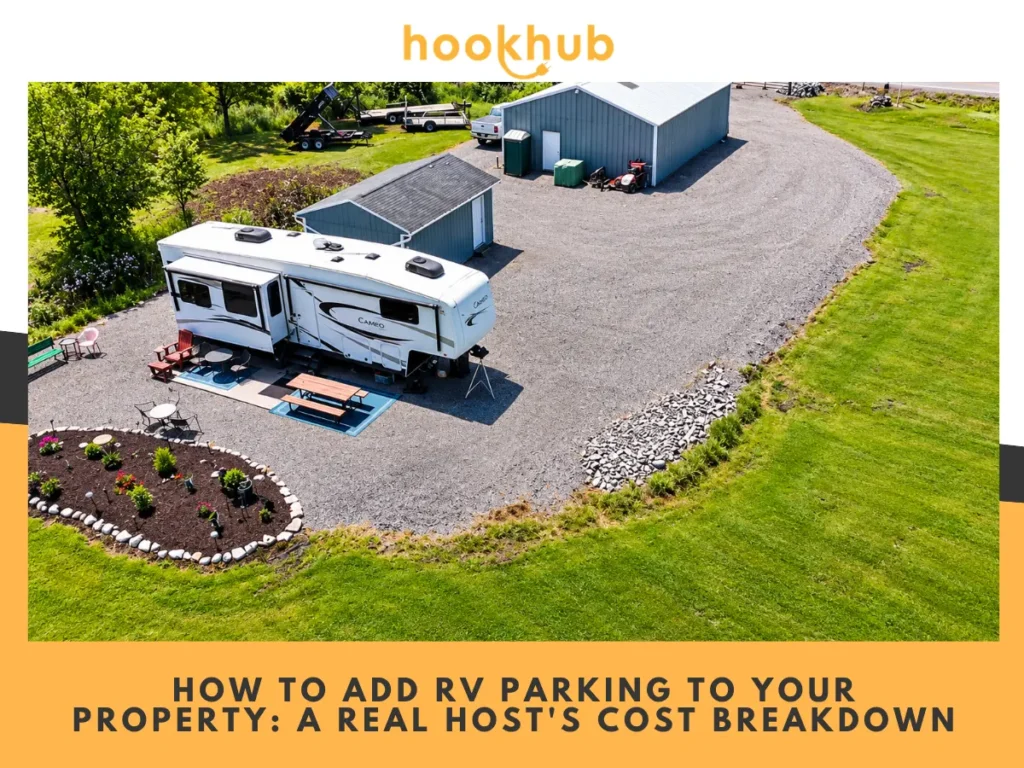
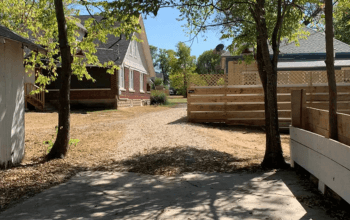
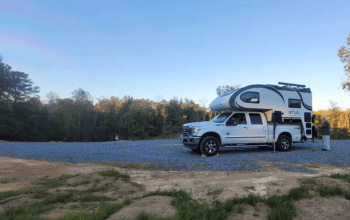
There is usually no registration office, hospitality staff, swimming pool, or large amenity package. In many cases, the operation is surprisingly small. A landowner may simply have:
- a level gravel pad
- basic utility hookups
- septic access
- road access for larger rigs
- enough spacing for privacy and maneuverability
Some hosts operate only one or two RV sites on otherwise unused land.
That smaller operational footprint is part of why the model has grown so quickly in rural areas.
Many landowners do not want to build a full campground business. They simply want a manageable way to offset taxes, loan payments, maintenance costs, fencing expenses, or infrastructure upgrades on acreage they already own.
Long-term RV hosting is especially attractive because monthly stays are often operationally easier than high-turnover nightly bookings.
A monthly renter creates less turnover pressure, fewer booking gaps, and lower administrative overhead. Septic strain tends to be more predictable. Utility usage becomes easier to forecast. Communication demands are lower than they are with constantly rotating weekend travelers.
That operational stability matters from an underwriting perspective.
A property with recurring monthly occupancy from snowbirds or long-term RV travelers often presents a more consistent income profile than a property relying entirely on short-term seasonal bookings.

Why This Income Is Showing Up More Frequently in Loan Files
The growth of RV hosting income is tied directly to broader market trends.
Outdoor hospitality demand has expanded significantly over the last several years. RV travel, flexible work arrangements, and extended seasonal travel patterns have all contributed to rising occupancy across private RV sites, glamping operations, and small-scale campgrounds.
At the same time, many rural landowners are reevaluating how unused land fits into their broader financial strategy.
Carrying raw land is expensive.
Property taxes, road maintenance, septic systems, fencing, utility extensions, and insurance costs continue whether the land generates income or not. For owners sitting on 10, 20, or 50 acres outside growing tourism corridors, RV hosting has become one of the more accessible ways to create supplemental income without fully developing the property.
That is especially true in regions benefiting from strong seasonal demand.
Arizona provides one of the clearest examples.
Snowbird traffic throughout the Phoenix metro region, Mesa, Queen Creek, and surrounding desert corridors creates enormous winter occupancy demand between October and March. Many RVers actively search for monthly parking outside traditional RV parks because private setups often offer lower pricing, more privacy, and easier long-term flexibility.
For landowners, even one properly positioned RV hookup can create meaningful annual revenue.
For lenders, that means more borrowers arriving with RV hosting income attached to otherwise rural or semi-developed land.
The Documentation That Actually Strengthens a Loan File
This is where many loan files either become defensible or fall apart.
Strong documentation matters because RV hosting income still sits outside the categories many underwriters are used to evaluating. The more operational clarity the borrower can provide, the easier it becomes to establish continuity, consistency, and legitimacy.
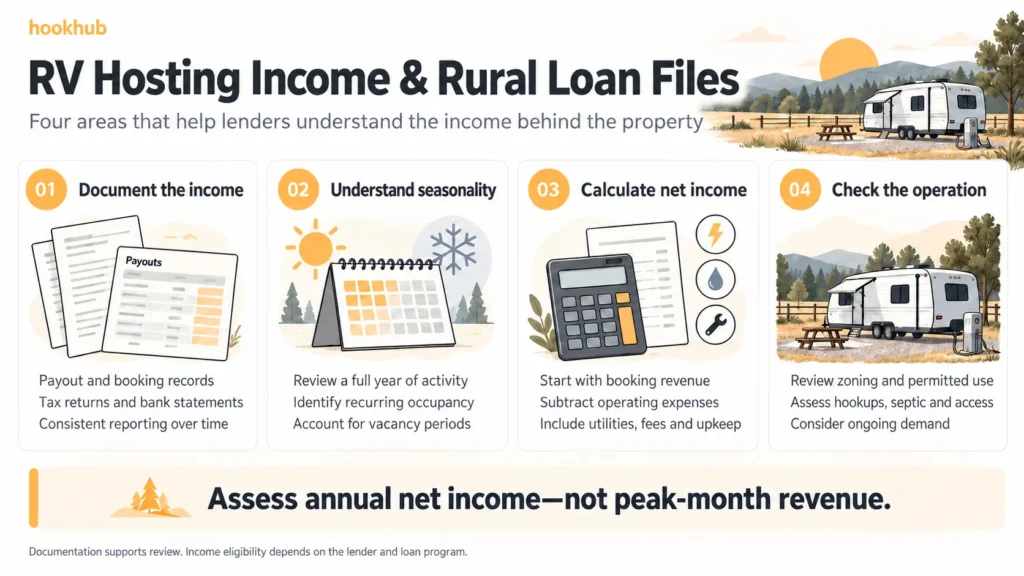
The strongest loan files usually begin with platform payout history.
Borrowers using organized RV hosting income documentation systems are often better prepared to provide payout exports, booking records, and operational history during underwriting review.
A borrower using a structured marketplace like Hookhub can typically provide 12 to 24 months of payout records showing actual cash received through bookings. That matters because it demonstrates real occupancy patterns rather than projected earnings or informal estimates.
From the transaction history alone, underwriters can often identify seasonal occupancy patterns, average booking duration, recurring monthly stays, annual revenue consistency, and payout frequency.
Tax returns are equally important, particularly when RV hosting income is reported consistently across multiple years.
Most lenders will encounter this income through Schedule C filings rather than traditional residential rental treatment. That distinction matters because RV hosting behaves operationally more like a small outdoor hospitality business than a conventional lease arrangement.
Net operating income is the figure that matters most.
Gross booking revenue rarely tells the full story.
Utility costs, septic maintenance, platform fees, marketing expenses, insurance, gravel maintenance, electrical upgrades, and cleanup costs can materially affect profitability. Some first-time hosts underestimate these operating expenses badly, especially in desert regions where 50 amp electrical service becomes critical during 110°F Arizona summers.
That detail matters operationally.
A property advertising RV hookups without adequate power infrastructure may struggle with occupancy consistency once long-term renters experience breaker issues, unstable electrical loads, or unreliable air-conditioning support during peak heat.
Lenders evaluating continuity should care about those infrastructure realities because operational weaknesses directly affect long-term income stability.
Why Long-Term RV Parking Often Creates Stronger Income Stability
Not all RV hosting income behaves the same way.
Properties built around short-term nightly stays often experience far more volatility. Occupancy swings are sharper. Marketing demands increase. Cleaning and turnover costs rise. Hosts spend more time managing reservations, guest communication, and seasonal booking gaps.
Long-term RV parking changes that dynamic considerably.
Many snowbirds stay for 30 to 90 nights at a time. Remote workers and full-time RVers often prioritize stable monthly arrangements over nightly campground reservations. In practical terms, that means fewer vacancy gaps and more predictable recurring revenue.
For lenders, this distinction is important.
A borrower with several years of recurring seasonal occupancy from monthly renters generally presents a more stable income profile than a host dependent entirely on fluctuating weekend tourism traffic.
That does not eliminate seasonality.
It simply makes the seasonality easier to model.
Seasonality Is the Most Important Underwriting Variable
Seasonality is one of the biggest mistakes inexperienced lenders make when evaluating RV hosting income.
In most markets, occupancy is not evenly distributed throughout the year.
Spring through fall tends to drive the majority of bookings across many rural recreation markets. In snowbird-heavy regions like Arizona and parts of the Southwest, the pattern reverses, with winter occupancy becoming the dominant revenue period.
Recent KOA annual camping reports continue showing strong demand for long-term RV travel, seasonal camping patterns, and extended outdoor stays across multiple traveler demographics.
The mistake happens when lenders annualize peak-season performance.
A borrower earning strong revenue during three winter months does not automatically support that same monthly income throughout the rest of the year. Underwriters should evaluate annual net operating income rather than extrapolating from peak occupancy periods.
At the same time, seasonality should not automatically disqualify the income.
Agricultural operations, tourism businesses, outdoor recreation businesses, and many rural industries already operate seasonally. RV hosting income should be evaluated with similar realism.
What matters most is whether the borrower demonstrates consistent annual patterns, recurring demand, operational continuity, stable booking infrastructure, and realistic operating expenses.
That broader context usually tells lenders far more than any single busy month.
Why Platform-Based Hosting Changes the Risk Picture
One of the biggest shifts in private RV hosting is the role structured marketplaces now play in operational organization.
Several years ago, many private hosts operated almost entirely through handshake agreements, Craigslist posts, Facebook groups, or informal referrals. Documentation was inconsistent, payment history was fragmented, and underwriters had very little visibility into whether the income was stable or even verifiable.
That is no longer the case for many hosts.
Platforms like Hookhub provide a much more structured operating environment where booking history, reservation records, guest reviews, payout reports, occupancy trends, communication logs, and payment history are centralized within a single system.
That operational structure matters significantly from a lending perspective.
A borrower with documented hosting history presents a far more defensible continuity case than someone relying entirely on undocumented cash stays. The infrastructure behind these systems also reduces some operational friction for the host.
Borrowers reviewing host protection and insurance considerations often gain a clearer understanding of how structured hosting systems handle guest verification, payment processing, and operational risk management.
Hookhub manages guest vetting, payment processing, booking systems, and communication workflows, which lowers the administrative burden on landowners. For borrowers balancing hosting operations alongside ranching, farming, retirement income, or other work, that reduced operational complexity can make the income stream substantially more sustainable over the long term.
The Real-World Problems Lenders Need to Watch For
This is where operational nuance becomes important.
Not every RV hosting setup produces stable income simply because bookings exist.
Some landowners overestimate profitability because they focus entirely on gross revenue while ignoring infrastructure strain. Septic systems are one of the most common pressure points, especially on properties that were never designed for recurring occupancy.
Electrical systems are another.
A property may technically offer hookups while still lacking the power capacity necessary for larger modern rigs running multiple air-conditioning units during extreme heat. In Arizona summers, inadequate electrical infrastructure can quickly damage occupancy consistency and guest retention.
Ingress and egress problems also matter more than many first-time hosts expect.
A beautiful property with difficult trailer access, steep turns, soft ground conditions, or narrow entrances may struggle operationally despite strong tourism demand nearby.
Appraisal challenges create another layer of complexity.
Many rural appraisers still lack strong comps for private RV hosting operations. Properties with documented booking history, hookups, and established occupancy patterns may generate significantly stronger cash flow than comparable raw land, yet the surrounding market data may not fully reflect that operational value.
This is one reason some lenders remain cautious.
The income may be real, but the valuation framework is still evolving.
How Rural Lenders Should Actually Evaluate This Income
The most effective lenders approach RV hosting income systematically rather than trying to force it into traditional residential rental categories.
The first step is identifying how the borrower reported the income.
If the hosting activity appears consistently through Schedule C filings with supporting payout documentation, the lender already has a much clearer foundation for analysis. Inconsistent reporting, missing tax treatment, or undocumented cash income should trigger additional scrutiny immediately.
Lenders reviewing whether borrowers are operating legally often need a clearer understanding of RV hosting on private land legally, especially when county zoning, occupancy rules, septic requirements, or land-use restrictions vary across rural jurisdictions.
From there, lenders should evaluate the broader operational picture surrounding the property, including two years of tax returns, annual net operating income, payout consistency, occupancy trends, infrastructure quality, active listing status, and overall operational continuity.
The property itself matters.
A parcel located near national parks, outdoor recreation corridors, or established RV travel routes may support much stronger long-term demand than isolated acreage with little traveler traffic. Proximity to highways, tourism demand, and seasonal migration routes all influence income durability.
Infrastructure quality matters just as much.
A borrower with reliable utility systems, stable septic capacity, well-maintained hookups, and documented occupancy history presents a very different operational profile than someone attempting to monetize undeveloped raw land with minimal preparation.
That distinction should influence underwriting confidence.
Borrowers pursuing financing for rural acreage often encounter additional documentation and eligibility requirements through programs like USDA rural development loan programs, particularly when income is tied to mixed land use or small-scale hosting activity.
Where Hookhub Fits Into RV Hosting Loan Documentation
Hookhub is most useful to lenders as a documentation and operational framework rather than simply a booking platform.
One of the biggest challenges underwriters face with RV hosting income is verifying continuity and operational legitimacy. Informal cash arrangements, inconsistent booking records, and undocumented stays create uncertainty quickly, especially when the borrower is trying to qualify using supplemental land income.
Platforms like Hookhub help reduce that ambiguity by centralizing the operational history tied to the property. Underwriters can review payout records, reservation activity, occupancy trends, guest verification history, and payment processing documentation within a single system rather than piecing information together manually from scattered records or bank deposits.
That structure matters because it creates a more defensible paper trail.
Instead of relying entirely on borrower estimates or inconsistent cash flow explanations, lenders can evaluate actual booking continuity and operational consistency over time. For borrowers with long-term RV parking or recurring seasonal occupancy, that visibility can strengthen the overall income stability narrative considerably.
Why Rural Lending Standards Will Continue Adapting
RV hosting income is no longer a niche anomaly in rural lending.
As more landowners search for practical ways to generate passive income from unused land, more lenders will encounter borrowers with booking income tied to private RV hosting operations. The broader outdoor hospitality market continues expanding alongside RV travel, remote work flexibility, and long-term seasonal migration patterns, which means underwriting systems will likely continue evolving as well.
Lenders who understand occupancy seasonality, outdoor hospitality operations, platform documentation, infrastructure realities, long-term RV parking demand, and utility or septic considerations will be far better positioned to evaluate these borrowers accurately.
The income itself is not the confusing part anymore. The real challenge is whether the loan file captures the operational reality behind the income clearly enough to support responsible underwriting decisions.
Borrowers who maintain organized booking records, payout exports, and documented hosting income records often make the underwriting process significantly easier because the operational history is already centralized and easier to verify.
FAQs
Does RV Hosting Income Count Toward Debt-To-Income Calculations?
Yes, if the income is properly documented and demonstrates reasonable continuity. Most lenders still require consistent history, tax return support, and evidence that the income is likely to continue.
Is RV Hosting Treated Like Residential Rental Income?
Usually not. In many cases, lenders treat RV hosting more like supplemental business income or small-scale outdoor hospitality income rather than a traditional lease arrangement.
Why Does Seasonality Matter So Much?
Because occupancy patterns fluctuate heavily throughout the year in many RV markets. Underwriters should evaluate annual net income rather than relying on peak-season monthly revenue.
Can Raw Land With No Hookups Generate Hosting Income?
Sometimes, particularly near strong recreation corridors or tourism areas. However, developed hookups, septic systems, and utility access generally create stronger occupancy consistency and more defensible income stability.
Why Do Platforms Like Hookhub Matter to Lenders?
They provide operational documentation, booking records, payout history, and payment tracking that help lenders evaluate continuity and legitimacy more confidently.