

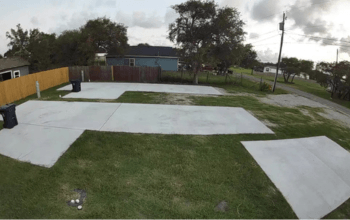
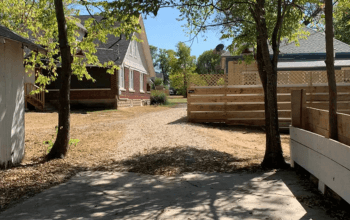
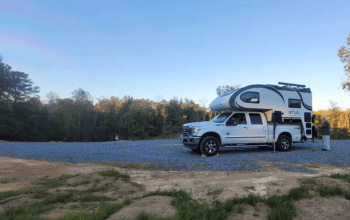
RV travel continues to grow across the United States and Canada. More families, remote workers, and retirees are taking RV road trips and actively searching for RV campgrounds with full hookups that offer reliable power, clean facilities, and predictable amenities.
But here’s the operational reality.
When RV travelers filter for RV campgrounds with full hookups, they are not looking for luxury. They are looking for predictability.
They want to know:
- Will my power hold under load?
- Can I dump sewer without moving?
- Is the water safe?
- Will I have problems during a 30–90 night stay?
These concerns reflect what experienced RV travelers prioritize when choosing a campground. According to the RV Industry Association, reliable infrastructure and site clarity are among the most important factors influencing RV travel decisions.
The encouraging part is this:
You do not need to build a large resort to compete. You need structured infrastructure, honest communication, and a clear hosting process.
Key Takeaways
- Modern RVers prioritize full hookups, level sites, and reliable 30 or 50 amp electricity.
- Sewer hookups at the pad matter significantly for longer stays.
- Clear communication and structured reservations matter more than luxury amenities.
- Private landowners can compete without building a full-scale resort.
- Utility clarity, cancellation terms, and guest screening reduce disputes.
- Platforms like Hookhub simplify structure, booking management, and protection from the start.
Why Full Hookups Matter to RV Travelers
When RVers search for an RV park, they often filter specifically for “RV campgrounds with full hookups.”
That filter eliminates uncertainty.
What “Full Hookups” Actually Means
Full hookups typically include:
- Electricity (30 amp or 50 amp service)
- Potable water connection
- Sewer hookup at the site
But those terms are often misunderstood.
Electrical: 30 Amp vs 50 Amp
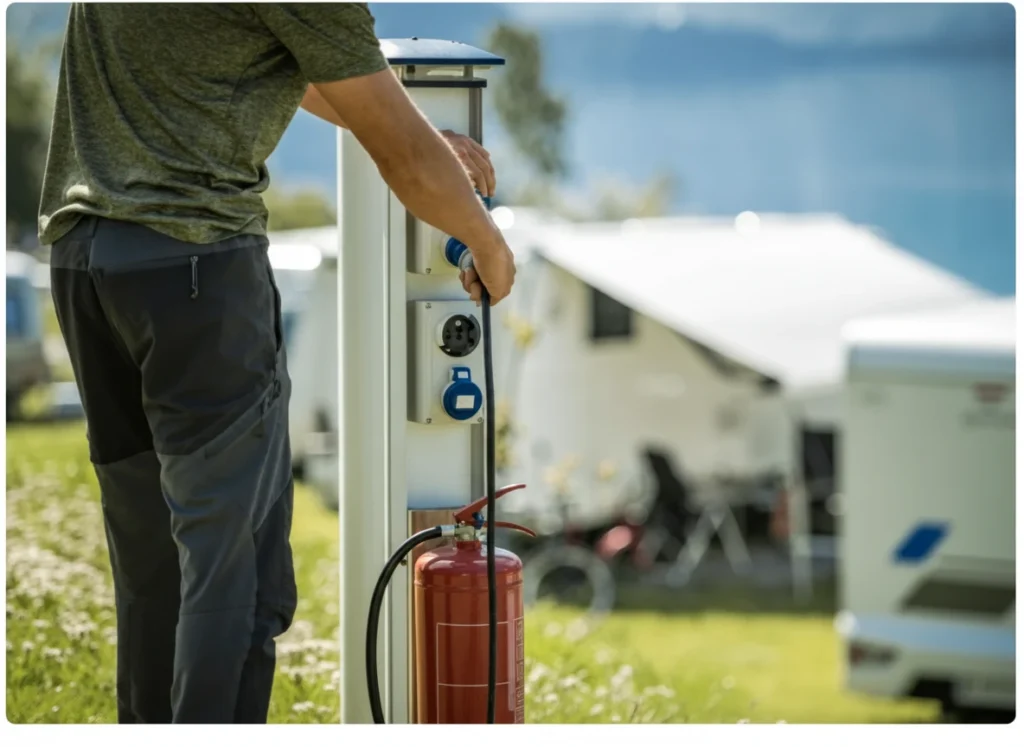
This is not a minor detail. RV electrical systems follow standardized connector and power configurations defined by the National Electrical Manufacturers Association (NEMA), which helps ensure compatibility between RVs and campground power pedestals.
30 Amp Service
- 120 volts
- Maximum of 3,600 watts
- Typically supports one AC unit at a time
50 Amp Service
- 240 volts split-phase
- Up to 12,000 watts available
- Supports two AC units plus appliances
In hot regions such as Arizona, especially during summer where temperatures exceed 110°F, 50 amp service becomes highly desirable. Two AC units can draw 28–32 amps continuously. Add a converter, refrigerator, and occasional microwave use, and a 30 amp system becomes restrictive quickly.
If targeting larger fifth wheels or Class A motorhomes, 50 amp service significantly increases booking appeal.
Water: Potable and Pressure Controlled
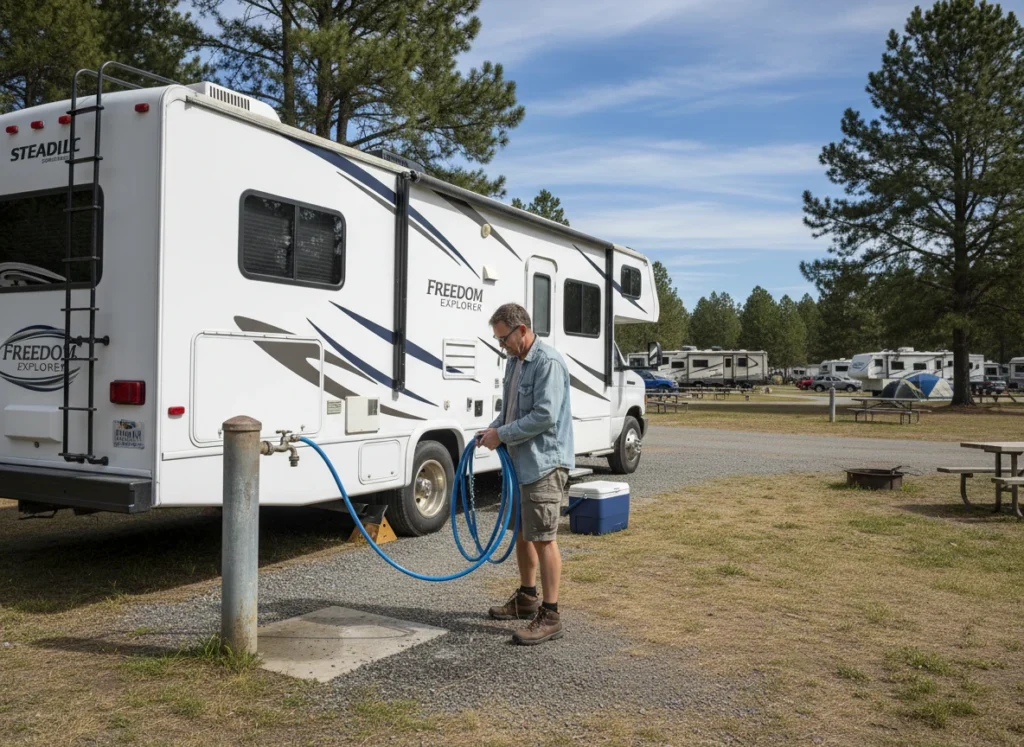
Guests expect:
Safe drinking water
Clear labeling if non-potable
Consistent pressure (40–60 PSI typical)
Backflow prevention and frost-free hydrants in colder regions are signs of a professional setup. Guidance from the U.S. Environmental Protection Agency also recommends proper system maintenance and testing to ensure potable water safety for public use.
Sewer: At Pad vs Dump Station
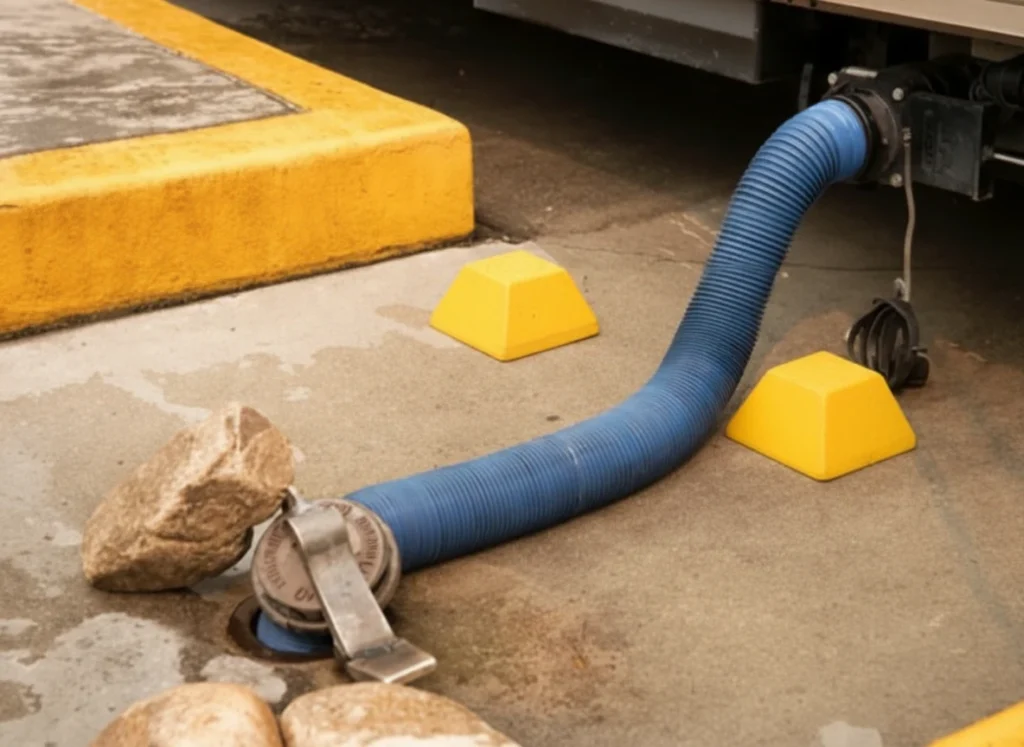
There is a major operational difference between:
- Direct sewer hookup at each RV site
- Shared dump station
For weekend campers, a dump station may suffice.
For 30–90 night stays, sewer at the pad becomes a major convenience factor and often an expectation.
The takeaway for landowners is not that you must install everything immediately. It is that RVers value clarity. If sewer is not available at each site, explain what is.
Transparency builds trust.
What Full Hookups Cost to Install (Realistic Ranges)
Many private landowners overestimate or underestimate infrastructure costs.
Approximate ranges per site:
Electrical pedestal installation:
- $1,200–$3,000 depending on trench length and panel capacity
Upgrading main service panel:
- $2,000–$10,000 depending on load requirements
Water line extension:
- $500–$2,000 depending on distance and terrain
Septic tie-in:
- $2,000–$8,000 depending on system size and permits
These numbers vary by county, soil conditions, and distance from utilities.
Important considerations:
- Load calculations before adding multiple 50 amp pedestals
- Septic system capacity for long-term occupancy
- County permitting requirements
- Transformer limitations in rural areas
Gradual development is often smarter than overbuilding.
Amenities That Influence Booking Decisions
The best RV campgrounds with full hookups offer more than a place to park. But they prioritize correctly.
Tier 1: Infrastructure Essentials
- Level gravel or concrete pad
- Properly rated electrical pedestal
- Water connection
- Sewer clarity
- Clear site dimensions
Landowners planning guest-ready sites may also benefit from reviewing the pros and cons of hosting RV travelers on private land before deciding which upgrades make the most sense.
Most booking decisions are made here.
Tier 2: Comfort Upgrades
- Shade structures
- Picnic table
- Trash service
- Reliable WiFi
- Lighting
These improve retention but rarely override infrastructure problems.
Tier 3: Experience Enhancers
- Firepit
- Fishing access
- Trails
- Patio pads
- Scenic positioning
These differentiate private land from large parks.
Luxury does not compensate for unreliable power.
What RVers Expect From Modern RV Parks
Today’s RV traveler compares options carefully.
They look for:
- Accurate site length and width
- Clear electrical capacity (30 amp vs 50 amp RV)
- Sewer hookups at pad vs dump station clarity
- Transparent pricing
- Straightforward reservation terms
- Clear cancellation policy
If targeting longer stays, add clarity on:
- Utility inclusion or metering
- Monthly rate vs nightly rate
- Extension policy
- Early departure terms
Many private hosts lose trust not because of poor infrastructure, but because of vague communication.
Competing With Established RV Parks
Large RV parks promote:
- Swimming pools
- Cabins
- Laundry facilities
- Large-scale amenities
Private land competes differently.
Where Private Land Wins
- Lower density
- Fewer noise conflicts
- Flexible hosting
- Unique landscapes
- Privacy
A remote worker staying 60 nights often prefers three well-spaced sites over a 150-site resort with constant turnover. Quality and predictability outperform scale.
For landowners still evaluating whether hosting fits their property and long-term goals, it can also help to review the pros and cons of hosting RV travelers on private land before committing to infrastructure upgrades.
Reservation Systems and Hosting Structure
Modern RV travelers expect online booking and immediate confirmation.
Manual booking methods introduce risk:
- Double bookings
- Payment disputes
- No written cancellation terms
- Utility misunderstandings
- Early departure conflicts
Structured systems reduce this friction.
Platforms such as Hookhub standardize listing clarity, reservation handling, payment processing, and basic protections that reduce ambiguity in private hosting.
Structure protects both host and guest.
Risk Management Private Landowners Overlook
Before hosting, consider:
- Septic overload from long-term use
- Extension cord hazards
- Guests exceeding electrical limits
- Utility abuse in extreme heat
- Overstayed bookings
- Neighbor or HOA complaints
- Poor drainage during heavy rain
Hosting without structure increases risk. Hosting with defined policies reduces it significantly.
Landowners new to hosting often review what to expect when welcoming RV travelers onto private land before setting up their first sites.
Starting With Practical Infrastructure
You do not need to build a full-service RV park immediately. Begin by evaluating what your property already supports.
Evaluate:
- Electrical panel capacity
- Soil drainage
- Access road width
- Septic system rating
- Water testing results
Some hosts begin with electric-only RV sites while learning how RV travelers plan overnight stays outside traditional campgrounds.
Growth can be phased responsibly.
Understanding Regional Differences
Preferences vary.
In desert regions:
- Shade and 50 amp power are critical.
In lake regions:
- Boat access matters.
In colder regions:
- Freeze protection is important.
Align your infrastructure with your climate and target guest profile.
Private Land RV Hosting Readiness Checklist
Before accepting bookings, confirm:
- Electrical load capacity verified
- Pedestals properly installed
- Sites level and drained
- Water tested potable
- Sewer slope confirmed
- Written cancellation policy defined
- Utility inclusion clarified
- Monthly pricing structured
- Insurance coverage confirmed
- Guest screening method established
This checklist prevents 80 percent of common hosting mistakes.
Hosting With Confidence and Clarity
Many landowners hesitate because hosting appears complicated.
It becomes manageable when broken into systems:
- Infrastructure
- Communication
- Reservation clarity
- Protection
When hosting includes insurance, guest vetting, structured booking, and defined policies, it becomes predictable.
Hookhub provides a framework that removes the need to build those systems independently through its private land RV hosting platform.
Confidence grows from structure, not scale.
Final Thoughts: Structure Creates Opportunity
The best RV campgrounds with full hookups succeed because they deliver reliability, clarity, and predictable infrastructure.
Private landowners can replicate those essentials without building a luxury resort.
Start with infrastructure.
Define your policies.
Communicate clearly.
Use structured systems.
RV travelers are not looking for excess.
They are looking for dependable sites with full hookups and clear expectations.
That standard is achievable on private land.
Frequently Asked Questions
What is the difference between 30 amp and 50 amp RV hookups?
A 30 amp RV hookup provides up to 3,600 watts at 120 volts. A 50 amp hookup provides up to 12,000 watts using split-phase power. Larger RVs with multiple air conditioners typically require 50 amp service for comfortable operation.
How much does it cost to add full hookups to private land?
Costs vary by location and trench distance. Electrical installation typically ranges from $1,200–$3,000 per site, while septic tie-ins may range from $2,000–$8,000 depending on system capacity and permitting requirements.
Can I host RV guests without sewer at each site?
Yes, but you must clearly communicate whether a dump station is available and how it is accessed. For long-term stays, sewer at the pad is generally preferred.
Do long-term RV guests expect WiFi?
Not always, but reliable connectivity increases booking confidence, especially for remote workers. Many guests use Starlink or mobile hotspots as primary internet sources.
Can private landowners compete with large RV parks?
Yes. Lower density, privacy, and clear infrastructure often attract RV travelers who prefer quiet alternatives to crowded resorts.