
For many snowbirds, choosing where to spend the winter eventually comes down to two familiar options: Arizona or Florida.
Both offer warm winters, established snowbird communities, and plenty of places to park an RV for several months. But the experience, and the price attached to it, can look very different depending on which direction you head.
Arizona tends to appeal to RV travelers who prefer dry desert scenery, lower humidity, and a slower inland pace. Florida offers beaches, the Gulf Coast, lush landscapes, and easy access to communities that have welcomed seasonal residents for decades. In either state, however, the advertised monthly rate is only part of what a long-term RV stay can actually cost.
Location, amenities, full hookups, electricity, booking timing, and even how you spend your days can change the final number.
Before choosing your winter home based on a nightly or monthly rate alone, it helps to understand what you are really paying for.
What Does Snowbird RV Parking Actually Cost?
There is no single national price for long-term RV parking.
A basic RV site in a quiet inland community and a full-hookup site at a coastal RV resort may both accommodate a snowbird for the winter, but they offer completely different experiences. Their prices reflect those differences.
As a general planning range, many long-term RV sites can fall between roughly $500 and $1,600 per month, depending on location, season, and amenities. Some simpler or more rural options may fall below that range, while premium snowbird RV resorts in high-demand destinations can climb considerably higher.
For a full winter season of four or five months, even a modest difference in the monthly rate adds up quickly.
A site costing $700 per month would total $3,500 over five months before additional expenses. At $1,500 per month, that same length of stay reaches $7,500.
That is why experienced snowbirds typically look beyond the first number on a booking page.
The real question is not simply, “How much is the RV site?”
It is, “What will this entire winter cost me, and what am I getting in return?”
Arizona: Desert Winters and More Room to Compare
Arizona has long been one of the best-known snowbird destinations in the country.
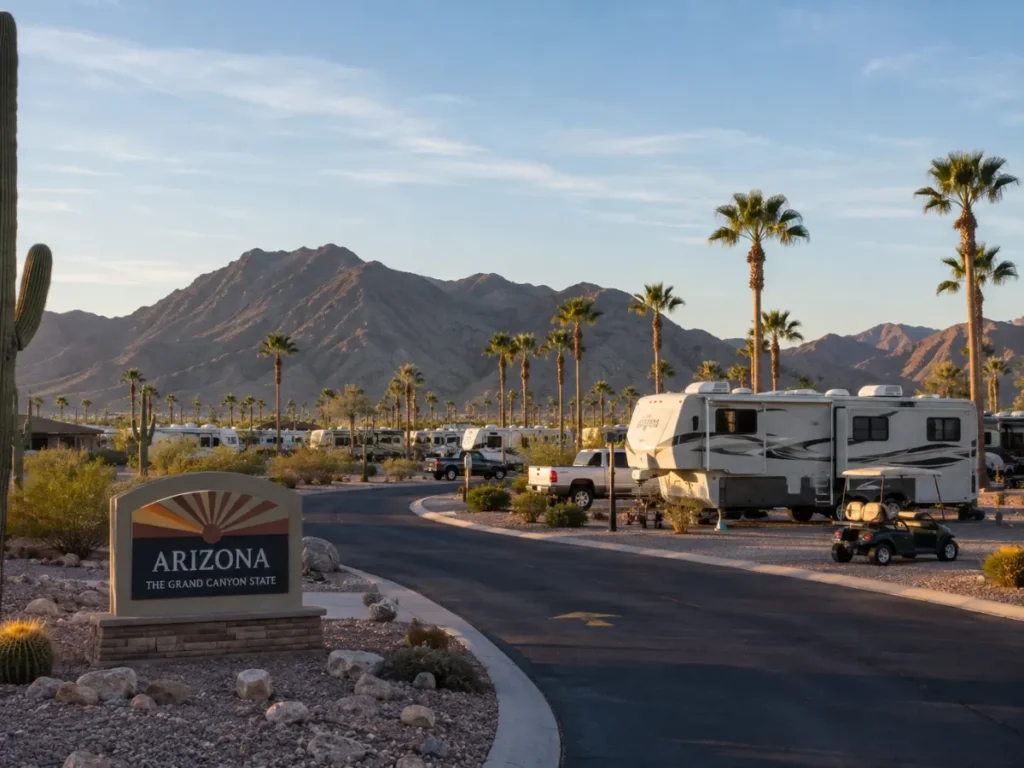
The appeal is easy to understand. Winter weather across many of the state’s popular RV regions is mild and sunny, the humidity is generally lower than in coastal destinations, and the desert landscape creates a completely different winter experience from the colder regions many snowbirds leave behind.
RV travelers can choose from established snowbird RV parks, large RV resorts, smaller campgrounds, and other long-term parking options throughout the state.
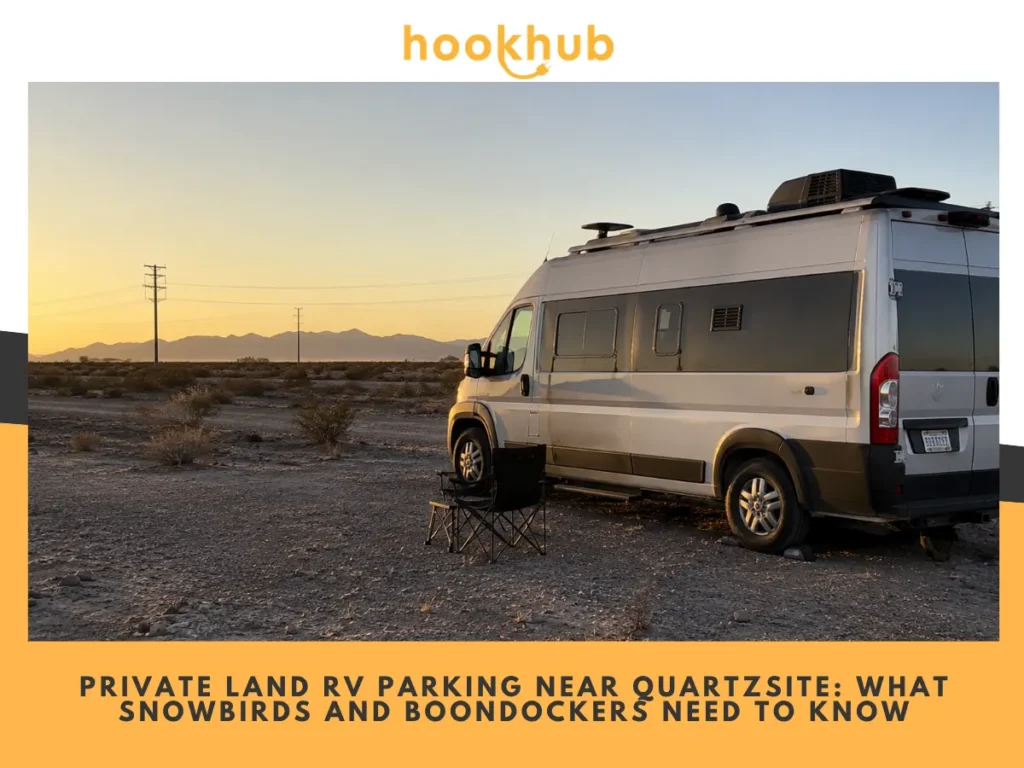
Popular snowbird regions include areas around Phoenix, Mesa, Gilbert, Yuma, Tucson, and Quartzsite. Each offers a different pace and price point.
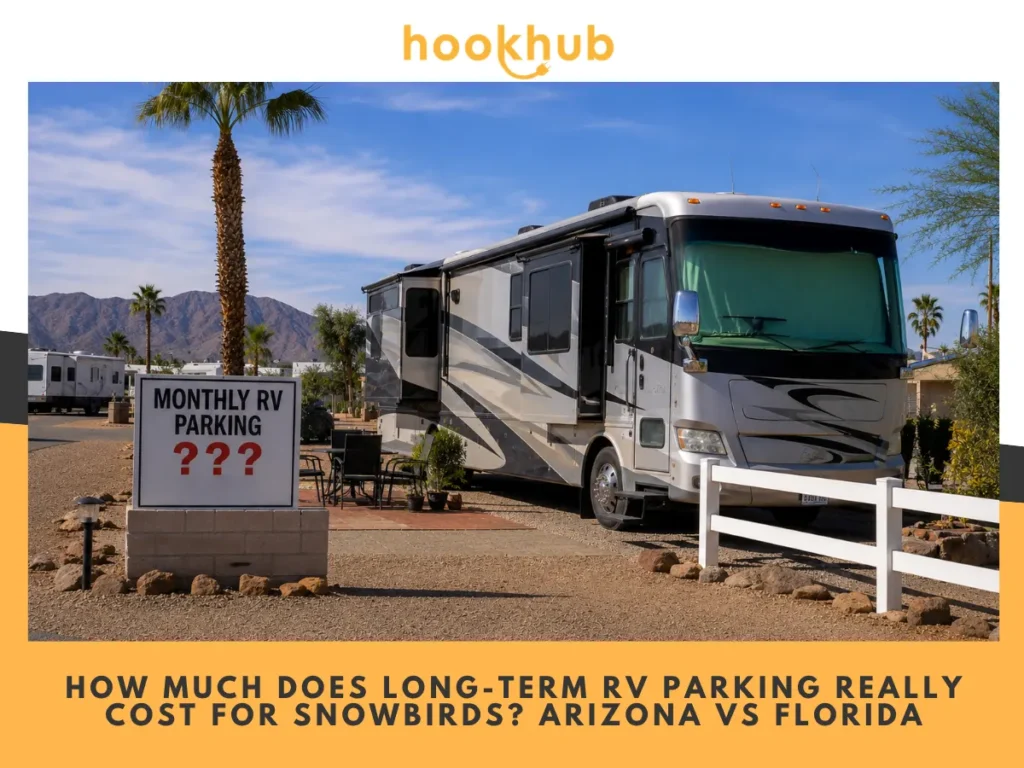
A large snowbird RV resort near Phoenix or Mesa may provide full-hookup sites, swimming pools, golf access, organized recreation, laundry facilities, Wi-Fi, and a busy calendar of seasonal activities. Those amenities can make a park feel more like a winter community than a campground.
Farther from major metro areas, travelers may find simpler RV sites with fewer amenities and a quieter atmosphere.
For many snowbirds, that variety is part of Arizona’s appeal.
You can prioritize an active resort community or a peaceful desert home base. You can stay close to shopping and healthcare or head toward a quieter region where outdoor recreation and wide-open scenery matter more than proximity to city conveniences.
For budgeting purposes, snowbirds may encounter monthly RV rates ranging from roughly $500 to $1,200 across different Arizona markets, although actual prices can vary significantly by destination, season, site type, and amenities.
The planning ranges in the original comparison place many Arizona monthly stays around $500 to $1,200, although actual rates vary significantly by region, season, site type, and facility.
The important point is that “Arizona pricing” is not one thing.
A full-hookup site at an amenity-rich snowbird RV resort will not cost the same as a simpler long-term site in a rural desert community.
Florida: Coastal Access Comes With a Different Price
Florida offers an entirely different version of snowbird season.
Instead of desert landscapes and dry air, RV travelers can build their winter around beaches, coastal recreation, palm trees, and the communities that stretch along the Atlantic and Gulf Coast.
That appeal creates strong seasonal demand.
Many snowbirds return to the same Florida region year after year, particularly when they have built relationships with other seasonal residents or found a snowbird RV park that feels like a second home.
Travelers exploring South Florida can also compare long-term RV parking options in Lantana, while those drawn to the Gulf Coast can broaden their search toward communities near Cortez.
Location plays an enormous role in what they pay.
A coastal RV resort with easy access to the beach will generally sit in a different price category from an inland campground. The same is true for newer resort-style properties offering pools, clubhouses, fitness facilities, organized recreation, and other amenities designed for extended stays.
As a broad budgeting estimate, monthly RV rates in popular Florida destinations may range from roughly $900 to $1,800 during the winter season, with premium coastal and resort-style properties potentially costing more. Actual rates depend heavily on location, season, site type, and length of stay.
But Florida snowbirds are not limited to the coast.
Moving inland can open more affordable options while still providing warm winter temperatures and access to everyday conveniences. Travelers who do not need to be within minutes of the beach may find that a slightly different location changes the economics of an entire winter.
The tradeoff comes down to priorities.
For some RVers, waking up near the Gulf Coast is worth paying more each month. Others would rather spend less on their RV site and drive to the coast when they want a beach day.
Neither approach is better.
They are simply different ways to spend the same season.
Arizona vs Florida: What Are You Actually Paying For?
Comparing Arizona and Florida based only on statewide averages can be misleading.
A better comparison starts with the kind of winter you want.
In Arizona, you may be paying for access to a large snowbird community, sunny desert weather, outdoor recreation, and a resort designed for seasonal residents. In Florida, part of the premium may come from coastal access, high winter demand, and proximity to popular retirement and tourism regions.
Amenities also change the calculation.
Many of the best snowbird RV parks are designed for extended stays rather than overnight RV travel. A park may offer full hookups, laundry, Wi-Fi, swimming pools, golf or nearby golf access, fitness facilities, recreation spaces, and organized activities throughout the season.
Those features cost money to operate, and the price of the RV site often reflects them.
For a traveler who uses those facilities every day, the higher rate may offer real value.
For someone whose travel style revolves around hiking, exploring, or spending most of the day away from the RV park, paying for an endless list of amenities may make less sense.
The cheapest RV site is not automatically the best value.
Neither is the most expensive resort.
The best snowbird destination is the one where the cost and experience match the winter you actually want.
The Hidden Costs Behind a Monthly RV Rate
A monthly price can look affordable until the additional costs start appearing.
Electricity is one of the first things to check. Some long-term RV parks include electric service in the monthly rate, while others meter it separately. The amount you use can vary considerably depending on your RV, the weather, and how often you rely on heating or air conditioning.
Propane is another seasonal expense, particularly during cooler desert nights.
Then there are deposits, booking fees, pet charges, and cancellation policies. Some parks may also charge separately for additional vehicles, storage, premium Wi-Fi, or other services.
Your location creates costs outside the RV park too.
A cheaper site far from groceries, healthcare, recreation, or the places you visit regularly may mean spending more on fuel. A more expensive park with easy access to everything you need could reduce transportation costs throughout the season.
Snowbirds staying for several months should also consider travel costs to and from their winter destination.
The smartest way to compare two RV sites is to estimate the total cost of the stay rather than simply comparing their monthly rates.
If one park costs $200 more per month but includes utilities and amenities you would otherwise pay for separately, the apparent price difference may be much smaller than it first appears.
Why Booking Early Can Change the Cost of Your Winter
Snowbird season is predictable.
Every winter, many RV travelers head south toward the same warmer climates, often returning to the same parks and regions they already know.
That means availability can tighten months in advance.
Popular snowbird RV resorts may have returning seasonal residents who reserve the same site year after year. New visitors looking for a specific location, full-hookup sites, or a particular amenity package may have fewer options the longer they wait.
Booking early does not guarantee the lowest rate at every RV park, but it does give you more choices.
That flexibility matters.
When only a handful of sites remain, travelers may find themselves choosing between paying more than expected or staying farther from their preferred destination.
If your winter dates are fixed and you already know where you want to stay, checking availability early can make planning easier.
If your schedule is flexible, you may have more room to compare regions, arrival dates, and different types of RV accommodation.
What Makes a Snowbird RV Park Worth the Price?
The answer depends entirely on the traveler.
For some snowbirds, the RV resort itself is the destination.
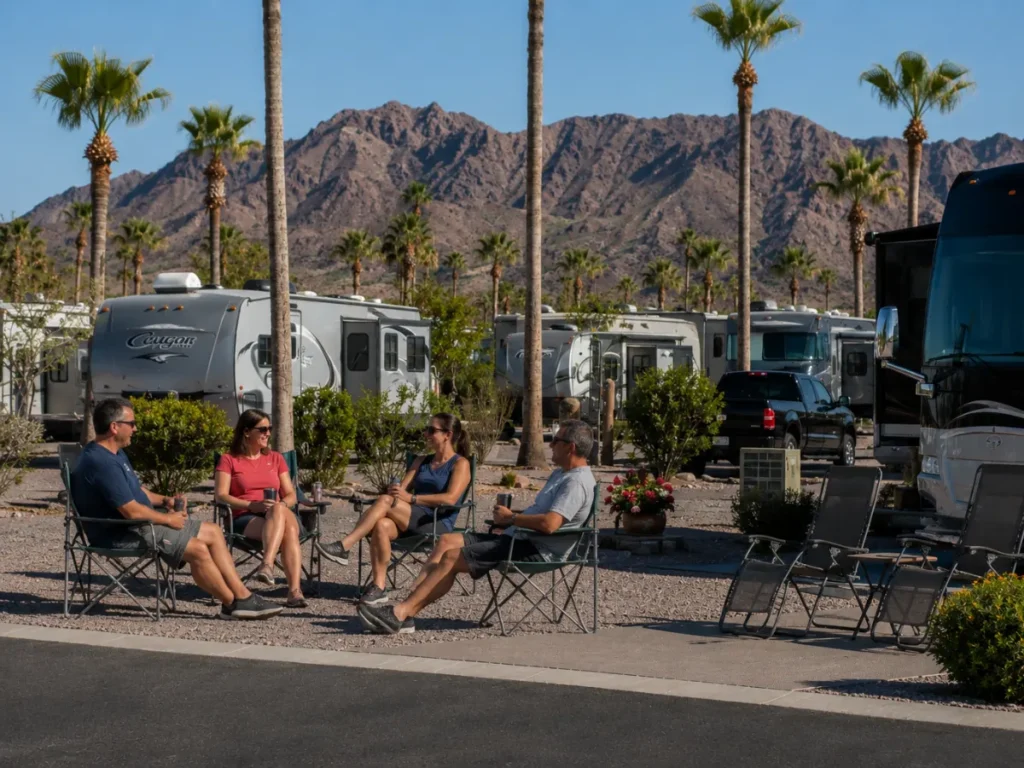
They want a welcoming community, daily recreation, a pool, golf nearby, social events, and other seasonal residents they can reconnect with every winter. They may spend months at the same park and treat it as their winter home.
For others, the RV site is simply a home base.
They prioritize full hookups, laundry, reliable Wi-Fi, safety, and easy access to the places they actually want to visit. They may prefer a quieter campground or smaller property where they can relax without a packed activity calendar.
Healthcare accessibility can also become an important consideration during an extended stay. Being near pharmacies, clinics, and other essential services may matter more than having another recreation facility on-site.
The same applies to outdoor access.
Some RV travelers choose Arizona because they want desert trails and open landscapes outside their door. Others head to Florida because coastal scenery and beach access are central to their winter plans.
A good snowbird RV park is not defined by how many amenities it can list.
It is defined by whether those amenities make your stay better.
Private Land Gives Snowbirds Another Way to Stay
Traditional RV parks and resorts are not the only places snowbirds can consider for a long-term stay.
Private land can offer another option, particularly for travelers who prefer a smaller setting or cannot find availability at their first-choice snowbird RV park.
The experience varies from property to property.
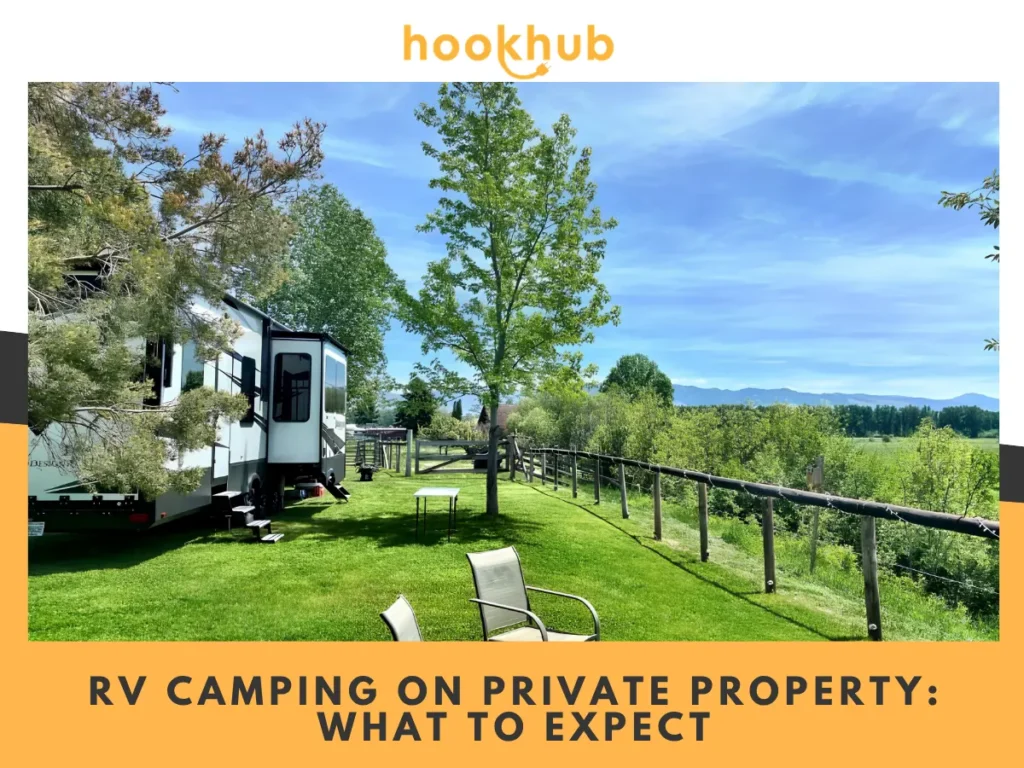
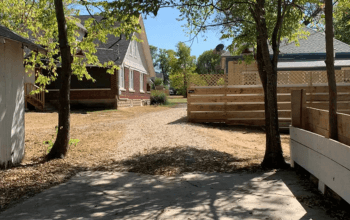
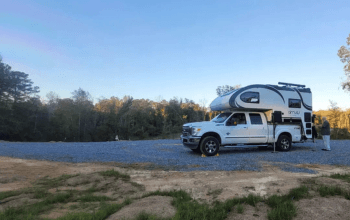
One host may offer a full-hookup RV site suitable for an extended stay. Another may provide a simpler setup for self-contained RVers. Some properties are close to established snowbird destinations, while others sit farther inland or outside the busiest tourist corridors.
That variety can appeal to travelers who value flexibility.
A snowbird who wants a full calendar of organized activities may still prefer a traditional RV resort. Someone who values peace, space, and a quieter pace may find that a private site better matches their travel style.
Private land can also give RV travelers another place to search when seasonal availability becomes limited.
“A good winter stay should fit the way you actually travel. Some people want the community of a resort. Others just want a comfortable place to settle in and enjoy the season.”
The point is not that one type of RV parking should replace another.
It is that snowbirds benefit when they have more than one kind of place to consider.
Where Hookhub Fits Into Long-Term Snowbird RV Parking
Hookhub helps RV travelers explore private land as another option alongside traditional campgrounds and snowbird RV resorts.
For someone planning several months in Arizona or Florida, that can expand the search beyond the same commercial parks that appear every winter.
Travelers can evaluate individual listings based on the details that matter to them, including the type of RV site, available hookups, location, length of stay, and property features.
This can be particularly useful when your preferred snowbird destination has limited availability or when a large RV resort simply does not match your travel style.
A private site may not offer a golf course, clubhouse, or endless recreation calendar.
For the right traveler, that may be exactly the appeal.
The goal is to find a winter home base that works for your budget, your RV, and the way you want to spend the season.
How to Compare Your Arizona and Florida Options
Before you reserve a site, compare the complete experience rather than choosing based on the monthly rate alone.
Start with the total cost for your entire stay. Add any expected charges for electricity, propane, deposits, pets, and other fees. Then consider how the location will affect your everyday spending.
Next, compare what is included.
Do you need full hookups? Is reliable Wi-Fi essential? Will you use the laundry facilities, recreation spaces, or golf access? How close do you want to be to healthcare, shopping, beaches, trails, or other activities?
Think about the weather too.
Arizona generally offers a drier winter climate, while Florida delivers a more humid and coastal environment. Both can provide a pleasant escape from colder northern winters, but the experience is very different.
Finally, think about your preferred pace.
Some snowbirds want a busy seasonal community where there is always something happening. Others head south because they want sunshine, scenery, and enough quiet to relax.
Once you know which details you actually prioritize, comparing RV sites becomes much easier.
Frequently Asked Questions
How much does it cost to park an RV for the winter in Florida?
The original planning ranges used for this comparison place many Florida snowbird stays around $900 to $1,800 per month during peak winter season, although rates vary widely by region and property. Coastal and resort-style locations may cost more, while inland parks and simpler sites can be more affordable.
Is Arizona cheaper than Florida for snowbirds?
Arizona can often provide lower-cost options than popular coastal areas of Florida, but the actual difference depends on the location and type of RV site you choose. A premium Arizona RV resort may cost more than a simple inland Florida campground, so comparing specific properties is more useful than relying on statewide averages alone.
How far in advance should snowbirds reserve an RV site?
Popular snowbird destinations can fill months in advance, particularly for travelers seeking specific dates, full-hookup sites, or well-known RV resorts. If your plans are fixed, earlier booking generally gives you more options.
What amenities should I prioritize for a long-term RV stay?
Start with the features that affect daily life: reliable hookups, laundry, Wi-Fi, site access, and proximity to groceries and healthcare. Recreation, golf, pools, and social activities may also be valuable if they are an important part of how you want to spend the winter.
Are private RV sites suitable for snowbirds?
Some can be. Private properties vary considerably, so travelers should review the available hookups, site access, stay length, amenities, and property rules carefully. A private site may appeal to snowbirds looking for a quieter setting or another option outside a traditional RV resort.
Which is the better snowbird destination, Arizona or Florida?
That depends on your travel style. Arizona appeals to RVers who prefer dry desert scenery, lower humidity, and outdoor recreation. Florida offers coastal access, beaches, established snowbird communities, and a different landscape. Your budget, preferred climate, and ideal pace should guide the decision.
Choose the Winter Stay That Fits Your Budget and Travel Style
Arizona and Florida will continue to welcome snowbirds for very different reasons.
One offers dry desert landscapes, sunny winter weather, and communities built around a slower Southwestern pace. The other offers beaches, coastal scenery, warm winters, and generations of seasonal travelers who return to the same destinations year after year.
The right choice is not necessarily the state with the lowest average monthly rate.
It is the place where your budget buys the kind of winter you actually want.
Before committing to a commercial RV resort, compare the full cost of your stay and consider the alternatives available near your destination. A traditional snowbird RV park may be exactly what you want. A quieter campground or private RV site may fit better.
Explore long-term RV parking options on Hookhub and compare places that match your destination, stay length, and travel style. The more options you consider before heading south, the better your chances of finding a winter home that feels right throughout the season.