
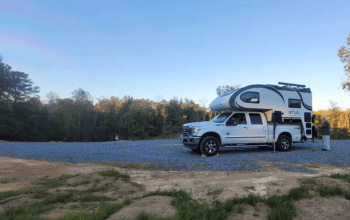
Living in an RV full time is not just about downsizing. It is about redefining what “enough” really means.
Whether you are planning on hitting the road in 2024 or already living in an RV, stepping into 200 square feet changes your mindset. Storage space becomes intentional. Every drawer matters. Every possession earns its place.
RV minimalism is not about giving up comfort. It is about living with less clutter, more clarity, and greater freedom.
And that freedom extends beyond your living space. It also applies to how you plan your RV life on the road.
Key Takeaways
- RV minimalism focuses on living with less while maintaining comfort.
- Downsizing requires a mindset shift, not just getting rid of stuff.
- Smart storage solutions help maximize space in small RVs.
- Decluttering is essential for full-time RV living.
- Digital tools reduce physical clutter and simplify daily life.
- Flexible travel planning tools like Hookhub support minimalist RV living.
Why RV Minimalism Is More Than Downsizing
In a traditional home, it is easy to accumulate too much stuff. Extra closets and bins hide clutter. In 200 square feet, clutter becomes visible immediately.
Living in an RV forces intentional decisions.
You begin to ask:
- Do I use this regularly?
- Does this serve a clear purpose?
- Is this sentimental or simply stored out of habit?
The minimalist lifestyle aligns naturally with full-time RV living because space demands discipline. It is easy to cram a cabinet or drawer, but doing so reduces comfort quickly.
When you live small, simplicity replaces excess.
Shifting to a Minimalist Mindset for Full-Time RV Living
Before you downsize your possessions, you must shift your mindset.
Living full-time in a motorhome, truck camper, or self-converted rig requires accepting that you cannot bring everything from your previous life. This is not about sacrifice. It is about alignment.
Many full-time RVers say that downsizing was one of the best decisions they made. It helped them separate identity from possession.
A single coffee mug that carries meaning may stay. Five extra mugs do not.
A hobby that fits in one bin can remain part of your RV lifestyle. A hobby that consumes half your storage space may need rethinking.
Minimalism in RVing is not about removing comfort. It is about removing distraction.
Practical Downsizing: How to Get Rid of Stuff
Decluttering is the foundation of RV minimalism.
Start with categories rather than rooms: clothes, kitchen tools, books, and miscellaneous items.
If you have not used something in a year, question whether it belongs in your limited living space. If it exists for a rare scenario, ask whether that situation truly justifies the space it occupies.
Digitizing is one of the most powerful strategies in tiny living. Documents, photos, and media can be stored securely online. A Kindle replaces dozens of books. Streaming platforms such as Netflix eliminate the need for physical DVDs.
Living in an RV does not require giving up entertainment. It requires smarter storage decisions. When you get rid of stuff intentionally, you free up mental energy along with physical space.
Smart Storage Solutions That Maximize Space
Every RV requires thoughtful organization.
Vertical storage is essential. Wall-mounted shelves, hanging organizers, and stackable bins allow you to maximize space without overcrowding.
Drawer dividers prevent clutter buildup. Clear bins make it easy to see what you own. Labeling reduces confusion and prevents the dreaded miscellaneous drawer from growing out of control.
Multi-purpose furniture also supports minimalist living. Many RVs include under-bed storage, convertible seating, or hidden compartments. Use them intentionally instead of filling them automatically.
Storage space is not about fitting more in. It is about making daily life smoother.
Living Comfortably in a Small Space
Living in 200 square feet can feel tight at first. With good systems, it becomes surprisingly comfortable.
In the kitchen, limit tools to essentials. One high-quality knife, one cutting board, and versatile cookware often replace a full cabinet of gadgets.
In the bathroom, compact organizers keep toiletries contained. A small shower encourages fstreamlined products and multi-use solutions.
If you are sharing the space, define personal zones. Even a small divider, designated drawer, or dedicated bin can create a sense of belonging within shared living space.
Comfort in RV living comes from order and intention.
Planning Travel Without Adding Stress
Minimalism is not only about what you carry. It is also about how you travel.
Full-time RV living means regularly finding new places to park, camp, and rest. Traditional RV parks with full hookups are helpful, but they can fill quickly, especially during peak seasons. RV travel continues to grow across North America, according to the RV Industry Association, which means popular destinations often book out far in advance.
For minimalist RVers who value flexibility, planning tools matter.
Hookhub supports full-time RV travelers by helping them find flexible overnight RV parking options when traditional campground reservations are full or unavailable. Instead of overpacking your schedule or locking into rigid reservations months in advance, you can travel with more confidence and adaptability.
When your living space is simplified and your travel planning is supported, RV life feels lighter.
Maintaining Hobbies While Living Small
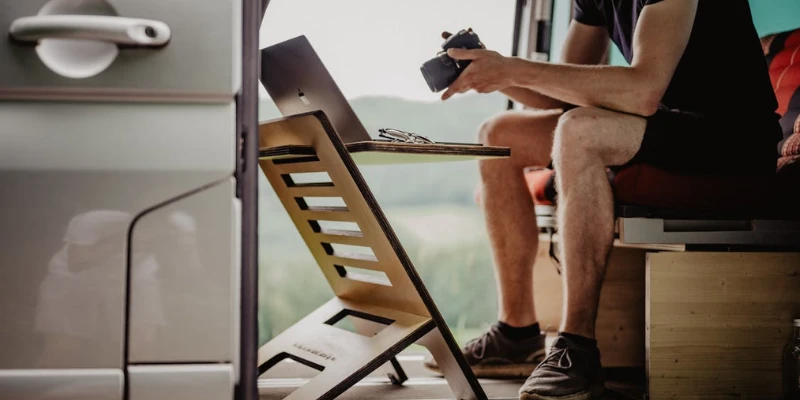
One common concern about tiny living is losing hobbies.
In reality, minimalism refines them.
Digital entertainment options require very little space. A laptop, reliable Wi-Fi, and streaming access replace bulky media collections. Online learning, reading on a Kindle, or creative digital hobbies fit easily into small living spaces.
Outdoor activities also become central to RV life. Hiking, biking, fishing, and exploring new destinations require minimal interior storage while offering meaningful fulfillment.
Many RV travelers plan these experiences around where they stay, especially when researching where RVs can park overnight outside traditional campgrounds.
Avoiding Clutter Creep in Full-Time RVing
Even committed minimalists can accumulate clutter over time.
Souvenirs, gear upgrades, and impulse purchases slowly fill drawers and bins. Without discipline, storage solutions become overcrowded.
Adopt a one-in, one-out rule. If you add something new, remove something old.
Review your belongings every few months. Many long-term travelers also evaluate the pros and cons of hosting RV travelers on private land when considering flexible overnight stay options. Ask whether each item still serves your RV lifestyle.
Minimalism is not a one-time purge. It is ongoing awareness.
The Emotional Side of Living With Less
Downsizing often surfaces emotions.
Sentimental belongings can feel difficult to release. Many RVers keep a small memory bin to limit how much they hold onto. Physical boundaries create intentional decisions.
Living small, whether in a tiny house or RV, often leads to greater fulfillment. The amount of stuff decreases, but experiences increase.
Research from the American Psychological Association suggests that reducing material clutter can improve mental clarity and reduce stress.
Over time, many discover that living with less feels liberating rather than limiting.
Final Thoughts: Simplicity Inside, Flexibility Outside
RV minimalism is about intention.
You choose what stays in your 200 square feet. You choose what leaves. You choose what truly matters.
Living in an RV full time requires planning, discipline, and a shift in mindset. It also offers clarity and mobility.
When your interior space is simplified and your travel plans are supported by flexible options through the Hookhub platform, balance follows. You reduce clutter inside your rig and unnecessary pressure in your schedule.
Minimalism frees your living space.
Smart planning frees your journey.
Together, they make RV life not just possible but also comfortable and sustainable.
Frequently Asked Questions
Is RV minimalism realistic for full-time RV living?
Yes. With intentional decluttering, smart storage solutions, and a minimalist mindset, full-time RV living can be both comfortable and sustainable.
How do I start downsizing before moving into an RV?
Begin by decluttering by category. Digitize documents and media. Evaluate what you truly use and remove items that do not support your new lifestyle.
Can I maintain hobbies while living in an RV?
Absolutely. Many hobbies adapt well to small spaces, especially digital and outdoor activities. Intentional choices allow you to enjoy interests without overcrowding your RV.
Does minimalist RV living feel restrictive?
It may feel like an adjustment at first. Over time, many people find it surprisingly liberating and aligned with a simpler way of living.
How does Hookhub support full-time RV travelers?
Hookhub helps RV travelers find flexible overnight RV parking options when traditional campground reservations are not available. It supports adaptable travel planning while maintaining simplicity on the road.