Quick Answers
- Montezuma Castle is a five-story, 20-room Sinagua cliff dwelling built between 1100 and 1350 CE — one of the best-preserved prehistoric dwellings in North America, with no camping on site
- The monument is a day-use facility — all overnight stays require a base camp in Camp Verde, Cornville, or the surrounding Verde Valley
- Beaver Creek Campground in Coconino National Forest is the nearest rustic campground, about 5 miles south, with 28 sites for rigs up to 36 feet and no hookups
- Private farm stays near Cornville through Hookhub are 15-20 minutes from the monument, with full hookups starting at $90 per night
- Montezuma Well, the monument’s second unit with Hohokam irrigation canals and cliff dwellings, is 11 miles north and free to enter
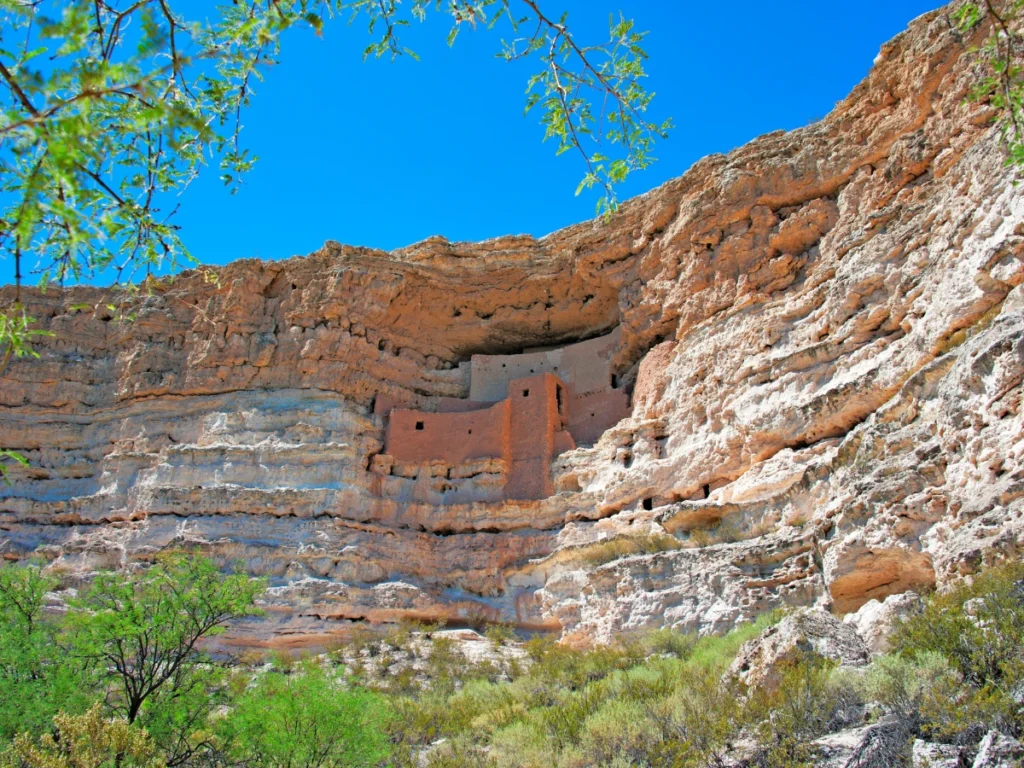
Eight hundred years ago, the Sinagua people built a five-story apartment complex into a natural limestone cliff above Beaver Creek in what is now central Arizona. They fitted 20 rooms into the alcove with such precision that no mortar repairs were needed for centuries. They abandoned the site around 1425 CE, for reasons still not fully understood. And the cliff face held the structure so well that when President Theodore Roosevelt designated Montezuma Castle National Monument in 1906, he called it a place “of the greatest ethnological value and scientific interest” — one of the first four national monuments in the United States.
The name is a misnomer. The Sinagua people had no connection to the Aztec emperor Montezuma. 19th-century explorers attached the name based on a popular misconception, and it has remained ever since. The dwelling itself predates Montezuma by hundreds of years. That cultural story is the first thing the ranger at the Visitor Center will tell you, and it is worth understanding before the self-guided loop trail puts you in front of the cliff face.
What Is Montezuma Castle National Monument?
The monument protects 859 acres of Verde Valley landscape centered on two related Sinagua archaeological sites. The Castle itself — the five-story cliff dwelling visible from the main loop trail — was built and inhabited by the Sinagua people between approximately 1100 CE and 1350 CE. Historians believe Sinagua women were the primary builders, constructing the 20 rooms directly into a natural alcove in the limestone cliff face approximately 100 feet above the valley floor. Several of today’s Hopi clans trace their ancestry to the Sinagua, who occupied the Verde Valley and the Flagstaff area from roughly 500 CE to 1425 CE.
The name “Montezuma’s Castle” was attached by 19th-century American explorers who incorrectly associated the cliff dwelling with the Aztec ruler of Mexico. The misnaming stuck despite having no historical basis — the Sinagua and the Aztec Empire had no known connection.
The Visitor Center at the monument entrance houses interpretive exhibits on Sinagua culture, architecture, and the Verde Valley landscape. A park store carries books, apparel, and collectibles. The self-guided loop trail is a paved path under half a mile long that runs directly below the cliff face, offering close-up views of the dwelling and interpretive panels explaining each level’s construction and use. Visitors cannot enter the dwelling itself — it is a ruin preserved in place — but the trail brings you within view of the rooms’ doorways and the cliff’s remarkable preservation.
What Can You Do Near Montezuma Castle and the Verde Valley?
Montezuma Well: The monument’s second unit is located approximately 11 miles north of the Castle, near the community of Rimrock. Montezuma Well is a natural limestone sinkhole fed by constant underground springs, surrounded by cliff dwellings and Hohokam irrigation canals dating back over 1,000 years. The well produces 1.5 million gallons of water per day. The canals that channeled this water to agricultural fields are still visible along the outlet channel — one of the most legible surviving examples of prehistoric water management in the Southwest. Admission is free. Plan 60-90 minutes.
Fort Verde State Historic Park: The adobe officers’ quarters and military buildings of the 1860s-1890s US Army fort sit in the town of Camp Verde, about 3 miles from Montezuma Castle. Fort Verde was central to the Verde Valley campaigns of the Apache Wars. The State Historic Park preserves the original structures, period furnishings, and interpretive programs. A natural complement to the prehistoric Sinagua story at the monument.
Jerome: The copper mining ghost town perched on Cleopatra Hill above the Verde Valley is approximately 25 miles west via SR-89A over Mingus Mountain. Jerome was once the fourth-largest city in the Arizona Territory. Today, it is a destination for galleries, restaurants, and historic architecture, all packed into narrow switchback streets, with panoramic views of the valley and the red rock country to the north. The drive up the mountain from Cottonwood is one of the most scenic in the state. Note: the road to Jerome is steep and winding — use a tow vehicle rather than a full rig.
Sedona: The red rock landscape begins approximately 15 miles north via I-17 and SR-179. Sedona’s combination of dramatic geology, hiking trails, art galleries, and culinary culture makes it the most visited destination in the Verde Valley. The Cathedral Rock and Bell Rock formations, Oak Creek Canyon, and Slide Rock State Park are all accessible within 20-30 minutes of the Montezuma Castle base camp corridor.
Verde River: The Verde River runs through the valley and offers access to kayaking, fishing, and a wildlife corridor. Trout fishing is productive in the upper Verde watershed. The Verde Ranch RV Resort has direct river access for guests, and the Beasley Flat recreation area on the Verde in the Coconino National Forest provides informal river access for day visitors.
Verde Valley Wine Country: The Cornville and Page Springs corridor south of Sedona hosts a concentration of artisan wineries — Page Springs Cellars, Javelina Leap Vineyard, Alcantara Vineyards, and Oak Creek Vineyards are all within a short drive of the Montezuma Castle base camp area. The High Desert Ranch Petting Farm listing on Hookhub sits within this wine country corridor, with multiple wineries visible on the listing map.
When Is the Best Time to Visit?
Spring (March through May) and fall (September through November) are the strongest seasons for the Verde Valley. The monument sits at approximately 3,200 feet — cooler than Phoenix but warmer than Flagstaff — with comfortable hiking temperatures in the 60s to low 80s through much of spring and fall.
The sycamore trees along Beaver Creek below the cliff dwelling are among the region’s underappreciated seasonal attractions: they turn brilliant yellow and orange in November, framing the cliff face against the fall foliage in a way that summer visits do not offer.
Summer is manageable in the morning hours — the Verde Valley reaches the 90s and occasionally higher in July and August, but the monument’s early opening time means the loop trail can be walked before the heat peaks. Monsoon season from July through September brings afternoon thunderstorms that clear quickly, leaving the valley air unusually clean.
Winter visits are quiet and pleasant, with the monument operating year-round. Weekday winter visits in January and February often provide the loop trail entirely to yourself.
Where to Park Your RV Near Montezuma Castle National Monument
The monument has no camping. All overnight stays require base camping outside the park boundary.
Beaver Creek Campground — Coconino National Forest
The nearest rustic campground to the monument is the Beaver Creek Campground in the Coconino National Forest, approximately 5 miles south. The campground has 28 sites accommodating rigs up to 36 feet with picnic tables, fire rings, and cooking grills at each site. No hookups — drinking water and vault toilets are the only facilities. Individual sites are first-come, first-served. Group sites accommodate 1 to 80 people and require reservations.
The setting is riparian rather than open desert — Beaver Creek runs nearby, and the campground sits under a cottonwood and sycamore canopy. It is an inexpensive, rugged camping experience with excellent proximity to the monument for early-morning visits and good access to the V Bar V Heritage Site petroglyph panel, approximately 3 miles south.
Verde Ranch RV Resort — Camp Verde
For full-service, resort-style RV camping with hookups, a pool, and a dog park, Verde Ranch RV Resort in Camp Verde is the primary commercial option in the area. Big-rig-friendly sites with full hookup, including sewer and high-speed WiFi. Pool, splash pad, dog park, and direct Verde River access. Located off the highway with easy access to Montezuma Castle, Sedona, and the broader Verde Valley attractions. A premium camping experience at a premium price point.
High Desert Ranch Petting Farm — Cornville via Hookhub
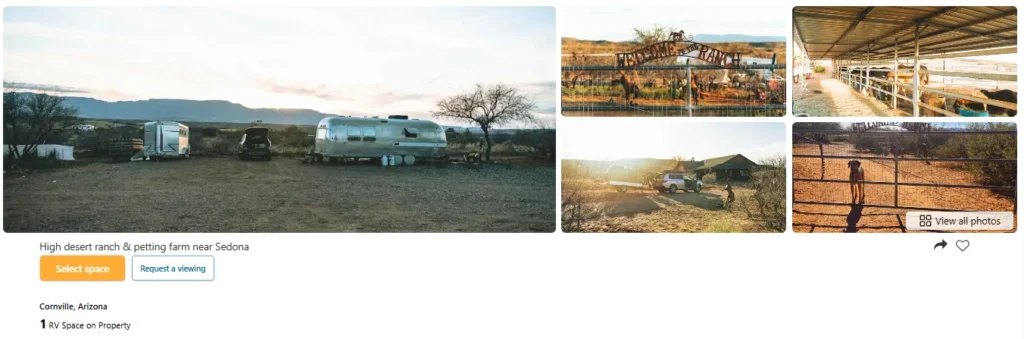
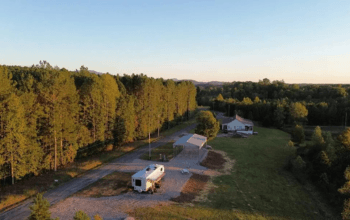
The High Desert Ranch Petting Farm in Cornville is listed on Hookhub, which produced this guide. The property is a small working farm sanctuary and petting farm on Oak Creek, south of Sedona, approximately 15-20 minutes from Montezuma Castle.
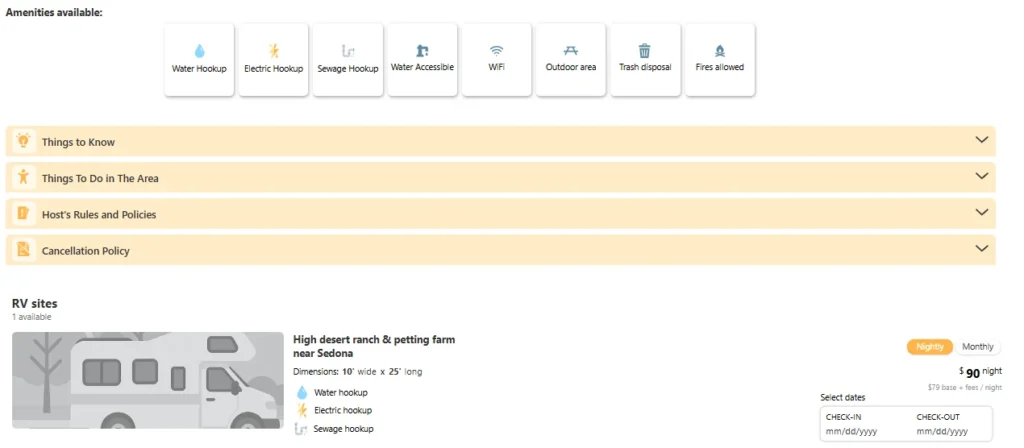
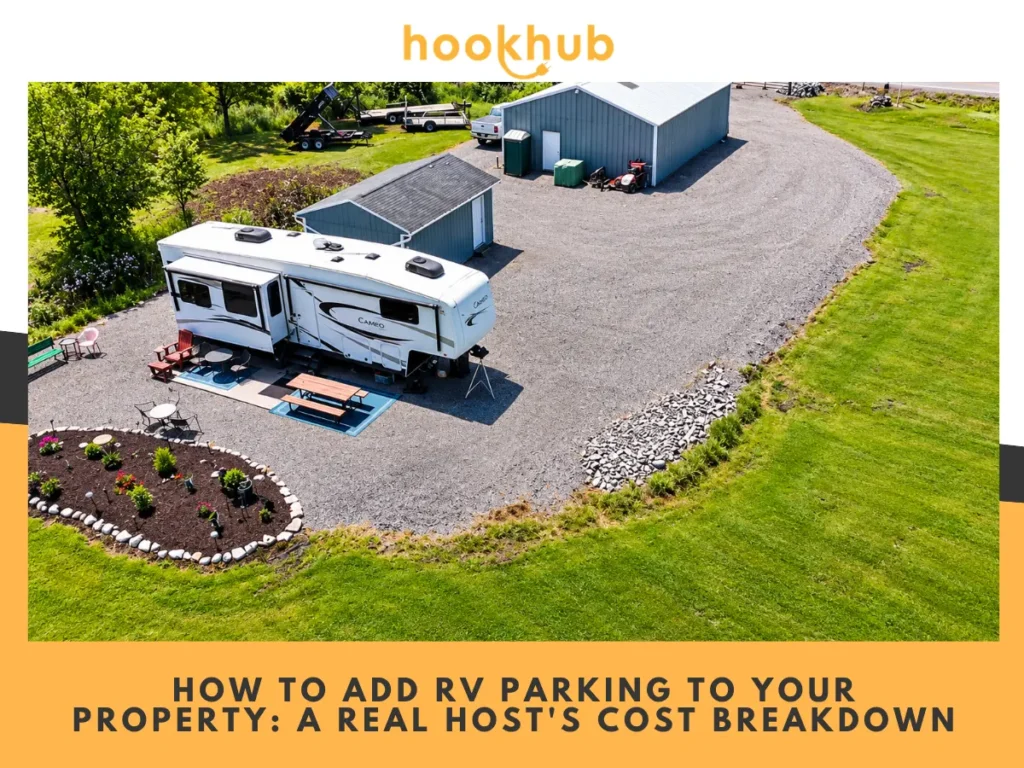
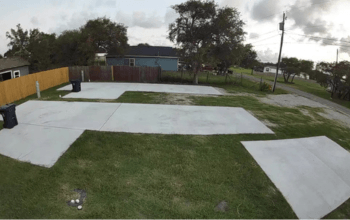
The single RV site is 10 feet wide by 25 feet long with full hookups — water, electric, and sewer — at $90 per night. This site accommodates Class B motorhomes, smaller Class C rigs, camper vans, and compact travel trailers. ⚠️ Full-size Class A motorhomes, large fifth wheels, and rigs over 25 feet in length will not fit this site. Confirm your rig dimensions with the host before booking.
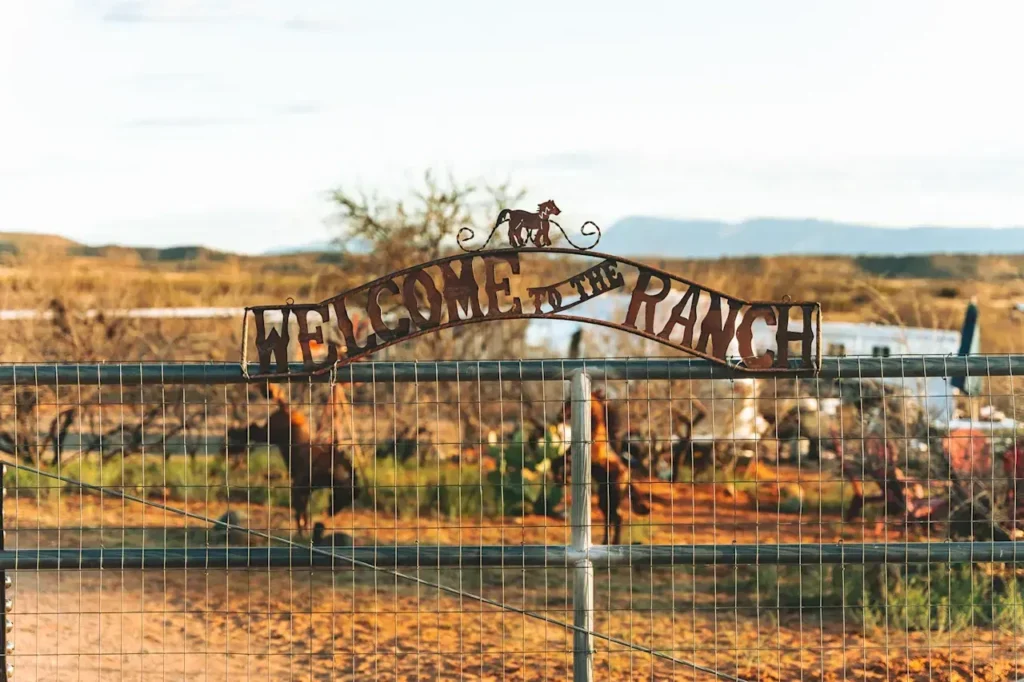
The farm’s character is distinctive: friendly farm animals, including goats, chickens, and rescue animals, are on the property, and the working farm sanctuary setting is genuinely rural despite being within a short drive of Sedona’s wine country. Multiple wineries — Page Springs Cellars, Javelina Leap, and others — are visible on the listing map. Mountain and sunset views, free WiFi, and an outdoor area round out the amenities.
The Verde Valley wine country setting positions this listing well for travelers who want to combine a cultural visit to Montezuma Castle with an afternoon wine tasting and a quiet farm stay in the evening.
Search for current private RV parking in Cornville and Camp Verde for availability and rates.
Practical Trip Planning
Fuel: Camp Verde has fuel along AZ-260 and AZ-169. Cottonwood (10-12 miles northwest) has a full commercial corridor with fuel, groceries, and services.
Groceries: Camp Verde has grocery options. Cottonwood has a larger commercial selection, including chain grocery stores. Cornville has limited local options — plan resupply in Cottonwood before arriving.
Dump station: No dump station at the monument. Beaver Creek Campground has vault toilets only — no dump station. Verde Ranch RV Resort has dump station access for guests. Plan dump station stops in Camp Verde or Cottonwood.
Getting there: From Phoenix (90 miles): I-17 North to Exit 289 (Montezuma Castle Road). From Sedona (15 miles): SR-179 South to I-17 South. From Flagstaff (45 miles): I-17 South. The monument entrance is well-signed from I-17.
FAQ
Who built Montezuma Castle, and why is it called Montezuma’s Castle?
The Sinagua people built the cliff dwelling between approximately 1100 CE and 1350 CE. The Sinagua were a pre-Columbian culture of the Verde Valley and the Flagstaff area, and several of today’s Hopi clans trace their ancestry to them. The name “Montezuma” was incorrectly applied by 19th-century American explorers who associated it with the Aztec emperor of Mexico — the Sinagua and the Aztec Empire had no historical connection. The name has remained the official designation since President Roosevelt established the monument in 1906, but the rangers at the Visitor Center address the misnaming as part of the interpretive program.
Can I bring a large Class A motorhome or 40-foot fifth wheel to camp near Montezuma Castle?
Yes, for the Verde Ranch RV Resort in Camp Verde, which accommodates big rigs. Beaver Creek Campground in Coconino National Forest accommodates rigs up to 36 feet. The High Desert Ranch Petting Farm on Hookhub has a 10×25 site suited for smaller rigs only — Class B, smaller Class C, and compact travel trailers. Confirm your rig size with the host before booking the Hookhub listing.
Is it worth visiting both Montezuma Castle and Montezuma Well on the same day?
Yes — the two units are 11 miles apart and together provide a complete picture of Sinagua and Hohokam culture in the Verde Valley. The Castle takes about 30-45 minutes to complete the loop trail and visit the visitor center. Montezuma Well, with its sinkhole, irrigation canals, and cliff dwellings around the rim, takes another 45-60 minutes to visit. Both can be visited in a comfortable half-day, leaving the afternoon for Sedona, Jerome, Fort Verde State Historic Park, or wine tasting in the Cornville corridor.
Ready to plan your Verde Valley trip?
Find private RV parking near Cornville and Camp Verde and check current host availability.