



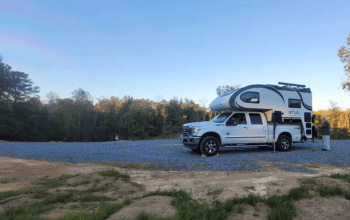
Ignoring small maintenance issues can turn into costly RV repairs fast. A worn tire, a minor roof seal leak, or a skipped brake inspection can lead to unexpected breakdowns and expensive service bills.
Whether your RV is a motorhome, travel trailer, or fifth wheel, following a structured RV maintenance schedule protects your investment and gives you peace of mind.
This ultimate RV maintenance checklist breaks down what to inspect monthly, quarterly, seasonally, and annually so you can maintain your RV properly and avoid costly repairs.
Want the quick-reference version?
Save or print this one-page RV maintenance checklist before your next trip.

Key Takeaways
- Regular RV maintenance prevents costly breakdowns and extends your RV’s lifespan.
- A structured RV maintenance schedule helps track monthly, seasonal, and yearly tasks.
- Tire maintenance, roof inspections, and brake checks are critical for safe travel.
- Proper maintenance protects your electrical system, propane system, and water heater.
- Staying proactive reduces maintenance costs and keeps your RV in top condition.
Quick mindset shift: RV maintenance is “house maintenance + vehicle maintenance + vibration tax.” Everything moves, flexes, and rattles. Your checklist keeps that chaos on a leash.
Many RV owners now use online RV planning tools to track maintenance schedules alongside trip planning. When organizing routes and campground stops, platforms like Hookhub can help RVers coordinate stay locations while keeping long-term RV care organized.
Why Regular RV Maintenance Matters

Regular maintenance on your RV is not optional. It directly impacts safety, performance, and long-term value.
Prevent Costly Repairs and Breakdowns
Small problems grow quickly in RV life. A minor roof seal failure can cause interior water damage. Low tire pressure can lead to blowouts. Worn brake pads can turn into dangerous failures while towing a trailer.
Routine maintenance checks help catch issues before they become costly RV repairs.
Extend the Life of Your Motorhome or Travel Trailer
Wear and tear is inevitable, but proper maintenance slows it down. Lubricating moving parts, tightening lug nuts, checking wheel bearings, and inspecting seals keeps your RV well-maintained for years.
Whether your RV is used for weekend trips or full-time RV travel, regular RV maintenance protects its long-term value.
Ensure Safe Travel
Safety systems must work properly every time you travel.
This includes:
- Carbon monoxide detector
- Propane detector
- Turn signals and brake lights
- Brake system
- Electrical system
- Tire condition and tire pressure
According to the RV Industry Association (https://www.rvia.org/), proper RV care is one of the most important responsibilities of any RV owner.
The “3 Biggest RV Maintenance Money Pits” (So You Watch Them First)
These three categories cause the most expensive surprises:
- Water intrusion (roof + seams + windows)
A tiny leak today can become delamination, mold, flooring rot, and a huge repair later. - Tires (age + pressure + load)
Most RV tires age out before they wear out. Underinflation plus heat plus speed is the blowout recipe. - Neglected systems (brakes, bearings, battery, propane)
These fail quietly, then loudly.
If you only have 20 minutes a month: check seals, tire pressure, and safety detectors.
Essential Tools and Supplies for RV Maintenance
Every RV owner should keep a basic RV maintenance checklist and toolkit onboard.
Basic Tool Kit
- Socket set and wrenches
- Multimeter (for electrical system inspection)
- Tire pressure gauge
- Wheel chocks
- Torque wrench for lug nuts
- Basic wiring tools (including knowing how to rewire an electric trailer tongue jack)
These tools help with routine maintenance, which you can see in action in this step-by-step video guide.
Sealants and Lubricants
Your RV roof and exterior seams require regular inspection. Keep:
- RV roof sealant
- Exterior sealant for windows and seams
- Lubricant for slide-outs and hinges
Checking and resealing early prevents leaks and water damage.
Cleaning Supplies
Regular cleaning protects your RV parts from corrosion and buildup.
- RV-safe exterior cleaner
- Slide-out conditioner
- Black water tank treatment
- Soft brushes for roof and sides of your RV
A clean RV is easier to inspect.
Optional But Worth-It Maintenance Upgrades (For Easier Life)
If your audience is beginner-heavy, this section is gold:
- TPMS (tire pressure monitoring system): catches slow leaks before blowouts
- Surge protector (EMS): protects from bad campground power
- Battery monitor (shunt-based): shows real battery usage, not guessy “voltage vibes”
- Dehumidifier or moisture absorbers: reduces condensation and hidden mold risk
- Seal inspection mirror + headlamp: makes roof/seam checks faster
Monthly RV Maintenance Checklist
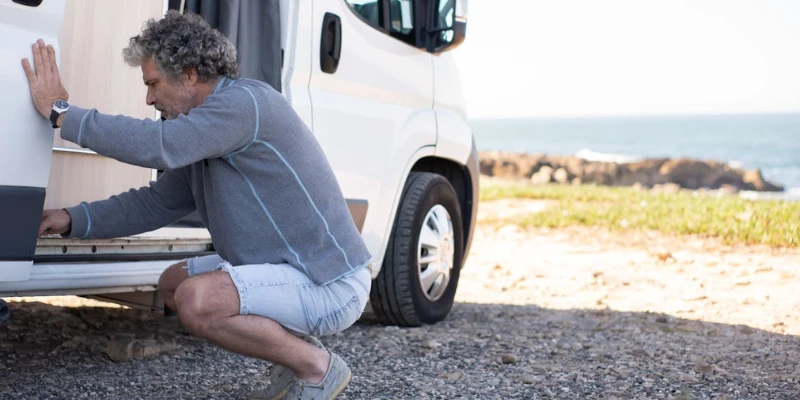
Monthly RV maintenance keeps small problems from turning into breakdowns. Want the quick-reference version?
Save or print this one-page RV maintenance checklist before your next trip.
Exterior Inspection
- Inspect RV tires for cracks, uneven wear, and proper tire pressure
- Check wheel bearings and lug nuts
- Inspect around your RV for visible leaks
- Examine roof seal and exterior sealant
- Inspect slide-out seals
Proper RV tire maintenance is essential for safe travel.
Interior Safety Checks
- Test carbon monoxide detector
- Test propane detector
- Inspect smoke detector
- Check fire extinguisher
- Inspect black water and gray tank levels
Basic Mechanical Inspection
- Check oil level and schedule oil change as needed
- Inspect brake performance
- Check turn signals and brake lights
- Inspect wiring connections
- Test shore power connection
This is RV maintenance 101. Simple monthly maintenance prevents costly issues.
Monthly “2-Minute Walkaround” (Do This Before Every Drive Day)
Add this bite-size sub-checklist for full-timers:
- Check tires (pressure + visible damage)
- Verify lights (brake + turn signals)
- Confirm steps/awning/slide locks are secure
- Quick look for hanging wires/hoses
- Check coupler + safety chains if towing
- Verify propane off (if your routine is to close while driving)
- Confirm nothing is leaking underneath
This prevents the classic “why is there a hose dragging on the highway” moment.
Quarterly RV Maintenance Schedule
Every three months, perform deeper maintenance checks.
Battery and Electrical System Inspection
- Inspect RV battery terminals
- Clean corrosion
- Test battery voltage
- Inspect inverter and converter
- Check breaker panel
- Ensure the electrical system functions properly
A well-maintained RV battery supports every appliance.
Water Heater and Plumbing Inspection
- Inspect water heater for leaks
- Check water lines for cracks
- Sanitize fresh water tank
- Inspect seals around plumbing connections
Leaks left unchecked can cause major interior damage.
Slide-Out Maintenance
- Clean slide-out tracks
- Lubricate moving parts
- Inspect slide seals
- Ensure smooth operation
RV slide-out maintenance prevents expensive mechanical repairs.
Quarterly “Hidden Problem” Checks Most RVers Skip
These are sneaky and valuable:
- Inspect caulking around exterior lights and fixtures
- Check under-sink plumbing fittings for slow drips
- Inspect soft spots near doors/windows (early leak warning)
- Check battery compartment venting and cable tightness
- Inspect shore power cord for heat marks or cracking
- Clean AC shroud area and check for debris (bugs, leaves)
Seasonal RV Maintenance Checklist
Seasonal RV maintenance depends on climate and usage.
Spring Preparation
- Inspect tire condition after storage
- Check tire pressure
- Inspect wheel bearings
- Test appliances
- Flush water heater
- Inspect propane system
Fall Winterization
- Drain water lines
- Add RV antifreeze
- Inspect roof sealant
- Disconnect and maintain RV battery
- Inspect propane lines
Winterizing protects your motorhome or travel trailer from costly damage.
Hot Weather vs Cold Weather Prep (Seasonal Add-On)
Summer/Heat Prep
- Clean AC filters and coils
- Check fridge ventilation (performance drops in heat)
- Inspect window seals and sun-exposed caulking
- Verify tire pressures when cold (heat increases PSI)
Winter/Freeze Prep
- Heated hose or insulation for hookups
- Cabinet vents open near plumbing
- Skirting strategy if staying put
- Freeze alarms or temperature sensor if leaving RV unattended
Annual RV Maintenance Procedures
Yearly RV maintenance is more comprehensive.
Major Systems Inspection
- Inspect brake system
- Service generator
- Inspect propane system
- Check carbon monoxide safety systems
- Inspect hitch if towing a trailer
- Check frame integrity
Roof and Exterior Inspection
- Inspect RV roof for cracks
- Reapply sealant as needed
- Inspect sides of your RV for damage
- Check windows and exterior seams
Roof maintenance prevents leaks and water intrusion.
Appliance Service
- Service refrigerator
- Inspect furnace
- Test air conditioning
- Inspect propane appliances
Appliances that work properly improve RV life and safety.
Annual “Professional Service Considerations” (When DIY Should Stop)
Some items are best handled by a pro for safety:
- Brake service (especially on towables)
- Bearing repack (if you’re not confident)
- Propane pressure/leak testing
- Roof reseal or membrane repair if damage is found
- Suspension inspections (bushings, shackles, alignment)
This section helps readers avoid overconfidence disasters.
Tracking Your RV Maintenance
Keeping track of maintenance steps prevents missed service intervals.
Create a checklist that you can use monthly and yearly. Track:
- Oil change dates
- Tire maintenance
- Brake inspections
- Sealant replacement
- Generator service
- Annual maintenance tasks
Many RV owners now use online RV planning tools to track maintenance schedules alongside trip planning. When organizing routes and campground stops, platforms like Hookhub can help RVers coordinate stay locations while keeping long-term RV care organized.
Proper maintenance isn’t just about repairs. It’s about staying proactive.
Best Way to Track Maintenance (Simple System That Works)
Recommend a super practical method:
- Create a note titled “RV Maintenance Log”
- Add four headings: Monthly, Quarterly, Seasonal, Annual
- Each time you complete a task, log: Date + Mileage + Notes
- Save receipts and photos (especially roof/seal work)
Photos become proof later when selling.
Protect Your RV and Travel with Confidence
A well-maintained RV means fewer breakdowns, lower maintenance costs, and safer travel.
Whether your RV is a motorhome, travel trailer, or fifth wheel, regular RV maintenance protects your investment and keeps your adventures stress-free.
Stick to a monthly RV maintenance routine. Follow seasonal RV maintenance checklist steps. Schedule annual maintenance inspections. Small efforts now prevent costly RV repairs later.
If you’re planning extended RV travel, organizing both your route and maintenance schedule in advance makes a big difference. Staying ahead of service intervals while coordinating campground stops helps ensure your RV stays in top condition throughout every trip.
Maintenance gives you peace of mind. And peace of mind is what RV life is all about.
Frequently Asked Questions
How often should I perform regular RV maintenance?
Monthly RV maintenance checks are recommended, with quarterly inspections and a full yearly RV maintenance review to prevent breakdowns and costly repairs.
What is included in a basic RV maintenance checklist?
A basic RV maintenance checklist includes tire inspection, brake checks, oil change scheduling, roof seal inspection, electrical system testing, and safety detector testing.
Why is RV tire maintenance so important?
Proper RV tire maintenance prevents blowouts, uneven wear, and unsafe driving conditions. Always inspect tire pressure, tread condition, lug nuts, and wheel bearings regularly.
How can I reduce RV maintenance costs over time?
Following a structured RV maintenance schedule, inspecting seals for leaks, servicing appliances annually, and performing regular maintenance checks helps prevent costly RV repairs.