For many, full-time RV living is the ultimate dream—offering freedom, adventure, and the chance to explore new destinations. Yet, this lifestyle also presents unique challenges, especially when it comes to mental health on the road.
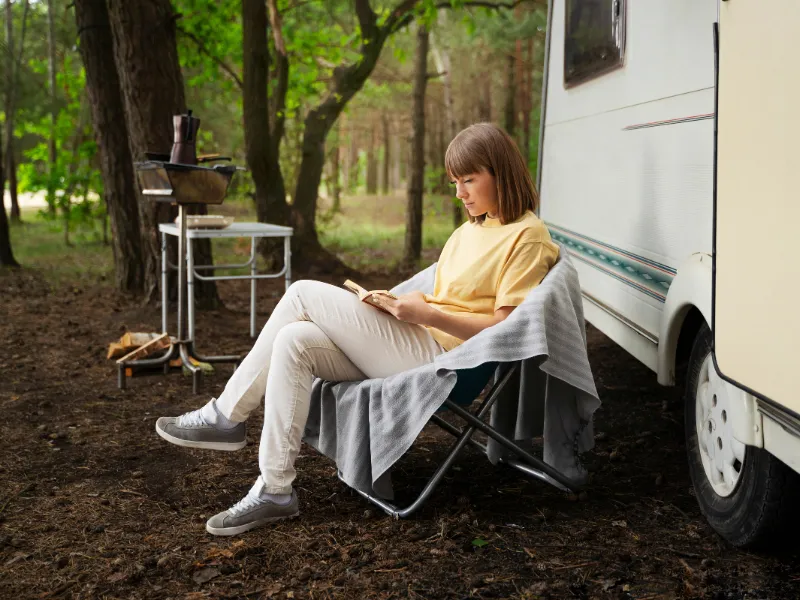
Prioritizing wellness in the RV lifestyle is essential to enjoy the journey. This guide shares practical mental health tips for RVers, including stress management, staying active, and building a supportive community while traveling.
The Unique Mental Health Challenges of RV Living
RV living has its own set of mental health challenges. The freedom of the open road is exciting but also brings stress. This stress can affect your mental well-being.
Limited Space and Privacy Concerns
Living in a small space with little privacy can be stressful, even more so when you’re with others. It can make you feel frustrated and irritable. To deal with this, RVers can set boundaries. For example, they can have personal areas in the RV or take time alone.
Strategies for Managing Limited Space:
- Create a personal sanctuary within the RV
- Establish a routine for alone time
- Use storage solutions to minimize clutter. You can also check out these best RV accessories that make small-space living more organized and comfortable.
Dealing with Uncertainty and Constant Change
RV living means always moving and changing environments. This can make you feel uncertain and unstable. For those who like routine, this can be tough. RVers can find stability by sticking to daily routines and staying in touch with loved ones.
The impact of uncertainty on mental health is real. RVers can take steps to keep their mental health strong by facing these challenges head-on.
“Great RV hosts provide more than a place to park—they create micro-communities where travelers feel both grounded and free. The magic lies in balancing mobility with a sense of belonging, turning each stop into a chapter of home along the journey.”
Caylee Shea Harrington, CEO of Hookhub
| Coping Mechanism | Description | Benefits |
| Daily Routines | Establishing a consistent daily schedule | Provides a sense of stability and normalcy |
| Staying Connected | Regular communication with family and friends | Maintains emotional support and connection |
| Mindfulness Practices | Engaging in mindfulness exercises and meditation | Reduces stress and increases calm |
Weather Impacts on Mood and Plans
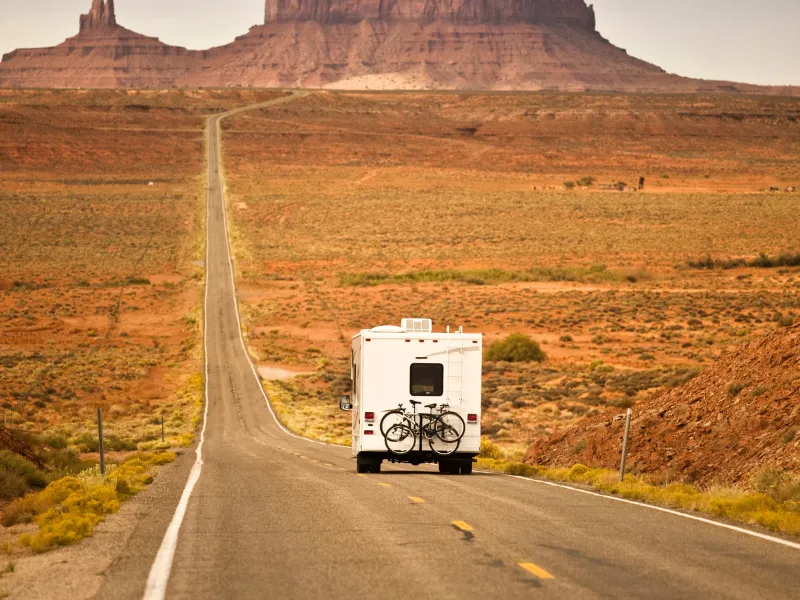
Weather can greatly affect RVers’ moods and plans. Bad weather can make you feel frustrated and disappointed. But good weather can lift your spirits and make your RV trip better. Being flexible and having backup plans can help deal with weather changes.
Understanding and tackling these mental health challenges can help RVers stay positive and healthy while on the road.
RV Living Mental Health Benefits
RV living offers freedom and adventure, which can positively influence mental health. While this lifestyle presents certain challenges, it also provides unique opportunities to enhance overall well-being.
Connection with Nature and Its Positive Effects
Being in nature is strongly linked to better mental health. RV living provides access to diverse natural settings, from forests to coastlines. Outdoor exposure can lower stress, improve mood, and ease symptoms of anxiety and depression.
Research shows that spending time in green spaces significantly reduces stress and enhances well-being, as seen in this systematic review on nature exposure and mental health. Practices such as forest bathing are also associated with mood improvements and lower anxiety.
Freedom from Traditional Stressors
RV living allows individuals to leave behind stressors such as long commutes and office politics. This lifestyle fosters a more relaxed and flexible environment that supports mental wellness.
Opportunities for Personal Growth Through New Experiences
The RV lifestyle is rich in new experiences and adventures. Exploring new places, trying new activities, and meeting diverse people provide opportunities for self-discovery. These experiences can strengthen confidence, resilience, and a sense of purpose—factors that play a vital role in mental health.
How to Create a Stable Daily Routine on the Road
Keeping a daily routine is challenging during frequent travel—but essential for mental well-being. Routines offer a sense of stability and normalcy even amid constant change.
Start Morning Rituals for Mental Clarity
Begin your day with a morning ritual can make it better. It could be drinking coffee on your RV’s deck, doing yoga, or writing in a journal. As one source says,
“Allow room in your travels for routine.”
Having a morning ritual can clear your mind and get you ready for the day.
- Start with a gentle morning stretch or yoga.
- Enjoy a quiet cup of coffee or tea outside.
- Take a few minutes to journal or plan your day.

Balance Exploration with Necessary Downtime
Exploring new environments is invigorating, but sufficient downtime is crucial to prevent burnout. Thoughtfully planning both activity and rest helps maintain energy and mental equilibrium.
| Activity | Exploration | Downtime |
| Monday | Hike at a nearby park | Read a book in the RV |
| Tuesday | Visit a local attraction | Take an afternoon nap |
Maintain Sleep Hygiene in Changing Environments
Good sleep hygiene supports both physical and mental health, especially in unfamiliar or shifting environments. Simple habits—like sticking to a consistent bedtime, using blackout curtains, and avoiding screens before bed—can promote restorative sleep while on the road.
Research confirms that maintaining routines and sleep hygiene during travel significantly improves mental health and overall well-being (WebMD).
How to Build Community While Full-Time RVing
Community is essential for mental health while RVing, and long-term RV parks are some of the best places to connect with others. They’re more than parking spots—they offer opportunities to build friendships and find support.
By understanding the unwritten rules of RV parks, you can create stronger connections and feel more at home on the road.
Find Your Tribe at Campgrounds
Campgrounds often host events that encourage RVers to connect. Attending these activities, starting clubs, or simply chatting with neighbors can foster a sense of belonging. Potluck dinners, game nights, and similar gatherings provide easy opportunities to build friendships.
Ways to Connect at Campgrounds:
- Participate in campground events and activities
- Join or start RV clubs
- Do group hikes or bike rides
Look for Digital Nomad Communities and Resources
There’s also a digital nomad community to explore. Online forums, social media groups, and websites are full of RVers and digital nomads. Sites like RV Life offer mental health tips for RVers.
Engaging with digital nomads has many benefits:
| Benefit | Description |
| Support Network | Connect with those facing similar challenges |
| Resource Sharing | Get tips and advice from experienced RVers |
| Social Opportunities | Meetups and gatherings organized by the community |
Maintain Long-Distance Relationships
Building a community on the road is important, but maintaining connections with loved ones is equally essential. Technology makes this possible through video calls, social media, and care packages.
Here are ways to keep long-distance relationships strong:
- Have regular video calls
- Share your life on social media or a blog
- Send care packages to show you care
By engaging in campground communities, using digital nomad resources, and staying connected with loved ones, a strong support network can be built—an essential factor for mental health while living on the road.
Physical Activity Strategies for RV Living Mental Health
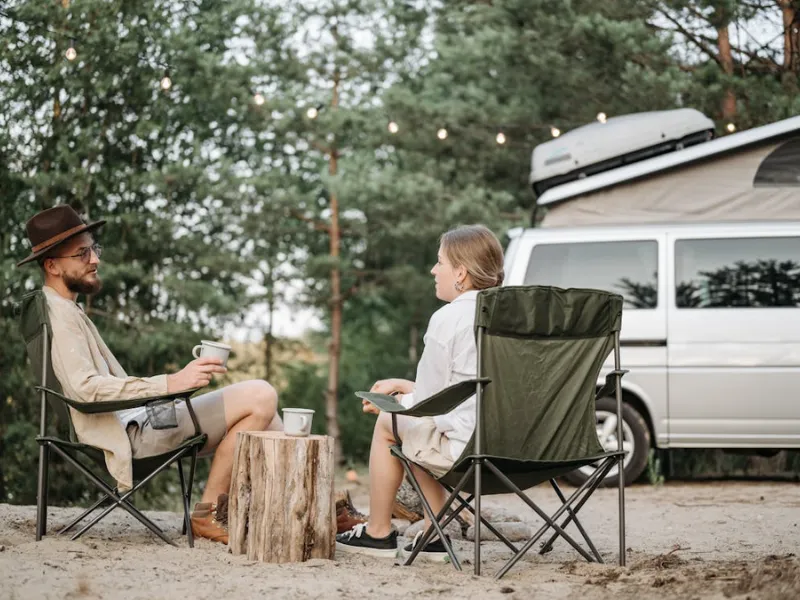
Physical activity is essential for both physical and mental health, and it plays an even greater role in the RV lifestyle. Regular movement boosts energy levels, improves mood, and supports overall well-being.
“You don’t need a gym to get in or stay in shape; you simply need to move a part of your everyday life.” This is true for RV living, where space is tight and gyms are hard to find.
Incorporate Outdoor Activities into Your Daily Routine
RV living provides regular opportunities to connect with nature.
Outdoor activities can easily be integrated into a daily routine, such as:
- Taking a morning walk around the campground
- Doing some yoga on the RV’s deck or a nearby picnic table
- Engaging in outdoor chores like gardening or washing the RV
Exercise Options with Limited Space
Even with limited space, exercise is still possible.
Here are some ideas:
- Bodyweight exercises like push-ups, squats, and lunges
- Resistance band exercises
- Following along with fitness videos on a tablet or laptop
These exercises can be done in short intervals, fitting into a busy RV schedule.
Use Biking and Hiking to Explore New Destinations
Biking and hiking are excellent ways to combine exploration with exercise. Many campgrounds provide bike rentals or are located near hiking trails.
Travelers can:
- Plan routes around bike-friendly roads and trails
- Research local hiking trails and parks
- Bring bikes along in the RV to explore new areas
These activities make it possible to explore new places while supporting both physical and mental health.
| Activity | Benefits | Tips for RVers |
| Biking | Improves cardiovascular health, boosts mood | Pack a portable bike repair kit, and research bike-friendly routes |
| Hiking | Enhances mental clarity, provides exercise | Choose trails suitable for your fitness level, and wear comfortable shoes |
| Yoga | Reduces stress, improves flexibility | Find a quiet spot, use a yoga mat or towel |
Incorporating activities such as biking, hiking, and yoga into the RV lifestyle helps maintain well-being. Whether through outdoor recreation, compact exercises, or active exploration, there are many ways to stay healthy on the road.
How to Manage Stress and Anxiety on the Road
Life on the road is exciting but also comes with unique stressors. Constant travel and adjustment to new environments can sometimes lead to feelings of stress and anxiety.
Deal with Travel-Related Stressors
Stressors such as navigating unfamiliar roads and managing RV issues can take a toll on mental health.
Practical strategies to reduce these challenges include:
- Planning routes in advance to minimize navigation stress
- Performing regular RV maintenance to prevent mechanical problems
- Take breaks during long drives to rest and recharge
Begin Mindfulness and Meditation Practices for RVers
Mindfulness and meditation are effective practices for managing stress and anxiety.
Incorporating them into a daily routine can:
- Reduce stress and anxiety through deep breathing exercises
- Improve mental clarity and focus
- Enhance overall well-being
Simple mindfulness activities, such as noticing the surroundings or practicing gratitude, can be done anywhere—even on busy travel days.
Create a Calming Environment in Your RV
Living space strongly influences mental health. Designing the RV as a calming environment can help reduce stress and encourage relaxation.
Effective strategies include:
- Using soothing colors and decor
- Incorporating plants or natural elements
- Utilizing aromatherapy or calming scents
These simple adjustments can transform an RV into a peaceful retreat that supports mental well-being while on the road.
How to Find Purpose and Meaning in the RV Lifestyle
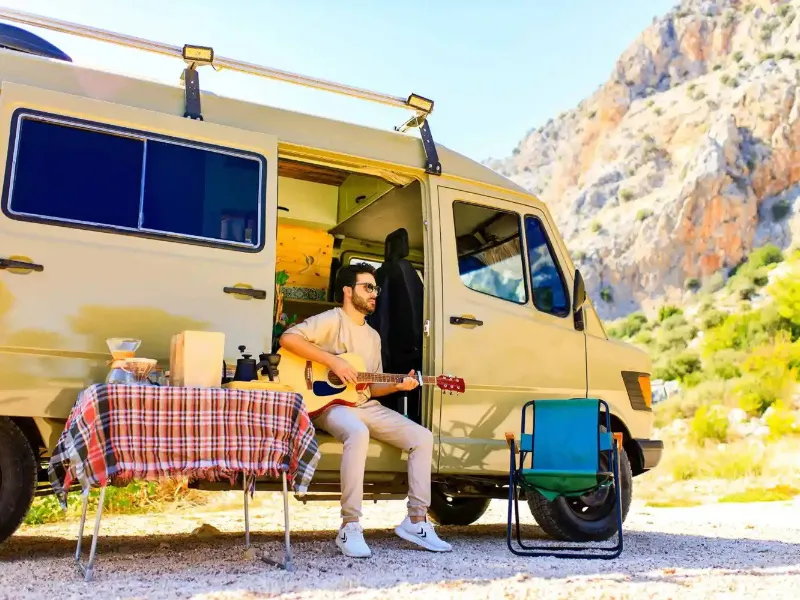
Starting the RV lifestyle requires finding purpose and meaning to support mental health. While the freedom and adventure of RV living can be fulfilling, the absence of direction may lead to feeling ungrounded.
Pursue Passions and Hobbies While Traveling
The RV lifestyle offers opportunities to pursue passions and hobbies in new environments. Activities such as photography, writing, or painting can bring joy, while trying new hobbies like kayaking or hiking may uncover hidden talents.
Scenic landscapes often inspire creativity, turning the RV journey into a path of self-discovery and personal growth.
Volunteer and Giving Back in Different Communities
Volunteering is a meaningful way to find purpose while RVing. Helping in different places creates a positive impact and builds connections with others.
- Conservation projects
- Community events
- Animal shelters
These activities are rewarding, giving us a sense of belonging and connection.
Set Personal Growth Goals for Your RV Adventure
Setting personal growth goals helps maintain motivation and focus while traveling. Achievable goals encourage self-improvement and provide a sense of direction.
These can include:
- Learn a new language
- Improve physical fitness
- Practice mindfulness and meditation
By prioritizing personal growth, the RV lifestyle becomes more than travel—it becomes a journey of continuous self-development.
Embracing the Mental Health Journey in Your RV Life
Living full-time in an RV has unique challenges and rewards. Supporting mental health is essential to enjoy this lifestyle fully.
Connecting with nature, following a routine, building community, and staying active all help maintain balance. By prioritizing well-being, RV living becomes not just an adventure but a sustainable and fulfilling way of life.