Utah Valley can be an appealing place to settle into an RV for a month or longer, especially for travelers who want access to Provo, Orem, Utah Lake, and the surrounding mountains without committing to a short-term campground stay. The challenge is finding a parking arrangement that works for your RV, your budget, and your daily routine.
Traditional RV parks and resorts are one option, but they are not the only one. Private land can give long-term RV travelers another way to find a parking space, particularly when proximity, flexibility, and monthly pricing matter more than resort-style amenities.
Before booking, though, it is important to look beyond the listing photos. Utility capacity, local parking rules, site dimensions, access, monthly rates, and the host’s expectations can all affect whether a property is actually a good fit for an extended stay.
What Private Land RV Parking Means Near Provo
Private land RV parking means renting space directly from a landowner instead of reserving a numbered site at a traditional RV park, campground, or RV resort.
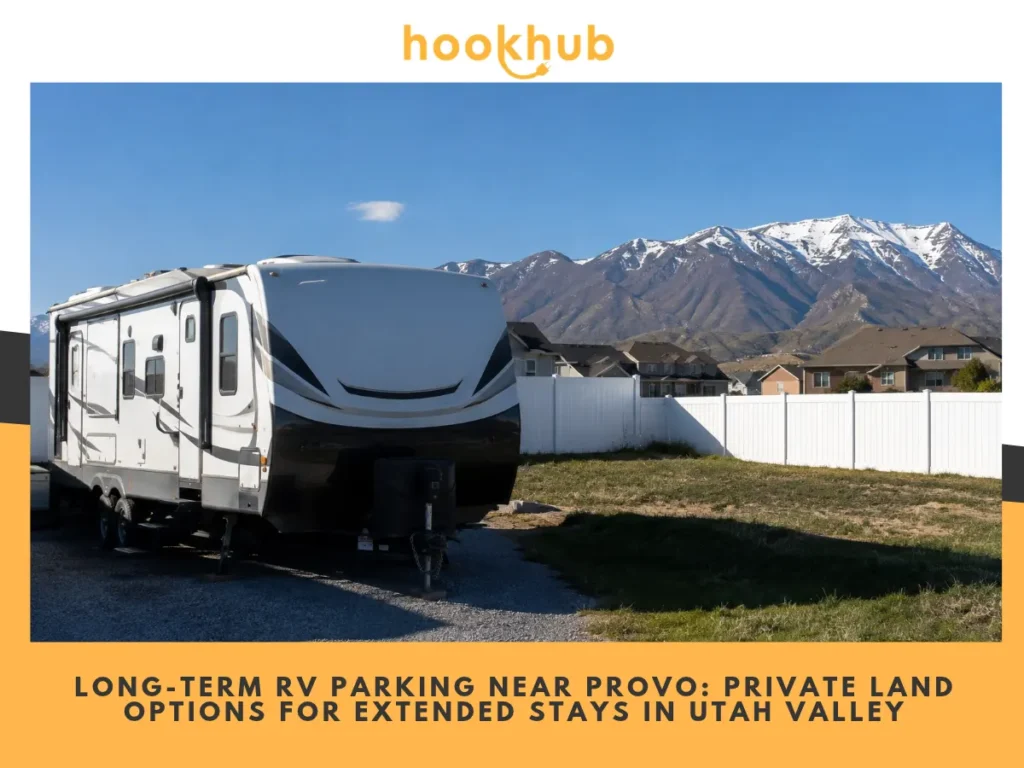
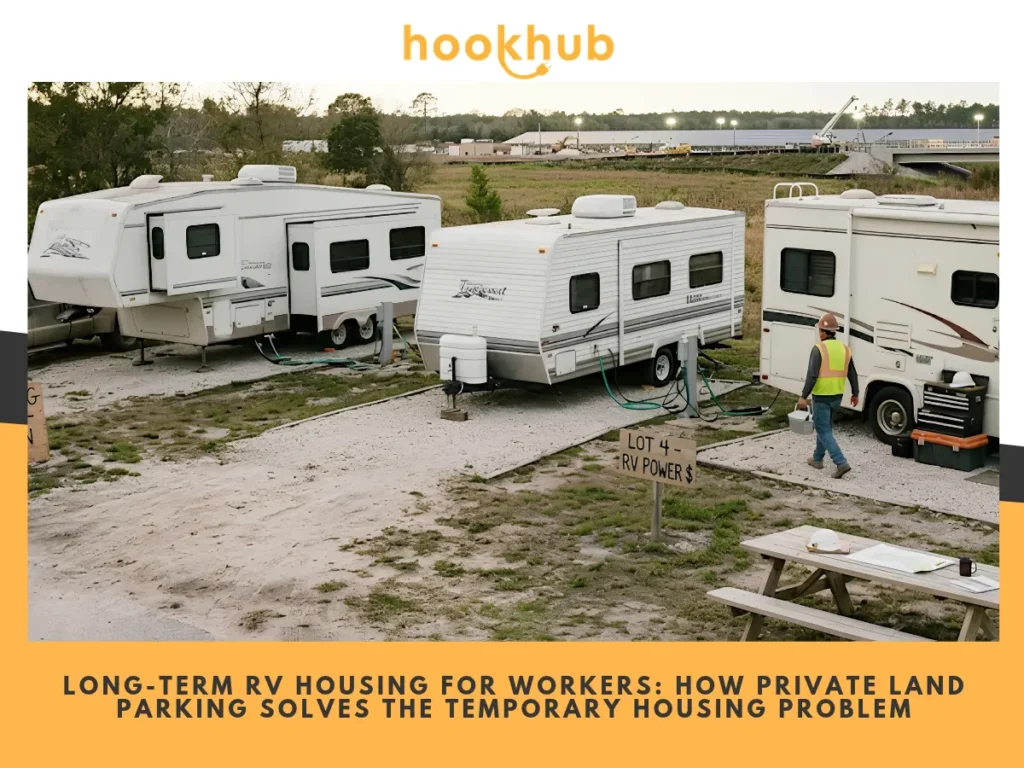
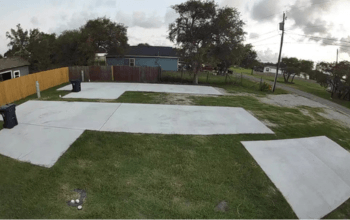
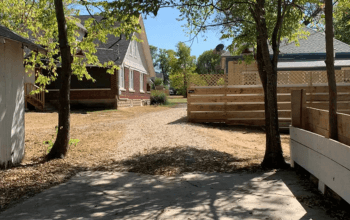
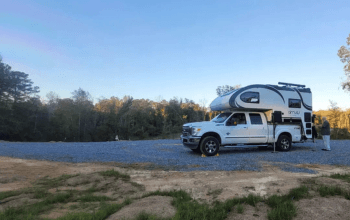
The property could be a homeowner’s driveway, a side lot, a gravel area on a larger property, or another designated parking space. Depending on the site, you might have access to water and electric hookups, full hookups, WiFi, a picnic table, a fire pit, or other amenities. Some private sites may be much simpler, providing little more than a safe place to park.
That flexibility can be useful for travelers planning an extended stay around Provo.
Commercial RV parks and campgrounds serve the wider Utah Valley and Wasatch Front, but many of the larger resort-style properties are outside Provo itself. Utah RV parking can provide another option for travelers who want to remain closer to Provo, Orem, Lindon, Utah Lake, or their regular workplace or school.
The key difference is that you are choosing a specific property and working with an individual landowner rather than booking into a standardized campground environment.
Is Long-Term RV Parking on Private Land Legal in Utah?
The answer depends on the specific property, municipality, and length of stay.
The original research for this article indicates that Utah County municipalities can have different requirements for RV parking and consecutive-day limits. That means travelers should not assume that a property that permits short-term RV parking automatically permits a 30-day, 60-day, or 90-day stay.
Before committing to a long-term site, confirm the applicable rules with the host and, when necessary, the relevant city or county planning department.
Properties within Provo city limits are subject to Provo’s own land-use and zoning requirements, while properties in unincorporated areas fall under Utah County’s rules.
This is particularly important if you intend to use the property as a primary or extended basecamp.
What to Look For in Long-Term RV Parking Near Provo
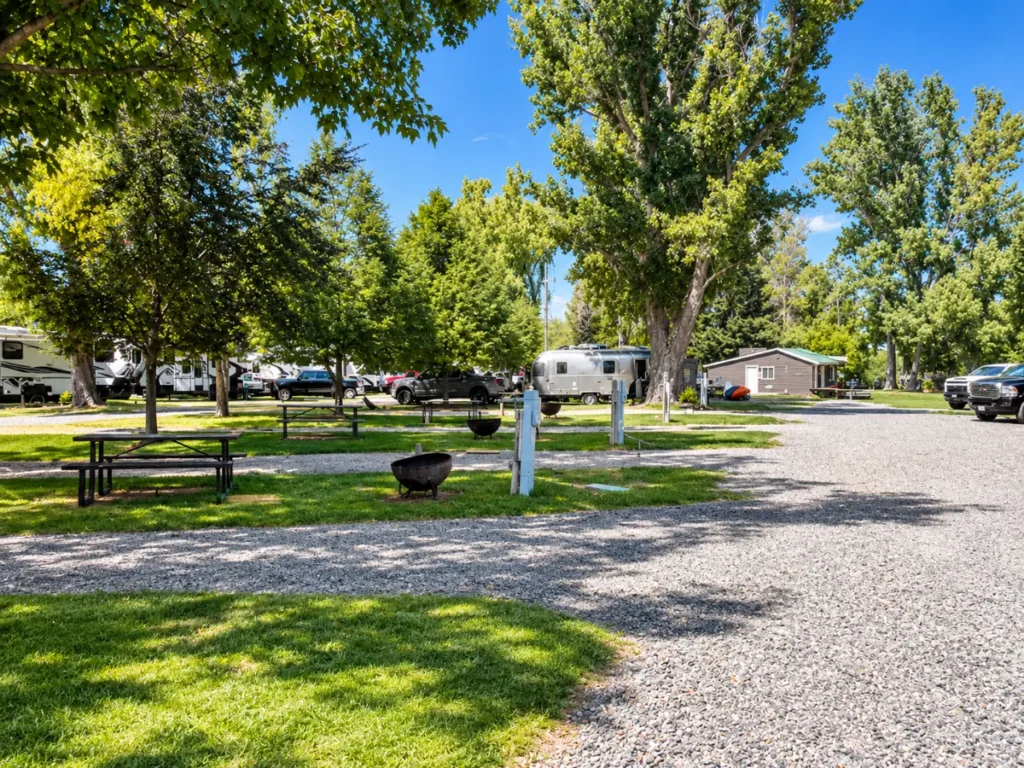
Finding an available RV parking space is only the first step. For an extended stay, the site needs to work with the practical realities of RV living.
Utility Hookups and Capacity
Start with the utilities.
Ask whether the site provides water, electric, sewer, or access to a nearby dump station. If electricity is available, confirm whether the connection supports 30-amp or 50-amp service.
This matters because a setup that works for a weekend camper may not be adequate for someone living in an RV for a full month. Air conditioning, heating, refrigerators, cooking equipment, and other appliances can place a significant demand on the electrical system.
You should also find out whether the property uses municipal water or a well and whether there are any limitations on water or electrical usage.
Location Matters More Than an Amenities List
A site advertised as being “near Provo” could still leave you with a substantial daily commute.
Think about where you will actually spend your time. If you work or attend school in Provo, a site in Orem or Lindon may be more convenient than a resort farther into the mountains. If recreation is your priority, proximity to Utah Lake, the Provo River, hiking trails, or biking routes could matter more.
The same applies to shopping and everyday errands. A quiet lakeside or rural site might look perfect in a listing, but a long drive to groceries, work, or medical appointments can become frustrating after several weeks.
For an extended stay, calculate your normal driving time rather than judging the location only by its distance on a map.
Site Size and RV Access
A parking site needs to fit more than the RV itself.
Before booking, confirm the site’s actual length and width and ask how easy it is to enter and exit. This is especially important for larger motorhomes, fifth wheels, travel trailers, and RVs towing a vehicle.
Turning space, gates, low branches, narrow drives, uneven surfaces, and parking orientation can all create problems that are not obvious from photographs.
A “spacious” listing description is useful, but the actual measurements are what matter.
How Much Does Long-Term RV Parking Near Provo Cost?
There is no single standard monthly rate for private RV parking in Utah County.
Private landowners set their own prices, and rates can vary depending on location, hookup type, site size, amenities, season, and length of stay.
A simple private parking space with water and electric may have a very different price from a full-service RV campground with full hookups, WiFi, laundry, showers, a clubhouse, recreation facilities, and other amenities.
That does not necessarily make the more expensive option a better value.
For a 30-day or longer stay, think about what you will actually use. If you work remotely, free WiFi may be important. If you travel with pets, a pet-friendly property may be worth paying more for. If you rarely use resort facilities, paying extra for a pool or clubhouse may not make sense.
Ask whether the host offers a dedicated monthly rate and whether utilities, deposits, or other fees are included.
Compare the Total Monthly Cost
Suppose one site costs $700 per month but is 35 minutes from where you work or attend school, while another costs $900 but is only 10 minutes away. The cheaper site saves $200 in rent, but a daily round-trip commute can quickly add hours of driving and additional fuel costs over a month.
Utilities can change the calculation too. A $750 site with separately metered electricity may ultimately cost more than an $850 site where utilities are included. Before choosing based on the advertised rate, estimate what the entire month will actually cost—including utilities, commuting, dump-station trips, and any recurring fees.
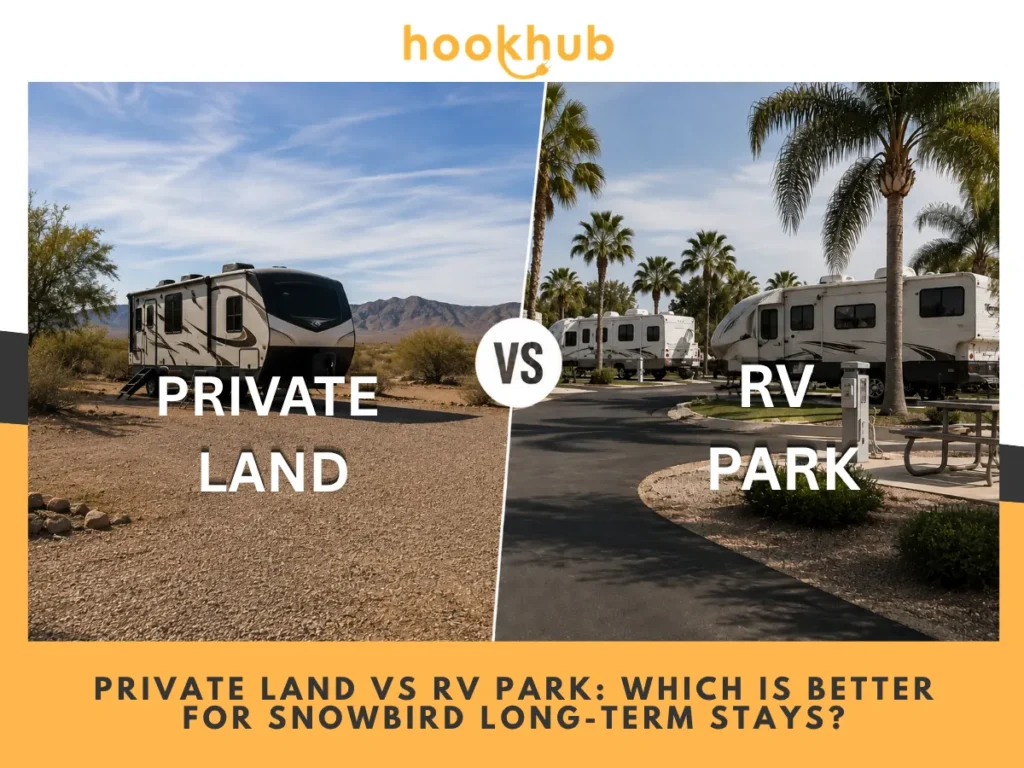
Private Land vs. RV Parks and Resorts Near Provo
Traditional RV parks and resorts remain a strong option for travelers who want predictable amenities and a managed campground experience.
The wider Provo area includes resort-style properties in locations such as Heber City, Kamas, and Draper. The research for this article identifies Mountain Valley RV Resort, Knotty Pine RV Resort, and Mountain Shadows RV Park among the properties serving the surrounding region.
These types of RV resorts can offer amenities that private sites may not, including pools, clubhouses, dog areas, established restroom facilities, laundry, and other recreational features.
For some travelers, those amenities are exactly what they want.
The trade-off is that a resort-style property may be farther from Provo and may charge more for the additional services and facilities. If you are working in Provo or spending most of your time in Utah Valley, the daily commute can become a bigger factor than the amenities.
Private land takes a different approach. Instead of paying for a full resort experience, you can prioritize the things that matter most for your particular stay, such as location, monthly cost, utilities, privacy, site size, and flexibility.
Neither option is automatically better. The right choice depends on how you plan to use the site.
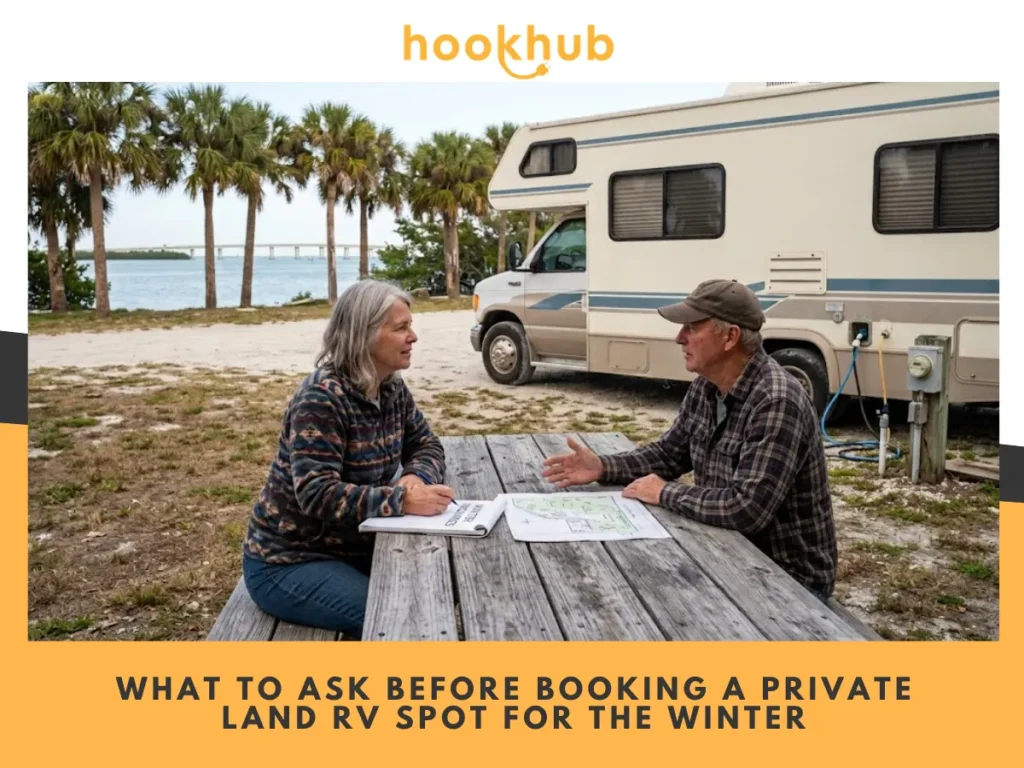
Questions to Ask Before Booking a Private RV Site
A private RV site requires a little more communication before you arrive because you are working directly with a landowner.
Start by confirming the hookup arrangement. Ask exactly what water, electric, and sewer services are available and whether there are any limitations. If there is no sewer connection, find out where the nearest dump station is and how frequently you can realistically use it.
Next, confirm the financial details. Ask whether the listed price is a monthly rate, whether utilities are included, and whether you will need to pay a deposit. It is also worth understanding the cancellation policy and what happens if you need to extend or shorten your stay.
Your RV’s physical fit should also be confirmed before booking. Give the host your RV’s dimensions and ask about turning space, driveway access, gate clearance, and parking orientation.
Finally, discuss the property rules. Pets, guests, quiet hours, outdoor fires, generators, additional vehicles, trash, laundry, and other expectations can vary significantly between private properties.
Getting clear answers before you arrive is much easier than trying to resolve a misunderstanding after your RV is already parked.
Full Hookups vs. Partial Hookups for Long-Term RV Stays
Full hookups provide water, electricity, and sewer directly at the RV site. For long-term travelers, full hookups for a monthly RV stay can be the most convenient arrangement because there is no need to regularly move the RV to empty the tanks.
Partial hookups generally provide water and electric but require the traveler to manage wastewater separately.
That does not make a partial-hookup site unsuitable for a long stay.
If a private site has reliable water and electric and there is a convenient dump station nearby, an RV traveler may be perfectly comfortable staying for a month or longer. The lower monthly rate can make the additional trip worthwhile.
The decision ultimately comes down to convenience versus cost.
If you want the simplest possible setup and do not want to think about dumping tanks during your stay, full hookups may justify the additional expense. If keeping the monthly rate down is more important and you do not mind occasional dump-station trips, partial hookups can be a practical alternative.
Using Provo as an RV Basecamp
Provo sits within a larger recreation corridor that connects Utah Lake with the Wasatch Mountains and surrounding communities.
For RV travelers, that can make the area an attractive basecamp. You can stay within reach of Provo while also having access to outdoor recreation, hiking, biking, lakeside activities, and day trips.
But the best basecamp is not necessarily the one with the most amenities.
Think about your normal routine. If you are working remotely, reliable WiFi and a quiet environment may matter more than a clubhouse. If you are traveling with a dog, a pet-friendly property and nearby walking areas may be more valuable. If you plan to spend your days outdoors, proximity to trails, the Provo River, or Utah Lake could outweigh having an on-site pool.
The same principle applies to longer-distance trips. Some travelers may want to use Provo as a base for exploring other parts of Utah, including national parks and destinations farther south. Others may need regular access to Salt Lake City or the northern Wasatch Front.
Choose your parking location around the activities and responsibilities that will shape your actual month, not just the attractions shown in a listing.
Provo, Salt Lake City, Heber City, or Park City?
Where you park can have a bigger impact on a month-long stay than the amenities at the property.
If most of your daily life is in Provo, Orem, or elsewhere in Utah Valley, staying nearby can reduce commuting and keep groceries, services, Utah Lake, and the Provo River within easy reach. Heber City and Park City may be more appealing if mountain recreation and scenery are the priority, while locations farther north may make more sense for travelers who regularly need access to Salt Lake City and the northern Wasatch Front.
Do not choose a mountain RV resort simply because it appears in a search for “RV parks near Provo.” Check the actual driving route to the places you expect to visit regularly. Over a 30-, 60-, or 90-day stay, an extra 30 minutes each way can turn a beautiful location into an inconvenient home base.
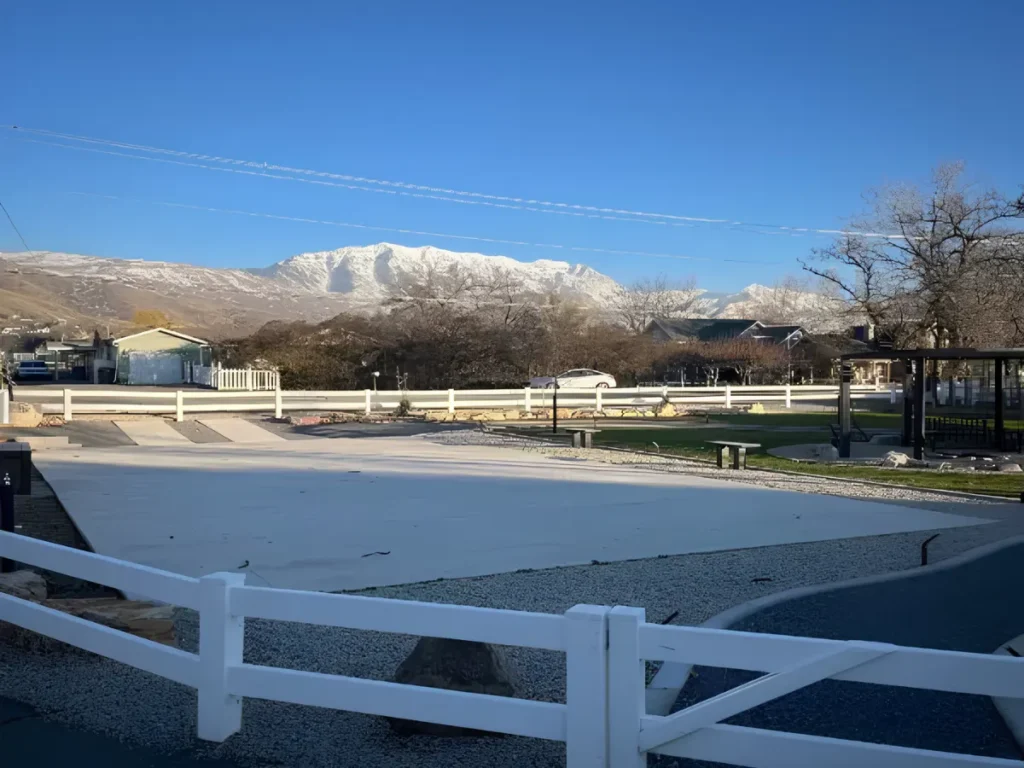
Where Hookhub Fits Into Finding Private RV Parking Near Provo
For RV travelers considering private land, the challenge is not simply finding a parking space. It is finding a property where the location, utilities, site conditions, rules, and host expectations all line up with the length of your stay.
Hookhub connects RV travelers with private landowners offering RV parking in Utah. The supplied article describes identity-verified hosts, insurance coverage on bookings, and a refund guarantee when a listing does not match its description.
That gives travelers a more structured way to explore private RV parking rather than relying entirely on informal arrangements.
Even with those protections, travelers should still read each listing carefully and communicate with the host before booking. Confirm the hookup details, RV dimensions, monthly pricing, and property rules so there are no surprises when you arrive.
If you’re considering private RV parking outside Provo itself, nearby communities such as Lindon may also be worth exploring as part of your search.
For someone looking for long-term RV parking near Provo, the goal is not simply to find an available site. It is to find a site that actually works for the way you live.
“We’re creating a new way for people to think about land. It’s not just a place to park. It’s a place to live, connect, and create something meaningful.”
Frequently Asked Questions
Can I stay on private RV land near Provo for a full month or longer?
Yes, private land can accommodate extended RV stays, but the minimum and maximum stay length depends on the individual property and applicable local rules. Confirm the host’s requirements and permitted length of stay before booking.
Do I need full hookups to park long-term near Provo?
No. Full hookups are convenient, but they are not required for every long-term RV stay. Water and electric combined with access to a nearby dump station can work well for travelers who are comfortable managing wastewater separately.
Is private land parking cheaper than an RV park near Provo?
It can be, but there is no universal price difference. Private landowners set their own rates, while commercial RV parks and resorts price in their facilities and services. Compare the total monthly cost, including utilities, deposits, and other fees, before deciding.
What should I ask a private RV host before booking?
Ask about water and electric hookups, electrical amperage, sewer or dump-station access, monthly pricing, deposits, cancellation policies, site dimensions, access, pets, guests, quiet hours, and other property rules. These details become especially important when committing to a 30-day or longer stay.
Are there RV parks inside Provo city limits?
RV park options directly within Provo are more limited than the wider surrounding area. Travelers may find more commercial RV campground and resort options in nearby communities such as Heber City, Kamas, and areas toward the Salt Lake Valley.
What is the best RV parking option near Provo?
There is no single best option for every RV traveler. The best choice depends on your budget, RV size, desired hookups, preferred location, pets, amenities, commute, and intended length of stay. Private land can be a strong option for travelers who value flexibility and proximity, while a commercial RV resort may be better for travelers who want extensive amenities and managed facilities.
Final Thoughts
Finding long-term RV parking near Provo is less about choosing the property with the longest amenities list and more about finding the right match for your actual needs.
Start with your budget and determine what type of hookup you genuinely need. Then consider your RV’s dimensions, your daily commute, access to groceries and other services, and the outdoor activities you want nearby.
Once you have those priorities clear, comparing private land with traditional RV parks and resorts becomes much easier.
A commercial RV resort may be worth the additional cost if you want full-service amenities, on-site facilities, and a managed campground environment. A private RV site may make more sense if you want a quieter location, flexible stay options, a lower monthly rate, or closer access to the parts of Utah Valley you actually use.
For travelers considering private RV parking around Provo and Utah County, Hookhub provides a way to browse private-land listings and connect with hosts before committing to a stay.
The goal is simple: find a parking arrangement that fits your RV, your budget, and the way you plan to spend your time in Utah Valley.