If you are thinking about listing your RV property, the platform you choose will shape almost everything that follows.
It determines who sees your listing, how your site is positioned against other parks and campgrounds, and how much time you spend managing inquiries, reservations, and guest expectations.
Most platforms promise more visibility. But more visibility does not always mean better bookings, especially when you look at how travelers compare campgrounds online.
For private landowners, the real goal is not volume. It is finding the right guests, setting clear expectations, and creating a booking process that stays manageable over time.

Key Takeaways
- The best platform is the one that matches your property, not the one with the most traffic
- Private land hosting requires stronger expectation-setting than traditional campgrounds
- Booking flow matters just as much as visibility
- A simple two-platform strategy is easier to manage and more effective
- Clear listings reduce bad inquiries and improve guest experience
How to Evaluate RV Listing Platforms (What Actually Matters)
Most comparison guides focus on features, but the real difference shows up after your listing goes live.
The first thing to consider is how the platform handles expectations.
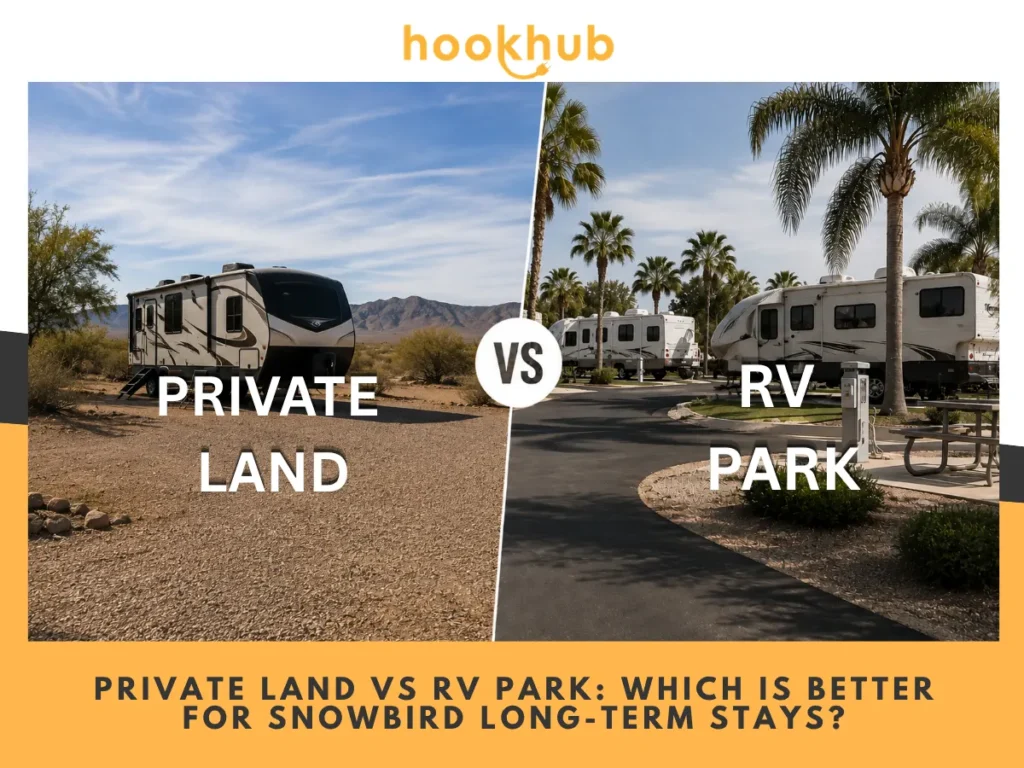
Traditional RV parks and campgrounds operate with standardized amenities, predictable layouts, and clear infrastructure. Hosting on private land is different, and understanding the differences is critical if you want to avoid mismatched expectations.
If a platform does not help communicate those details clearly, you will spend more time correcting misunderstandings.
The second factor is booking control. Some platforms push instant booking to maximize occupancy. That can work if your site is straightforward and easy to access. But if your property has constraints, like tight turns or specific rig limits, a request-based system often leads to better outcomes.
The third factor is pricing transparency. Every booking platform takes a percentage, whether through service fees, commissions, or both. What matters is how that pricing appears to the guest and how it affects your final payout.
Platform Overview: Where Each One Fits
Different platforms serve different roles. The mistake most new hosts make is assuming they all do the same thing.
Some function as full booking systems. Others act more like directories or discovery tools that help travelers find your site but leave the transaction to you.
Platforms like Hipcamp are designed for discovery and visual appeal. They work well if your property feels like a destination and can compete through photos, reviews, and overall experience. The tradeoff is that you may receive broader inquiries, not just from RV travelers but also from campers and glampers.
The Dyrt and Campendium are often used earlier in the decision process. Travelers rely on them for research, reviews, and route planning. These platforms can increase your visibility, but they may not fully handle booking or payment, which means you need a separate system.
Good Sam Club tends to align more with established RV parks and campground operators. It works best when your property matches those expectations, including amenities and consistency.
Harvest Hosts is built for short, experience-based stays, often at wineries or farms. It attracts a specific type of traveler and is not designed for long-term bookings or full-hookup setups.
Where Hookhub Fits Into This
Private landowners often underestimate how much of hosting comes down to reducing uncertainty.
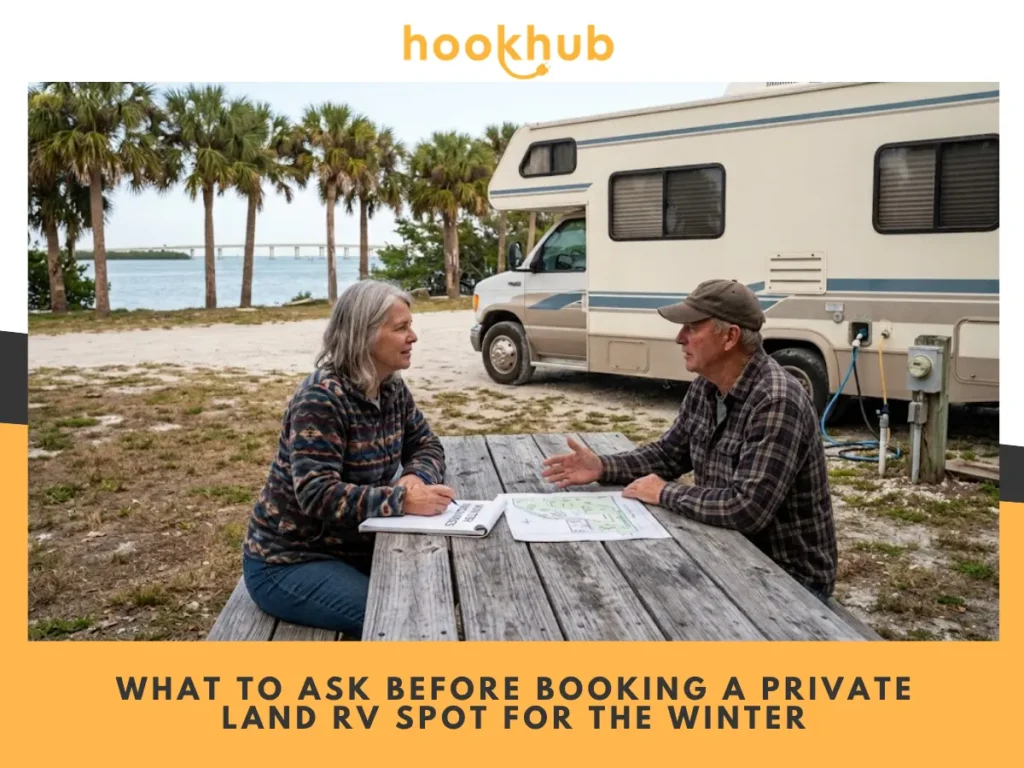
It is not just about getting booked. It is about knowing who is coming, what they expect, and whether your property is a good fit before they arrive.
Platforms like Hookhub focus on that layer of the experience. Instead of acting purely as a marketplace, the system is structured around clear expectations, guest vetting, and a booking flow that helps prevent mismatches before a reservation is confirmed.
That becomes especially useful if you are hosting without staff or managing everything yourself. You are not trying to run a full campground operation. You are trying to host in a way that stays predictable and manageable.
If you are exploring how this works in practice, you can review the hosting setup and requirements before getting started.
Pricing, Fees, and What Hosts Often Miss
Most hosts focus on the nightly rate but overlook how platform fees affect the final number.
Some platforms charge guests directly, which can make your listing look more expensive at checkout.
Others take a commission from your payout, which affects your margins.
The practical approach is to set your price based on your target net income, not just the headline rate. That means factoring in platform fees, seasonal demand, and how your listing compares to nearby options on tools like Google Maps, especially when you consider how pricing appears across listings.
Attracting the Right Guests Starts With the Listing
Better bookings come from better alignment, not broader reach.
A strong listing answers the questions travelers are already thinking about, even if they do not ask them directly.
This includes understanding what RV travelers look for in campsite listings and making those details clear upfront.
This is where many listings fall short, especially when property details are unclear or expectations are not set early. This is also where small improvements in how you present your RV site can significantly improve booking quality over time.
They want to know if their rig will fit, how easy the access is, and whether your site matches their travel style.
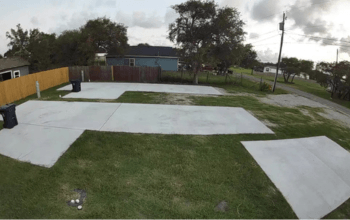
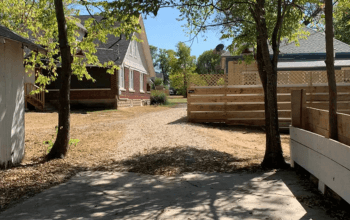
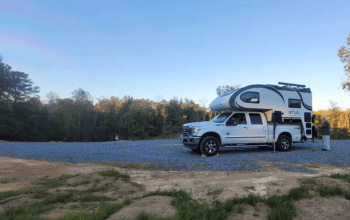
Photos should show the actual RV site, including the approach and layout, not just scenic views. Descriptions should clearly explain hookups, limitations, and what “full hookups” means in your setup.
When those details are clear, you spend less time managing inquiries and more time hosting the right guests.
A Simple Strategy That Works in Practice
Most successful private hosts do not try to be everywhere at once.
They start with one primary booking platform that handles reservations and payments. Then they add one secondary platform that improves visibility and helps travelers discover their site.
This approach keeps things manageable while still allowing you to grow.
Trying to manage multiple platforms too early often leads to missed messages, inconsistent pricing, and unnecessary stress.
External Resources
If you want to go deeper into how travelers make booking decisions and how to set clear expectations, these resources can help:
- FTC consumer review guidelines – useful for understanding how reviews influence trust and how to handle them properly
- National Park Service camping safety tips – helpful for setting basic property rules around safety, quiet hours, and outdoor use
- Recreation.gov trip planning insights – gives context on how travelers plan trips and evaluate camping options
Conclusion
Choosing the right platform is less about reach and more about alignment with how your property actually operates.
The best results come from matching your property with the right type of traveler, setting clear expectations early, and using a booking system that you can realistically manage over time.
For private landowners, that often means prioritizing clarity over volume. A smaller number of well-matched reservations will almost always lead to a better hosting experience than a high volume of mismatched inquiries.
Start with one platform that fits your setup, refine your listing, and pay attention to how guests respond. Once your process feels stable, you can expand your visibility without adding unnecessary complexity.
In the long run, the hosts who succeed are not the ones listed everywhere. They are the ones who create a booking experience that feels clear, predictable, and easy for both sides.