Hosting RV travelers on private land can be a strong source of consistent income, especially as more people adopt full-time RV living, extended RV trips, and the broader RV lifestyle, especially for landowners hosting weekly and monthly RV stays where small issues can quickly turn into larger operational problems.
In traditional RV campgrounds or a KOA-style RV park, rules are structured, visible, and enforced by staff. On private land, guests may assume flexibility, especially if they’ve been boondocking or moving between multiple campgrounds.
Without clear systems in place, small issues can quickly turn into bigger conflicts.
This guide breaks down how difficult RV guests actually behave, how those situations play out across different camping environments, and how to handle them with a calm, repeatable process that protects your property and keeps your RV hosting operation stable.
Key Takeaways
- Most difficult RV guest situations start small and escalate over time
- Clear rules, structured communication, and documentation prevent repeat issues
- Guest behavior often depends on their RV setup and experience level
- Conflicts are easier to manage when you follow a consistent process
- Screening and clear expectations reduce problems before they begin
What “Difficult RV Guests” Usually Look Like in Practice
A difficult guest rarely starts with a major conflict. It usually begins with small friction that builds over time, such as a rig parked outside the agreed campsite, unauthorized hookups, barking dogs, or leaving trash after checkout.
Some guests are plain rude. Others are simply new to RV life, adjusting from campground expectations, or dealing with stress during an RV trip.
Most issues fall into predictable categories, and understanding these patterns early can make a big difference in how you respond. Boundary pushing includes extra vehicles, extra people, or expanding the camp setup beyond what was agreed.
Property care issues include leaving trash, damaging the campsite, or driving in restricted areas. Noise and behavior problems often involve late-night disturbances, generator overuse, or pets out of control.
Utility misuse includes water and sewer problems, improper dumping, or power overload. Communication breakdowns happen when guests ignore instructions or fail to follow check-in steps, which is why many hosts review common RV guest problems on private land to recognize these situations before they escalate.
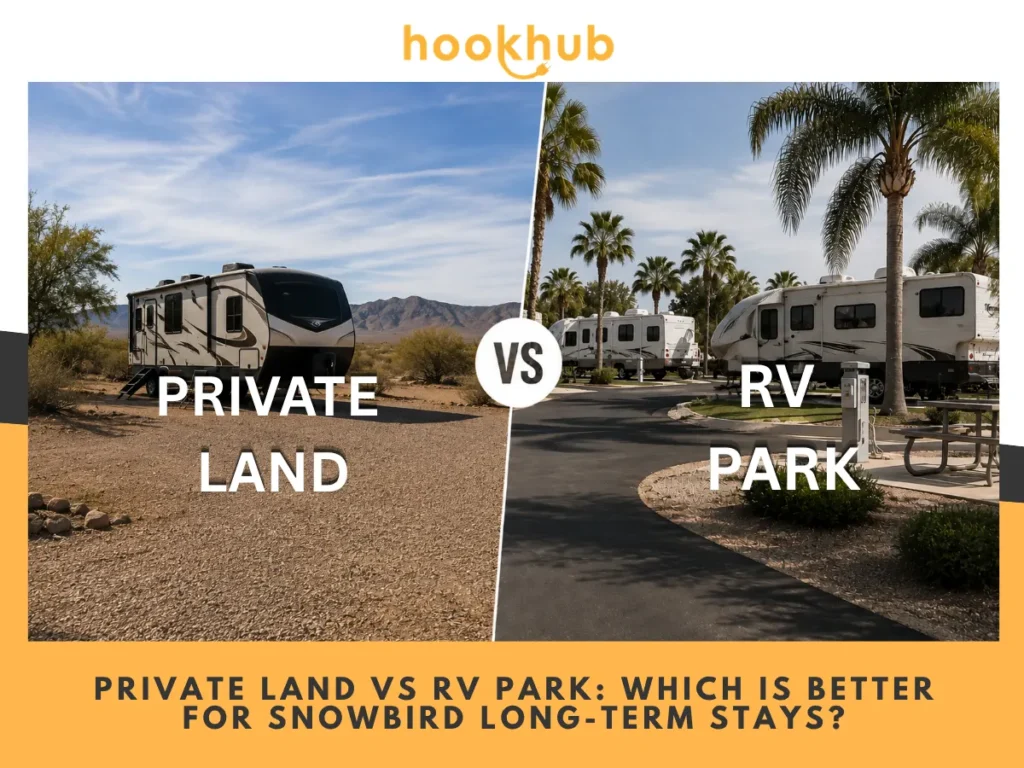
Where Conflicts Differ: Private Land vs Campgrounds vs RV Parks
Many issues that show up on private land are handled very differently in a traditional campground or RV park.
In RV campgrounds or private parks, guests expect structure. Campsites are assigned, hookups are clearly defined, and quiet hours are enforced. On public lands or boondocking spots, expectations are much looser, and guests are used to independence.
This mismatch creates friction.
A guest moving between multiple campgrounds, public lands, and private campgrounds may treat your property like just another casual camping spot. But private land hosting, especially for weekly and monthly stays, requires consistency and respect for boundaries.
As a landowner, your role is closer to operating a structured hosting setup rather than managing a casual place to camp.
A Simple Conflict Resolution Framework That Works
When dealing with RVers on your property, consistency matters more than emotion.
Use this four-step approach:
- Clarify the rule in one sentence
- Describe the behavior without assumptions
- Give one clear fix with a deadline
- State what happens next if ignored
Watch this quick breakdown of how to put these communication steps into practice.
Example:
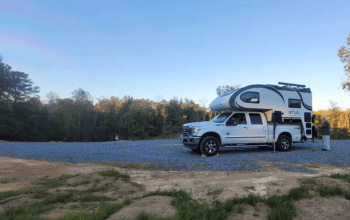
“Your travel trailer is parked outside the marked campsite. Please move it fully onto the gravel pad by 6 pm today. If it’s not moved, I’ll need to end the stay and escalate through the platform.”
Keep communication short, factual, and structured. The goal is not to control every guest. It’s to create a system where most problems are predictable, manageable, and resolved quickly.
Set Expectations Before the Guest Arrives
Most problems begin before check-in, especially with newbies or guests transitioning between different camping environments.
You should clearly define arrival instructions, campsite boundaries, and non-negotiables such as quiet hours, pets, trash handling, and dumping rules.
If you host without full hookups, clarity becomes even more important, especially when hosting RV guests without hookups, where expectations around water, power, and dumping need to be explicitly defined.
Many landowners use platforms like Hookhub to standardize booking terms, clarify expectations around hookups, water and sewer use, and campsite boundaries, while keeping communication documented. This structure reduces misunderstandings and makes conflict resolution much easier.
How Different RV Setups Affect Guest Behavior
Not all RV guests behave the same, and their setup plays a major role.
Guests with full hookups expect consistent access to water and sewer and may misuse systems if instructions are unclear. Boondocking guests are used to self-contained setups but may ignore boundaries.
Travel trailer users often need guidance with positioning and hookups. Class C rigs can overload power systems if electrical limits are not clearly defined.
Understanding these differences helps you anticipate issues before they happen.
Handling the Most Common Difficult Guest Scenarios

Noise, Parties, and Quiet Hours
Noise complaints are common, especially when guests treat your property like a public campground.
Clearly reference quiet hours, describe the issue, and require immediate correction. If it continues, escalate the situation. For general expectations, many hosts refer to campground etiquette guidelines when setting clear behavior standards for guests.
Pets and Barking Dogs
Barking dogs can disrupt the camping experience and create tension with neighbors.
Require immediate control, enforce leash rules, and document repeated issues if they occur.
Leaving Trash or Misusing the Campsite
Trash problems are common with short stays, especially when guests move between multiple campgrounds or treat your land like a temporary stop during an RV trip. In practice, this often happens when guests are moving quickly between multiple campgrounds and treat private land like a short stop instead of a managed property.
Require proper disposal, document issues with photos, and request reimbursement when needed.
Sewer, Dumping, and Water Misuse
Improper dumping is a serious issue across RV parks, campgrounds, and public lands.
Make dumping rules explicit, clearly explain water and sewer availability, and direct guests to proper disposal locations when needed. For reference, many hosts rely on RV dump station guidelines to help guests find proper disposal areas and avoid misuse.
Unauthorized Hookups and Power Issues
Guests often assume hookups are unlimited, which can lead to system overload or damage.
Clearly define what hookups are available and treat unauthorized usage as a rule violation.
Screening Guests for Weekly and Monthly Stays
Longer stays increase both income potential and risk, so screening becomes more important.
Ask about who will be staying, what type of rig they are bringing, how they handle trash and wastewater, and what their daily routine looks like.
Taking a structured approach upfront helps avoid most issues later, which is why many hosts follow guidance on how to screen RV guests for monthly stays and review the monthly RV hosting pros and cons before accepting longer bookings.
Document Issues the Right Way
When conflict arises, documentation protects you.
Keep all communication on-platform, take timestamped photos, log what happened, and save receipts if needed. This makes it easier for support teams to assist and ensures your side is clearly represented.
When to End a Stay
Ending a stay is sometimes necessary to protect your property and safety.
Do this when safety rules are ignored, damage occurs, behavior escalates, or issues repeat after warnings. Keep communication short, direct, and documented.
Prevent Repeat Problems with Listing Improvements
If the same issues keep happening, your listing likely needs stronger clarity.
Show exactly where to park, clearly state rules, define what kind of camping experience you offer, and set expectations for boondocking or self-contained setups.
Frequently Asked Questions
How do I screen RV guests without sounding rude?
Ask practical questions related to logistics such as rig size, arrival time, pets, and how they handle waste. This helps ensure compatibility and sets expectations early.
Can I remove an RV guest from my property?
Yes, but follow platform rules and local laws. Keep communication documented and avoid confrontation. For broader camping rules and expectations, many hosts refer to National Park Service camping guidelines to understand standard practices across public lands and regulated camping areas.
Conclusion
You don’t need perfect guests to run a successful RV hosting operation. You need a clear and repeatable system.
When expectations are defined, communication is structured, and rules are enforced consistently, most conflicts become manageable.
Platforms like Hookhub help bring structure to that process, making it easier to manage guests across different RV lifestyles, whether they come from campgrounds, RV parks, or boondocking environments. If you want to reduce problems before they start, you can list your land for RV hosting and set up clear expectations from the beginning.