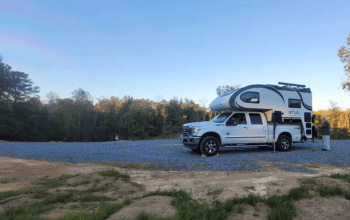
Buying an RV is exciting. Whether it is a motorhome, travel trailer, or camper, the dream of the RV lifestyle often starts with financing your RV the right way.
The difference between a smart RV purchase and an expensive mistake often comes down to one thing: how well you negotiate your RV loan.
From interest rate to loan terms, from dealer financing to credit union offers, everything affects your total loan amount and your manageable monthly payment. If you want to get the best deal possible, you need a strategy before stepping into a dealership.
Let’s break it down.
Key Takeaways
• Negotiate the RV price first before discussing monthly payment.
• Compare multiple lenders, including credit unions, to find the best RV financing.
• Your credit score directly impacts your interest rate and loan terms.
• Longer loan terms lower monthly payments but increase total interest paid.
• Putting money down upfront reduces your total loan amount and financing costs.
• Pre-approval gives you leverage when negotiating at an RV dealership.
Understand How RV Financing Really Works
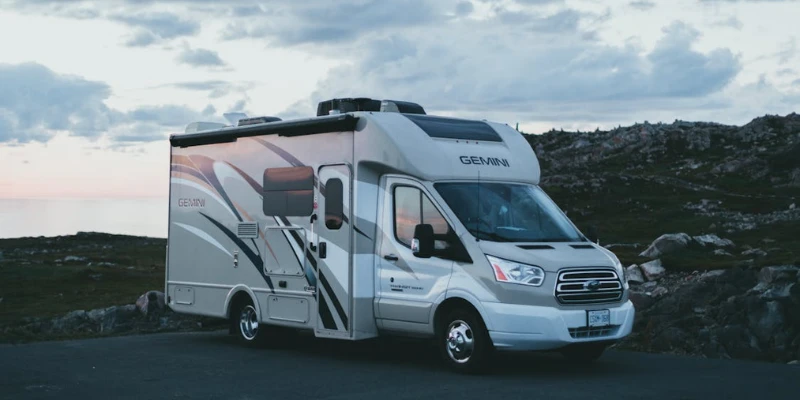
An RV loan is not exactly like an auto loan, even though they are often structured similarly.
Most RV loan terms range from 10 to 20 years, especially for higher-priced motorhomes and new RV models. The longer the loan terms, the lower the monthly payment. However, payments over time increase the total interest you pay.
Your financing rates depend on:
• Credit score
• Loan amount
• Buying a new or used RV
• Lender type
• Market financing rates
Before choosing the perfect RV, understand the cost of RV ownership beyond the asking price. Insurance, maintenance, campground fees, and fuel all affect your budget and lifestyle.
For a general breakdown of RV loan basics, you can review guidance from sources like the Consumer Financial Protection Bureau.
Negotiate the RV Price Before the Loan
One of the biggest mistakes buyers make is negotiating monthly payment instead of RV price.
Dealerships love focusing on manageable monthly numbers. It feels affordable. But the real leverage is in getting the best possible price on the RV itself.
Whether buying a new RV or used RV, negotiate the MSRP or asking price first.
Tips for negotiating the best deal:
- Research comparable used RVs and new RV models online
- Know current market inventory levels
- Attend an RV show to compare pricing from multiple RV dealerships
- Ask for out-the-door pricing, including fees
Lowering the purchase price directly reduces your total loan amount, which means lower interest paid and better rates and terms.
Compare Lenders Before Visiting the RV Dealership
Never rely only on dealer financing.
Yes, an RV dealer may offer convenient financing for your RV on-site, but credit unions and independent lenders often provide great rates and better loan terms.
Compare:
- Credit union RV loan rates
- Bank RV financing options
- Dealer financing
- Online RV lenders
Credit unions are especially known for competitive financing rates and flexible terms.
When you walk into the dealership pre-approved, you have power. The dealer must compete with your existing lender offer. That is how you negotiate the best RV financing.
Before committing, it helps to review RV cost planning basics.
Improve Your Credit Score Before Applying
Your credit score is one of the biggest factors in finding the right financing.
A higher score means:
Lower interest rate
Better loan terms
Higher approval odds
Lower monthly payment
Before submitting a loan application, check your credit report, pay down credit card balances, and avoid opening new debt.
Even a small rate reduction can save thousands over 10 to 20 years.
Consider Money Down Upfront
An upfront payment lowers your total loan amount immediately.
Putting money down upfront:
- Reduces interest paid over time
- Lowers monthly payments
- Improves approval odds
- May qualify you for better financing rates
Even if you cannot put a large amount down, reducing the loan amount by a few thousand dollars can make a big difference long-term.
When negotiating, ask how different down payment amounts affect your rates and terms.
Understand the Tradeoff of Longer Loan Terms
Longer loan terms create lower monthly payments. That makes financing feel manageable.
But here is the tradeoff.
Longer terms mean more interest paid over time. A 20-year RV loan might feel comfortable monthly, but the total cost of ownership increases significantly.
If your budget allows, aim for shorter terms while keeping payments manageable.
Balance is key.
Used RV vs New RV Financing
Financing rates on used RVs are sometimes slightly higher than on a new RV. Lenders see new units as lower risk.
However, used RV purchases can offer great deals if the asking price is right. The lower purchase price can offset slightly higher rates.
When buying a new or used RV, calculate:
Total loan amount
Interest paid over time
Monthly payment
Total cost of RV ownership
Sometimes the best RV is not the newest one but the one that fits your financial plan.
Understanding long-term costs is easier when you follow RV ownership cost breakdowns.
Leverage Competition Between RV Dealerships
Finding the right RV dealership matters.
Contact multiple dealerships and request quotes in writing. Let them know you are comparing offers. Competition encourages better pricing and improved financing terms.
Ask clearly:
Can you match or beat this interest rate?
Are there promotional financing rates?
Are there dealer incentives?
Getting the best price requires confidence and preparation. Sales teams expect negotiation. You are not being difficult. You are being informed.
Comparing offers becomes more effective when you know how to evaluate RV deals.
Final Thoughts: Getting the Best Deal Possible
Buying an RV is a major financial decision. Whether it is a motorhome, travel trailer, or the RV of your dreams, the financing structure matters just as much as the unit itself.
When you negotiate carefully, compare lenders, and understand rates and terms, you create manageable monthly payments that fit your budget and lifestyle. That is how you get the best deal possible, not just at the dealership, but over the life of the loan.
Smart buyers also think beyond the purchase.
If you own private land or have space to host other RV travelers, platforms like Hookhub can help offset RV costs. By offering insured, vetted stays with built-in systems and support, you create an additional income stream that can help balance payments over time.
Financing your RV wisely is the first step. Creating long-term sustainability around your RV lifestyle is what keeps it stress-free. The right RV should support your financial goals, not complicate them.

FAQ
What is the best way to get the best RV loan rates?
The best RV loan rates come from comparing multiple lenders, including credit unions and banks. Improving your credit score before applying increases your chances of securing great rates.
Should I finance through the dealership?
Dealer financing can be convenient, but always compare it with outside lenders. Having pre-approval gives you negotiating power at the dealership.
How much should I put down upfront?
A larger upfront payment lowers your total loan amount and monthly payment. Many buyers aim for 10 to 20 percent, but any reduction helps.
Are RV loan terms really 10 to 20 years?
Yes. Many RV loans extend from 10 to 20 years depending on the loan amount and lender. Longer terms lower monthly payments but increase total interest paid.