Many people dream of the freedom that comes with full-time RV living—waking up to different views every day, avoiding the mundane routine, and embracing the nomadic lifestyle.
But can you live in a camper full-time, legally and comfortably?
Let’s explore what it takes to live in an RV full-time, along with the challenges and joys that come with it.
Is it Legal to Live in an RV Full-Time?
Before you pack up your life and move into an RV, you need to ask, “Is it legal to live in an RV full-time?” The answer can depend on where you plan to park your RV.
Zoning laws and ordinances vary from place to place and play a major role in where you can live in your RV.

Understanding Zoning Laws and Ordinances
Zoning laws regulate the use of land. In many areas, RVs are considered recreational vehicles rather than permanent homes, which limits where you can park and live in an RV.
Many places have ordinances that prevent you from parking an RV for long periods on residential property. These rules can vary by city, county, or even neighborhood, so it’s important to check local regulations before settling down.
What Are the Legal Restrictions on RV Living?
Local laws may limit RV time, even on your property. In some areas, you can live in an RV for a few weeks but will need a permit to stay longer.
Some ordinances require RVs to have proper hookups to utilities such as electricity, water, and sewage. Understanding these restrictions is crucial before choosing to live in your RV.
How to Determine if You Can Live in Your RV on Your Land
You might think you can live in your RV without restrictions if you own land. Unfortunately, that’s not always the case.
Zoning laws often restrict using RVs as permanent residences on residential land.
Consult your local government office or planning department to verify the permit status. Their knowledge of permits and ordinances can help you comply.

What Are the Best Options for Full-Time RV Living?
So, where can you legally live in an RV full-time? Fortunately, many full-time RVers choose from a variety of options.
Choosing Between RV Parks and Campgrounds
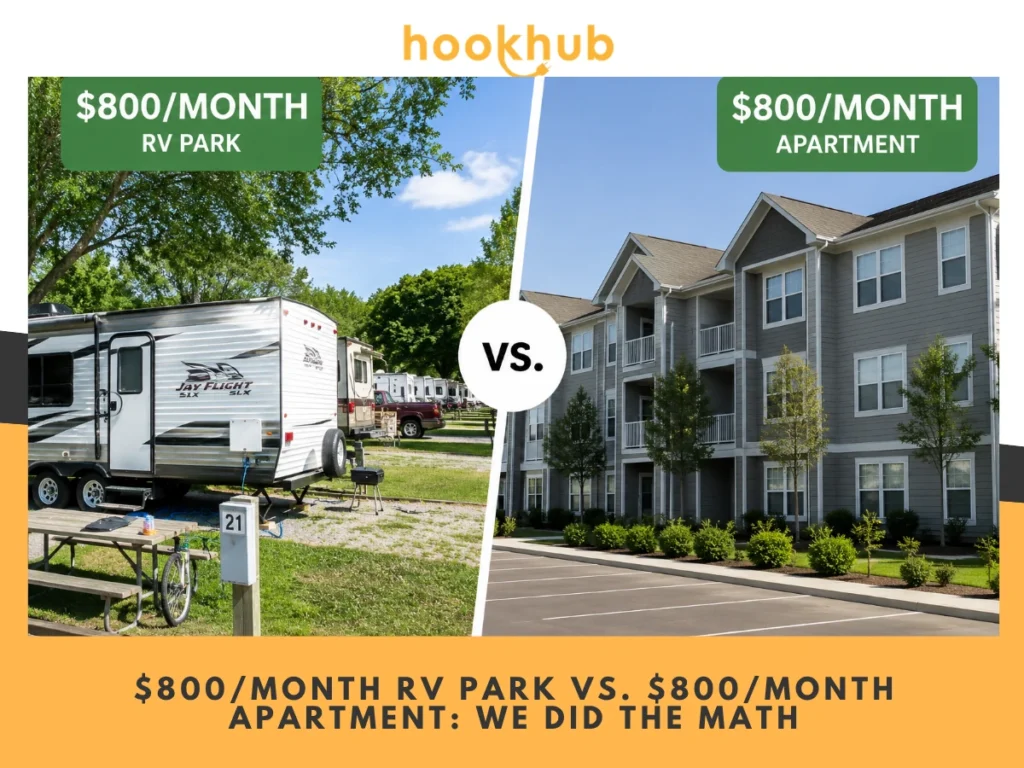
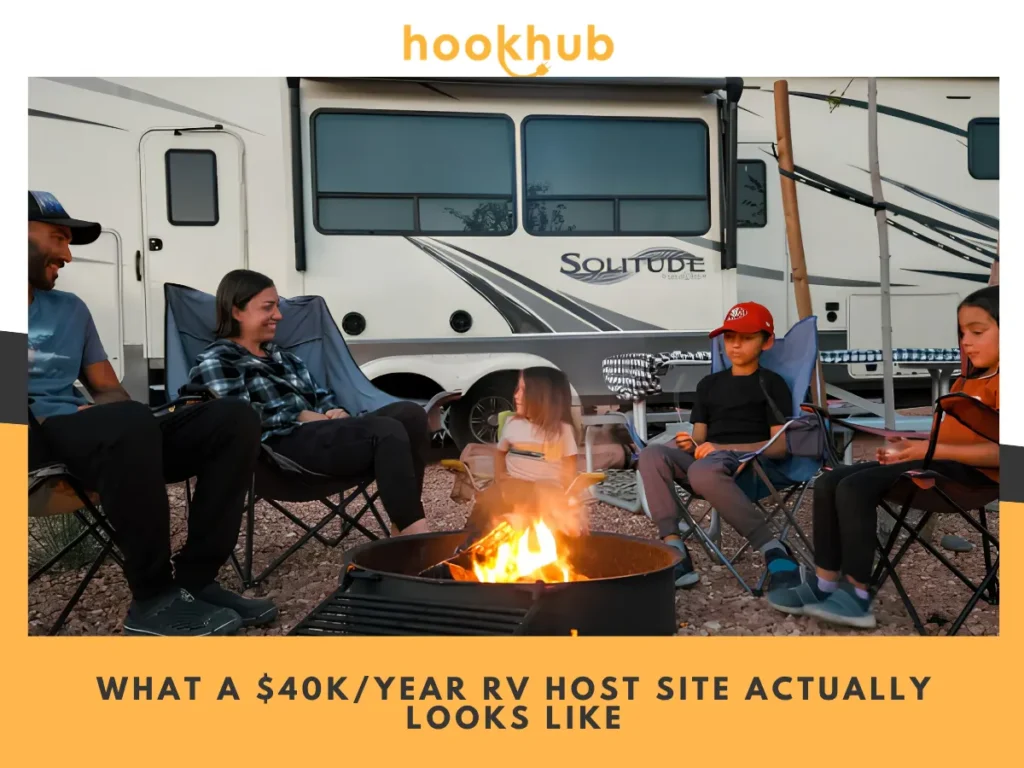
The easiest and most convenient option is to stay in RV parks or campgrounds. RV parks offer hookups for water, electricity, and sewage, making it simple to settle in.
You’ll also find laundry rooms, bathrooms, and community spaces. On the other hand, while campgrounds may have fewer amenities, they are typically located in beautiful, natural settings.
RV parks are perfect for those who want community and convenience, while campgrounds offer a more rustic experience for nature lovers.
Pros and Cons of Living in a Camper in Your Backyard
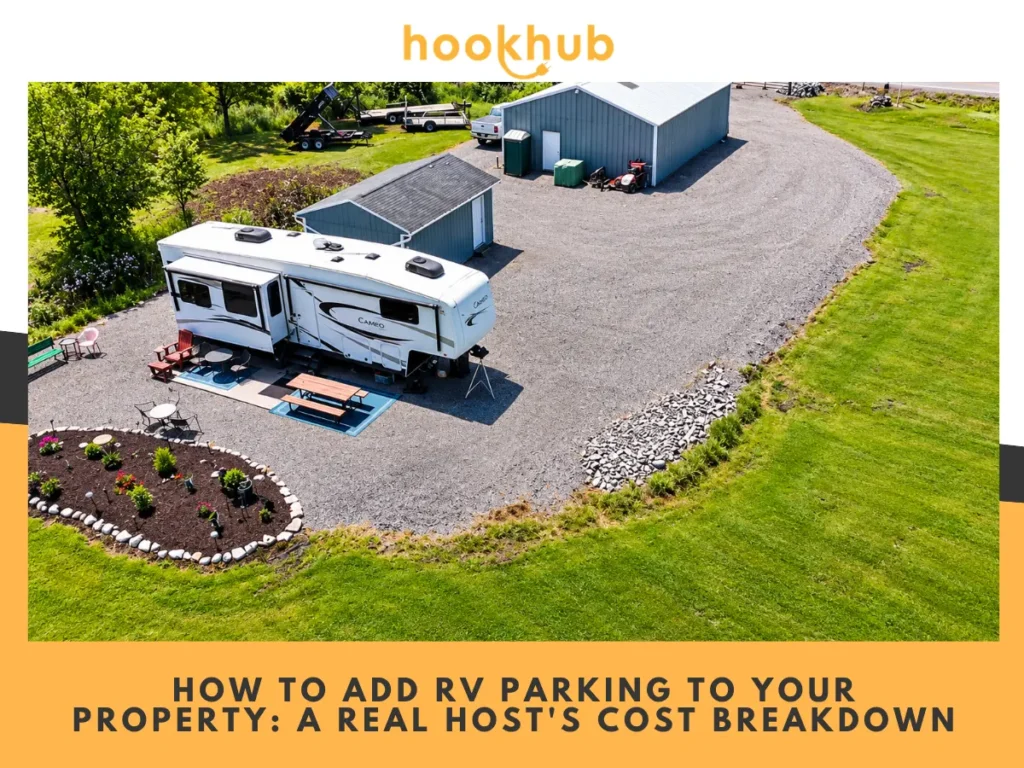
Living in a camper on your property is another option. While staying close to home is appealing, there are pros and cons:
Pros:
- It is more affordable than lodging in RV parks.
- Privacy and access to personal property.
Cons:
- Local ordinances may prohibit it.
- Limited hookups and potential utility issues.

Exploring Mobile Home Parks vs. RV Parks
Some mobile home parks allow RVs to stay long-term. These parks often have full hookups and other amenities, making them a viable option for full-time RV living.
However, they may have stricter rules and higher costs than regular RV parks.
How to Make Your RV Comfortable for Full-Time Living
Living in an RV means you’ll need to make a small space feel like home. Here are some tips to make RV living as comfortable as possible.
Essential Utilities for Living Full-Time in an RV
Having reliable utilities is crucial for living full-time in an RV. Most RV parks provide access to electricity, water, and sewage.
But if you’re not in a park, you may need to consider solar panels for power, water storage solutions, and how to handle sewage disposal effectively.
Space-Saving Hacks for a Small RV
Making the most out of a small space requires some creativity. Here are a few space-saving hacks:
- Use multi-functional furniture, like foldable tables and storage ottomans.
- Install hanging organizers to keep surfaces clutter-free.
- Utilize vertical storage wherever possible, such as hooks and shelves.

Setting Up a Permanent Residence in Your RV
If you plan to make your RV a permanent residence, you must find a stable place to park with access to essential amenities. Many RV parks offer long-term stays that allow you to treat your RV as your home.
Sometimes, you may need a mail forwarding service to handle your postal needs since RVs don’t have a fixed address.
What Are the Costs Associated with Full-Time RV Living?
While living in an RV full-time can be more affordable than a traditional home, there are costs you need to consider. You can use an RV living cost calculator to estimate your monthly and yearly expenses based on your lifestyle and travel habits.

Initial Investment for Living in an RV Full-Time
The initial cost of full-time RV living includes purchasing an RV. Depending on the size and features, RVs can range from $10,000 to over $100,000.
You’ll also need to budget for any upgrades or maintenance to make the RV liveable.
Monthly Expenses: What to Expect?
Monthly expenses for RV living can include:
- RV park fees: around $500 to $1,000 per month, depending on location.
- Utilities: This encompasses charges for electricity, propane, and water, excluding those not covered by the RV park fee.
- Maintenance: Set aside funds for both routine maintenance and unforeseen repairs.
- Fuel: If you’re moving frequently, fuel costs can add up quickly.

Budgeting Tips for Full-Time RV Life
To keep costs manageable, consider:
- Staying in one location for longer to save on fuel.
- Cooking at home instead of eating out.
- Make sure to plan for off-peak rates at campgrounds.
What Are the Challenges of Living Full-Time in an RV?
Despite the romantic appeal of living on the open road, full-time RV living presents certain challenges.

Common Misconceptions About RV Living
Many people think RV living is always cheap and carefree, but in reality, there are costs and responsibilities involved.
It’s important to understand that maintenance, fuel costs, and finding legal places to stay can be more challenging than expected.
Dealing with Sewage and Running Water Issues
Managing sewage and water is a big part of RV living. You’ll need to know how to properly connect to sewage systems at RV parks or manage your waste tanks if you’re staying elsewhere.
Keeping these systems in excellent working order is essential for health and comfort.
How to Park Your RV and Stay in One Place
If you plan to live in an RV full-time, you must determine whether you wish to travel frequently or remain stationary. Long-term parking options include RV parks, mobile home parks, or even private property (if local laws permit).
Verifying that local ordinances allow staying put can help reduce costs.
Can You Live Full-Time in an RV on Public Land?
Living on public land is an appealing option for those seeking solitude and scenic beauty, but there are rules to follow.

Understanding the Rules of Camping on Public Land
Bureau of Land Management (BLM) lands or national forests typically permit public land camping. You can usually stay in one place for 14 days before moving on.
This means you can’t set up a permanent residence on public land.
Benefits of Living in Your RV Year-Round on Public Land
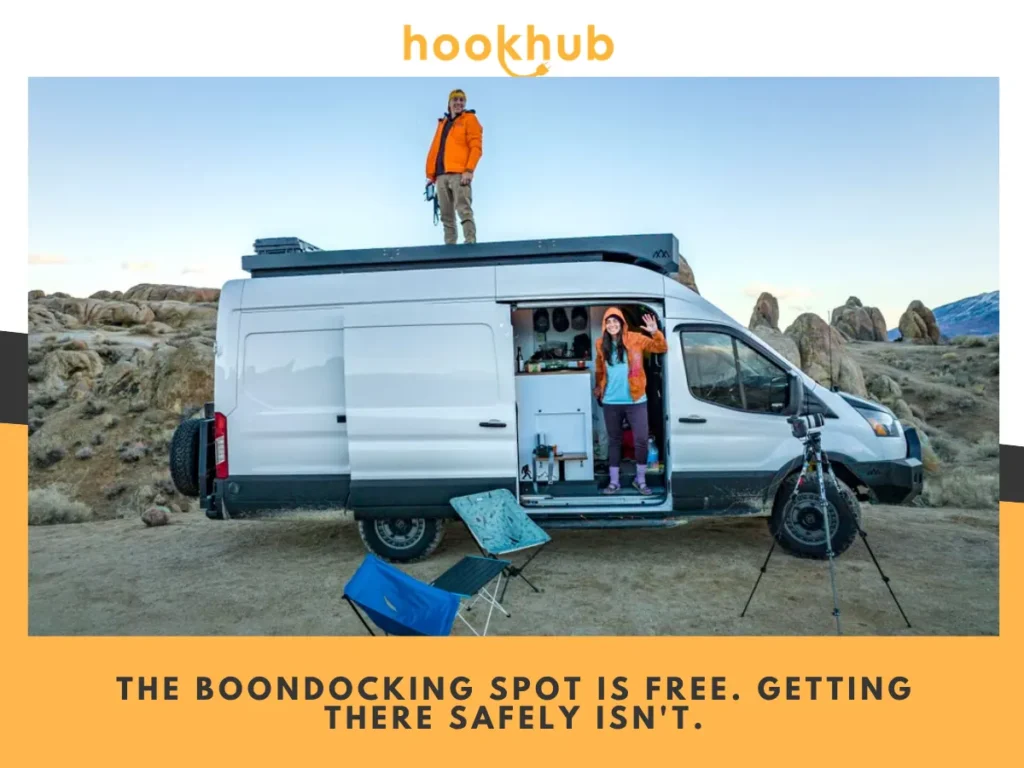
Living on public land allows you to enjoy beautiful scenery and reduced costs since you won’t have to pay RV park fees. However, amenities like electricity and sewage hookups are often unavailable, so you must be self-sufficient.
Finding the Right Spots to Park and Live
When looking for a spot to park your RV, consider apps like Campendium or iOverlander, which provide information on free and paid locations. Always ensure that the area permits long-term stays while respecting nature and municipal rules.
Conclusion: Embrace the Freedom of RV Living
Full-time RV living offers the chance to embrace a simpler, more flexible lifestyle. Whether you stay in RV parks, set up in your backyard, or explore public land, everyone has options.
It’s essential to understand the legal aspects, make your RV comfortable, and budget wisely so you can enjoy the freedom of living in one.
If you’re contemplating a full-time RV lifestyle, visit an RV park to determine whether this lifestyle is proper for you. Are you prepared to embark on your journey towards independence?
Explore the available RV Park options today and discover the ideal location for your mobile home.