
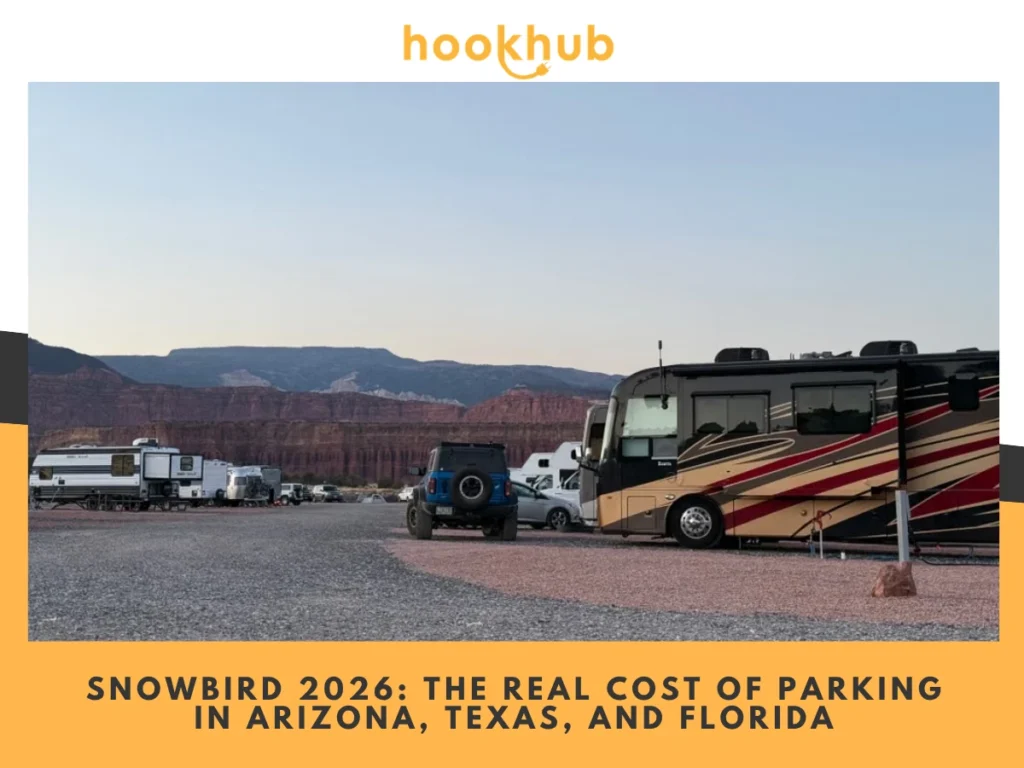
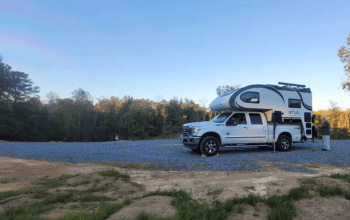
Arizona is one of the most active RV markets in the United States, especially during winter.
But while demand is strong, regulation is not consistent.
What you can legally do with an RV on private land varies dramatically depending on the county, zoning designation, and intended use.
And most importantly:
There is a major difference between occasional RV parking and long-term RV hosting (30–90 nights).
Many landowners assume, “If I can park my own RV, I can host others.”
That is not always true.
Before you invest in utilities, list your property, or accept guests, you need to understand:
- Where RV hosting is easiest
- Where it becomes restrictive
- What actually triggers enforcement
- How to stay compliant while still operating profitably
This guide breaks that down clearly, with a focus on long-term RV hosting on private land in Arizona. You can review general land use guidelines through the American Planning Association.
Key Takeaways
- RV hosting rules vary significantly by county and zoning designation
- Rural counties tend to allow more flexibility, especially for long-term stays
- Long-term RV occupancy is often regulated differently than temporary parking
- Utilities and infrastructure can trigger additional requirements
- Choosing the right county reduces friction more than any other decision
Understanding RV Hosting in Arizona
RV hosting in Arizona exists on a spectrum.
At one end:
- Fully permitted RV parks
At the other:
- A single RV parked on private land
Most landowners fall somewhere in between.
But what regulators care about most is:
Duration + Density
- How long guests stay
- How many RVs are on the property
Why Long-Term RV Hosting Changes Everything
Short-term stays (1–3 nights):
- Often treated as temporary use
- Lower enforcement visibility
Long-term stays (30–90 nights):
- Treated more like residential occupancy
- More scrutiny on utilities and sanitation
- Greater likelihood of neighbor complaints
This is why long-term hosting requires more intentional setup and clarity, even in lenient counties.
Real-World Scenario: How Landowners Get Into Trouble
A common pattern looks like this:
A landowner in the outskirts of Phoenix installs two 50 amp hookups and begins hosting monthly RV guests.
- Property is zoned residential
- No HOA initially considered an issue
- Guests stay 60–90 days
Everything works… until:
- A neighbor complains about multiple units
- County reviews zoning classification
- The issue is not RVs themselves, but multi-unit occupancy
The result:
- Warning or enforcement notice
- Requirement to remove guests or modify use
This is why understanding use classification, not just RV rules, is critical.
Where Should You Buy Land in Arizona for RV Hosting?
If you are starting from scratch, this decision matters more than anything else.
If You Want the Easiest Path (Lowest Friction)
Look at:
- Mohave County
- La Paz County
These areas offer:
- Larger parcels
- Fewer restrictions
- Lower enforcement pressure
Best for:
- Testing RV hosting
- Multi-site setups with minimal complexity
If You Want Strong Demand (Higher Income Potential)
Look at:
- Maricopa County outskirts (Queen Creek, San Tan Valley, Apache Junction, Cave Creek)
These areas offer:
- High snowbird demand
- Proximity to Phoenix metro
- Strong monthly pricing potential
But require:
- Careful zoning review
- HOA awareness
- Clear structure
If You Want a Balanced Option
Look at:
- Yavapai County
- Cochise County
These offer:
- Moderate regulation
- Good demand pockets
- Manageable compliance
Counties with the Most Lenient RV Hosting Regulations
These counties are generally more flexible for low-density, long-term setups.
Mohave County
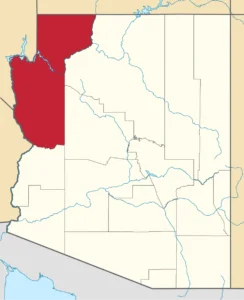
- Large parcels
- Minimal zoning friction
- Easier infrastructure expansion
Strong for:
- Multi-site hosting
- Long-term stays
La Paz County
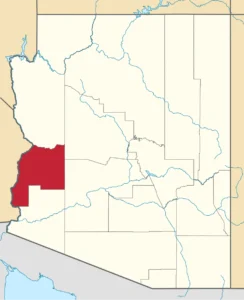
- Very relaxed ordinances
- Lower enforcement pressure
- Ideal for simple setups
Best for:
- First-time hosts
- Testing demand
Apache County
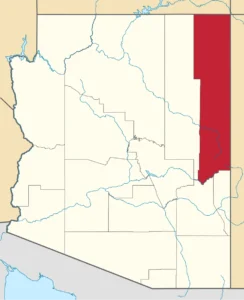
- Large rural land
- Low density
Trade-off:
- Lower demand in some areas
Why These Counties Work
The pattern is consistent:
- Fewer neighbors
- Larger lots
- Less pressure on infrastructure
- Fewer complaints
This reduces the likelihood of enforcement.
Moderate Regulation Counties
These counties are workable, but require planning.
Yavapai County
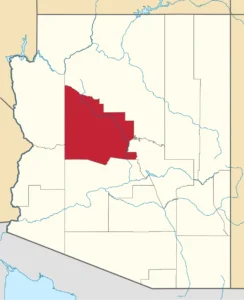
- Popular for scenic properties
- Moderate zoning structure
- Requires more clarity upfront
Cochise County
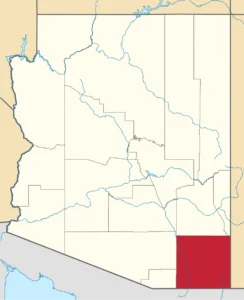
- Permits may be required
- Still relatively flexible
Gila County
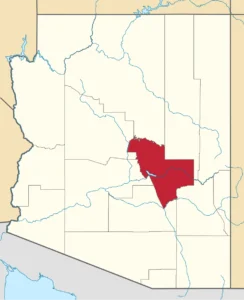
- Time limitations may apply
- More oversight than rural counties
Counties with Stricter RV Hosting Policies
Maricopa County
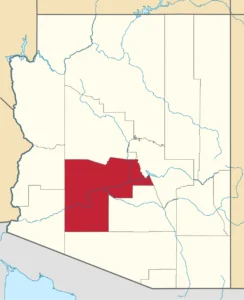
Highest demand, highest scrutiny.
Challenges include:
- Zoning enforcement
- HOA restrictions (often the biggest barrier)
- Utility and density considerations
Important insight:
Most successful hosting in Maricopa happens:
- Outside HOA zones
- On larger parcels
- With low site counts (1–3 units)
Pima County
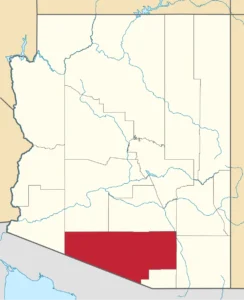
- Structured zoning
- Utility requirements enforced
Coconino County
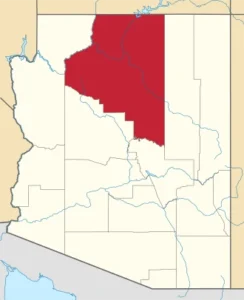
- Environmental protections
- Strict land use controls
What Gets RV Hosting Shut Down in Arizona
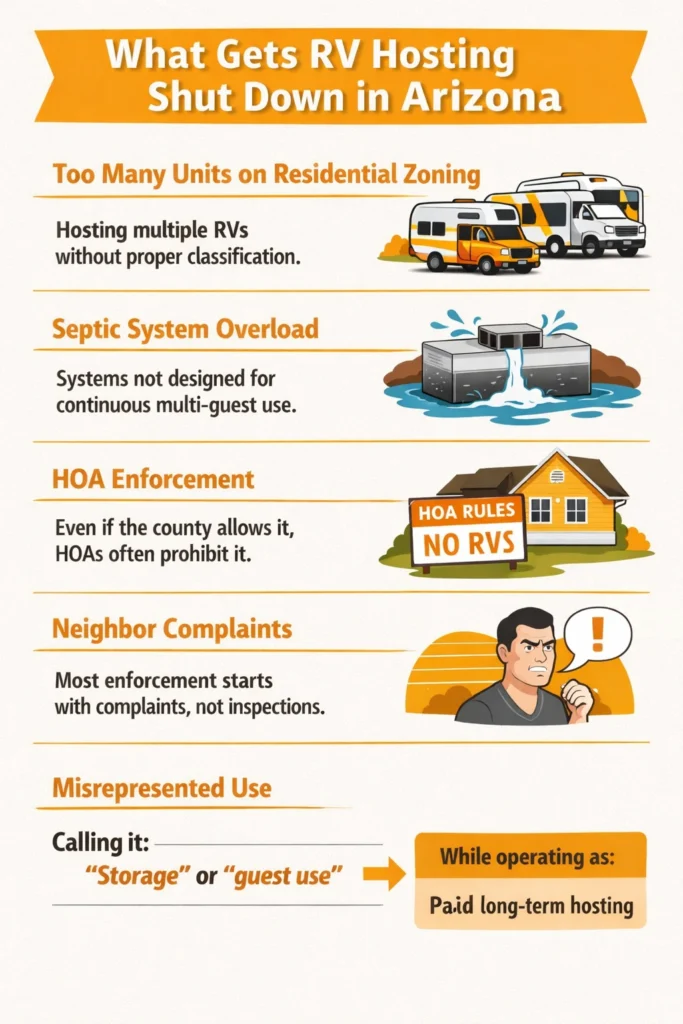
This is one of the most important sections for landowners.
Common triggers include:
1. Too Many Units on Residential Zoning
Hosting multiple RVs without proper classification.
2. Septic System Overload
Systems not designed for continuous multi-guest use.
3. HOA Enforcement
Even if the county allows it, HOAs often prohibit it.
4. Neighbor Complaints
Most enforcement starts with complaints, not inspections.
5. Misrepresented Use
Calling it:
“Storage” or “guest use”
While operating as:
Paid long-term hosting
Download the Arizona RV Hosting Playbook to see the safest setup approach for long-term stays (site count, utilities, and how to avoid the most common compliance mistakes).
Key Factors That Determine RV Hosting Feasibility
Zoning (The Primary Gatekeeper)
You must confirm:
- Allowed uses
- Conditional uses
- Density limits
Do not rely on assumptions.
Stay Duration
Some areas allow:
- Temporary RV use
But restrict:
- Long-term occupancy
This directly impacts your business model.
Utilities
Adding:
- Septic
- Electrical pedestals
Can trigger:
- Permits
- Inspections
- Code requirements
Parcel Size + Setbacks
These determine:
- How many sites you can have
- How they must be spaced
How to Navigate the Permit Process (Without Getting Stuck)
Most counties will not give simple yes/no answers.
Instead, they reference code.
Better Question to Ask
Instead of:
“Can I host RVs?”
Ask:
“Is long-term RV occupancy allowed on this parcel, and how many units are permitted?”
What to Prepare
- Parcel number
- Zoning designation
- Basic site plan
Timeline Reality
- Simple cases: a few weeks
- Complex cases: several months
Plan accordingly.
Where Hookhub Fits Into This
Regulation determines what is allowed. But structure determines whether it works. In less restrictive counties, the risk is often informal setups that lead to disputes. In stricter counties, the risk is misalignment with expectations that triggers complaints.
For landowners who want a simpler path, platforms like Hookhub provide a structured way to host RVs on your property while staying aligned with regulations.
Instead of navigating everything manually, you can:
- Manage guest bookings
- Maintain compliance
- Improve property use
Platforms like Hookhub help reduce both risks by:
- Standardizing listing details
- Creating clear booking terms
- Providing guest vetting
- Structuring communication
Understanding how Hookhub works helps create a more predictable setup.
Many landowners also use RV hosting tips to improve their property and guest experience.
This consistency becomes especially important for long-term stays, where misunderstandings can escalate over time.
Conclusion
Arizona offers one of the strongest opportunities for RV hosting in the country.
But success is not just about demand.
It is about alignment:
- The right county
- The right zoning
- The right setup
- The right structure
Rural counties offer the easiest entry point.
Metro-adjacent areas offer the highest income potential.
The land itself is rarely the limiting factor.
Understanding how to use it within local rules is what determines success.
FAQ
Which Arizona county is easiest for RV hosting?
Mohave and La Paz counties are generally the most flexible due to low density and simpler zoning structures.
Can I host long-term RV guests on my property?
It depends on zoning. Long-term stays are often regulated differently than short-term RV use.
Is Maricopa County too restrictive?
No, but it requires careful planning, especially around zoning and HOA restrictions. For example, local zoning guidance is often provided by offices like Maricopa County Planning and Development.
What is the biggest mistake landowners make?
Assuming their property is allowed for hosting without verifying long-term occupancy rules.
What triggers enforcement?
Most commonly: neighbor complaints, too many units, or unclear use classification.
Download the Arizona RV Hosting Playbook to get a clear, step-by-step plan for hosting snowbirds legally and profitably.
It’ll help you choose the right county, confirm zoning, and set up your sites without overbuilding.