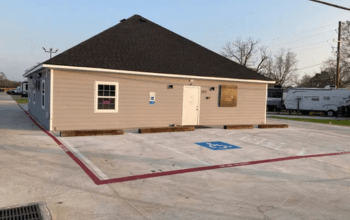
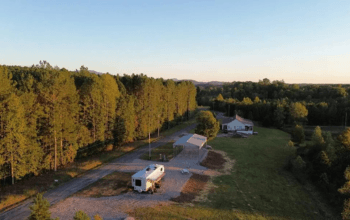
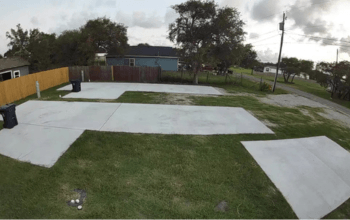
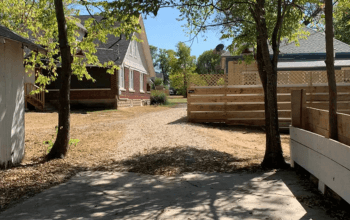
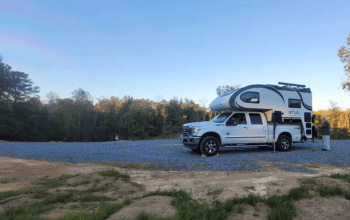
RV hosting on private land does not have to mean building a full RV park, installing rows of hookups, or turning your property into a commercial campground. One landowner in Queen Creek, Arizona, proved that a simple setup can generate real income fast and without a massive buildout.
His property brought in over $13,300 in less than 10 months. The surprising part is how little infrastructure it took to get there. No fancy resort amenities. No attraction-heavy location. No giant campground operation. Just quiet land, easy access, and one strong full-hookup spot doing most of the heavy lifting.
If you have unused acreage, a side yard, a farm, a ranch, or just extra space, this is exactly why RV hosting on private land is getting more attention from landowners.
Why this property worked even though it was not an obvious RV destination
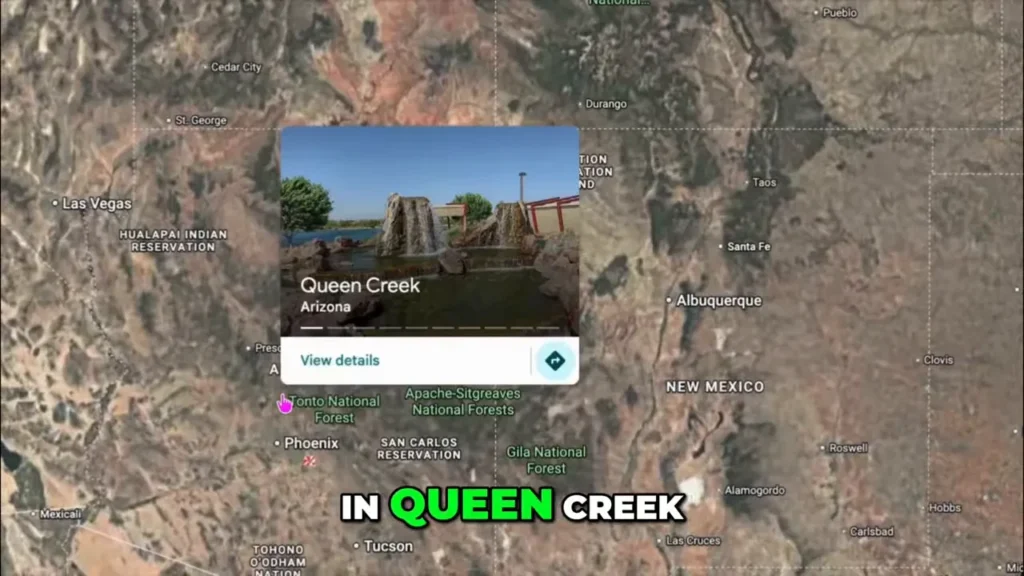
The property is located in Queen Creek, Arizona, which is a relatively quiet area. It is not the kind of place many investors would point to and say, “That’s where I need to go build an RV park.” It is not centered around major attractions, tourism, or a traditional campground experience.
And yet the site stayed booked.
That is the first big lesson here. A lot of people assume RV demand only exists near vacation spots, national parks, or established RV communities. In reality, demand for RV parking is showing up almost everywhere.
Many RVers are not chasing crowds or resort-style amenities. They are looking for something much simpler:
- Quiet private land
- Safe and easy parking
- A peaceful place to stay
- Enough room to get in and out comfortably
That is especially true for longer-term renters. A lot of full-time RVers are construction workers, traveling nurses, and remote workers who do not need a packed vacation environment. They just want a calm place to park and live for a while.
The real sweet spot is long-term RV hosting
One of the most important takeaways from this example is that RV hosting on private land often works best when it is designed for long-term stays, not constant weekend turnover.
Short-term bookings can sound attractive at first. Charge by the night, bring in weekend guests, keep the calendar moving. But in practice, that model can become a headache quickly. More arrivals and departures means more communication, more coordination, more questions, and more time spent managing the space.
Long-term parking is different.
When someone parks for three months, six months, or even a year, the income becomes a lot more predictable. It also becomes a lot easier to manage. Instead of handling frequent turnover, you place one qualified renter and collect steady monthly income.
For many landowners, that is the real value:
- Regular monthly cash flow
- Less management
- Fewer check-ins and check-outs
- A practical way to offset taxes and land costs
If your goal is to create something manageable rather than build a hospitality business from scratch, long-term RV hosting is often the better fit.
What RVers actually liked about this property
This property had what a lot of RVers want, even if it did not look impressive on paper.
The appeal came down to a few basics:
- Open space
- Scenic, peaceful surroundings
- Easy access
- Easy parking
- Privacy
That is worth emphasizing because many landowners overestimate what is required. They think they need to create something flashy before they can list a space. But often, the most bookable spaces are the simplest ones. A clean, quiet, straightforward spot on private land can be exactly what someone is searching for.
How much setup did it take?
Not much.
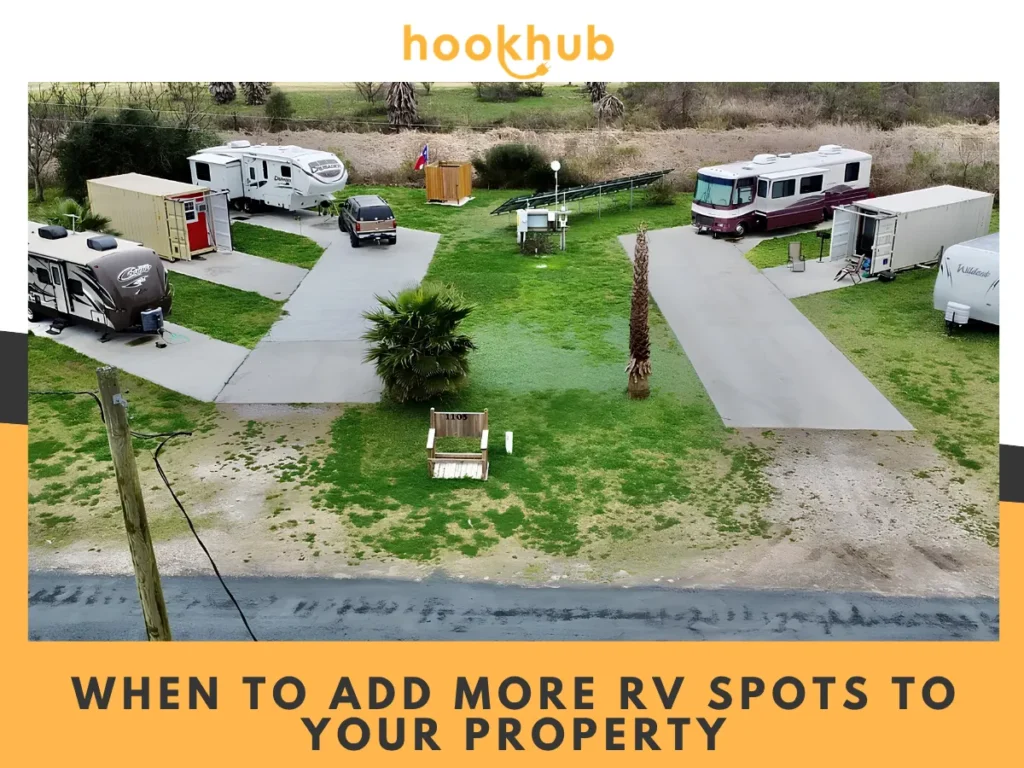
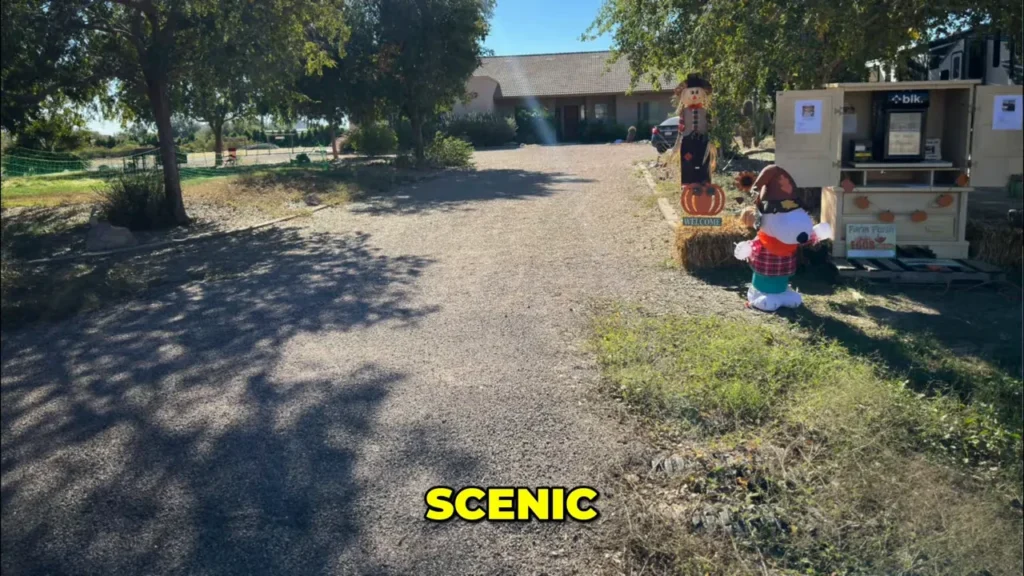
That is one reason this case stands out. The property had a septic system already in place, and the owner ran the needed lines for water and electric. That gave him full hookups on part of the property without having to build a whole RV park.
In total, the property had:
- Two full-hookup spots
- Two non-hookup spots
But here is the key detail: the majority of the income came from just one full-hookup site.
That matters because a lot of landowners assume they need to install hookups everywhere right away. This example shows why overbuilding too early can be a mistake. You do not always need to develop the whole property at once. One strong, usable site can prove demand before you invest more.
If you are still figuring out utilities, understanding the basics of RV hookups can help you decide whether a full-hookup spot, partial hookup, or simpler arrangement makes the most sense for your land.
Where the $13,300 came from
The income breakdown was pretty straightforward.
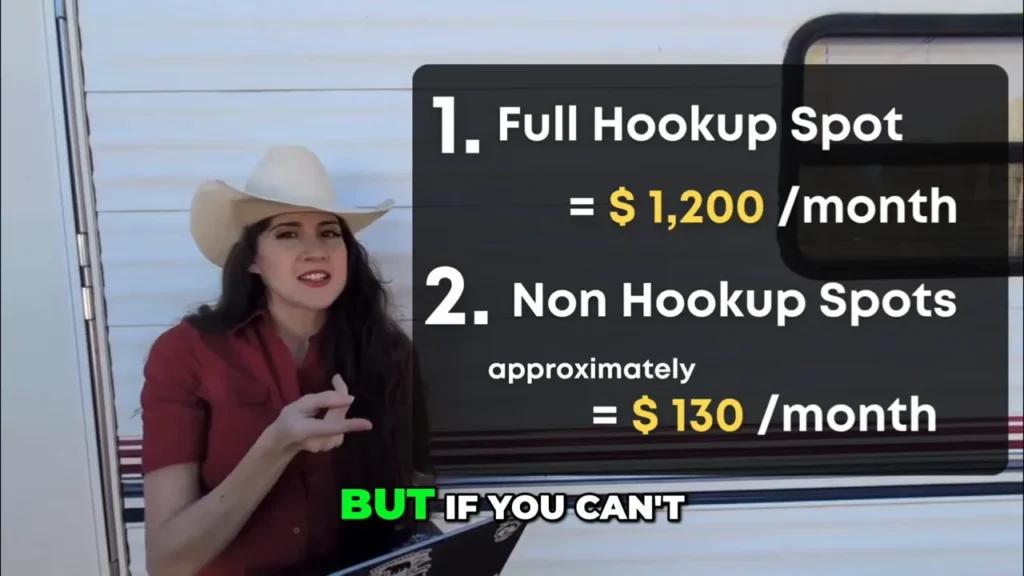
The main full-hookup spot brought in $1,200 per month. Over roughly 10 months, that accounted for most of the total revenue.
On top of that, the owner also had non-hookup spots listed. Those contributed extra income as well.
Non-hookup spaces can work in a different way. You may be able to charge more per night in some cases, but they are often less suited for long-term stays unless the renter is specifically looking for that kind of arrangement. Even so, they can still add meaningful revenue without much additional complexity.
So while the headline number was over $13,300, the bigger insight is this:
You do not need multiple perfected sites to start making money with RV hosting on private land.
A single well-positioned full-hookup spot can carry most of the revenue, while simpler overflow or non-hookup spaces create bonus income.
Why a “simple first” approach makes so much sense
There is a common mistake landowners make when they first think about RV hosting on private land. They assume they need to go all in immediately.
That usually sounds like this:
- I need to install hookups everywhere
- I need multiple pads
- I need to make it feel like a campground
- I need every amenity before I can start
But demand often does not require all of that.
A better approach is to start with the minimum setup needed to create a quality, usable site. Test the demand. Learn what renters in your area actually want. Then expand only if the numbers justify it.
This property is a great example of that strategy in action. It was not overbuilt. It was practical. And it started earning quickly.
How much time does hosting actually take?
Another major concern for landowners is time.
People hear “hosting” and imagine constant interruptions, weekend arrivals, messages at all hours, and having to be physically present every time a guest shows up. That can happen in a short-term hospitality model, but it is not the only way to do this.
With long-term RV renters, the time commitment can be very low.
Once a good renter is placed and parked, there is often very little left to manage day to day. That is one of the biggest advantages of focusing on monthly or multi-month stays. Instead of operating like a revolving-door campsite, you are creating stable occupancy.
On this property, the host took a middle-ground approach. He liked staying involved enough to review incoming bookings and decide whether to approve or deny them. If renters had questions, they could message him through the platform. That let him stay informed without making the setup overly hands-on.
For landowners who want less friction, platforms like Hookhub hosting are designed to make that process easier by helping with listings, communication, and renter management.
You do not have to be on-site for every check-in
This is another misconception that stops people from starting.
You do not necessarily need to be standing on the property whenever someone arrives. A lot of the communication and coordination can happen remotely, especially when the setup is straightforward and the renter is staying for an extended period.
That is part of why RV hosting on private land can work so well for people who have extra land but do not want a second full-time job.
When the property is easy to access, the rules are clear, and the renter is a good fit, the ongoing commitment can be minimal.

What this says about demand for private RV sites
The demand behind this property is not a fluke. It reflects a broader shift in what many RVers want.
Private land is appealing because it offers something crowded campgrounds often do not:
- More peace and quiet
- More space
- Less congestion
- A more personal and flexible experience
For long-term renters in particular, that can be a much better fit than a packed RV park. Someone working remotely or living on the road full-time may care far more about a peaceful, dependable place to stay than organized activities or resort extras.
If you are curious what longer-stay demand looks like in your market, browsing long-term RV parking options can give you a sense of how sites are positioned and what renters are looking for.
What landowners should take away from this example
This case study makes a few things very clear.
- You do not need a full RV park to earn meaningful income.
- Quiet, private land can be highly desirable.
- One full-hookup site can do most of the work.
- Non-hookup spots can still bring in extra revenue.
- Long-term renters usually create a more predictable, lower-maintenance setup.
- Starting simple is often smarter than overbuilding.
That combination is exactly why RV hosting on private land is becoming such an interesting option for people with unused space.
The bottom line on RV hosting on private land
Making over $13,300 in under 10 months without building a traditional RV park is not just a nice result. It is proof that the barrier to entry can be much lower than most people think.
This landowner did not rely on a flashy destination or a major infrastructure project. He offered what RVers actually needed: a peaceful place to park, simple access, and a workable hookup setup.That is the big opportunity with RV hosting on private land. If your property has usable space and basic potential, you may not need much to get started. Sometimes one good site is enough to validate the idea, generate income, and show you whether expanding makes sense later.