Whether you’re hosting a single campsite or managing multiple RV sites, one thing determines how smooth your operation will be: clarity. Most issues in RV camping don’t come from difficult guests. They come from unclear expectations.
A guest might let their pet roam into a neighbor’s space, run a generator past quiet hours, or leave a campfire unattended. These situations don’t usually happen out of bad intent. They happen because the rules of the stay were never clearly defined.
That’s why strong RV resort etiquette isn’t just for large campgrounds or RV resorts. It matters even more on private land. If you want to create a safe, respectful, and enjoyable place to stay, your house rules need to guide behavior from the moment guests arrive.
Key Takeaways
- Clear house rules help ensure a smooth RV hosting experience by setting expectations before guests arrive.
- Covering essentials like quiet hours, pet policies, waste disposal, and shared spaces prevents common issues between RVers and hosts.
- Rules should be communicated during booking and reinforced at check-in for stronger compliance.
- A well-structured code of conduct helps maintain a safe place while encouraging courtesy among guests and neighbors.
- Platforms like Hookhub support hosts by providing guest vetting, communication tools, and systems that reinforce your rules.
Why House Rules Matter in RV Hosting
Unlike traditional RV parks or fully staffed campgrounds, private RV hosting puts you in charge of the entire experience. You’re not just offering a destination, you’re setting the tone for how guests interact with your land, your amenities, and even your neighbors.
Guests who choose private land for RVing are often looking for flexibility, privacy, and a more personal outdoor experience. But those benefits only work when expectations are clearly communicated. Without structure, even a scenic and well-designed space can quickly become disorganized.
Clear rules help ensure that every camper understands how to use the space respectfully, especially when you’re still preparing your property for RV guest stays. They also make it easier to attract the right kind of guest.
When expectations are visible upfront, respectful RVers are more likely to book, while guests who aren’t a good fit tend to filter themselves out before arrival.
In high-demand areas like the Phoenix metro, especially during snowbird season from November through March, expectations become even more important. Longer stays, higher occupancy, and extreme summer conditions place added pressure on power usage, 50-amp hookups, and quiet hours.
These are not just preferences, they directly affect the sustainability of your setup over time.
Quiet Hours and Generator Use
One of the most important parts of RV resort etiquette is respecting quiet hours, especially when multiple campsites or RV sites share the same environment. Sound carries easily outdoors, and even a small amount of noise can disrupt another guest’s experience during an overnight stay.
Instead of simply telling guests to keep noise down, it’s more effective to explain what quiet hours actually involve. This includes turning off generator use, lowering music, and winding down outdoor activities. These expectations align with general RV camping etiquette guidelines, which emphasize respect for shared spaces and neighboring guests.
Setting designated quiet hours creates a predictable rhythm for your property and reduces tension between neighbors. It also signals that your space is organized and intentionally managed.
Pet Policies and Outdoor Responsibility
Offering a pet-friendly environment can make your listing more appealing, but only if expectations are clear. Pets that roam freely, enter a neighbor’s space, or are left unattended often lead to avoidable issues.
Requiring guests to leash your pets, supervise them outdoors, and properly dispose of waste helps maintain a clean and respectful environment. These expectations also align with widely recognized leave no trace principles, which emphasize respect for shared and natural spaces.
In real-world scenarios, most complaints don’t come from aggressive pets, but from a lack of supervision. A dog wandering into another campsite or barking repeatedly can quickly create tension between guests, even if the owner doesn’t see it as a problem.
Campfire Safety and Outdoor Etiquette
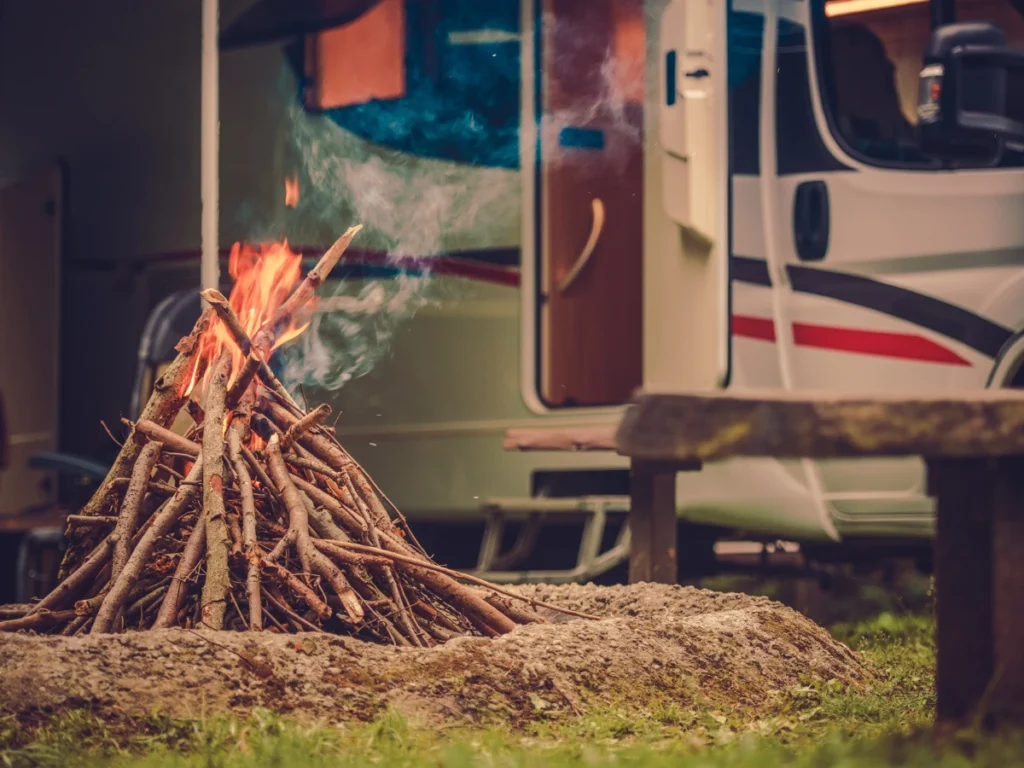
A campfire is a highlight of many RV camping experiences, but it also comes with real responsibility. Fires should only be allowed in designated fire areas and must always be monitored to prevent unnecessary risk.
Guests should follow standard campfire safety guidelines, including keeping fires controlled and never leaving them unattended. They should also understand that fires must be fully extinguished before leaving the campsite or going to sleep. This helps protect your property, surrounding land, and other guests, especially if you list your land for RV guests without utilities, where safety responsibility falls entirely on the guest and host.
Water, Sewer, and Waste Management
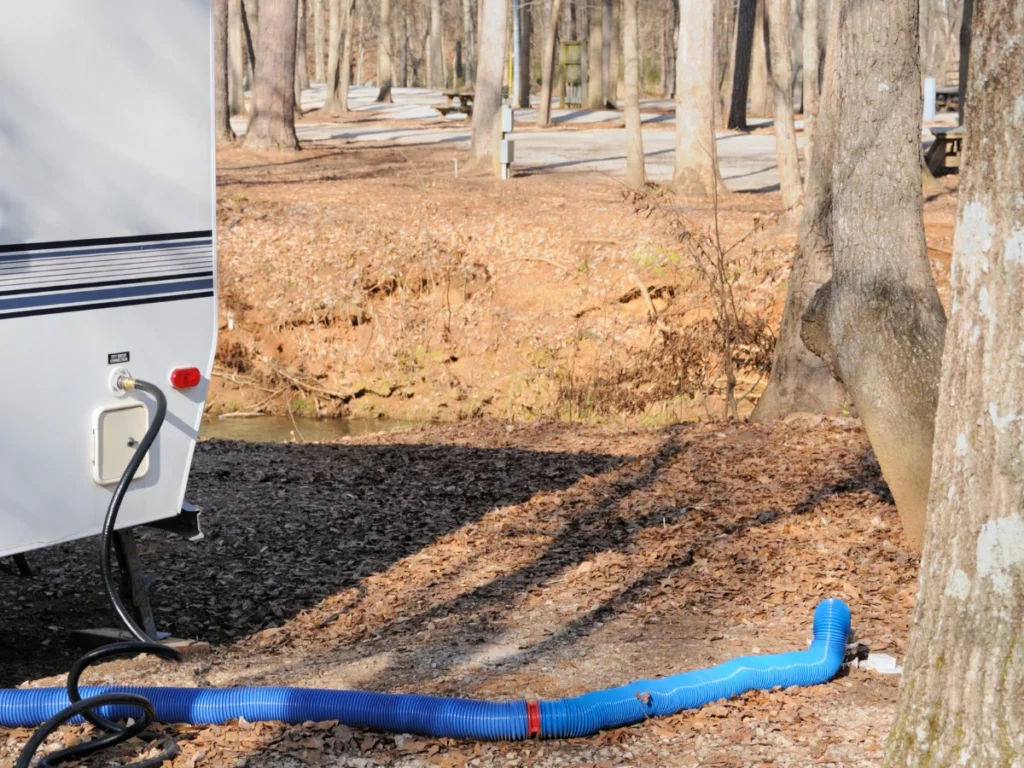
If your property includes water hookups or sewer access, clear instructions are essential. Guests should only use designated areas for waste disposal and properly manage their tank systems to avoid damage or sanitation issues.
Leaving water running or disposing of waste improperly can lead to costly problems over time. Clear rules help prevent these issues and keep your property functioning smoothly.
This becomes even more important during longer stays. A guest staying for a weekend may have minimal impact, but a 30- to 90-day stay places consistent pressure on water usage, sewer connections, and tank management. Small mistakes, when repeated over time, can quickly turn into expensive issues if expectations aren’t clearly set from the start.
Shared Spaces and Amenities
Shared amenities such as a shower, bathroom, restroom, or pool require clear expectations. These spaces often involve multiple guests, which increases the risk of misunderstandings.
Encouraging guests to clean up after themselves, remove personal items like towels or blankets, and respect others’ privacy helps maintain a positive experience for everyone. This approach aligns with widely recognized leave no trace principles, which emphasize respecting shared and natural spaces.
Additional Guests and Visitors
Unregistered visitors can quickly disrupt your setup, especially when a booking intended for a small group turns into a larger gathering. Without clear expectations, this can lead to overcrowding, added strain on amenities, and a less comfortable experience for other guests.
Requiring approval for additional guests helps keep your space manageable and safe, while also maintaining the experience you originally designed. This becomes even more important when you’re screening monthly RV guests for longer stays, where consistency and compatibility matter more over time.
Check-In, Checkout, and Site Use
Clear check-in and checkout instructions help set the tone for the stay. Guests should know where to park their rig, which areas they can access, and when they need to vacate the property.
This not only reduces confusion and keeps your operations running smoothly but also prevents one of the most common issues in RV hosting: guests unintentionally using the wrong space or overstepping boundaries. It becomes especially important when you have multiple RV sites or long-term guests who may begin to treat the property more casually over time.
How to Communicate Your House Rules
Rules should be shared before guests arrive, not after problems occur. Sending them during booking and reinforcing them again at check-in helps ensure guests understand expectations from the start, rather than reacting to rules after they’ve already settled in.
Clear and consistent communication also makes enforcement easier. When expectations are documented early, it becomes easier to refer back to what was agreed upon if issues arise. Platforms like Hookhub simplify this process by keeping communication organized and accessible, which becomes especially important when dealing with situations like what to do with bad RV guests.
Keeping Rules Firm Without Feeling Strict
House rules don’t need to feel restrictive. When framed as a code of conduct, they help create a welcoming and respectful environment.
Guests are more likely to follow rules when they understand that these guidelines exist to maintain a safe and enjoyable experience for everyone.
Where Hookhub Fits Into RV Guest Management
Managing guest behavior becomes easier when your rules are supported by a structured system. Platforms like Hookhub provide tools for guest vetting, communication, and booking management.
This allows you to focus on creating a great hosting experience while ensuring your expectations are consistently understood and followed.
Conclusion
Clear house rules are essential for successful RV hosting. They protect your property, guide guest behavior, and create a better experience for everyone involved.
By setting expectations around quiet hours, pets, shared spaces, and overall etiquette, you create a structured environment that still feels welcoming and flexible.
FAQ
Do house rules really matter in RV camping?
Yes. They help prevent misunderstandings and ensure guests know how to behave in shared or private campsites.
What is the most important RV etiquette rule?
Respecting quiet hours is one of the most important rules because it directly affects other guests.
Should pets always be leashed?
Yes. Guests should always leash your pets and supervise them to prevent issues.
What happens if a guest breaks the rules?
Clear communication should come first. If issues continue, you may enforce your rules and require guests to leave.