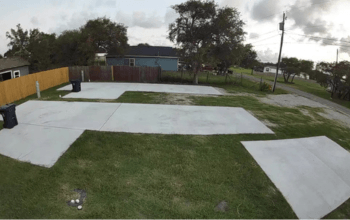
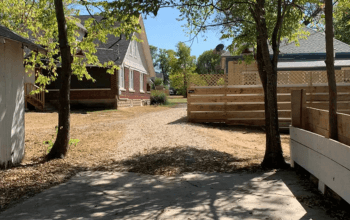
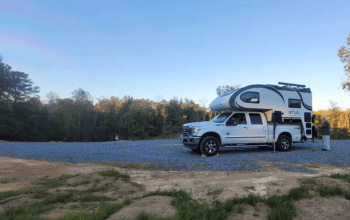
This guide reflects how private landowners actually move from inherited property to active RV hosting, including the legal, operational, and practical steps that matter most.
You inherited land. Maybe it’s a few acres from a grandparent, a rural parcel tied to an inheritance, or property that’s been in your family for years. Now it’s yours, and it likely comes with ongoing costs like property tax, maintenance, and liability.
One option more landowners are quietly exploring is RV hosting.
Most landowners hesitate at this stage, not because the idea doesn’t make sense, but because the process feels unclear.
Instead of building a campground or developing a park, many owners are simply offering one or two spaces to long-term RV guests. These are often long-term RV residents looking for a stable place to stay, not just a weekend campsite. Private land is becoming an increasingly important part of the RV ecosystem.
If you’re new to this, it helps to understand how RV hosting actually works on private land before listing your space.
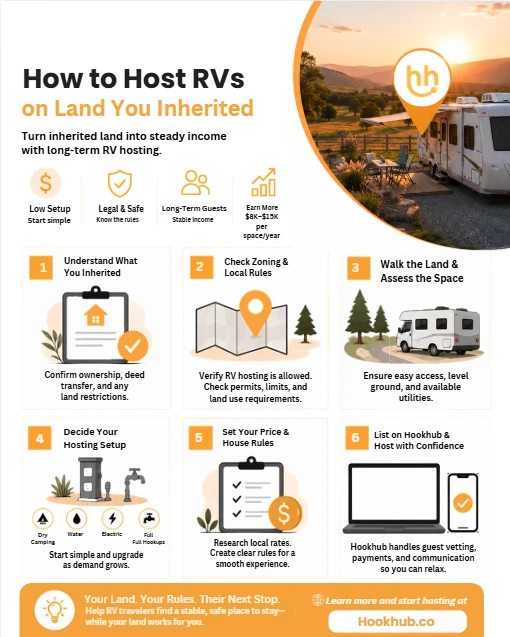
Key Takeaways
What Does It Actually Mean to Host RVs on Private Land?
RV hosting on private land is simpler than most people expect. It means allowing RV travelers, many of whom live in their vehicle full-time, to park on your property for a fee.
These aren’t typical tent campers. Many are remote workers, retirees, or long-term travelers who have chosen the RV lifestyle as a residence or flexible living arrangement. Some are even in the process of establishing a legal domicile while living on the road.
They’re not looking for resort-style campgrounds. They want a quiet, reliable space that feels safe and consistent.
For most first-time hosts, focusing on longer stays leads to better results. Less turnover, fewer interruptions, and more predictable income throughout the year.
Step 1: Understand What You Actually Inherited
Before listing your land, take time to understand its legal and ownership status.
Inherited land can come with complications. There may be multiple heirs, unresolved ownership transfers, easements, or restrictions tied to how the land can be used. In some cases, income activity may be limited until the inheritance process is complete.
Before accepting your first guest, you need clarity on ownership and restrictions. This includes confirming that the deed has been fully transferred, reviewing any agricultural or conservation exemptions, and checking for limitations on how the property can be used for hosting.
These aren’t barriers, but they are important factors to understand before you begin.
Step 2: Check Zoning and Local Rules
This is the most important step, and it’s often overlooked.
Zoning rules for RV-friendly land use vary widely between counties. In some areas, hosting one or two RVs is completely allowed. In others, it may fall under campground regulations with specific permits or limits.
This is where many first-time hosts run into issues. A setup that seems simple, like allowing one RV to park on your land, can be interpreted as operating a campground depending on your county. That can lead to complaints, fines, or being asked to remove guests if the rules haven’t been verified in advance.
To understand your situation, review RV hosting zoning rules explained and confirm everything with your local county office.
You can also reference guidance from government agencies like the U.S. Department of Housing and Urban Development or your local planning office for land use classifications.
What to verify:
- How many RV units are allowed
- Whether permits are required
- Setback and land use requirements
- Rules around utilities and waste
Always confirm at the county level. That’s where jurisdiction is enforced.
Step 3: Walk the Land and Assess the Space
You don’t need a fully developed campsite, but your land does need to meet what kind of setup guests actually expect when choosing a private RV space.
Walk the property and evaluate a few key factors before listing anything.
Access
Can a large RV safely enter and exit?
Check road conditions, turning space, and overhead clearance. Low branches, narrow gates, or soft ground can limit what type of vehicle your space can accommodate.
A space might look usable on foot, but once a 30–40 ft RV tries to enter, turning radius becomes the real issue. This is one of the most common mismatches between expectation and reality.
Level Ground
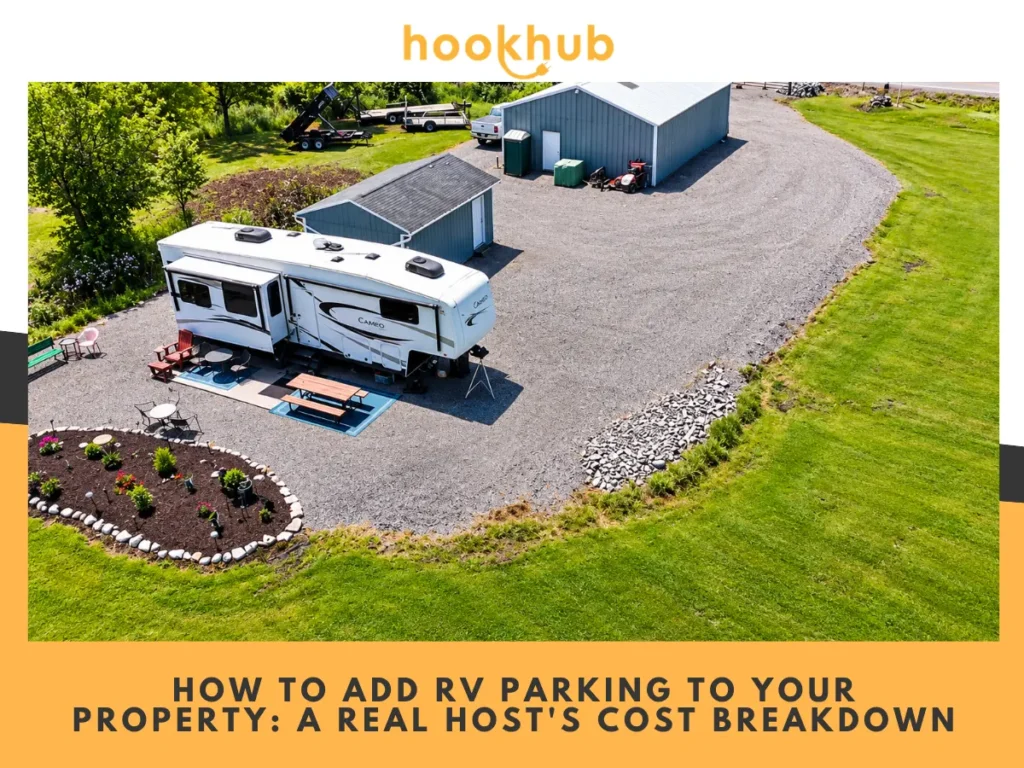
RVs need relatively flat ground to park comfortably. Even one well-prepared acre can support a reliable, usable space.
Utilities
Start simple if needed and build over time.
- Dry camping (no hookups)
- Water access
- Electrical connections
- Full hookups
Many hosts begin with minimal setup and upgrade as demand becomes clearer. If you’re unsure what’s required, reviewing minimum land requirements for RV parking can help you define a practical starting point.
Step 4: Decide What Type of Stays to Offer
Your hosting style affects everything from workload to income, so it’s worth deciding early what kind of setup you want to run.
Short-term stays
Best for land near outdoor areas, parks, or travel routes. These bring more turnover and require more active management, including frequent communication and scheduling.
Long-term stays
Guests often stay 30 to 90 days or longer. They’re looking for stability, not constant movement, which makes this the most consistent income model for many landowners.
Most successful private land setups aren’t built around weekend camping, they’re built around long-term RV residents who value a reliable place to stay.
Storage hosting
The lowest involvement option. Guests park their RV vehicle without staying overnight, which reduces day-to-day management but also comes with lower rates.
Many hosts find that focusing on longer stays creates a more stable customer base, with guests returning throughout the year.
Step 5: Understand Insurance and Liability
This is one of the most common concerns new hosts have.
Most standard insurance policies don’t automatically cover hosting activity. Before you start, speak with your provider and explain exactly what you plan to do.
You can also review risks of hosting RVs on private land to better understand where protection matters most.
For additional guidance, resources like the Insurance Information Institute can help clarify how liability works when renting space.
Step 6: Set Pricing Based on Your Setup
Pricing depends on your setup, location, and the type of guests you want to attract.
In most cases, your rate reflects how much infrastructure you provide.
Many first-time hosts underprice because they think they’re offering “just land,” but long-term RVers are paying for stability, not just space.
A simple dry camping space will sit at the lower end, while full hookup sites with water, electric, and sewer command higher monthly rates.
Typical ranges look like this:
- Dry camping (no hookups): $250–$450/month
- Water access: $350–$600/month
- Electric hookup: $500–$800/month
- Full hookups: $750–$1,200/month
Location also plays a major role. Land near travel corridors, outdoor areas, or seasonal demand zones tends to command higher pricing.
To benchmark your rates, compare similar private land listings in your area and look at what hosts with similar setups are charging.
Step 7: Decide How You’ll Find and Manage Guests
You can manage everything yourself or use a platform.
Self-management means handling:
- Listings
- Screening guests
- Payments
- Communication
This approach gives you full control, but it also requires time and a clear process for managing inquiries, setting expectations, and handling issues as they come up.
Alternatively, platforms simplify the process by centralizing bookings, communication, and coordination in one place. This makes it easier to stay organized, especially if you’re hosting for the first time or managing your property remotely.
Where Hookhub Fits Into Hosting on Inherited Land
For many first-time landowners, the biggest challenge isn’t the land, it’s managing everything that comes with hosting.
Screening guests, handling payments, setting expectations, and dealing with issues all require a system. Without that structure, even a simple setup can become time-consuming to manage.
Platforms like Hookhub provide that structure. Instead of building your own process from scratch, you’re working within a system that organizes bookings, communication, and coordination in one place. This reduces friction and allows you to focus on the space itself rather than the logistics.
For many hosts, this makes it easier to start, stay consistent, and gradually scale without overcomplicating the process.
What Kind of Income Can You Expect?
Income depends on your setup and consistency.
Many hosts earn between $8,000 and $15,000 per year per space. A single long-term guest paying $700 per month generates over $8,000 annually.
This demand translates into consistent opportunities for private landowners. According to the Recreation Vehicle Industry Association, millions of households across the U.S. own RVs, and many are looking for long-term parking outside traditional campgrounds.
Private land fills that gap.
Common Mistakes to Avoid
Most early issues fall into a few categories, and understanding common RV hosting mistakes to avoid can help you prevent problems before they start.
Skipping zoning verification can lead to your listing being shut down after your first booking, especially if a neighbor files a complaint or your county enforces campground regulations.
Underestimating vehicle access often results in guests arriving but being unable to safely enter or position their RV, which can lead to cancellations or negative reviews.
Not having clear written rules can create confusion around utilities, waste disposal, or guest behavior, turning simple stays into avoidable disputes.
Investing too much before validating demand is another common mistake. Spending heavily on hookups or infrastructure before securing consistent bookings can delay your return and add unnecessary risk.
Avoiding these early issues helps you protect your time, your property, and your ability to host consistently.
If a difficult situation does come up, knowing how to handle difficult RV guests can help you stay in control without escalating the issue.
Frequently Asked Questions
Can I legally host RVs on inherited land?
In many rural areas, yes. However, rules vary by county. Always verify zoning and permitted use before listing.
Do I need a permit?
It depends on your jurisdiction and the number of RVs you plan to host.
Can I start during the inheritance process?
Not usually. You need legal authority to manage or generate income from the property.
How long does it take to get a booking?
Well-prepared listings often receive inquiries within days, with bookings typically happening within the first month.
Conclusion
Inherited land can feel like a responsibility, but it can also become a practical opportunity.
You don’t need a complex setup or major upgrades to get started. One usable space, clear zoning, and a simple setup are enough to begin.
As more people choose the RV lifestyle, the demand for quiet, reliable spaces continues to grow. Private landowners are in a unique position to meet that demand without overcomplicating the process.
Start small, stay practical, and build from there.