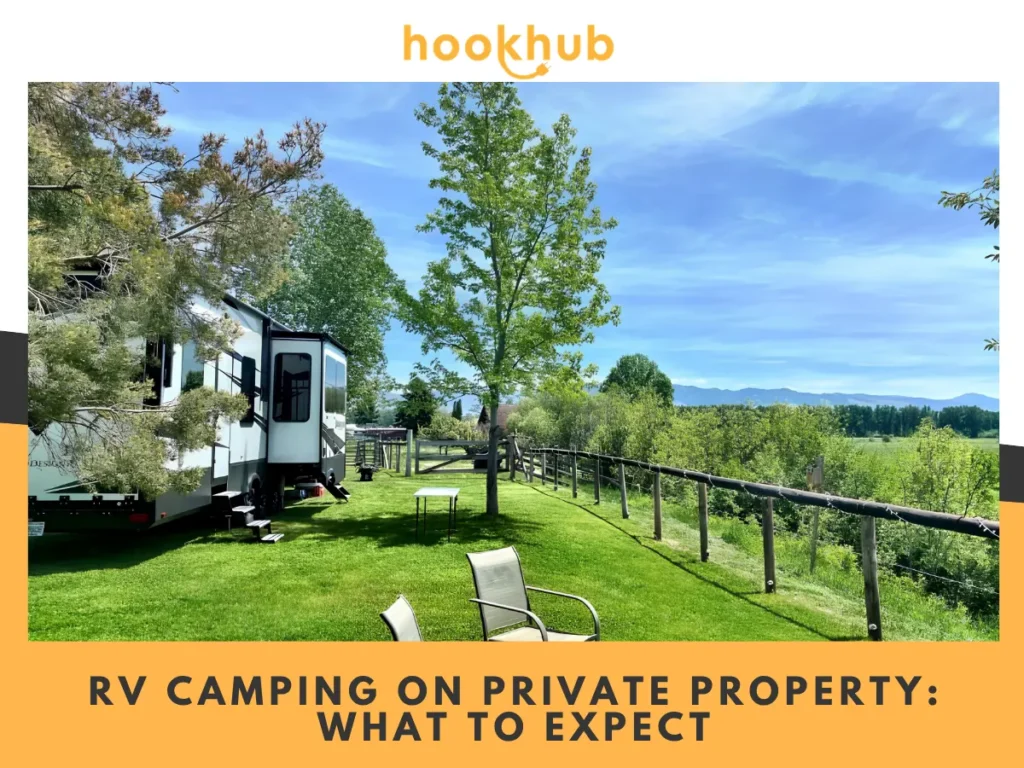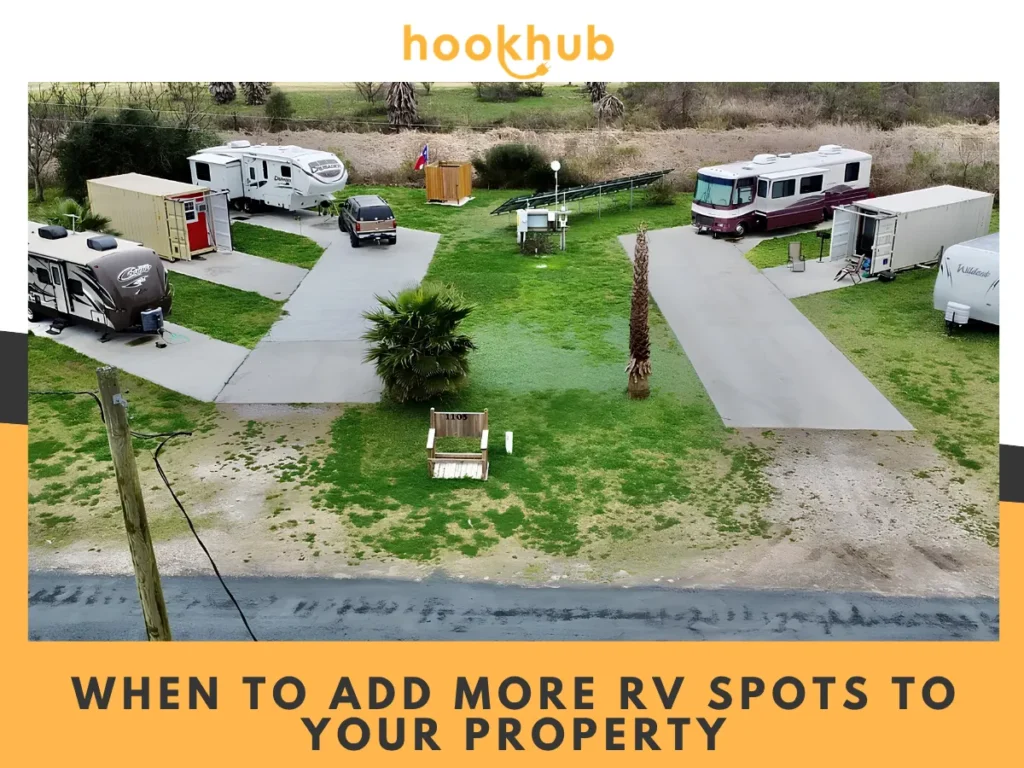
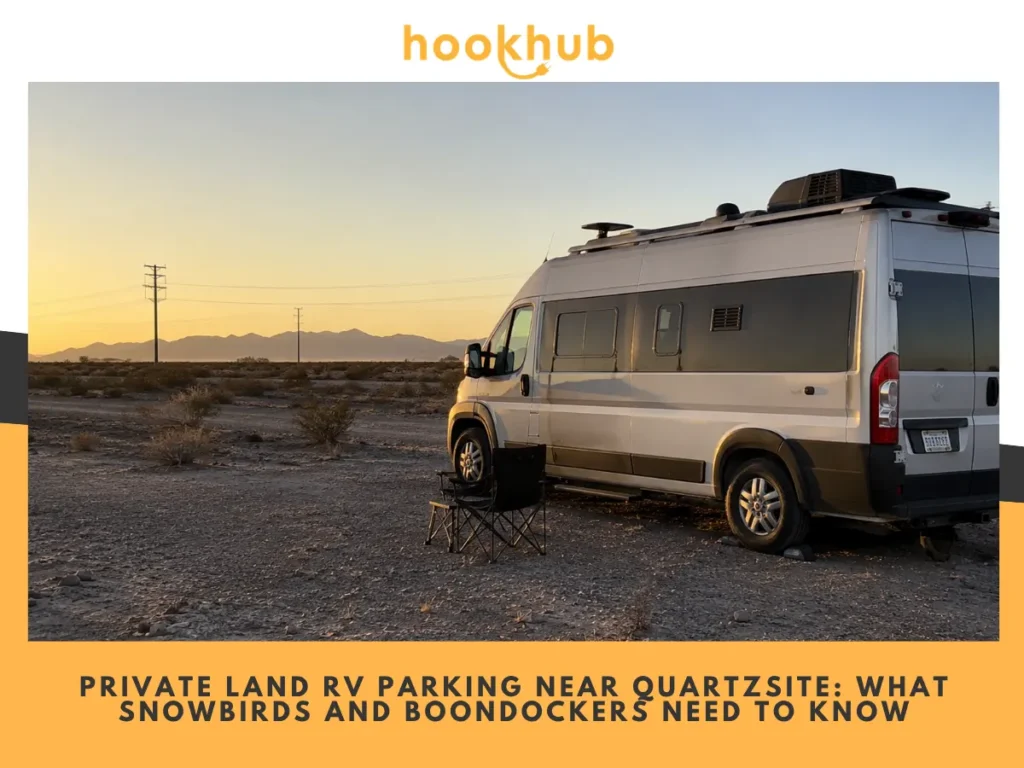


RV owners and hosts face a critical question: Can the driveway handle the weight and size of large recreational vehicles? Before parking an RV on any driveway, property owners must verify that the surface can support the vehicle without sustaining damage or creating safety hazards.
A driveway suitable for RV parking requires a strong foundation, typically consisting of 4-inch-thick concrete or pavers over a solid base. Without proper assessment of the driveway’s dimensions, structural integrity, and compliance with local regulations, property owners risk costly repairs and potential liability issues.
Watch our step-by-step video on how to prep your property for RV parking to see these requirements in action.
Assess Your Driveway’s Physical Dimensions
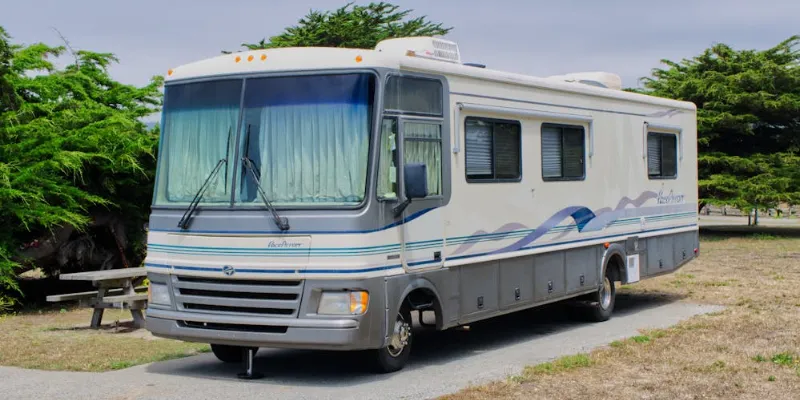
Physical specifications determine whether a driveway can accommodate various RV classes. Property owners must evaluate multiple dimensional factors to ensure safe and convenient parking for guests or personal use. Understanding these key RV parking factors helps create a comprehensive assessment of parking suitability.
Measuring Width Requirements for Different RV Classes
Driveway width directly impacts maneuverability for larger vehicles. Smaller RVs require a minimum width of 12 feet, while larger motorhomes need 15 feet or more to navigate comfortably.
Typical widths for different RV classes include:
- Class A Motorhomes: 8 to 10 feet wide
- Class C Motorhomes: 7 to 8.5 feet wide
- Travel Trailers: 7 to 8 feet wide
Calculating Length Capacity for Various Motorhome Types
RV length determines the minimum driveway space required for safe parking. Longer vehicles need additional maneuvering room beyond their actual length and require substantial space that won’t obstruct neighboring properties or public roads.
Length guidelines for RV classes:
- Class A: 25 to 45 feet
- Class B: 16 to 22 feet
- Class C: 20 to 35 feet
Checking Height Clearance and Overhead Obstacles
Height restrictions often create unexpected problems for RV parking. Most recreational vehicles stand 10 to 14 feet tall, making overhead obstacles like tree branches, power lines, and garage roofs potential hazards. Property owners should inspect the entire parking path for any obstructions that could damage the vehicle or property.
Evaluating Turning Radius and Approach Angles
Larger RVs require wider turning radii and gentler approach angles. The turning path must provide adequate clearance for the vehicle to enter the driveway without hitting curbs, landscaping, or structures. A gradual approach angle prevents the RV’s underside from scraping against the driveway surface during entry and exit.
Evaluate Surface and Structural Integrity
The driveway’s material composition and structural condition determine its ability to support heavy recreational vehicles safely over time. Property owners must understand weight capacities and recognize warning signs of inadequate support.
“Driveway engineering isn’t just about technical specs—it quietly defines your property’s market position and revenue potential. Hosts who invest in smart, weather-resilient infrastructure protect booking consistency, attract premium guests, and maintain pricing power year-round.”
Caylee Shea Harrington, Hookhub CEO
Understanding Weight Capacity of Different Materials
Different driveway materials offer varying levels of weight capacity for RV parking. Following concrete engineering standards ensures proper installation and long-term durability:
- Concrete: High weight capacity, durable, and stable for heavy RVs
- Asphalt: Good weight capacity and cost-effective, though performance depends on thickness and base material quality
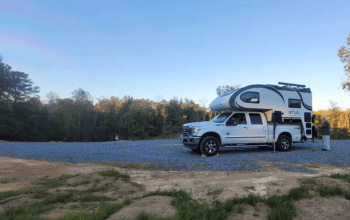
- Gravel: Lower weight capacity with lower installation costs, but requires regular maintenance to maintain stability under heavy loads
Identifying Signs of Inadequate Support
Several visible indicators suggest a driveway cannot safely support RV parking. Property owners who observe these conditions should consult professionals before parking heavy vehicles:
- Wide or deep cracks in the surface signal structural weakness
- Sinking or uneven areas indicate poor drainage or compromised base materials
- Water pooling on the surface reveals inadequate slope or drainage problems
Ensuring Proper Drainage and Slope
Effective drainage prevents water accumulation that can destabilize parked RVs and damage driveway surfaces. The driveway should feature a slope of at least 1-2% to direct water away from the parking area.
Key considerations include:
- Ensuring a minimum slope of 1-2% for proper drainage
- Installing French drains or other drainage systems for properties with drainage challenges
- Avoiding parking on excessive slopes that can cause instability or unwanted vehicle movement
Planning Long-term Maintenance
Regular maintenance extends driveway lifespan and ensures continued safety for RV parking.
Essential tasks include:
- Sealing cracks and resurfacing as needed
- Conducting routine inspections for wear or damage
- Addressing drainage issues promptly to prevent water-related deterioration
Consistent maintenance prevents expensive emergency repairs and maintains safe parking conditions.
Navigate Legal and Regulatory Requirements
Local regulations and community rules significantly impact RV parking options on private property. Understanding these requirements helps property owners avoid violations and potential fines. For comprehensive guidance on parking RVs on private land, property owners should research both municipal codes and neighborhood-specific rules.
Reviewing HOA Restrictions and Community Covenants
Homeowners’ associations frequently impose specific rules regarding RV parking on private property. These restrictions may address vehicle size, type, visibility, and maximum parking duration. Property owners should review their HOA’s Covenants, Conditions, and Restrictions (CC&Rs) to understand time limits for RV parking, screening or concealment requirements, and any rules regarding RV maintenance or repairs on the property.
Researching Local Zoning Laws and Neighborhood Codes
Municipal zoning laws establish where and how property owners can park recreational vehicles. These regulations often specify minimum distance requirements from property lines, streets, and neighboring homes. Local planning departments provide information about necessary permits or licenses for RV parking and restrictions on vehicle size or type.
Obtaining Permits for Driveway Modifications
Driveway modifications typically require permits from local authorities. Permit requirements vary based on location and the extent of proposed changes. Property owners should consult with local building departments and review building code requirements before widening or extending driveways, reinforcing surfaces for heavier vehicles, or installing new drainage systems.
Modify Your Driveway to Accommodate RVs
Strategic modifications can transform an inadequate driveway into a suitable RV parking area. These improvements require careful planning and professional execution to ensure safety and compliance.
Widening and Extending Existing Driveways
Increasing driveway dimensions provides the clearance needed for larger vehicles. Each option requires precise planning and proper construction to create safe, functional RV parking:
- Widening: Expands the driveway’s width to accommodate RV dimensions
- Extension: Adds length for additional parking space or regulatory compliance
- Reconfiguration: Changes the driveway layout to improve access and parking efficiency
Reinforcing Surfaces for Increased Weight Capacity
Heavy recreational vehicles demand enhanced structural support. Professional consultation helps determine the most effective reinforcement method for specific situations:
- Reinforced Concrete: Incorporates rebar or fiber mesh to increase strength and durability
- Asphalt Reinforcement: Uses geogrid or geotextile materials to improve longevity and weight capacity
- Gravel Stabilization: Employs grid systems or stabilizers to maintain surface integrity under heavy loads
Installing Electrical Hookups and Utilities
Utility connections enhance the RV hosting experience and property value. All installations must comply with local electrical codes and regulations:
- Electrical Hookups: 50-amp service for large motorhomes or 30-amp service for smaller vehicles
- Water and Sewer Connections: Convenient access to essential services
- Lighting and Security: Improved safety and visibility around the parking area
Estimating Costs and Return on Investment
Driveway modifications represent significant investments with varying price ranges. Widening projects typically cost $3,000 to $10,000, while reinforcement runs $2,000 to $5,000, and electrical hookups range from $1,000 to $3,000. These improvements can substantially increase property value and create opportunities for RV rental income.
| Modification | Estimated Cost |
| Driveway Widening | $3,000 – $10,000 |
| Reinforcement | $2,000 – $5,000 |
| Electrical Hookups | $1,000 – $3,000 |
Explore Alternatives for Unsuitable Driveways
Properties with incompatible driveways still have viable options for RV parking and storage. Alternative solutions address limitations related to size, weight capacity, or regulatory restrictions.
Utilizing Professional RV Storage Facilities
Commercial storage facilities provide secure, weather-protected storage when home parking isn’t feasible. Monthly costs range from $50 to $200 for outdoor storage and $100 to $500 or more for indoor options. Property owners should prioritize facilities near their location with amenities like dump stations, fueling services, and comprehensive security systems.
Some facilities offer additional services including maintenance, detailing, and insurance coverage. For a detailed breakdown of RV storage costs and what factors influence pricing, property owners can explore various facility options in their area.
Creating a Dedicated RV Pad on Your Property
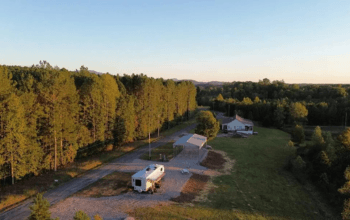
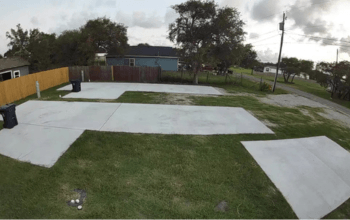
Property owners with sufficient land can construct a separate RV parking pad away from the main driveway. This approach requires selecting an appropriate location, preparing the ground properly, and building a durable surface capable of supporting heavy vehicles. A dedicated pad provides complete control over the parking area and can reduce long-term storage costs while keeping the RV easily accessible. Property owners must consider drainage requirements, access routes, and compliance with local regulations or HOA rules.
Considering Temporary Parking Solutions
Short-term parking needs or seasonal RV use benefit from flexible arrangements. Options include short-term storage facilities, RV parks with flexible rental terms, or private campsites offering temporary spots. Seasonal considerations influence temporary parking choices. Properties in cold climates need protection from snow and ice damage, while hot regions require shade and cooling features to prevent heat-related vehicle deterioration.
Take Action to Optimize Your RV Parking Setup
Property owners with large recreational vehicles must verify their driveways can handle the weight, dimensions, and long-term presence of these substantial vehicles. Properties with inadequate driveways have several alternatives, from professional storage facilities to dedicated RV pads on available land.
Ready to transform your property into a profitable RV hosting space?
HookHub specializes in helping property owners create successful RV rental businesses. Download the free 15-Minute Property Assessment to evaluate whether your property meets the requirements for RV hosting, then explore HookHub’s comprehensive services to maximize your rental income potential.