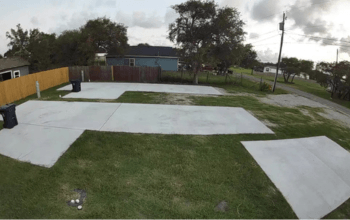
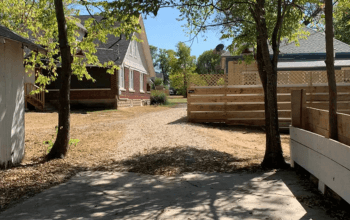
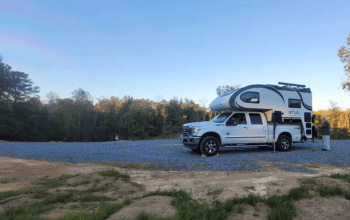
Are you a landowner thinking about turning your unused land into a welcoming spot for RV travelers?
The RV industry is growing fast. Creating a well-designed RV parking setup could be a great chance to make money.

RV travelers want more than just a place to park. They look for comfort, safety, and amenities. A well-thought-out land layout can greatly improve their experience.
We’ll look at the key points of designing an efficient RV parking setup. We’ll talk about land terrain, RV sizes, and the amenities that draw guests.
Key Takeaways
- Understand the needs of RV travelers to create a welcoming space.
- Consider the terrain and size of your land when designing the layout.
- Essential amenities can make or break the RV traveler’s experience.
- A well-designed layout can increase the appeal of your land to RV travelers.
- Proper planning is crucial for a safe and comfortable stay.
Understanding Mini RV Park Layout Concepts

Landowners can make money by understanding mini RV park layouts. A good layout makes the RV park efficient and nice to look at. This makes guests happier.
When designing a compact RV park, we must think about a few things. The RV sites should be placed to save space and make it easy for RVers to move around.
Importance of a Well-Designed Layout
A good layout of an RV park is key for an efficient RV site organization. It makes guests happy and helps the RV park run smoothly. RV experts say a well-planned park boosts guest satisfaction and gets them to come back.
“A well-planned RV park can significantly boost guest satisfaction and encourage repeat visits.” – Caylee Harrington
Space Utilization Strategies
To make an RV site organization efficient, we need smart space use. We should plan where RV sites, amenities, and common areas go. This makes your park work well and look good.
- Assessing the land’s topography to determine the best RV park’s layout
- Using a grid or circular pattern for RV campsite placement
- Incorporating green spaces and amenities to enhance guest comfort and experience
Types of RVs and Their Needs
It’s important to know what different RVs need. We should think about their size, weight, and what they need. This helps us make a layout that’s both useful and comfy for guests.
Larger RVs need more room to move, while smaller ones can fit in tighter spots. Also, RVs with special needs like full hookups or pet areas should be placed right.
A smart layout is the foundation of a successful RV rental business — and with Hookhub’s free listings and marketing, the better your property is designed, the easier it is to attract long-term tenants who stay, pay, and respect your land.
Key Factors to Consider in Layout Design
A good RV park layout depends on a few key factors. We must look at the land’s unique features, the needs of RV travelers, and the standard RV rules we must follow.
Size and Shape of the Land
The land’s size and shape are crucial for the RV park’s design. A bigger piece of land gives us more freedom in design. But, a smaller land needs careful planning to use space well.
We should check the land’s topography. This includes slopes, water features, and natural elements that could affect the RV park layout design.
If the land is irregularly shaped, we need to get creative. We must plan carefully to fit RVs comfortably. The land’s orientation also matters for placing many RV sites and amenities.
Accessibility and Traffic Flow
It’s vital to make the RV park easy to get to and navigate especially for large RVs. We should design roads that RVs can easily move on. We also need to think about traffic flow within the park.
Good traffic flow helps avoid jams and accidents. We should also make sure the park is accessible to everyone, including those with disabilities.
Clear access roads and defined parking spots aren’t just convenient for tenants — they also reduce the risk of property damage. With Hookhub’s free host damage protection, you can design with confidence knowing you’re covered even if the unexpected happens.
Local Regulations and Zoning Laws
Following local rules and zoning laws is key when designing an RV park. We must know the local ordinances and make sure our design meets them. This includes getting the right permits before starting construction.
For more tips on designing an RV park, check out how to design an RV park. It offers useful advice on creating a functional and compliant RV park infrastructure layout.
Designing for Comfort and Convenience
An optimized RV park layout is more than just space. It’s about making guests feel at home. We focus on key aspects to improve the RV travel experience.
Amenities That Attract Guests
Amenities are key to attracting and keeping guests. RV travelers love swimming pools, playgrounds, and laundry facilities.
Other amenities that matter include:
- Wi-Fi connectivity
- On-site convenience stores
- Recreational facilities like gyms or game rooms
- Pet-friendly areas
Utilities are a major investment, but they also attract the most reliable, long-term tenants. By pairing solid infrastructure with Hookhub’s pre-vetted renters and software tools, you’ll maximize both the quality of your guests and the return on your setup.
Incorporating Green Spaces
Green spaces in our modern RV park layout are not just pretty. They also make the environmental impact more manageable and relaxing.
These can be:
- Landscaped gardens
- Walking trails
- Picnic areas
- Community parks
These use of spaces offer a peaceful escape and improve the RV park’s atmosphere.
Planning for Picnic and Recreation Areas
Planning picnic and recreation areas is crucial for a comfortable RV park.
These can include:
- Designated picnic spots with tables and grills
- Outdoor recreational facilities such as basketball courts or playgrounds
- Community event spaces for gatherings and activities
By adding these features throughout your park, we create a lively community in our RV park. It has become a top choice for RV travelers.
Defining RV Parking Areas
Creating a smart RV campground layout starts with defining RV parking areas. It’s important to consider several factors. This ensures your RV park is efficient and fun for guests.
First, we must choose the best parking configurations for our RV park. We need to decide on the layout of the available spaces. Options include pull-through, back-in, or angle parking.
Types of Parking Configurations
RV parks vary in size and type of RVs they host. For example, large motorhomes might need pull-through parking. Smaller RVs might fit better with back-in or angle parking.
| Parking Configuration | Description | Suitable for |
| Pull-through | Allows RVs to drive straight through the parking space without backing in. | Large motorhomes, RVs with trailers |
| Back-in | Requires RVs to back into the parking space. | Smaller RVs, campsites with limited space |
| Angle parking | RVs park at an angle to the driveway or road. | Smaller RVs, urban RV parks |
Determining Adequate Spacing
Enough spacing between RV sites is key for comfort and safety. We suggest at least 20 feet of space. This allows guests to move freely and reduces damage risk.
For more on designing the perfect RV park, including infrastructure planning, see our guide on designing the perfect RV park. To see these spacing and layout principles applied on a real property, watch this RV parking layout and spacing walkthrough video.
Emergency Access Considerations
Emergency access is vital when setting up RV parking areas. We must ensure our RV park is accessible to emergency vehicles. This includes fire trucks and ambulances.
To achieve this, we need wide roads and no obstacles to navigate the park easily. Narrow passages and one-way roads can block emergency access.
Essential Utility Installations
Utility installations are key to an RV park’s success. They ensure a safe and comfy stay for RV travelers. It’s vital to have reliable electrical and water utilities.
RV travelers have unique needs. We must provide the right amenities. This attracts and keeps guests, making our park a top choice.
Water Supply and Drainage Solutions
A good water supply is crucial for RV parks. We must ensure it’s safe and clean. Regular checks and maintenance are needed to avoid contamination.
Here are some key considerations for water supply and drainage solutions:
- Installing water supply lines that can meet the demand of the RVs
- Ensuring proper drainage to prevent water accumulation
- Implementing a water treatment system if necessary
For more information on utility systems for modern campgrounds, you can visit CRR Hospitality’s blog on the topic.
Electrical Hookup Basics
Electrical hookups are vital for RV parks. RVs need a lot of power for their systems. We must ensure our hookups are safe and efficient.
Some key considerations for electrical hookups must include:
- Installing electrical hookups that can support various RV power requirements
- Ensuring that all electrical connections are safe and secure
- Providing clear instructions for guests on how to use the electrical hookups
Waste Disposal Management
Good waste disposal management system keeps the RV park clean and healthy. We need to provide proper facilities and maintain them well.
Key aspects of waste disposal management include:
- Installing dump stations for RV waste disposal
- Ensuring that waste disposal facilities are easily accessible and well-maintained
- Implementing a regular cleaning schedule for waste disposal facilities
By focusing on these essential utility installations, we can create a functional RV park design. This meets our guests’ needs and sets us apart.
Planning for Seasonal Variations
We know that changing with the seasons is vital for a successful RV park. As owners, we must get ready for each season’s unique challenges. This way, our park stays inviting and useful all year round.
Adapting Layout for High and Low Seasons
Changing our existing RV park layout for different seasons is key. In busy times, we need to fit more guests comfortably. This might mean reconfiguring parking spaces or adding new amenities.
But in slow times, we focus on upkeep and special deals to draw visitors. Being flexible helps us keep guests coming, even when it’s quiet.
Winterization Strategies
For parks in cold areas, winter prep is crucial. We protect our setup from the cold and keep it cozy for guests.
- Insulating pipes to prevent freezing
- Draining water systems when not in use
- Preparing our staff for winter maintenance tasks
These steps help us face winter safely and warmly welcome our guests.
Climate Considerations
Knowing and adjusting to local weather is key for our RV park’s success. We watch for weather patterns like hurricanes and extreme weather. Then, we plan how to handle them.
| Climate Factor | Potential Impact | Mitigation Strategy |
| Extreme Heat | Guest discomfort, increased water usage | Provide shaded areas, promote water conservation |
| Heavy Rainfall | Flooding, infrastructure damage | Implement effective drainage systems, regular maintenance |
By thinking about these weather factors and adapting, our RV park stays a top choice, no matter the weather.
Marketing Your Mini RV Park
Marketing our mini RV park is key to filling our spaces and welcoming RV travelers. A good marketing plan attracts guests and builds a positive reputation. It also encourages people to come back.
Creating Attractive Online Listings
We need to make online listings that show off our RV park’s best features. This means using high-quality photos, detailed descriptions of our amenities, and guest positive reviews. Using platforms like RV Parks by Good Sam, RV Trip Wizard, and Google My Business can help us get noticed.
When making our listings, we should focus on what makes our mini RV park special. This includes its efficient layout, easy access to local attractions, and the guest experience. By highlighting these, we can stand out from bigger RV parks.
Engaging with the Local Community
It’s important to connect with the local community to promote our RV park and build a loyal customer base. We can do this by teaming up with local businesses, joining community events, and offering special deals to locals. This builds goodwill and encourages people to talk about us.
We should also think about hosting events or activities that appeal to both our guests and the local community. This could be outdoor movie nights or RV maintenance workshops. These events help create a sense of belonging and make our RV park a local hotspot.
Effective Pricing Strategies
Setting the right prices is crucial for attracting guests and making money. We need to look at our costs, know what our target market is willing to pay, and keep an eye on what our competitors charge. Using dynamic pricing, where we adjust our rates based on demand, can be a smart move.
| Season | Pricing Strategy | Target Audience |
| Peak Season | Premium Pricing | Families on vacation |
| Off-Peak Season | Discounted Rates | long-term stayers |
| Special Events | Dynamic Pricing | Event attendees |
By being flexible with our prices, we can attract a wide range of guests. This keeps our mini RV park competitive in the market.
With Hookhub handling advertising and renter vetting for free, every space you add has the potential to become a steady, low-maintenance income stream.
Maintaining Your RV Park Layout
Keeping your RV park welcoming and comfortable for guests is a big job. We know that having an optimized layout of your RV park is key to happy guests and their loyalty.
We focus on several important areas to keep our park great. Regular checks and upkeep are essential to avoid damage that could ruin our guests’ stay.
Regular Inspections and Upkeep
We regularly inspect our park to catch problems early. We check our facilities, make sure everything works, and fix what needs fixing.
This way, we keep our park in top shape. Guests can then enjoy a comfortable and fun stay. For more tips on improving your RV park layout, check out our blog post on RV park layout optimization.
Guest Feedback and Adaptation
We also listen to our guests’ feedback. It helps us find ways to get better and make changes. This way, we can meet our guests’ needs and preferences.
Being open to feedback and willing to change helps us improve our RV park. We can offer a better experience for our guests.
Upgrading Infrastructure Over Time
As our RV park gets older, we need to update our infrastructure. This means adding new amenities, improving facilities or using new technology, and planning for future growth to better serve our guests.
Investing in our park’s infrastructure keeps it competitive. A modern and well-kept compact RV park setup attracts more guests and encourages them to come back.
Case Studies: Successful Mini RV Parks
Looking at successful RV parks gives us great insights. A good RV site layout can really improve the guest experience.
Spotlight on Unique Layouts
The Cedar Springs Lake RV park is a great example. It has overnight and seasonal sites, cabins, and year-round units. This variety meets different guest needs, making it a lively community.
Lessons Learned from Popular Parks
Parks like Cedar Springs Lake show the value of a well-designed RV park. By knowing what guests like and adjusting for the seasons, RV owners can fill their parks more often.
Innovations in RV Park Design
New designs put a focus on comfort and ease. Adding green spaces, picnic areas, and important utilities makes parks more appealing. This helps RV park owners attract many different travelers.
An efficient layout sets you up for success — and platforms like Hookhub make it simple to turn that layout into a profitable business. With free damage protection, vetted renters, and built-in marketing, your well-planned RV parking setup can start generating reliable income faster.
Want to turn your land into a high-performing RV park?
Visit Hookhub to get started today.
FAQ
What are the key factors to consider when designing a mini RV park layout?
When designing a mini RV park layout, we must think about several things. The land’s size and shape, accessibility, and local rules are important. We also need to consider what different RVs need. This helps us create a layout that is both functional and comfortable for our guests.
How do I determine the optimal spacing between RVs in my park?
To find the best spacing between RVs, we should look at the different RV sizes and types. We also need to think about the amenities and services we offer. Generally, keeping RVs at least 20 feet apart is a good rule to follow. This ensures comfort and safety for everyone.
What amenities are most attractive to RV travelers?
RV travelers often look for certain amenities. Clean restrooms, potable water, electrical hookups, and Wi-Fi are at the top of their list. We can also offer picnic areas, recreational facilities, and laundry services. These extras can make our RV park more attractive and appealing.
How can I adapt my RV park layout to accommodate seasonal variations?
To adjust our RV park layout for different seasons, we can try a few things. We can change our pricing, offer seasonal amenities, and protect our infrastructure during winter. These strategies help us meet the needs of our guests throughout the year.
What are some effective marketing strategies for our mini RV park?
Effective marketing for our mini RV park includes making our online listings attractive. We should also engage with the local community and offer competitive prices. Partnering with local businesses and running special promotions can also help attract guests.
How can we ensure that our RV park remains functional and comfortable for our guests over time?
To keep our RV park functional and comfortable, we need to regularly inspect and maintain it. We should also listen to our guests’ feedback and upgrade our infrastructure as needed. This way, we can maintain high quality and attract repeat visitors.
What are some common mistakes to avoid when designing an RV park layout?
When designing an RV park layout, we should avoid a few common mistakes. Not considering the needs of different RVs, not providing enough space between RVs, and neglecting essential amenities are all mistakes. We must also follow local regulations and zoning laws.
How can we optimize our RV park layout for efficient space utilization?
To make the most of our RV park’s space, we can use a few strategies. A compact setup, multi-use spaces, and a well-planned site arrangement can help. By doing this, we can fit more RV sites and create a more comfortable environment for our guests.