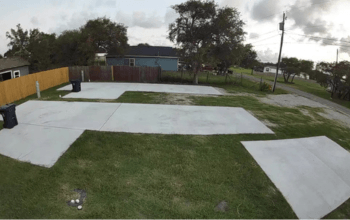
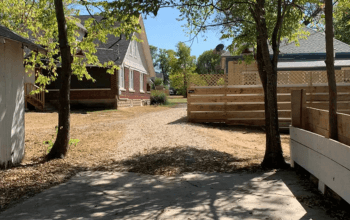
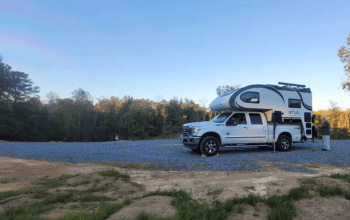
Are you thinking about turning your rural land into a profitable RV park?
But, are you unsure if you should do it yourself or get professional help?
Starting an RV park is more than just buying land and renting out spots. Use SBA’s business plan template to build a professional roadmap from day one. There are six main steps to start your business: Research, Business Plan, Acquire Land, Permits, and Insurance, Develop Land, Hire Personnel, and Market Your Business.

When deciding, it’s key to understand the challenges of setting up a successful RV park. We’ll look at the factors to think about when choosing between DIY or hiring experts.
Key Takeaways
- Understand the six high-level steps to start an RV park
- Consider the complexity of setting up an RV park
- Weigh the pros and cons of DIY vs. hiring experts
- Research local regulations and permits required
- Plan for development costs and infrastructure
To see the scope of work involved, watch this video on how to build an RV park from scratch.
Understanding Mini RV Parks and Their Appeal
Mini RV parks are becoming more popular. Knowing what they are can help you decide how to use your land. We’ll look into their benefits and who they’re for.
What is a Mini RV Park?
A mini RV park is a small campground for RVs. It’s different from big RV parks because it has fewer sites and is on smaller land. It gives RV travelers a cozy and private place to stay.
Benefits of Mini RV Parks
Mini RV parks are cheaper to start than big ones. They need less land, which is better for the environment. They also offer a personal touch, helping guests feel more connected.
Key Benefits of Mini RV Parks:
- Lower initial investment
- Less land required
- Environmentally friendly
- Personalized guest experience
Target Audience for Mini RV Parks
Mini RV parks are for those who want peace and quiet. This includes retirees, nature fans, and families wanting a special trip. Knowing what they want helps make a great mini RV park.
| Target Audience | Characteristics | Preferences |
| Retirees | Often travel in couples or solo | Quiet, scenic locations; basic amenities |
| Nature Lovers | Appreciate outdoor activities | Proximity to natural attractions; eco-friendly facilities |
| Families | Travel with children or pets | Family-friendly amenities; recreational activities |
By knowing what mini RV parks are and who they’re for, we can improve how we build a campground and manage these spaces.
Evaluating Your Skills and Resources
To build a mini RV park, you must first evaluate your strengths and resources. This step is key to deciding if you can do it alone or if you need help from experts.
Identifying Your Strengths
Begin by listing your skills and experiences that could help with RV park construction. Think about your background in construction, management, or customer service. If you have experience in these areas, it could give you an edge when creating a tiny RV park.
- Construction and project management skills
- Experience in customer service or hospitality
- Knowledge of local regulations and zoning laws
Knowing your strengths will help you figure out what parts of the project you can handle well.
Assessing Available Resources
Next, assess what resources you have. This includes your financial projections and resources, land, equipment, and labor. You must decide if you have enough money for the project or if you need to borrow.
Consider the following:
- Financial resources: savings, loans, or investors
- Land: do you already own suitable land, or will you need to purchase it?
- Equipment: what equipment do you need, and do you have access to it?
- Labor: will you be doing the work yourself, or hiring contractors?
Time Commitment Considerations
Building a mini RV park takes a lot of time. You must think about if you have enough time for this project. From planning and getting permits to construction and management, it’s a big job.
Some important time considerations include:
- Researching and planning the project
- Obtaining necessary permits and approvals
- Constructing the RV park
- Managing day-to-day operations once the park is open
By carefully looking at your skills, resources, and time, you can decide if you should build your mini RV park yourself or hire experts.
The Advantages of DIY Mini RV Park Construction
Building a mini RV park yourself can save money and be rewarding. It requires careful planning but offers many benefits.
One big plus is saving on labor costs. Doing it yourself means you can spend more on other important parts of your project. This could be on amenities like water and electricity or the park’s infrastructure.
Cost Savings Benefits
Building an RV park yourself can cut down on labor costs.
Here are some ways to save:
- Site preparation and grading
- Construction of utility hookups
- Installation of amenities like septic, bathrooms and laundry facilities
By doing these tasks yourself, you can lower your project’s cost. But, make sure you’re not sacrificing quality or safety.
| Task | DIY Cost | Professional Cost |
| Site Preparation | $5,000 | $10,000 |
| Utility Hookups | $8,000 | $15,000 |
| Amenity Installation | $12,000 | $20,000 |
Personal Satisfaction and Creativity
Building a mini RV park yourself brings personal satisfaction and creativity. You get to make design choices that reflect your vision.
“We love the feeling of accomplishment that comes with building something with our own hands.” This is true for DIY projects like campgrounds and RV parks, where you see your hard work pay off.
Flexibility in Design and Layout
DIY construction lets you change and adjust your mini RV park as needed. This is great for unique land or specific design ideas.
Being involved in the construction means your park can meet your exact needs. Whether it’s a small retreat or a large facility, DIY offers flexibility.
The Downsides of Building a Mini RV Park Yourself
Building a mini RV park on your own might sound good, but it comes with big challenges. It’s a complex task that needs careful planning and execution.
Time Constraints and Deadlines
One big challenge is the time it takes to build a mini RV park. Managing the construction, dealing with unexpected problems, and finishing on time can be tough. This can cause delays and extra costs.
Building a mini RV park can take months to a year or more. It depends on the size of campsites and how complex it is.
Here’s a rough idea of the time needed for different parts of the project:
| Project Aspect | Time Required |
| Planning and Design | 1-3 months |
| Permitting and Approvals | 2-6 months |
| Construction | 6-12 months |
Potential for Mistakes
Without experience, there’s a higher chance of mistakes during construction. These can be small, like wrong hookups, or big, like faulty electrical or plumbing systems. Such errors can cause big financial losses and safety risks.
For example, wrong electrical installation can be dangerous, even causing fires. Knowing these risks is key when deciding to build a mini RV park yourself.
Lack of Expertise and Knowledge
Building a mini RV park needs many skills and knowledge areas, from construction and engineering to marketing and management. Without the right expertise, important parts of the project can be missed, leading to poor results.
Not knowing local regulations and zoning laws can cause big problems. For Texas-based projects, refer to TCEQ’s guide to RV park regulations for water, wastewater, and land-disturbance requirements.
When to Consider Hiring Experts
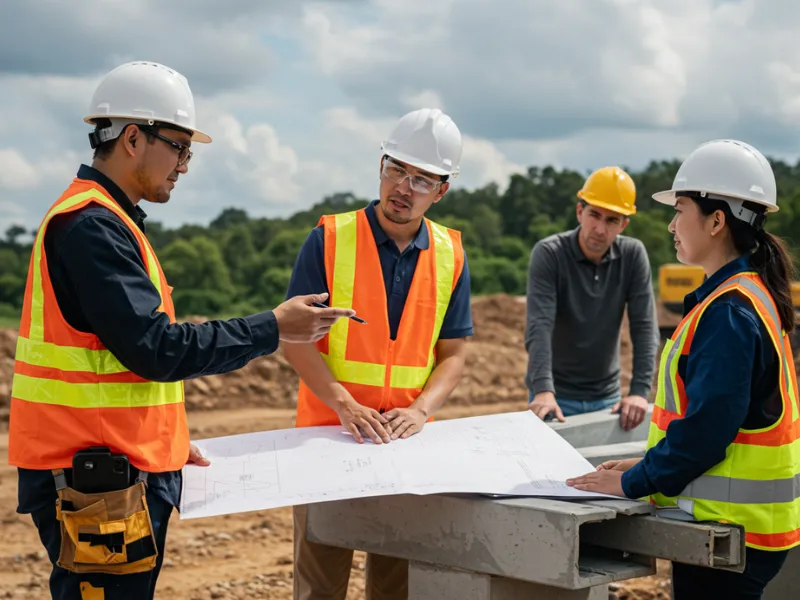
Building a mini RV park can be complex. Knowing when to hire experts is key. They can make the process smoother and ensure quality.
Understanding the professionals you need is crucial. For a mini RV park, you might need contractors, engineers, and designers. Each brings unique skills for a successful business project.
Types of Experts to Consider
Several experts can help with a mini RV park.
These include:
- Contractors: They handle the physical construction.
- Engineers: They check if the design is safe and follows rules.
- Designers: They create layouts that are both functional and beautiful.
While hiring experts costs money, it’s worth it. It can save on maintenance and make customers happier.
Cost Implications of Hiring Professionals
The cost of hiring experts varies. It depends on your project and who you choose.
Here’s a cost breakdown:
| Expert | Average Cost | Services Included |
| Contractor | $50,000 – $200,000 | Construction, labor, materials |
| Engineer | $5,000 – $20,000 | Design review, compliance assurance |
| Designer | $3,000 – $10,000 | Layout design, aesthetic planning |
These costs might seem high, but they’re important. They help your mini RV park last and meet customer needs.
Time Efficiency through Expert Assistance
Hiring experts saves time. They work fast and well, cutting down construction time. This means you can start making money sooner.
With the right experts, your mini RV park will be built efficiently and well. This benefits you and your customers.
Legal and Zoning Considerations
Before starting your mini RV park, you must understand zoning and legal rules. These rules are key to running your DIY RV park well.
Understanding Local Regulations
Local laws differ a lot. It’s important to know the specific rules in your area. Talk to local officials or a lawyer to get the details right.
Some important things to look into are:
- Health and safety standards
- Environmental rules
- Building codes and permits
Permits Required for RV Parks
Getting the right permits is a big step.
The permits you need might include:
| Permit Type | Description |
| Zoning Permit | Ensures you follow local zoning laws |
| Building Permit | Needed for building and fixing projects |
| Environmental Permit | Required for projects that affect nature |
Zoning Restrictions and Compliance
Zoning rules tell you how to use land. Making sure your mini RV park follows these rules is crucial. Work with local zoning officials to meet your project’s needs and use the USGS Flood Information and Inundation Maps to assess current and historical flood risks at your site.
Important things to remember are:
- Minimum acreage needs
- How close you can build to neighbors
- How many RV sites you can have
By understanding these legal and zoning rules, you can create a successful and legal mini RV park. It will meet your guests’ needs.
Designing the Layout of Your Mini RV Park

Creating efficient RV parking starts with a good layout. A well-thought-out design makes your mini RV park look great and work well. It also makes sure everyone can easily get around.
When planning your mini RV park, think about a few key things. These include important features, how easy it is to get around, and how it looks. By focusing on these, you can make a place that feels welcoming and comfy for your guests.
Essential Features to Include
Your mini RV park should have some key features for a great stay.
Some of these are:
- Spacious RV sites for big RVs to move around
- Utility hookups for water, electricity, and sewage
- Amenities like restrooms, showers, and laundry
- Recreational areas for fun and relaxation
For layout standards, site spacing, and accessibility best practices, refer to a comprehensive campground design guide used by public land agencies.
Designing for Accessibility
Accessibility is key when designing your mini RV park. Review ADA site design standards to ensure all amenities and pathways are compliant and inclusive. Here are some ways to make your park more accessible:
- Wide, paved roads and paths for easy walking
- Accessible restrooms and amenities with features like grab bars
- Reserved parking spaces for visitors with disabilities
Importance of Aesthetic Appeal
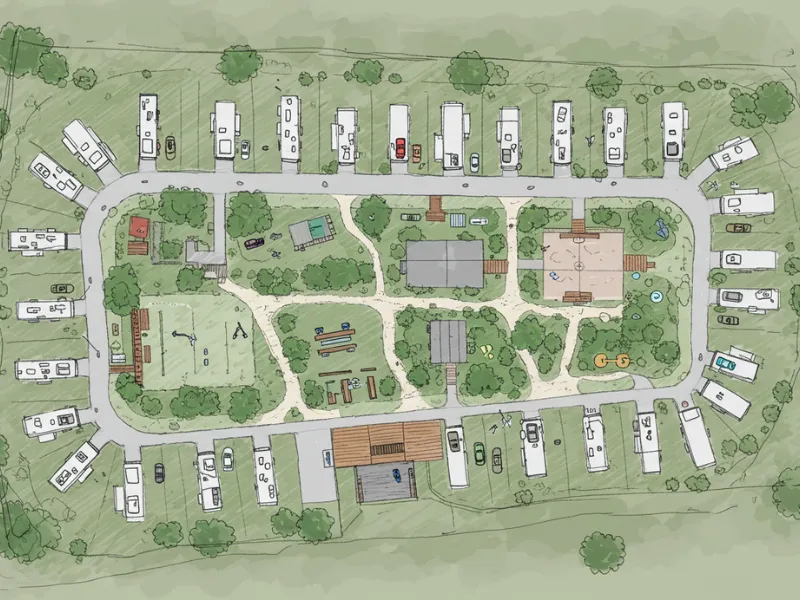
The look of your mini RV park matters a lot. A beautiful park can make a great first impression and make visitors feel at home. Here are some ways to make your park look good:
- Landscaping with trees, flowers, and more
- Decorative elements like outdoor furniture and lights
- Cleanliness and maintenance to keep the park looking nice
By adding these elements, you can make a mini RV park that’s not just useful and easy to get around. It will also look great. This will help you draw in more campers and visitors and keep them coming back.
Marketing Your Mini RV Park Effectively
To make your mini RV resort a hit, you need a strong marketing plan. Good marketing is key to drawing in RV travelers and keeping your park full.
Marketing is one of the hardest parts of running a mini RV park — but with Hookhub, it’s handled for you. Every listing on Hookhub is advertised for free, reaching RV travelers who are actively searching for long-term parking. Plus, because all renters are pre-vetted, you can spend less time worrying about who’s booking your space and more time focusing on creating a great experience for your tenants.
Identifying Your Target Market
First, we figure out who we’re aiming for. Are they retirees, families, or thrill-seekers? Knowing what they like helps us tailor our marketing. For example, if your park is near national parks, you might target those who love adventure.
Think about what your mini RV park offers. If you have pools or playgrounds, families might be your best bet. But if you’re close to hiking trails, you’ll want to attract adventure-lovers. Knowing your audience is crucial for making your marketing work.
To better understand what RV renters are looking for, explore marketing strategies that highlight the key features proven to attract and convert guests.
Utilizing Social Media and Online Platforms
We use social media and online sites to reach our audience. Sites like Facebook and Instagram are perfect for showing off your existing RV park’s features. We post engaging stuff like photos and videos to draw in visitors.
Visual content is really effective because it lets people see what they’ll get. We also join RV forums and communities to promote our park and talk to potential guests. By answering questions and sharing stories, we build a good name and attract more visitors.
Pro Tip! Save money here by listing your RV park on Hookhub (for free!) and they will do advertising for you and provide verified renters.
Building Relationships with RV Communities
Connecting with RV groups and clubs can boost bookings. We join RV events and sponsor activities to get the word out about our park. This way, we become a top choice for RV enthusiasts.
We also ask our guests to share their experiences and thoughts. Good reviews and word-of-mouth are great for marketing. By making our guests feel part of a community, we build a loyal group that will come back and tell others about us.
Managing Your Mini RV Park Operations
To make your mini RV park successful, you need to handle daily tasks well. This includes keeping everything running smoothly, from maintenance to making sure guests are happy. It’s all about planning and doing things right.
Day-to-day operations can quickly pile up — from handling bookings to collecting payments and keeping communication clear with tenants. Hookhub’s built-in software simplifies it all, giving you one place to manage reservations, payments, and guest messaging. Combined with free renter vetting and host damage protection, Hookhub makes running your mini RV park far less stressful and far more profitable.
Day-to-Day Operations Overview
Running a mini RV park every day is key to success. You’ll manage bookings, keep facilities clean, and make sure everything works well.
It’s important to keep up with cleaning, laundry, and waste management. This helps make your guests’ stay comfortable.
Customer Service Best Practices
Great customer service is vital for keeping guests coming back. Be quick to help, share local tips, and make their stay enjoyable.
Setting up a feedback system can show you what to improve on.
Seasonal Management Tips
Seasons can change how busy your RV park is. Be ready for busy times with enough staff and supplies.
In slow times, use it to improve and keep the park looking good for visitors.
To manage better, sort tasks by how often and how important they are.
Here’s a simple table:
| Task | Frequency | Responsibility |
| Cleaning RV sites | Daily | Maintenance Staff |
| Laundry facilities maintenance | Weekly | Maintenance Staff |
| Office administration | Daily | Office Manager |
The Financial Aspects of Mini RV Parks
Starting a mini RV park means looking closely at its money side. We must think about many things that help the park’s financial health.
The money side of a mini RV park is built on a few main things: the first money put in, ongoing costs, how much to charge, and how much profit to make. Knowing these well is key to making a good business plan.
Pro Tip! One of the biggest challenges for mini RV park owners is keeping overhead low while building steady income. That’s where Hookhub makes a major difference — by removing costs that usually eat into profits. With Hookhub, hosts get free advertising, free renter vetting, built-in damage protection coverage, and software to manage day-to-day operations. This means you can drastically reduce expenses while keeping more of your rental income.
Initial Investment Breakdown
The first money needed for a mini RV park is a lot. It covers several big areas:
- Buying an existing or renting land
- Preparing the site and building the infrastructure
- Putting in utilities and amenities
- Marketing and starting costs
Breaking down these costs is crucial for planning the budget. Here’s a rough idea of how these costs might be split:
| Category | Estimated Cost | Percentage of Total |
| Land Acquisition | $100,000 | 40% |
| Infrastructure Development | $75,000 | 30% |
| Utilities and Amenities | $50,000 | 20% |
| Marketing and Initial Operations | $25,000 | 10% |
Pricing Strategies for RV Spots
How much to charge for RV spots depends on several things. These include where the park is, what it offers, and who it’s for. Setting prices right is important to draw in and keep customers.
For example, a park near a famous picnic spot might charge more because it’s in a good place. But a park in a less visited area might need to be cheaper to get people to come.
Profitability Expectations and Growth Potential
How profitable a mini RV park can be depends on a few things. These are how full it is, what it charges, and how well it runs. Good management of these can bring in a lot of money.
For earnings insights from real RV land hosts, review income breakdowns and booking trends shared in independent hosting reports and industry case studies.
To make more money, it’s important to watch how full the park is and change prices if needed. Also, making sure customers are happy can lead to more business and more money.
By understanding the money side of mini RV parks, we can make a business that does well and lasts.
Future Trends in the RV Park Industry
The RV park industry is set for big changes. New technologies, changing what people want, and a push for green practices are leading the way. If you’re planning a compact RV campground or a tiny RV park, knowing these trends is key.
Technological Advancements
New tech is changing the RV park business. Mobile apps for booking, smart features, and green energy are getting more popular.
Eco-Friendly Practices
Going green is now a big deal in RV parks. You can explore off-grid options like solar setups using this solar energy guide from NREL. Adding solar power, recycling, and saving water can make your park more appealing.
Shifting Consumer Preferences
RV travelers want more than a spot to park. They’re after experiences, cool amenities, and connections. Knowing this helps you create a tiny RV park that meets their new needs.
Want expert support for building and marketing your mini RV park?
Visit HookHub to get started.
FAQ
What is a mini RV park, and how does it differ from a traditional RV park?
A mini RV park is a small RV campground. It has fewer RVs and is on a smaller piece of land. It offers a more personal experience than big RV parks.
What are the benefits of building a mini RV park?
Building a mini RV park lets landowners make money from unused land. It creates a community for RV travelers. Guests get a more personal experience.
Should I build my mini RV park myself or hire experts?
Deciding to build it yourself or hire experts depends on your skills and resources. Building it yourself can save money if you have the time and know how to operate an RV park. But, experts can make the process smoother and more professional.
What are the key factors to consider when designing a mini RV park layout?
When designing a mini RV park, think about accessibility and utility hookups. Also, consider the look and feel of the park. Make it welcoming for guests.
How does Hookhub make it easier to get my RV rental property up and running?
Hookhub takes care of the hardest parts of starting out — marketing, renter vetting, booking software, and even free host damage protection. Instead of spending weeks setting up systems or paying for outside services, you can list your property for free and start attracting pre-vetted renters almost immediately.
How do I market my mini RV park effectively?
To market your mini RV park well, know your target audience. Use social media and online platforms to register. Highlight what makes your park special and offer good prices to attract guests.
What are the legal and zoning considerations for building a mini RV park?
Understanding local laws and getting the right permits is key. Make sure you follow zoning regulations. This avoids problems and fines.
How do I manage the day-to-day operations of my mini RV park?
Managing your park means taking care of maintenance and customer service. Use efficient systems and be quick to respond to guests. This keeps things running smoothly.
What are the initial investment and ongoing costs associated with a mini RV park?
The initial costs include preparing the land and building infrastructure. Ongoing costs are for maintenance, utilities, and marketing. Knowing these helps plan your business.
How can I ensure the profitability of my mini RV park?
To be profitable, set prices that are competitive but also meet your goals. Manage your expenses and operational costs well. Always look for ways to improve your park.
What are some emerging trends in the RV park industry that I should be aware of?
New trends include going green and using new technologies. Travelers want unique experiences. Staying up-to-date helps you stay competitive.
How can I make my mini RV park more sustainable?
To be more eco-friendly, start recycling and use energy-efficient lights. Save water too. These actions attract green travelers and help the environment.
What are the benefits of compact RV campground development?
Compact RV parks use land wisely, saving money and offering a cozy feel. They’re great for small properties or special places.
How can I create a tiny RV park that is both functional and aesthetically pleasing?
To make a tiny RV park great, plan carefully. Design a smart layout and choose the right amenities. Add nice touches like landscaping and communal areas.
Can Hookhub really help me lower the cost of starting a mini RV park?
Absolutely. Normally, landowners spend thousands on advertising, booking software, and liability protection. With Hookhub, all of that is included for free. By removing these upfront and ongoing costs, you can get your property generating income much faster while keeping more profit in your pocket.