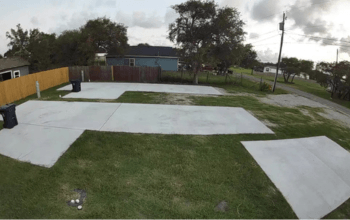
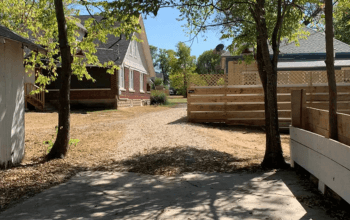
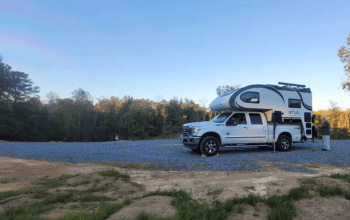
If you’ve ever dreamed of parking your rig on a friend’s driveway or backyard while traveling, you’re probably familiar with moochdocking. It’s one of my favorite ways to camp for free while staying connected with loved ones. But before you pull into someone’s yard, it’s crucial to ask: Is moochdocking legal?
In this blog, I’ll explain everything you need to know about zoning laws, property rules, and other considerations affecting moochdocking. I aim to help you stay compliant, avoid fines, and ensure you and your host have a positive experience.
Let’s dive in!
What Is Moochdocking?
Let’s start with the basics. Moochdocking is when you park your RV on private property—usually a friend’s or family member’s driveway, backyard, or open space—with their permission.
Unlike boondocking (camping without hookups, often off-grid), moochdocking often comes with perks like access to water and electricity. It’s a fantastic way to save money on campgrounds and RV parks, strengthen relationships, and enjoy downtime.
If you’re new to this concept, you might start by reading our guide on Moochdocking for Beginners, which covers everything from finding hosts to setting up your rig safely.
However, just because your host says “yes” doesn’t mean local authorities, zoning regulations, and other rules and regulations will agree. That’s where things can get tricky regarding how long you can park.
Why You Should Care About Legality
Ignoring local laws, ordinances, and HOA rules can lead to fines, disputes, or even being asked to leave unexpectedly. Worse yet, it could strain your relationship with your host. It’s essential to consider the legal issues and potential problems that may arise. So, let’s talk about what you need to consider before moochdocking.
Understanding Local Zoning Laws
What Are Zoning Laws?
Zoning laws are rules and regulations set by local governments that dictate how land can be used. For example, some areas allow residential properties to have accessory dwelling units (like tiny homes or guest houses), while others prohibit anything beyond a single-family home.
These laws vary widely depending on whether you’re in a rural area, suburban neighborhood, or urban city. These rules may vary, so it’s essential to consider them before you park your RV on a residential street or any private property.
Here’s the catch: RVs aren’t always classified as permanent residences. According to the U.S. Department of Housing and Urban Development (HUD), an RV is designed only for recreational use—not as a primary residence. This distinction plays a significant role in determining where you can legally park your rig.
Zoning Categories
| Zone Type | Description |
|---|---|
| Residential 🏡 | Single-family homes only. |
| Commercial 🏢 | Business operations allowed. |
| Industrial ⚙️ | Manufacturing facilities permitted. |
| Agricultural 🌾 | Farming activities prioritized. |
Comparison of Zoning Regulations Across Different Areas
| Area Type | Common Zoning Restrictions for RV Parking | Typical Characteristics |
|---|---|---|
| Rural | • Long-term parking (duration limits) • Proximity to property lines (setbacks) • Number of RVs allowed • Waste disposal (on-site vs. designated areas) | Larger lots, more space between properties, less dense population. |
| Suburban | • Visibility (RVs must be screened from the street) • Parking duration (limits on how long an RV can be parked) • Hookups (restrictions on connecting to utilities) • HOA rules (often stringent) | Medium-sized lots, moderate population density, HOAs are common. |
| Urban | • Complete bans on RV parking on residential properties • Limitations on RV size and type • Time limits (very short stays allowed only with permits) • No on-street RV parking | Smaller lots, high population density, limited off-street parking. |
How to Check Your Local Zoning Laws
- Visit your county courthouse’s zoning department or check their website for ordinances related to residential RV parking.
- Look for terms like “temporary RV parking,” “long-term RV,” “accessory dwelling units,” or “recreational vehicle.”
- Pay attention to restrictions around duration, location, and utility hookups.
For instance, some counties allow short-term stays (a few days to a week) but ban long-term RV parking unless you obtain a special permit. Others might require you to keep the RV out of sight, such as behind a fence or in the backyard. These rules may vary, so be sure to check.
Homeowners’ Associations (HOAs): A Key Consideration
If your host lives in a community with a Homeowners’ Association (HOA), pay close attention to their HOA rules. HOAs are known for having strict rules about aesthetics, noise, and vehicle types, including whether you are allowed to park your RV on their property.
Common HOA Restrictions
- Visibility: Many HOAs prohibit RVs from being visible from the street, so parking in the driveway is probably a no-go.
- Duration: Some HOAs limit how long an RV can stay parked, even if hidden.
- Utilities: Tapping into the homeowner’s water or power supply may violate HOA guidelines.
Pro Tip: Always review the HOA’s covenants, conditions, and restrictions (CC&Rs). If anything is unclear, contact the HOA board for clarification. Better safe than sorry!
City Ordinances and Temporary Permits
Even without an HOA, city ordinances can still impact your ability to moochdock. Some cities have rules against leaving large vehicles parked on streets or driveways for extended periods. Others require a temporary RV parking permit, typically lasting one to two nights.
While these permits won’t solve long-term parking issues, they’re perfect for short visits. To apply, contact your local city hall or visit their website. Just be prepared to provide details like the RV’s size, license plate number, and intended parking location.
Tips for Staying Compliant
Now that you know what to look for regarding RV parking on private property, here are some practical tips to ensure your moochdocking setup stays within the law:
- Communicate Clearly With Your Host: Discuss expectations with your host before arriving. Will you use their utilities? How long will you stay? Setting boundaries upfront prevents misunderstandings later.
- Be Mindful of Neighbors: Noisy generators, bright lights, or messy setups can irritate neighbors and attract unwanted attention. Keep a low profile and respect shared spaces.
- Familiarize Yourself With Local Rules: Always check your local city hall website or refer to Municode’s city ordinances database to ensure you follow all applicable regulations.
- Conceal Your RV When Possible: If local rules require discretion, consider using privacy fencing, foliage, or an RV cover to keep your rig out of sight.
- Use Eco-Friendly Practices: Minimize your environmental footprint by conserving water, properly disposing of waste (and using a dump station for your RV tanks), and relying on propane appliances instead of electricity.
Unique Scenarios: What Hosts Need to Know
Sometimes, the legal burden falls on the host rather than the RVer. As someone who’s hosted RVers through HookHub, I’ve learned a few things along the way:
- Insurance Coverage: Hosts should review their homeowners’ insurance policy to ensure it covers guests’ liability.
- Utility Limits: Discuss water and power usage ahead of time to avoid overloading systems.
- Boundaries: Set clear guidelines for noise levels, pet policies, and shared spaces.
Final Thoughts: Stay Smart, Stay Safe
At the end of the day, moochdocking is about connecting with nature, loved ones, and communities. But it’s also about respecting the rules that keep those connections strong. By understanding zoning laws, HOA restrictions, and city ordinances, you can moochdock confidently and responsibly.
And if you’re looking for hosts who welcome RVers with open arms, check out HookHub. Our platform connects travelers with generous landowners eager to share their spaces. Whether you’re planning a weekend getaway or a months-long adventure, we’ve got you covered.
So go ahead—reach out to that friend or family member, pack your rig, and hit the road. Adventure awaits, and with moochdocking, it doesn’t have to cost a thing. Happy travels!