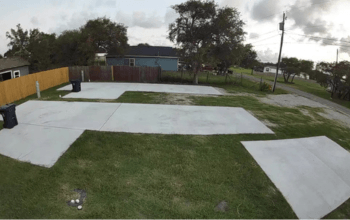
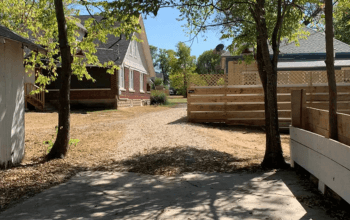
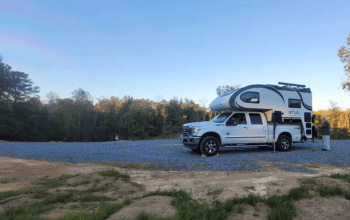
Vacant acreage has always required imagination from buyers.
A realtor can describe mountain views, unrestricted land, natural beauty, wildlife access, or future development potential, but buyers still have to mentally bridge the gap between owning the property and actually using it in a profitable way. That gap is where many rural land listings lose momentum.
RV hosting is beginning to change that.
Across the U.S., more RVers are choosing private land over traditional campground environments, especially for longer stays. According to recent Recreation Vehicle Industry Association RV statistics, RV travel and long-term camping demand continue to grow across multiple demographics, including retirees, remote workers, and seasonal travelers.
That shift is creating a meaningful opportunity for acreage realtors.
When a property already supports RV hosting, even on a small scale, the conversation changes immediately. Buyers stop viewing the land purely as vacant acreage and start evaluating it as an income-producing asset with existing cash flow potential.
For realtors working with sellers who own underused acreage, that distinction matters.
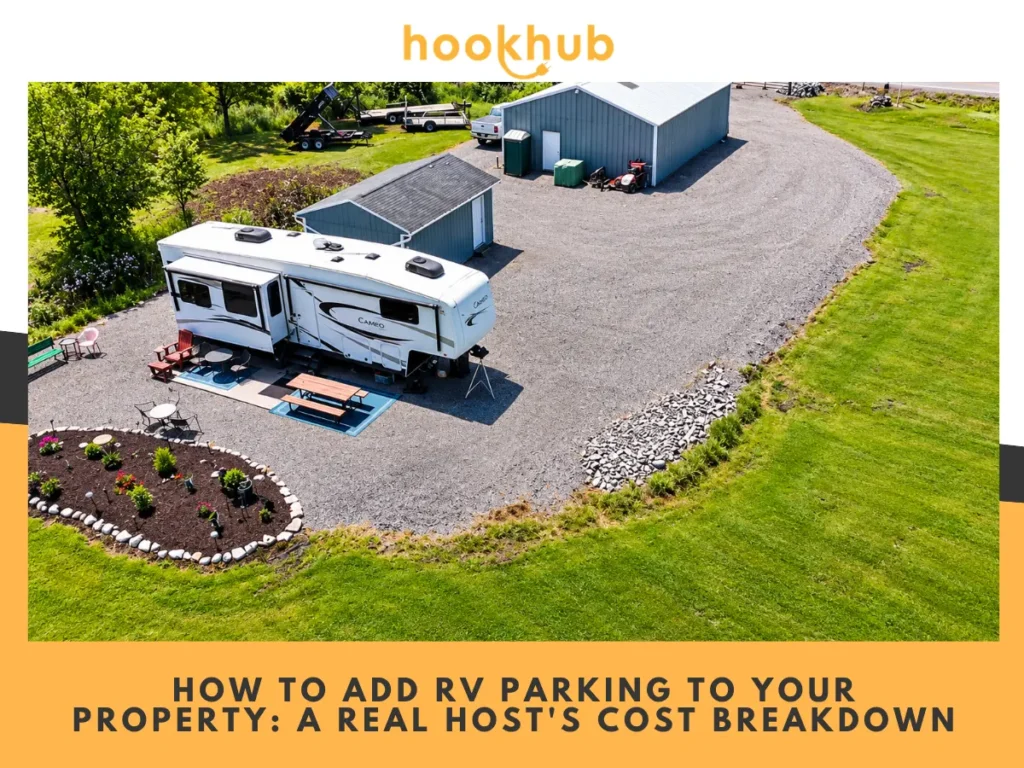
A property with a working RV hookup, a cleared campsite, utility access, or even a small rental track record tells a much stronger story than a listing built entirely around future possibilities.
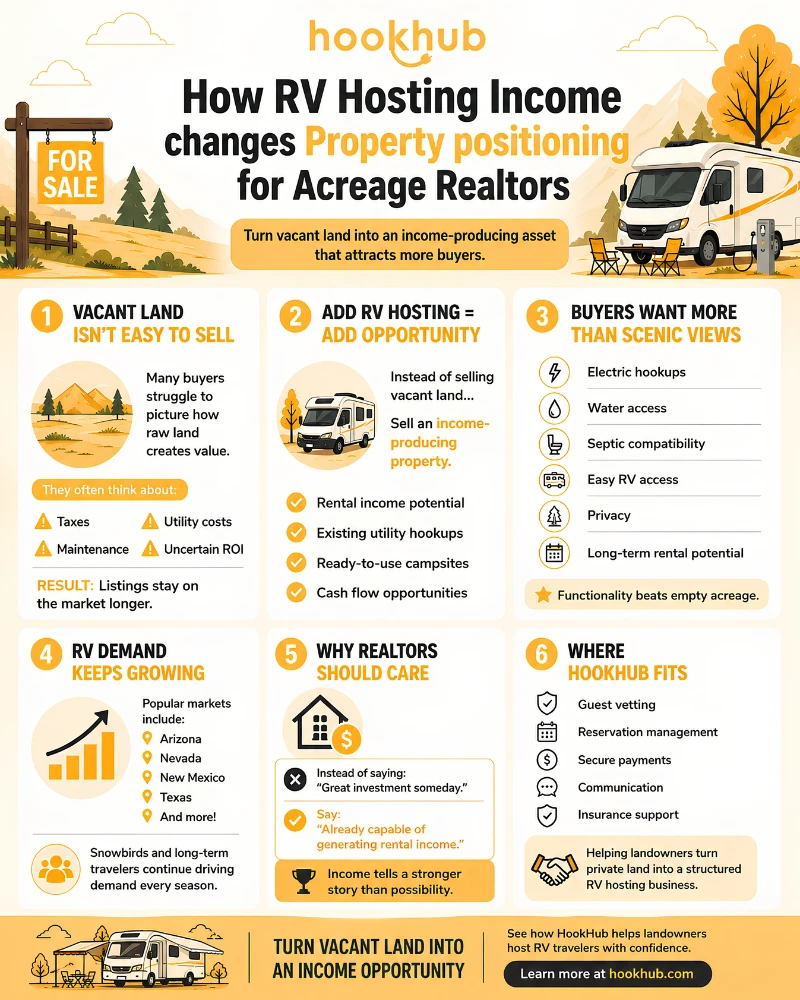
Key Takeaways
Why Vacant Land Often Feels Harder to Sell
Raw land can be surprisingly difficult for buyers to evaluate.
Unlike residential homes or commercial property, undeveloped acreage rarely comes with obvious financial benchmarks. Buyers often focus first on the carrying costs: taxes, utility installation, road access, septic systems, maintenance, fencing, and zoning uncertainty.
Even attractive land listings can feel abstract if buyers cannot immediately picture how the property creates value.
That is especially true in competitive rural markets where buyers are comparing multiple acreage properties with similar scenery, acreage size, or location advantages.
For years, realtors have tried to solve this problem by emphasizing long-term appreciation, future development possibilities, recreational access, or proximity to natural wonders like canyon regions, wineries, lakes, and national parks.
Those selling points still matter, but they often rely on future projections.
RV hosting introduces something far more immediate.
Instead of asking buyers to imagine what the property could eventually become, the listing demonstrates that the land can already support paying renters, seasonal snowbirds, long-term RVers, campers, or travelers looking for private RV accommodations.
That changes buyer psychology quickly.
How RV Hosting Changes Property Positioning
The moment a property begins generating RV rental income, it starts competing differently in the market.
A vacant parcel is usually evaluated through acreage value, road frontage, location, and future development potential. An income-producing property is evaluated through usability, infrastructure, operational readiness, and cash flow.
That distinction expands the buyer pool significantly.
Investors who normally ignore undeveloped land may suddenly become interested once the property demonstrates measurable rental income. Full-time RVers looking to buy land often prioritize properties that can offset ownership costs through seasonal or monthly rentals. Buyers pursuing semi-passive hospitality income are increasingly searching for acreage that already supports campsites, hookups, or long-term RV parking.
Even modest RV hosting setups can strengthen a listing considerably.
A single RV site with electric and water hookups may generate several hundred dollars per month during slower periods and substantially more during snowbird season in high-demand regions.
For buyers, that income story feels concrete.
Instead of wondering whether the acreage may eventually become profitable, they can evaluate actual operational use, existing utility systems, reservation demand, and potential rental expansion.
What Buyers Are Actually Looking For
Many buyers entering the RV hosting space are not looking for fully developed RV resorts.
In fact, a growing number of RVers actively prefer smaller private setups over heavily commercial campground environments. Long-term renters, snowbirds, remote workers, and full-time RV travelers often prioritize privacy, flexibility, and quieter surroundings instead of resort-style hospitality.
That means lightly improved acreage can perform surprisingly well.
A property does not necessarily need swimming pools, elaborate amenities, or dozens of RV sites to attract interest. Most buyers are far more concerned with practical functionality, including reliable utility systems, stable electric hookups, water access, septic compatibility, easy rig access, safe parking layouts, quiet surroundings, and long-term stay suitability.
This is where many acreage listings become more competitive than sellers initially expect.
A simple property with a few operational hookups near outdoor recreation, national parks, wineries, or snowbird travel corridors may appeal more to long-term RVers than a crowded traditional campground. Buyers researching the minimum land requirements for RV parking are often surprised by how little infrastructure is needed to begin hosting on private acreage.
Every site is unique, and buyers increasingly understand that.
Some travelers prioritize natural beauty and privacy. Others care most about reliable infrastructure and monthly pricing. Some want unrestricted acreage with room for larger rigs, while others prefer smaller gated community environments with established utility access.
The strongest listings clearly explain how the property functions in real-world hosting situations.
The Financial Appeal of RV Hosting Income
The financial side of RV hosting is one reason investor interest continues growing.
Compared to building traditional hospitality businesses, private RV hosting often requires far less upfront capital. Many landowners begin with only one or two campsites before gradually expanding infrastructure over time.
A dry camping setup with no hookups may still generate consistent seasonal income if the property sits near popular travel corridors or recreational destinations. Adding electric service, water access, or septic support can increase rental rates considerably.
In snowbird-heavy markets like Arizona, Nevada, New Mexico, and parts of Texas, monthly RV parking demand remains especially strong between October and March.
That seasonal demand creates opportunities for monthly rentals, extended stays, recurring snowbird reservations, supplemental acreage income, and semi-passive rental cash flow.
For buyers evaluating rural land investments, that matters.
Many acreage buyers are no longer purchasing land purely for recreation or appreciation. They are actively searching for properties capable of producing rental income while still preserving flexibility for personal use. Buyers researching long-term rural property opportunities often rely on USDA rural land resources when evaluating land use, infrastructure considerations, and investment potential in agricultural or undeveloped regions.
That trend is becoming increasingly visible across private RV hosting platforms.
Why Seasonal Demand Matters So Much
Seasonal RV demand is one of the most important factors acreage realtors should understand.
Snowbirds continue driving enormous demand throughout the Southwest, particularly in Arizona and neighboring states. Recent KOA annual camping reports also show continued growth in long-term camping, flexible travel lifestyles, and private land camping preferences among RVers.
This is partly a pricing issue.
Monthly rates at established RV resorts have risen significantly in many regions, especially near major retirement and tourism corridors. At the same time, many travelers have become more interested in quieter, lower-density environments.
Private RV hosting fills that gap.
Properties near state parks, national parks, outdoor recreation areas, wineries, scenic desert regions, canyon landscapes, and hiking corridors often attract long-term seasonal renters without requiring large-scale campground development. Recent National Park Service travel data also reflects continued visitor demand across major outdoor recreation destinations, particularly throughout the Southwest.
For realtors, understanding these seasonal patterns helps position listings more credibly.
A parcel with one operational hookup in a strong snowbird corridor may hold more practical value than a larger vacant property without utility access. That operational detail is often what buyers remember most.
Zoning and Local Rules Matter, But They Are Often More Flexible Than Expected
Zoning is one of the first concerns buyers raise when RV hosting enters the conversation.
Many landowners initially assume private RV rentals are prohibited, especially on rural acreage. In reality, county-level rules are often far more nuanced.
Some regions allow limited RV stays by default. Others permit seasonal hosting with relatively simple registration or permit requirements. Agricultural and rural zones are frequently more flexible than buyers expect, particularly for smaller-scale private RV operations.
That does not mean zoning should be treated casually.
Realtors still need to encourage buyers and sellers to verify county regulations, septic requirements, occupancy rules, utility compliance, short-term rental policies, road access standards, and property use restrictions. Buyers who want to understand RV hosting on private land legally are usually looking for agents who can explain these operational realities clearly instead of treating zoning as an automatic obstacle.
However, the most effective acreage realtors avoid treating zoning as an automatic obstacle before researching the actual rules.
Buyers interested in RV hosting tend to gravitate toward agents who understand these operational realities and can discuss them clearly.
That level of knowledge creates trust quickly.
Where Hookhub Fits Into RV Hosting Income
Many landowners are interested in RV hosting but hesitate once the operational questions begin.
They worry about managing reservations, screening renters, collecting payments, handling communication, or navigating liability concerns with strangers staying on private property.
This is where platforms like Hookhub become important.
Hookhub helps structure the operational side of private RV hosting by providing systems for:
- guest vetting
- reservation management
- payment handling
- communication support
- insurance-related protections
For acreage sellers, that structure can make an existing hosting setup feel substantially more credible to buyers.
A property with an established Hookhub profile, documented reservations, and operational rental history presents differently than vacant land with only theoretical income potential.
For buyers, the platform also lowers the intimidation factor.
A new owner does not need prior hospitality experience to continue operating private RV sites successfully. The operational systems already exist, which makes the transition feel far more manageable.
That is especially valuable for buyers entering RV hosting for the first time.
How Realtors Can Position RV Hosting Without Overpromising
The most effective acreage listings avoid exaggerated income claims.
Buyers are increasingly sophisticated, especially investors evaluating rural property opportunities. Overstating potential rental income or presenting unrealistic projections can damage trust quickly.
Strong positioning focuses on operational reality.
Instead of making broad promises about “massive passive income,” experienced realtors explain what infrastructure currently exists, how the property has been used, what seasonal demand looks like locally, which utility systems are already installed, and where expansion opportunities may exist. Buyers researching the critical mistakes new RV hosts must avoid are usually looking for realistic guidance, not exaggerated income projections.
That practical approach feels more credible. Buyers respond far better to realistic statements like “a single hookup site in this region commonly rents for several hundred dollars monthly during snowbird season” than vague claims about unlimited income potential.
The goal is not to oversell the property. The goal is to help buyers clearly understand how the acreage functions operationally and where realistic opportunities exist.
That distinction matters.
Why This Trend Is Likely to Continue
The overlap between RV life, remote work, flexible travel, and alternative hospitality continues expanding.
More travelers now spend extended periods on the road, and many are actively seeking alternatives to traditional campground environments. At the same time, rural landowners increasingly want flexible ways to generate supplemental income from acreage they already own.
Private RV hosting sits directly in the middle of those trends.
For acreage realtors, that creates a meaningful positioning opportunity.
Properties with operational hookups, basic utility systems, existing campsites, reservation history, seasonal demand advantages, and proximity to outdoor recreation may continue attracting stronger buyer interest than vacant parcels marketed solely around future possibilities.
This does not mean every rural property should become an RV park.
But it does mean more buyers are evaluating acreage through the lens of usability, operational flexibility, and income potential.
The realtors who understand that shift early will likely position listings more effectively than agents still marketing land solely through scenery and acreage size.
FAQs
Can Private Land Generate RV Rental Income Without a Full Campground?
Yes. Many successful hosts operate only one or two RV sites on private acreage. A property does not need large-scale campground infrastructure to begin generating rental income.
Do Existing Hookups Matter to Buyers?
Absolutely. Existing water, electric, or septic hookups reduce startup costs and make the property feel more operationally ready from day one.
Are Snowbirds Still Driving Strong RV Demand?
Yes. Snowbird demand remains one of the strongest drivers of long-term RV parking demand throughout Arizona, Nevada, New Mexico, and nearby regions.
Does RV Hosting Increase Property Value?
It can. Properties with documented rental history, operational utility systems, and demonstrated income potential are often perceived differently than vacant land without a revenue story.
Can Small Acreage Parcels Still Work for RV Hosting?
In many cases, yes. A property does not necessarily need large acreage to support one or two private RV sites successfully, especially if the land has utility access and a desirable location.