Think your regular homeowner’s policy covers you for hosting?
Think again!
Are you an RV landowner wondering if your homeowner’s insurance covers your RV hosting activities? You’re not alone. RV travel is getting more popular, and many landowners are thinking about hosting RVs on their properties. But here’s the problem: most standard homeowner’s policies weren’t designed for this kind of income-generating activity, leaving hosts dangerously exposed.
Our comprehensive guide (which you will find at the end of this blog) dives deep into this exact issue—specifically in the “Why Your Standard Policy Isn’t Enough” section—laying out exactly why this common assumption is a costly myth. But first, let’s explore what you need to know about insurance for RV land hosting.
Finding the right insurance can be tough, but it’s key to make sure you’re covered. In this article, we’ll clear up common myths and talk about what you need to know about RV insurance and homeowner’s insurance.

Understanding RV Land Hosting and Insurance Fundamentals
RV land hosting is getting more popular, and knowing about insurance is key for landowners. It means letting RVs park on your land for a fee. You might also offer extras like water, electricity, and waste disposal.
What Constitutes RV Land Hosting on Private Property
RV land hosting can be simple or full-service. Landowners might host RVs to make extra money or use unused land. It’s a way to make the most of your property.
Key aspects of RV land hosting include:
- Providing parking spaces for RVs
- Offering amenities such as water and electricity
- Managing waste disposal for guests
How Homeowner’s Insurance Typically Works
Homeowner’s insurance helps protect your property and you from financial loss. It usually covers damage to your property and personal liability. It also covers other related costs. But how much it covers can change based on your policy and insurance company.
The Line Between Personal and Commercial Use of Property
It’s important to know if you’re using your property for personal or commercial reasons. Personal use means using your property for living and enjoyment. Commercial use means making money from it, like hosting RVs.
Here’s where most hosts get caught off guard: most homeowner’s insurance doesn’t cover commercial activities. Knowing this difference is key for RV land hosts. It helps ensure they have the right insurance. Our free guide breaks down these distinctions in detail, helping you identify whether your hosting activities cross into commercial territory.
Common Myths About Homeowner’s Insurance for RV Hosting
Many RV landowners think their homeowner’s insurance covers hosting RVs. But there are myths that need clearing up. You’ll learn what your policy really covers.
Myth 1: Standard Policies Automatically Cover Hosting Activities
People think standard homeowner’s insurance covers hosting RVs. But it’s made for personal use, not for hosting RVs.
Reality Check: Hosting RVs might need extra or special coverage. Check your policy and talk to your insurance provider to make sure you’re covered. The “Coverage Gap Analysis” section of our guide includes a checklist you can use when reviewing your current policy to spot these gaps before they become problems.
Myth 2: Personal Liability Coverage Extends to RV Guests
Landowners think personal liability covers them if an RV guest gets hurt. But, it might not be enough for guests who pay to stay.
Liability Considerations: Hosting RVs might need more liability coverage. This is true if you charge guests, as it’s seen as a business.
Myth 3: Property Damage from Recreational Vehicles Is Always Covered
Some think their insurance covers any damage from RVs. But, coverage depends on the policy and the damage situation.
Coverage Caveats: Damage from an RV might not be covered if it’s seen as a business activity. Know what your policy includes and excludes.
Myth 4: Your Policy Treats RVs the Same as Regular Vehicles
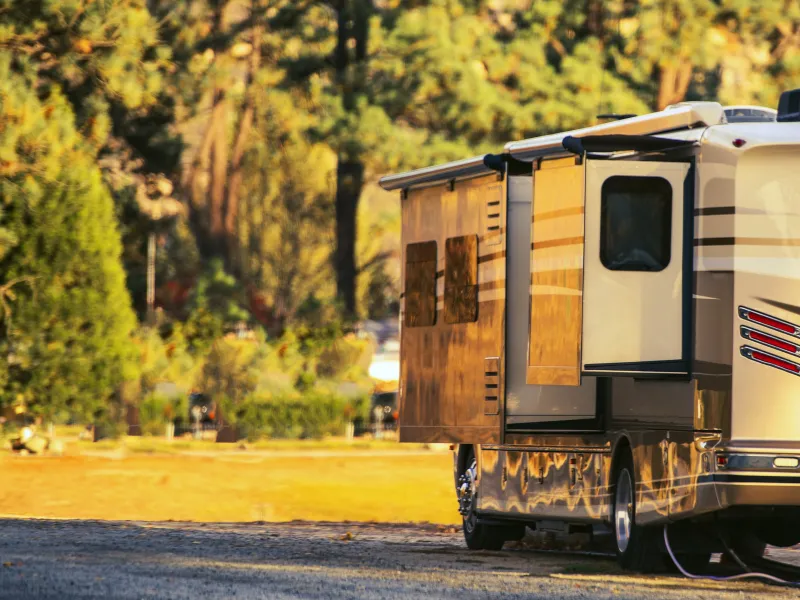
There’s a belief that insurance treats RVs like regular cars. But, RVs are special because they’re both vehicles and homes.
Insurance Implications: How your policy views RVs affects your coverage. It’s key to know how it treats RVs differently from other vehicles or guests.
The Reality of Insurance Coverage and Exclusions
RV land hosting can be a great way to make money. But, it’s important to know about insurance coverage and what’s not covered. Most homeowner’s policies have big limits when it comes to hosting RVs.
Dive deeper into how to protect yourself as a host with 7 key strategies in our article 7 Ways Hookhub Protects Hosts from Risks.
Business Activity Exclusions in Standard Policies
Most homeowner’s insurance doesn’t cover business activities. Hosting RVs on your property might be seen as a business. This means you could be left without protection if someone gets hurt.
To learn what your policy covers, check out USAA’s guide on homeowner’s insurance coverage. But, it’s best to talk to your insurance company about your specific situation.
Actual Liability Limitations When Hosting RVs
Hosting RVs can make you more liable. If someone gets hurt or their stuff gets damaged, you might be responsible. Your standard policy might not cover these risks, which is a problem if you’re making money from hosting.
Key liability limitations to consider:
- Injuries to guests may not be fully covered if they’re related to your hosting activities.
- Damage to guests’ property might not be covered under a standard homeowner’s policy.
- If you’re found negligent in maintaining your property, you could face significant liability claims.
How Insurance Companies View Income-Generating Property Use
Insurance companies see income-generating activities as riskier. This can raise your premiums and what you’re covered for. For example, renting out space for RV travelers might be seen as commercial, needing special insurance.
It’s key to know how your insurance company views your property use. Talk to your insurer about your RV hosting to make sure you’re covered. You might need extra coverage or a policy made for hosts.
Knowing about insurance coverage and what’s not covered helps protect your RV hosting business. It prepares you for any risks that might come up.
Proper Insurance Solutions and Coverage Options
As an RV land host, getting the right insurance is key. With more people traveling in RVs, hosting them has become more popular. This means you need insurance that fits your needs.
To understand how to secure commercial-style coverage, read How to Get RV Park Insurance and Protect Your Business for practical tips tailored to hosting.
Commercial Liability Insurance for RV Land Hosts
Commercial liability insurance is a must for RV land hosts. It protects you from claims related to hosting, like accidents or injuries. If a guest gets hurt on your property, this insurance can help with medical bills and legal costs.
Some benefits of commercial liability insurance include:
- Coverage for bodily injury or property damage to guests
- Protection against legal costs in case of a lawsuit
- Financial assistance for medical expenses related to accidents on your property
Specialized Host Insurance Policies and Their Benefits
There are also insurance policies made just for RV land hosts. These can cover property damage, business interruption, and cyber liability. For example, if a disaster hits and you have to close, this insurance can help with lost income.
Policy Endorsements and Riders for Existing Coverage
If you already have insurance, endorsements and riders can boost your coverage. An endorsement or rider adds extra protection or changes your policy. For example, a rider for RV hosting can make sure you’re fully covered.
Some endorsements and riders RV land hosts might want include:
- Business activity endorsements to cover income-generating activities
- Riders for specific types of property damage or liability
- Endorsements for business interruption insurance
By using these insurance options, RV land hosts can protect their businesses and properties. This makes hosting safer and more successful.
Take the Next Step Toward Complete Protection
Hosting RVs on your property can be a rewarding way to earn income, but it also opens the door to risks that most standard homeowner’s policies were never designed to handle. Myths like “standard policies automatically cover hosting” or “personal liability extends to guests” create a false sense of security — and the cost of finding out too late can be devastating.
The good news?
With the right coverage strategy, you can protect your property, your finances, and your hosting business. You’ve now seen where the biggest gaps lie — but this article is just the starting point.
👉 Download our free guide today to get the complete picture, including:
- The full breakdown in “Why Your Standard Policy Isn’t Enough”
- Key Insurance Concepts
- The Ultimate Checklist (Questions for Your Agent)
- Hookhub’s (free) Host Damage Protection
Don’t leave your hosting business exposed. Equip yourself with the knowledge to host confidently and securely.
Get the guide now and take the next step toward protecting what matters most.