
Why RV Park Insurance Matters
In 2021, more than 48 million U.S. households went camping, making it one of America’s most popular outdoor activities. This shows that campgrounds and RV parks are booming businesses. But with their popularity comes risks. As an RV park or campground owner, you manage a community that needs safety, security, and protection.
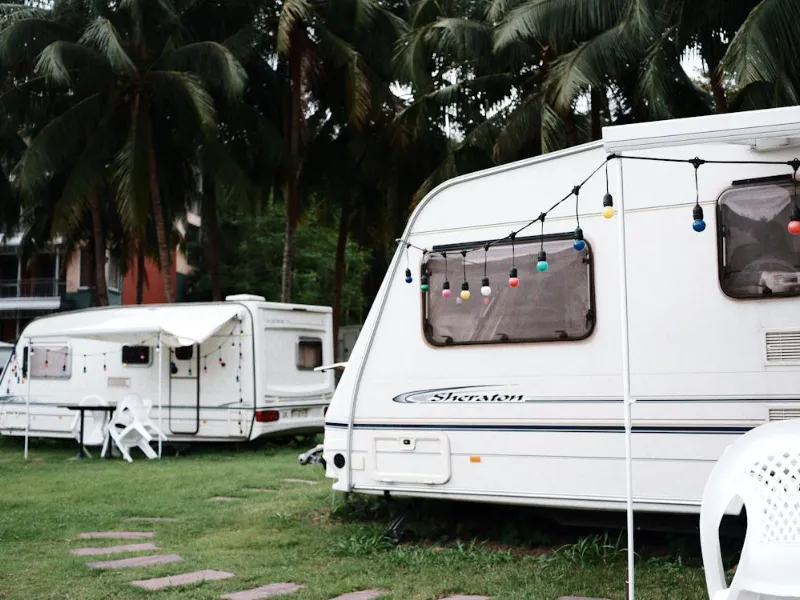
Are you thinking of starting or expanding your own RV park?
Learn more about the realities of owning an RV park, from daily operations to long-term growth.
Protecting your business can feel overwhelming, but it’s one of the most important steps you’ll take as an owner. From daily operations to long-term growth, having the right insurance is crucial. It shields you from unexpected events and ensures your investment survives challenges.
But here’s some good news: if you list your property on Hookhub, you already get a built-in safety net. Hookhub provides free host damage protection and renter vetting, giving you an extra layer of protection before you even purchase a traditional policy. That means fewer risks, fewer headaches, and more peace of mind.
What to Expect from this Article
- Understanding the importance of RV park insurance for your business.
- Identifying the right RV park or campground insurance coverage.
- Learning how to protect your business from potential risks.
- Discovering the steps to get the right program for your insurance needs.
- Safeguarding your investment with the appropriate insurance policies.
Understanding RV Park Insurance Basics
Getting the right insurance for your RV park is key to success and financial health. We’ll look into the basics that every campground owner needs to know.
Insurance for RV parks is more than a must; it’s a vital part of your business plan. It guards against many risks, like property damage and liability claims. Knowing the basics of RV park insurance helps protect your business from unexpected events.
“Insurance isn’t just about protecting what you’ve built — it’s about safeguarding the trust your guests place in you. Every RV traveler pulls into your park with an unspoken expectation: that you’ve thought ahead, not just for their comfort, but for their safety. The right coverage isn’t just a line item in your budget; it’s a promise that even in the face of the unexpected, your park is a place where people and plans can move forward. That’s impact in action.
Caylee Shea Harrington, HookHub CEO and Founder
And remember: when hosting through Hookhub, you get free host coverage on every booking. That doesn’t replace your park insurance, but it adds an extra shield to protect you from guest-related damages.
Why is Insurance Coverage Essential for Campgrounds?
Insurance coverage shields campground and RV park businesses against risks that could hurt their operations and finances. This ensures your business can keep running, even when faced with challenges.
Here are some key reasons why insurance is crucial for campgrounds:
- It protects against property damage from natural disasters or accidents.
- It covers liability in case of injuries or damages to others.
- It provides business interruption insurance to help during unexpected closures.
With the right campground and RV park insurance, you can manage these risks.
From construction to risk management, get a better handle on campground costs and where insurance fits into your financial planning.
What are the Common Risks Facing RV Parks and Resorts?
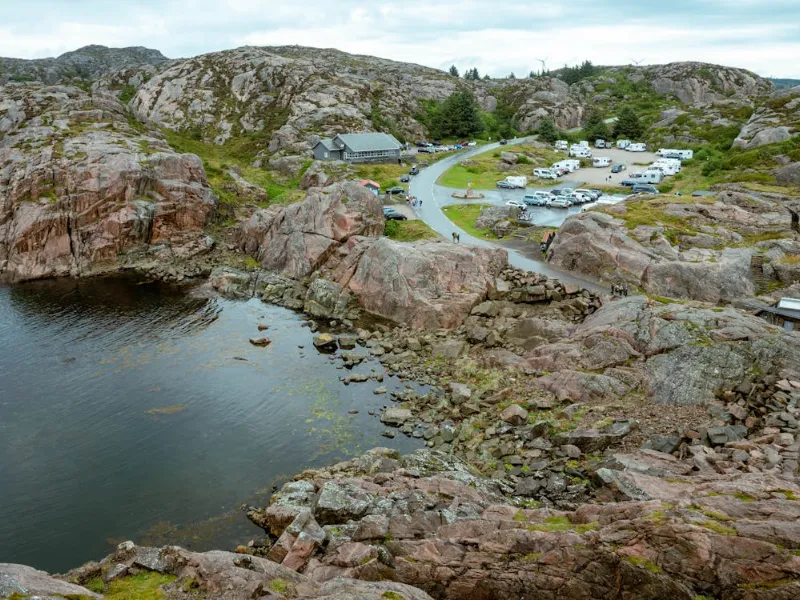
RV parks and resorts face many risks that can affect their success. Some common risks include:
| Risk Category | Description | Insurance Coverage |
| Property Damage | Damage to buildings, RV pads, utilities, or amenities from natural disasters (storms, floods, wildfires) or human-caused accidents (fires, vandalism) | Property Insurance |
| Liability | Injuries to guests, pet incidents, or damage to guests’ property while on the premises | General Liability Insurance |
| Business Interruption | Revenue loss from events like fires, severe weather, or required evacuations that halt operations | Business Interruption Insurance (often bundled with property insurance) |
Knowing these risks and having the right insurance is crucial for protecting your RV park investment.
What are the Different RV Park Insurance Coverage Types?
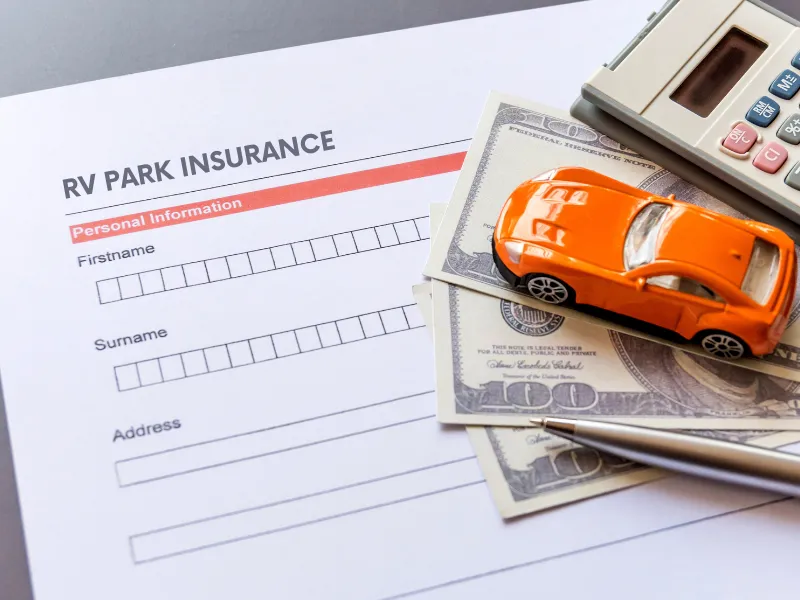
As an owner, you must know the different insurance types to protect your RV park against many risks.
General Liability Insurance – Daily Operations
General liability insurance covers injuries and property damage during daily activities. For example, if a guest falls, this insurance can pay for medical bills and legal costs.
This insurance is vital for protecting your business from accidents or injuries. It also helps create a safe and trustworthy place for guests.
Property Coverage – Facilities and Amenities
Property coverage protects your facilities and amenities from damage or loss. For example, if a storm damages your laundry facilities, this insurance can help with repairs or replacement.
Specialized Protection – Recreational Features
Specialized insurance helps RV parks and resorts manage the unique risks that come with offering recreational amenities like swimming pools, miniature golf, playgrounds, game rooms, or lakes using canoe. These features enhance guest experience but also increase the chance of accidents or injuries.
This coverage protects your business if someone is injured while using amenities like pools or playgrounds. It helps cover medical bills, legal fees, and other costs often added to general liability policies.
Commercial Auto Insurance – Park Vehicles
Commercial auto insurance covers vehicles owned or used by your RV park for business operations. It helps pay for repairs, medical expenses, or legal costs if there’s an accident involving your park’s vehicles.
With proper coverage, you insure your business, and your team can operate vehicles with confidence.
How to Find the Right RV Park Insurance Program
Finding the right insurance for your RV park is essential to protecting your investment. As a park business owner, you’re not just managing a property—you’re running a business. That means having the right coverage in place to guard against everything from property damage to liability and business interruptions.
1. Evaluate Insurance Providers That Specialize in Campgrounds
Choose insurers with experience in campground and RV park coverage. These providers understand the unique risks of your business and offer tailored policies. This can include coverage for park-owned vehicles, laundry facilities, pools, playgrounds, and more.
2. Apply for Comprehensive Coverage
The application process often requires detailed business information—such as your park’s size, amenities, number of sites, and past claims. Having your documentation ready will help speed up the process and ensure accurate quotes.
3. Customize Your Insurance to Match Your Needs
No two RV parks are the same. Customize your policy based on your location, seasonal operations, recreational features, and staffing. This ensures you’re not under- or over-insured.
By following these steps and working with experts, you can find the right RV park insurance.
4. Pro Tip! By listing your property on Hookhub, you automatically receive:
- Free host damage protection on bookings.
- Renter vetting to ensure quality tenants.
- Software tools to manage your park smoothly.
- Free marketing so the right renters find you.
- With the right insurance program — and Hookhub’s added protection — you can focus less on risk and more on creating a safe, welcoming, and profitable RV park.
Conclusion: Protect What Keeps Your RV Park Running
Insurance isn’t just a safety net—it’s a critical part of running a successful RV park. From pools and playgrounds to boat rentals and mini-golf, every amenity adds value—but also risk. The right insurance helps you manage those risks while protecting your property, income, and guests.
Work with an agent who understands the unique needs of campgrounds and RV parks. With the right coverage in place, you can focus on creating a safe, welcoming, and enjoyable experience for every visitor.
Offering peace of mind for campground owners, this guide to protection for hosts shows how to handle risk and liability smartly.
FAQs
What type of insurance coverage do I need for my RV park or campground?
You’ll need a full insurance package that includes general liability, property insurance, business interruption, commercial auto, and coverage for recreational amenities like pools or equipment rentals.
Why is general liability insurance important for RV park operations?
It protects your business from lawsuits due to bodily injury or property damage that may occur during normal operations, guest activities, or on-site accidents.
How can I protect my RV park’s facilities from damage or loss?
Commercial property insurance covers buildings, amenities, and equipment against risks like fire, storms, theft, and vandalism—ensuring quick recovery after a loss.
Do I need commercial auto insurance for RV park vehicles?
Yes. Any vehicle used for business purposes—like maintenance, guest transport, or supply runs—should be covered under a commercial auto policy to protect against liability and damage.
How do I find the right RV park insurance program?
Look for insurance providers who specialize in RV parks and campgrounds. They understand your unique risks and can build a policy tailored to your needs.
What factors should I consider when customizing RV park insurance?
Consider your park’s size, location, number of campsites, types of amenities, property value, vehicle use, staffing, and whether you offer rentals or seasonal services.
Can I get insurance coverage for recreational activities or rentals?
Yes. You can get specialized coverage for higher-risk features like pools, playgrounds, boats, mini golf, or other rental equipment that guests use on-site.
How does Hookhub reduce my risk?
In addition to the included Damage Protection for hosts, Hookhub vets renters before they book, provides damage protection at no cost, and handles secure payments and bookings. This means fewer issues for you to worry about.
Does Hookhub help me with marketing?
Yes — Hookhub lists your property for free and promotes it, so you don’t need to spend extra on advertising.
What kind of host protection does Hookhub include?
Every booking comes with built-in damage protection for the host, giving you peace of mind on top of your traditional insurance coverage.