


Choosing a travel trailer brand can feel like shopping for a house, on wheels, with a thousand floor plans and a dozen opinions for every one fact. The good news is you don’t need the “perfect” brand. You need the right match for how you camp, what you tow with, and what you’re willing to trade off: price, weight, space, or finish.
Below is a practical, decision-first guide to the best travel trailer brands to consider in 2026, plus a quick comparison and a few buying checks that save you from the most common regrets.
If you’re comparing feature sets, start here
| Brand | Best for | Known for | Common trade-off | Price tier |
| Airstream | Premium buyers, long-term ownership | Iconic aluminum build, resale value | High price, fewer dealers in some areas | Premium |
| Grand Design | Families, frequent trips | Smart layouts, strong owner focus | Can be heavier in comparable sizes | Mid to premium |
| Keystone | Wide selection, many budgets | Huge lineup, easy to shop | Quality varies by line | Budget to mid |
| Forest River | Shoppers who want options | Massive catalog, broad dealer network | Consistency varies by brand family | Budget to mid |
| Winnebago | Balanced value and build | Solid construction, thoughtful design | Fewer ultra-budget options | Mid |
| Jayco | Family-friendly value | Practical features, good availability | Some models prioritize value finishes | Budget to mid |
| Lance | Lightweight, smaller tow vehicles | Lighter builds, efficient layouts | Smaller floorplan range | Mid to premium |
| Dutchmen | Layout variety on a budget | Many floor plans, accessible pricing | Fit and finish varies by model | Budget to mid |
| KZ | Buyers who want a step up | Good features for the money | Dealer availability can vary | Mid |
| Oliver | Lightweight premium, durability | Fiberglass build, four-season capability | High price, limited inventory | Premium |
What makes a travel trailer “best” in 2026
A brand name matters less than the combination of build quality, floor plan, and support behind it. When people compare top travel trailer brands across dealer lots and owner communities, the same themes come up again and again.
Build quality and weather protection
Look past the showroom shine. Pay attention to roof construction, sealing, insulation, and how the underbelly is protected. If you camp in shoulder seasons or travel across climates, four-season packages, enclosed underbellies, and proven sealing details matter more than an extra TV.
Floorplans that match real life
A great floorplan makes a small travel trailer feel bigger. Prioritize the things you’ll use daily: bed access, bathroom space, pantry storage, and seating that doesn’t force you to convert the camper every night. If you work on the road, look for a dedicated surface and power placement, not just a dinette.
Weight, towing, and stability
The best travel trailers for you are the ones your tow vehicle can handle comfortably. Don’t shop by length alone. Shop by loaded weight and hitch weight, and plan for water tanks, propane, batteries, and gear. If you’re close to your limits, a lightweight travel trailer or ultra lite floor plan will feel safer and less stressful.
Dealer network and warranty support
Service access can make or break the RV lifestyle. A strong dealer network helps, but so does a brand’s reputation for customer service, warranty responsiveness, and parts availability.
The top travel trailer brands to consider
- Airstream
Best for: Buyers who want a premium travel trailer they can keep for years.
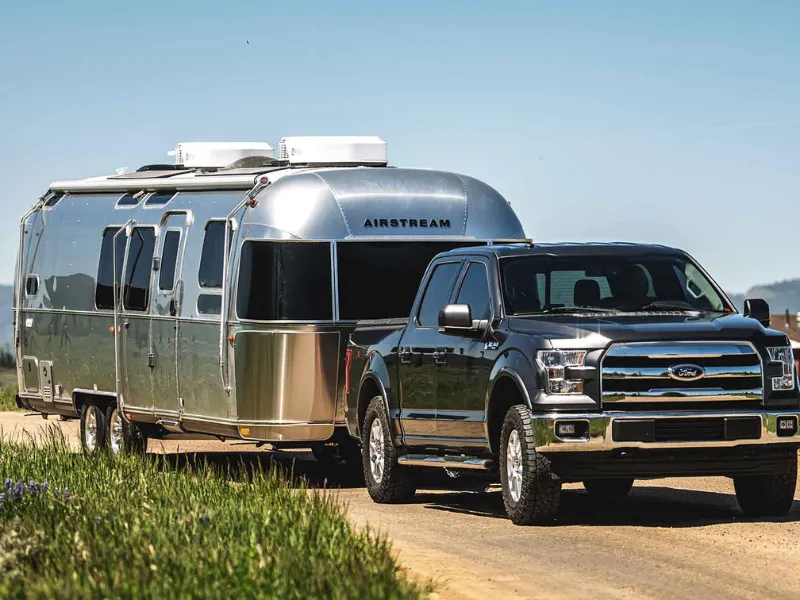
Airstream’s appeal is simple: distinctive aluminum construction, strong resale value, and a long-standing reputation for durability. If you want a camper that feels like a long-term asset and you’re comfortable paying for it, Airstream is the benchmark.
Watch for: Price and availability. You’re paying for the build and the badge, and inventory can be tighter than mass-market brands.
- Grand Design
Best for: Families and frequent travelers who care about layout and livability.
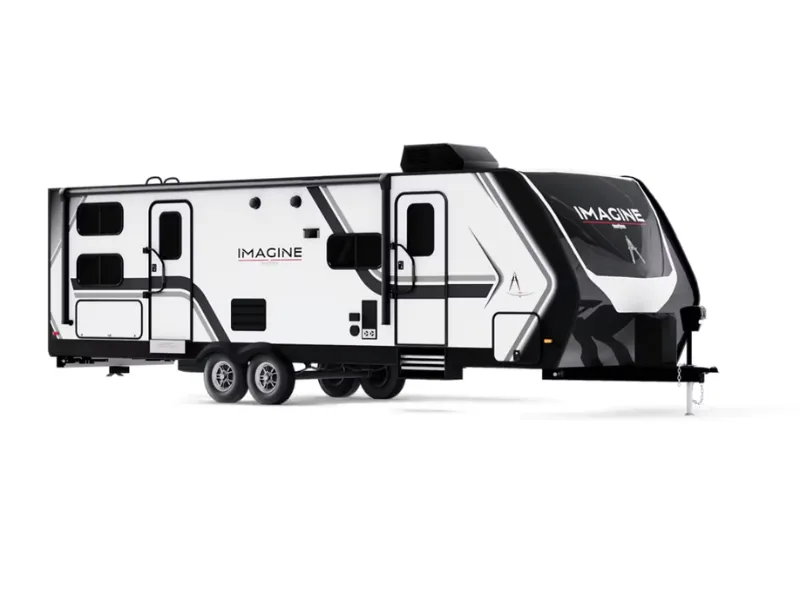
Grand Design has built a following by focusing on owner experience: practical floorplans, thoughtful storage, and features that make day-to-day camping easier. If you want a travel trailer that feels designed by people who actually camp, it’s a strong shortlist brand.
Watch for: Weight. Comparable layouts can run heavier, so confirm your tow numbers early.
- Keystone RV
Best for: Shoppers who want a wide range of options and price points.
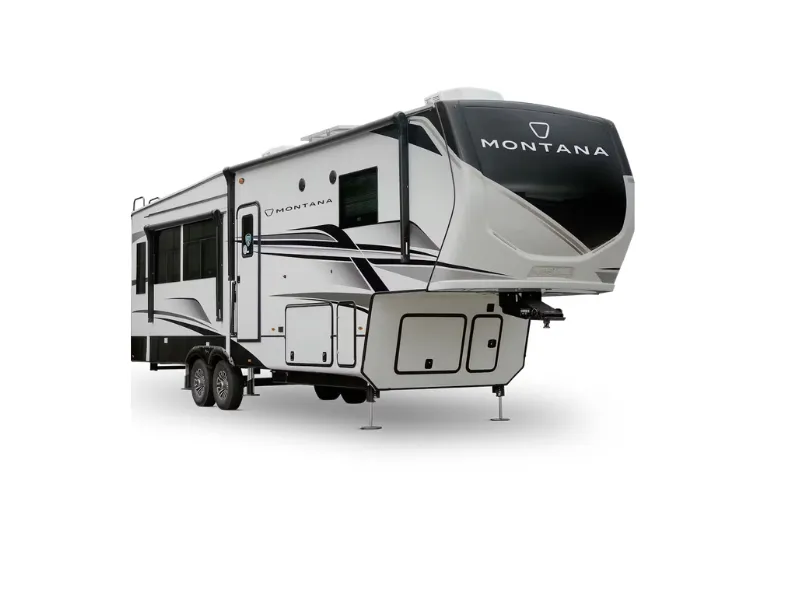
Keystone is easy to shop because the lineup is broad. That’s a plus if you want to compare different brands and RV types without switching manufacturers. It’s also a brand where it pays to be specific about the model line you’re considering.
Watch for: Consistency. Build quality and features can vary across lines, so inspect the exact unit, not the brochure.
- Forest River
Best for: Buyers who want maximum selection and dealer availability.
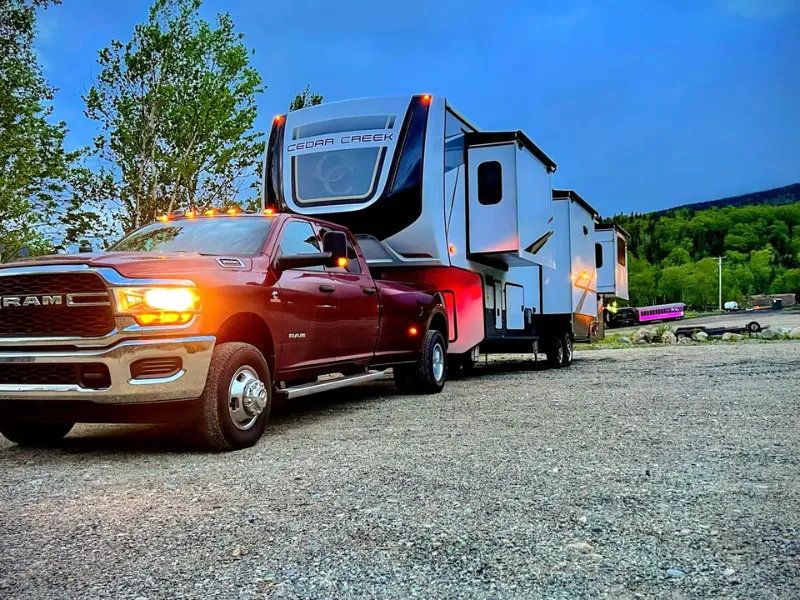
Forest River’s catalog is huge, which means you can often find a floor plan you like in your region without a long wait. If you’re early in the shopping process and want to see a lot of options quickly, it’s a practical place to start.
Watch for: Variation across sub-brands. Compare like-for-like and read owner feedback on the specific line.
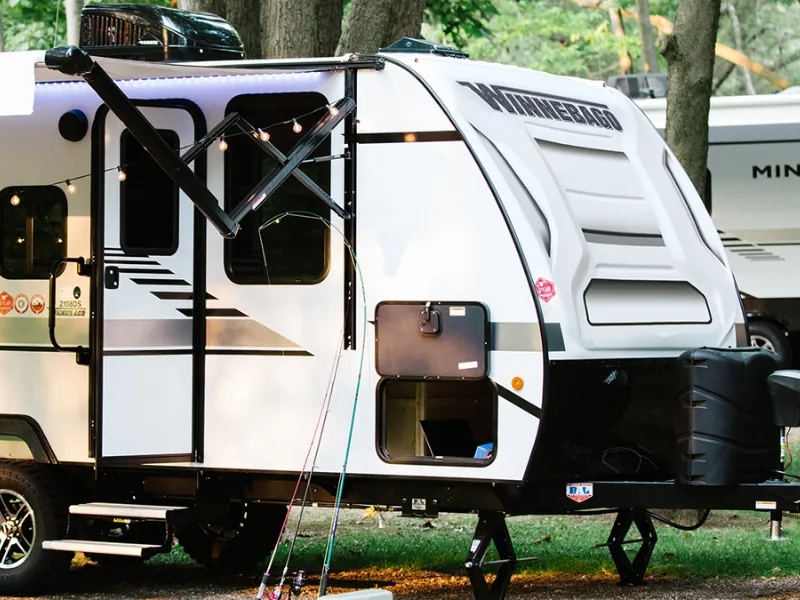
- Winnebago
Best for: A balanced mix of build quality and everyday value.
Winnebago is a familiar name in RVs for a reason. Many of their travel trailers aim for a middle ground: solid construction, sensible layouts, and features that feel chosen for real use, not just showroom appeal.
Watch for: Feature expectations. You may not get the lowest price, but you’re often buying a more consistent build.
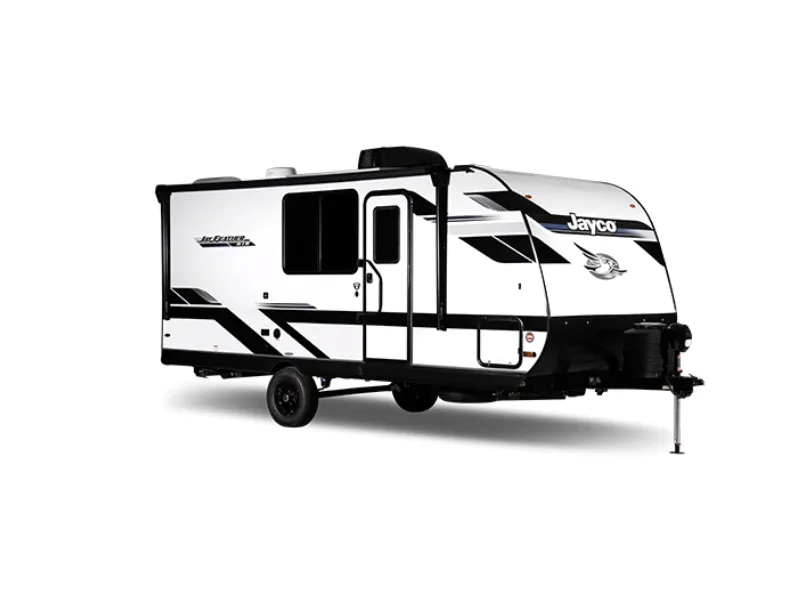
- Jayco
Best for: Family-friendly camping with strong value.
Jayco is often recommended by owners who want practical features without jumping into premium pricing. Many models focus on functionality: sleeping capacity, storage, and layouts that work for weekend trips and longer adventures.
Watch for: Finish level. Some units prioritize value materials, so inspect cabinetry, trim, wiring access, and seals carefully.
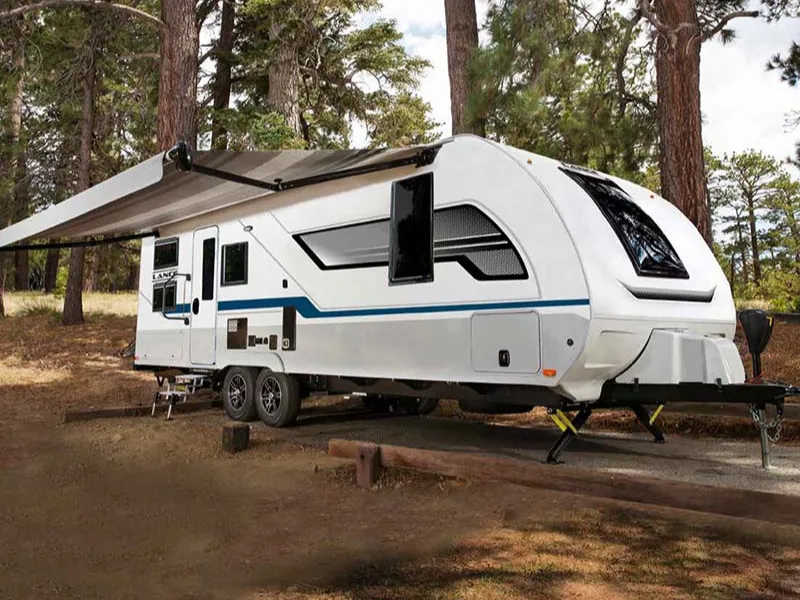
- Lance
Best for: Lightweight towing and efficient design.
If you’re towing with a smaller truck or you simply want an easier drive, Lance is known for lighter builds and smart use of space. It’s a good fit for couples, solo travelers, and anyone who values towing confidence.
Watch for: Floorplan range. You may have fewer bunkhouses and bunk beds options compared to mass-market brands.
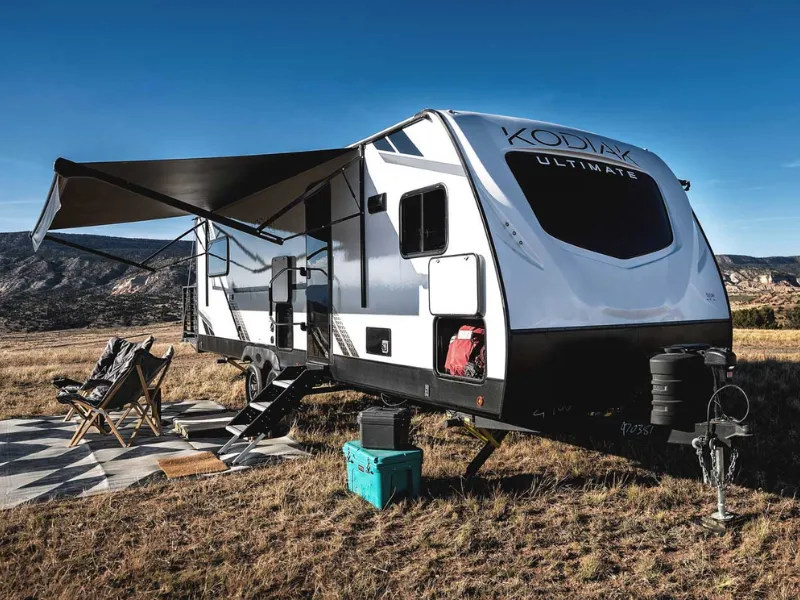
- Dutchmen
Best for: Budget-conscious buyers who want layout variety.
Dutchmen offers a lot of floorplans at accessible price points. If you want to get into a new travel trailer without stretching the budget, it’s a common starting point
Watch for: Model-by-model differences. Spend extra time on inspection and compare warranties.
- KZ
Best for: Buyers who want a step up in amenities for the money.
KZ often lands in a sweet spot: good features, comfortable layouts, and pricing that stays within reach. If you’re comparing mid-tier travel trailer brands, it’s worth a look.
Watch for: Dealer coverage. Repair and service access can vary by region.
- Oliver
Best for: Premium lightweight durability and four-season travel.
Oliver’s fiberglass construction has a strong reputation for longevity and weather resistance. If you camp across seasons and want a travel trailer that’s built to handle it, Oliver is a standout.
Watch for: Price and availability. These are premium units with limited inventory.
Special cases: lightweight, toy haulers, and fifth wheels
Lightweight travel trailers
If towing ease is your top priority, focus on lightweight construction and shorter floorplans. Fiberglass trailers are popular for durability and weight, and many buyers prefer them for weekend travel and frequent moves.
Toy haulers
If you need garage space for toys and gear, shop toy haulers as their own category. The best brand here depends heavily on cargo capacity, ramp design, and how the garage converts into living space.
Fifth wheels
If you want maximum living space and you tow with a pickup truck, a fifth wheel can be the better fit. They typically offer more room and stability, but require a bed-mounted hitch and a fifth-wheel coupling setup.
Quick towing checklist before you buy
- Confirm your tow vehicle’s payload, towing capacity, and tow hitch rating.
- Compare the trailer’s GVWR and hitch weight, not just the dry weight.
- Plan for real-world load: water tanks, propane, batteries, solar, generator, and gear.
- Use a weight distribution hitch when appropriate and set it up correctly.
- Check tires, brakes, and suspension, then do a test tow if possible.
Buying used: fast inspection list
- Roof and seals: look for soft spots, staining, and patchwork repairs.
- Floors and front window areas: press for softness and check for water intrusion.
- Appliances: refrigerator, stove, water heater, and AC should all run.
- Tanks and plumbing: check for leaks and odors.
- Finish and craftsmanship: open cabinets, check latches, and look for rushed trim work.
Frequently asked questions
What’s the difference between a travel trailer and a fifth wheel?
Travel trailers tow from a ball hitch at the rear of the tow vehicle. Fifth wheels connect to a hitch mounted in the bed of a pickup truck. Fifth wheels typically offer more interior space and stability, but require the right truck and hitch setup.
What length travel trailer is easiest to tow?
Shorter trailers are generally easier for beginners, especially when backing up and navigating tight campsites. The easiest length depends on wheelbase, hitch setup, and your comfort level, so prioritize a stable tow and good visibility.
Should I buy new or used?
Used can be a great value, but inspection matters. Check for water intrusion, soft spots in flooring, roof seal condition, appliance function, and signs of rushed repairs. Service records are a bonus.
What should I prioritize: brand, floor plan, or weight?
Start with weight and tow match, then choose the floor plan that fits your routine. Brand helps with consistency and warranty support, but the wrong floorplan or an overloaded tow setup will ruin the experience fast.
How do I find places to park and stay with a travel trailer?
Plan for the kind of trip you want, then match your stops to your trailer’s needs: hookups, space to maneuver, pet rules, and quiet hours.
Once you’ve picked a travel trailer that fits your tow vehicle and travel style, HookHub helps you find RV-friendly parking and stays on private land, from quick overnight stops to longer getaways.