

Living the RV lifestyle means freedom and adventure, but reliable internet is essential, especially for remote work or family entertainment. With so many mobile internet options, data plans, and gadgets, choosing the right setup for your needs and budget can feel like guesswork.To help you stay connected without overspending, this guide lays out realistic planning ranges for RV internet in 2026, plus a few simple ways to keep costs under control.
Key Takeaways
- Full-time RVers often spend $50-$245+/month on internet, depending on data needs, coverage, and whether they add satellite.
- Pricing changes often – use these as planning ranges. Your actual cost depends on your carrier, location, and how much high-speed data you need.
- Equipment costs matter. A budget setup can be a phone hotspot, but heavier users often add a router and sometimes satellite.
- Use Hookhub’s RV Living Cost Calculator to budget internet alongside fuel, campgrounds, and other monthly RV costs.
RV Internet Cost Breakdown: What Nomads Spend in 2026
The cost of RV internet varies based on data needs, travel style, and coverage.
Pricing changes often – use these as planning ranges. Confirm current plan details before you buy.
Monthly ranges assume service only; equipment is separate.
Mobile hotspot and phone hotspot (monthly)
| Usage level | Typical monthly range | Best for |
| Light use | $50-$80/mo | Email, browsing, maps, occasional streaming |
| Moderate use | $80-$120/mo | Regular streaming, some video calls, 1-2 remote workers |
| Heavy use (higher priority data / multiple lines) | $120-$245+/mo | Full-time remote work, HD streaming, multiple devices, families |

Even when a plan is marketed as “unlimited,” hotspot data often has a high-speed limit. After that, speeds may drop.
Cellular routers (one-time)
| Router tier | Typical one-time range | Best for |
| Budget | $250-$500 | Entry-level stability, basic sharing across devices |
| Mid-range | $500-$1,000 | Better antennas/modems, stronger performance for daily use |
| Pro | $1,000-$2,000 | Heavy users, multi-device households, more advanced setups |
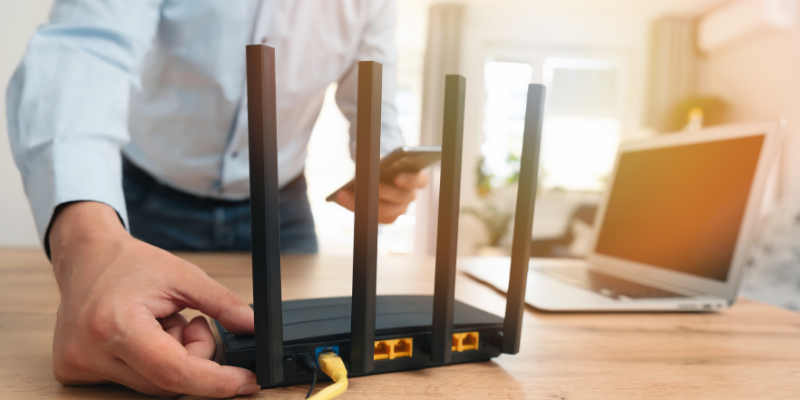
A router doesn’t replace a plan. Think of it as the hardware that makes your cellular plan more usable across your RV.
Satellite internet (typical)
| Cost type | Typical range | Notes |
| Equipment | $300-$700+ | Upfront cost varies by provider and hardware |
| Monthly service | $100-$200+ | Pricing and terms vary by plan and region |
Availability and in-motion use depend on plan and region – check the provider’s current terms.

Campground and public Wi-Fi
Often free or included in your nightly rate, often slow and inconsistent. It can be fine for low-bandwidth tasks. Use a VPN on public networks.
Real-World RV Internet Budgets (range-based)
These scenarios avoid plan names so they stay useful in 2026.
Solo digital nomad
Needs: heavy data for work, frequent video calls, and streamingTypical setup: one strong hotspot plan, plus a backup option for weak-coverage daysTypical monthly cost: $80-$150+
Retired couple
Needs: moderate data for email, browsing, and occasional streamingTypical setup: phone hotspot for most needs, campground Wi-Fi for light tasks, optional router for stabilityTypical monthly cost: $50-$100+
Full-time family
Needs: heavy data for work, school, and multiple devicesTypical setup: primary hotspot plan in the heavy-use range, plus satellite for remote areas (optional but common)Typical monthly cost: $150-$245+
To estimate your full RV living costs, including internet, use Hookhub’s RV Living Cost Calculator.
RV Internet Savings Tips
- Choose high hotspot caps if you work remotely or travel with kids.
- Avoid misleading “unlimited” plans. Many slow down after a threshold.
- Buy refurbished equipment. You can often save on hotspots and routers by buying refurbished or last-generation models.
- Bundle lines when it makes sense. Multi-line discounts can lower your per-line cost.
- Use free Wi-Fi wisely. Save hotspot data for video calls and work.
- Download content when you have strong service.
- Adjust plans seasonally if you spend part of the year in one place with reliable coverage.
Hidden RV Internet Costs and Challenges
- Equipment costs (modems, antennas, boosters, routers)
- Overage charges or speed slowdowns after caps
- Extra charges for add-on lines or connected devices
- Upgrade costs for 5G devices
- International roaming if you cross borders
RV internet can still be frustrating: spotty coverage, throttling in crowded areas, inconsistent campground Wi-Fi, setup hassles, and downtime during severe weather. If internet is mission-critical, plan for at least two ways to get online.
RV Internet FAQ
What’s the best mobile internet option for full-time RVers?
It depends on your data needs, travel style, and budget. A common approach is at least two sources: a primary hotspot plan plus a backup option.
How much data do I need for RV living?
It varies. If you work remotely, stream in HD, game online, or have multiple people online, plan for higher data needs and a setup that won’t fall apart after a small hotspot limit.
Is satellite internet a good option for RVers?
It can be, especially off-grid. The tradeoff is the upfront equipment cost and the monthly fee.
Can I use my home internet provider on the road?
Generally no. Home plans are tied to addresses. For RV travel, cellular and satellite are the practical options.
How can I work remotely without reliable campground Wi-Fi?
Use a hotspot plan in the moderate-to-heavy range, consider a router for stability, and keep a backup option for weak-coverage days.
Stay Connected on Your RV Adventures
Mobile internet is essential for the full-time RV lifestyle, and with careful planning, it doesn’t have to be expensive. If you match your setup to your travel style and data needs, you can stay connected without paying for more than you use.
If you want to reduce drive days and fuel spend, consider longer stays. Hookhub helps you find places to park that fit your route and your budget, whether you’re hopping between weekend stays or settling in longer.