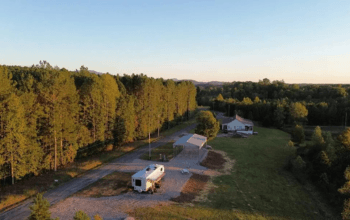
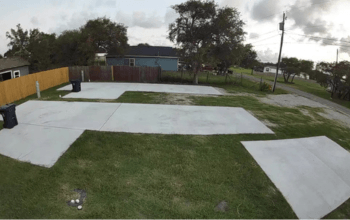
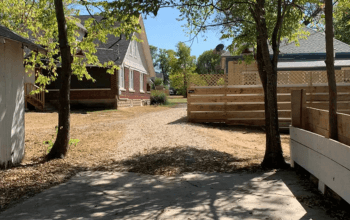
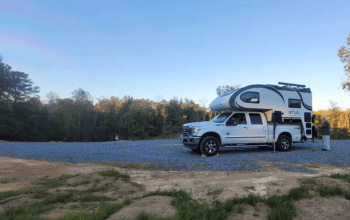
The first time I spoke with a landowner who turned part of his 28-acre property into an RV campsite, he was convinced he needed to build a full campground before anyone would book.
He thought he needed expensive electric hookups, a laundry room, elaborate park amenities, and a commercial rv park layout just to compete. Instead, he started with a single spacious campsite near a fence line, added a fire pit and picnic table, created clear campground rules, and listed the property honestly.
Within two weeks, a couple traveling in a big rig reserved the site for a long weekend.
That experience is more common than many first-time hosts expect.
A surprising number of RV travelers are not searching for crowded rv resorts or packed campgrounds. They are searching for quieter rv campsites with shade, easy access, and enough room to relax without campers parked directly beside them. For many guests, privacy itself becomes the amenity they value most.
That is why 20-acre to 40-acre properties work so well for private RV hosting. Landowners already have something many modern campers actively search for: space, flexibility, and a more personal camping experience.
The goal is not to build a massive commercial campground overnight. The goal is to create a property that feels functional, welcoming, and well-managed for the type of guests you want to attract.
Key Takeaways
- A 20-acre to 40-acre property gives landowners enough room to create multiple RV sites while still preserving privacy between campsites.
- Most first-time hosts can begin with a simple campsite setup before investing in full electric hookups or large utility upgrades.
- Clear campground rules, a smooth check-in process, and honest listing descriptions often matter more than luxury amenities.
- Private RV camping properties near local attractions like wineries, breweries, golf courses, riverside recreation, or Amish Country often attract strong demand.
- Platforms like HookHub help simplify booking management, renter vetting, payments, and host protection for landowners entering RV hosting.
What 20 to 40 Acres Actually Allows You to Build
Many landowners underestimate how much flexibility a mid-sized parcel actually provides.
On a quiet 20-acre property, it is often possible to create several spacious rv sites without making the land feel crowded. At 30 acres or 40 acres, some hosts eventually expand into separate camp areas for tent camping, rv campsites, or even future cabin accommodations while still preserving privacy between guests.
That spacing matters because many RV travelers intentionally avoid commercial campgrounds where campsites sit only a few feet apart. Guests booking private land stays are usually searching for a slower and more comfortable camping experience with shade, quiet surroundings, and plenty of room to settle in. Industry data and recent RV travel trends also continue to show growing interest in flexible outdoor travel, smaller campgrounds, and more personalized camping experiences compared to crowded rv resorts.
In many cases, the best campsite locations are the areas the property already naturally supports. Flat ground, existing gravel access, shaded tree lines, riverside sections, and open pasture often require far less preparation than landowners initially expect. Many hosts also use a property suitability guide for RV hosting to evaluate campsite spacing, road access, drainage, shade coverage, and long-term expansion potential before making larger improvements to the property.
Easy access is especially important for larger campers or RV setups. Big rig travelers appreciate wide turning areas, level parking surfaces, and clearly defined entry paths that reduce stress during check-in and check-out.
Properties located near local attractions also tend to perform better than many first-time hosts expect. RV campers frequently search for rv camping near wineries, breweries, golf courses, bicycle trails, fishing areas, quaint villages, and family owned eateries. Many travelers also plan trips around popular camping destinations, scenic driving routes, riverside recreation, and nearby outdoor activities that make the overall camping experience feel more memorable. Even properties located near Amish Country or outlet shopping districts can attract steady bookings when the listing clearly explains the surrounding experience and what guests can realistically expect during their stay.
Choosing the Right Hookup Setup
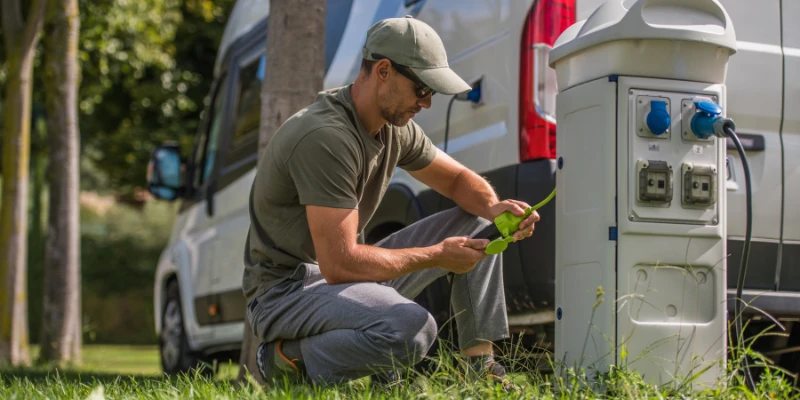
One of the biggest reasons landowners delay listing their property is because they assume they need full hookups immediately.
In reality, many successful hosts begin with much simpler setups and improve gradually based on actual guest demand.
Some properties begin as dry camping sites with no electric hookups, water hookup access, or septic connections. These campsites appeal to experienced campers who are self contained and comfortable relying on propane, generators, and onboard utility systems. Many boondocking travelers actively search for quiet private land specifically because they prefer less crowded environments.
For other hosts, adding a simple water hookup becomes the first major improvement. Even basic water access can significantly increase the number of potential bookings because guests appreciate the convenience during longer stays.
Electric hookups usually represent the next stage of expansion. Adding 30 amp hookups or 50 amp hookups allows hosts to attract a broader mix of travelers, including remote workers, snowbirds, and full-time RV campers who need more reliable utility access during extended stays.
Longer stays also change what guests prioritize. Travelers staying 30 to 90 nights usually care less about entertainment-style campground amenities and more about reliable utility access, stable wi-fi, quiet surroundings, and enough space to settle into a consistent routine. For many snowbirds and full-time RV campers, a peaceful monthly setup often matters more than crowded resort-style features.
In Arizona markets especially, 50 amp hookups become increasingly important during peak snowbird season between November and March, when long-term RV travelers often prioritize stable air conditioning access and reliable utility infrastructure. Summer temperatures above 110°F also make shade placement and electrical capacity far more important than many first-time hosts initially expect.
Full hookups, including water, electric, and septic connections, create a setup closer to a traditional rv park or campground. While these upgrades can increase nightly pricing and support long-term stays, they also require significantly larger investments.
For many hosts, utility expansion becomes the point where infrastructure costs increase most quickly. Reviewing an RV hosting budget allocation guide can help landowners estimate utility expenses, prioritize upgrades, and avoid unnecessary spending before the property has consistent booking demand.
Most landowners are better served by starting with what their property already supports instead of overbuilding too early. Many first-time hosts use an RV hosting setup guide to compare hookup costs, utility planning, campsite spacing, and long-term infrastructure decisions before expanding their property. That process often helps landowners make more practical improvements based on how guests actually use the campsite over time.
The Small Details That Shape the Camping Experience
Many guests will never remember whether your property had oversized resort-style amenities.
They will remember whether the campground felt comfortable and easy to use.
A level campsite matters more than many first-time hosts realize because uneven rv sites immediately create frustration during check-in. Guests arriving after long travel days do not want to spend extra time maneuvering their camper or RV onto unstable ground.
Simple upgrades like gravel pads, trimmed tree branches, and clearly marked parking areas often improve the overall camping experience more than expensive construction projects.
Small amenities also tend to have an outsized impact on guest satisfaction. A shaded picnic table, clean fire pit, or a small supply of firewood can make a campsite feel far more welcoming without dramatically increasing setup costs.
Reliable wi-fi has also become increasingly important, especially for travelers working remotely while rv camping. Even basic on-site internet access can become a meaningful advantage for attracting longer bookings.
Pet-friendly properties continue to perform particularly well across many RV hosting markets. Guests traveling with dogs often prioritize private campgrounds where pets are welcome, especially if there is enough room to walk comfortably or relax outdoors without overcrowding.
Why Location Often Matters More Than Luxury Amenities
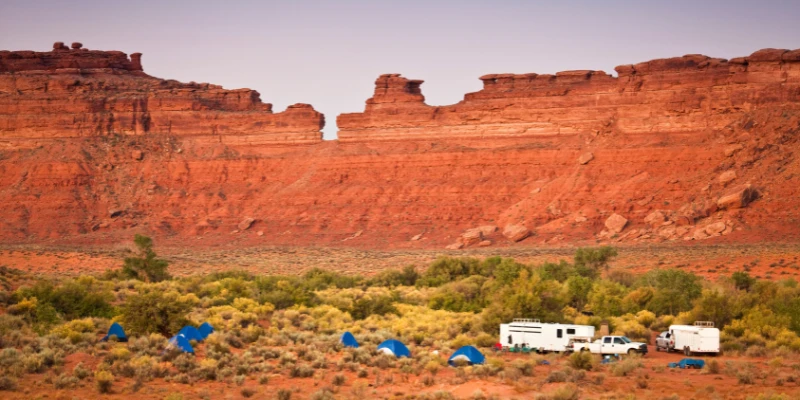
Many first-time hosts assume they need luxury campground amenities to compete with established rv resorts.
Most do not.
A quiet farm retreat near riverside recreation, bicycle trails, wineries, or local attractions can outperform a crowded campground simply because the experience feels calmer and more personal.
Travelers searching for camping near small-town attractions, scenic backroads, breweries, golf courses, or fishing areas are often looking for something very different from a large commercial rv park. They want flexibility, quieter surroundings, and individual campsites that feel less crowded.
This is especially true for travelers exploring areas like Lancaster County or Amish Country, where the surrounding atmosphere often becomes part of the appeal itself.
Instead of focusing entirely on building expensive park amenities, many successful hosts focus first on creating:
- easy access,
- clear communication,
- spacious campsite layouts,
- and a relaxing environment guests want to return to.
That approach tends to create more memorable camping experiences than trying to imitate a full-scale resort immediately.
Campground Rules Create Better Guest Experiences
Strong campground rules are not about restricting guests. They help create consistency and reduce avoidable problems before they happen.
Before listing a property, hosts should establish clear expectations around check-in times, check-out procedures, quiet hours, generator use, additional vehicles, pet policy guidelines, and leash requirements. Guests usually appreciate this clarity because it removes uncertainty before arrival.
Landowners should also take time to understand the legal side of RV hosting on private land, including local zoning requirements, occupancy limitations, utility regulations, and any campground permitting rules that may apply in their area. Clarifying these details early often helps prevent operational issues later as bookings increase.
Detailed check-in instructions are especially important for guests arriving after dark. RV campers pulling into unfamiliar campsites at night benefit from clear parking guidance, gate instructions, and utility information that allows them to settle in quickly.
If pets are welcome, explain the property’s pet-friendly expectations clearly. Guests traveling with dogs generally respond well to direct communication about leash requirements, fenced areas, and campground etiquette.
Properties that communicate expectations early often attract guests who are easier to host long-term.
Many first-time hosts underestimate how quickly small operational problems compound over time. Unclear quiet hours, confusing check-in instructions, or poorly defined parking areas often create more guest friction than the campsite itself.
In many cases, negative guest experiences come from communication gaps and mismatched expectations rather than the physical property.
You Do Not Need to Build a Commercial RV Park Overnight
One of the most common misconceptions about RV hosting is that landowners need to fully develop the property before listing it.
Most successful hosts scale gradually.
Some begin with one or two campsites and slowly expand based on guest feedback and booking demand. Others eventually add tent sites, cabin accommodations, fenced dog areas, or upgraded utility access after learning how guests actually use the property.
That gradual approach usually creates better long-term decisions because improvements are based on real-world usage rather than assumptions.
Platforms like HookHub help simplify the operational side of RV hosting by centralizing payment processing, renter vetting, booking management, and host protection in one place. That allows landowners to focus more on the property itself instead of managing every administrative task independently.
For many hosts, the first booking becomes proof that the property already has value long before major upgrades are necessary.
Final Thoughts
Most successful private RV hosting properties do not begin as polished rv resorts or fully developed campgrounds.
They begin with usable land, realistic expectations, and a willingness to improve gradually over time.
A clean campsite with easy access, thoughtful amenities, clear campground rules, and honest communication is often enough to begin attracting guests. On a 20-acre to 40-acre property, landowners already possess something many RV travelers actively search for: space, privacy, flexibility, and quieter surroundings.
The goal is not to compete with every commercial campground nearby. The goal is to create a camping experience that feels calm, functional, and welcoming for the type of campers you want to attract.
Many landowners discover that the hardest part is not building the campsite itself. It is overcoming the assumption that RV hosting requires a fully developed campground from the beginning. In practice, many successful hosts start much smaller, learn how guests actually use the property, and make better long-term decisions because of it.
Platforms like HookHub help simplify that process by giving landowners one place to manage bookings, guest communication, payments, and host protection.
Landowners who are ready to explore private RV hosting can also list your land on HookHub before investing heavily into larger campground infrastructure.
FAQs
How many RV sites can fit on 20 to 40 acres?
The answer depends on terrain, access roads, utility placement, and how much spacing you want between campsites. Many landowners comfortably fit three to ten rv sites on properties within this size range while still preserving privacy and maintaining a spacious camping environment.
Do I need full hookups before listing my property?
No. Many first-time hosts begin with dry camping sites or simple water hookup setups before expanding into electric hookups or septic systems later. Starting smaller often allows landowners to test demand before making larger infrastructure investments.
Are pet-friendly campgrounds more popular?
In many markets, yes. RV travelers frequently travel with dogs, especially long-term campers and full-time RVers. Pet-friendly listings with clear leash rules and open outdoor space often receive more booking inquiries.
What amenities matter most to RV campers?
Most campers prioritize practical features over luxury upgrades. Easy access, level campsites, clear check-in instructions, shade, wi-fi, picnic tables, fire pits, and reliable utility access generally matter more than oversized resort-style amenities.
Can I offer both RV camping and tent camping?
Yes. Many landowners eventually create separate camp areas for tent sites and rv campsites. Mixed-use layouts can expand your audience while still preserving quiet hours and spacing between different types of campers.
Is RV hosting legal on private land?
Rules vary depending on county zoning regulations and local land-use requirements. Before listing your property, check campground regulations, utility restrictions, occupancy rules, and other local zoning requirements that may apply in your area.
Landowners can also review resources from the RV Industry Association (RVIA) to better understand RV traveler trends, campground standards, and broader industry practices related to private RV hosting.