



Quick Answers
- Casa Grande Ruins National Monument in Coolidge preserves a four-story Hohokam structure built from unreinforced caliche before 1450 CE — one of the largest and most mysterious prehistoric structures in North America
- The monument has no camping — all overnight stays require a base camp in Casa Grande, Coolidge, or along the I-10 corridor
- EPIC Arena in Casa Grande is on Hookhub with full-hookup RV sites at $8-$35 per night — an equestrian facility 3 miles from restaurants and a grocery store
- Pinal County Fairgrounds off I-10 offers water and electric hookup sites with an on-site dump station
- The monument is approximately 1 hour from both Phoenix and Tucson — a natural midpoint stop on any I-10 road trip through Arizona
Most travelers on I-10 between Phoenix and Tucson know they are passing through the desert. Fewer know they are passing within 15 miles of a four-story adobe structure built before Columbus reached the Americas, still standing in the open Sonoran Desert under a steel canopy that has protected it since the 1930s.
Casa Grande Ruins National Monument preserves the Great House — the largest known structure from Hohokam times, a four-story building of unreinforced caliche clay whose walls have openings that align with the Sun and Moon at specific times of year. Archaeologists have studied the site for over a century. The purpose of the Great House remains genuinely unknown. And the monument that protects it was the first archaeological preserve in the United States — designated by President Benjamin Harrison in 1892, decades before the national park system formalized the concept.
For RV travelers on the Phoenix-to-Tucson corridor, Casa Grande Ruins is one of the most historically significant stops in the entire Southwest that most people drive past without seeing.
What Is Casa Grande Ruins National Monument?
c
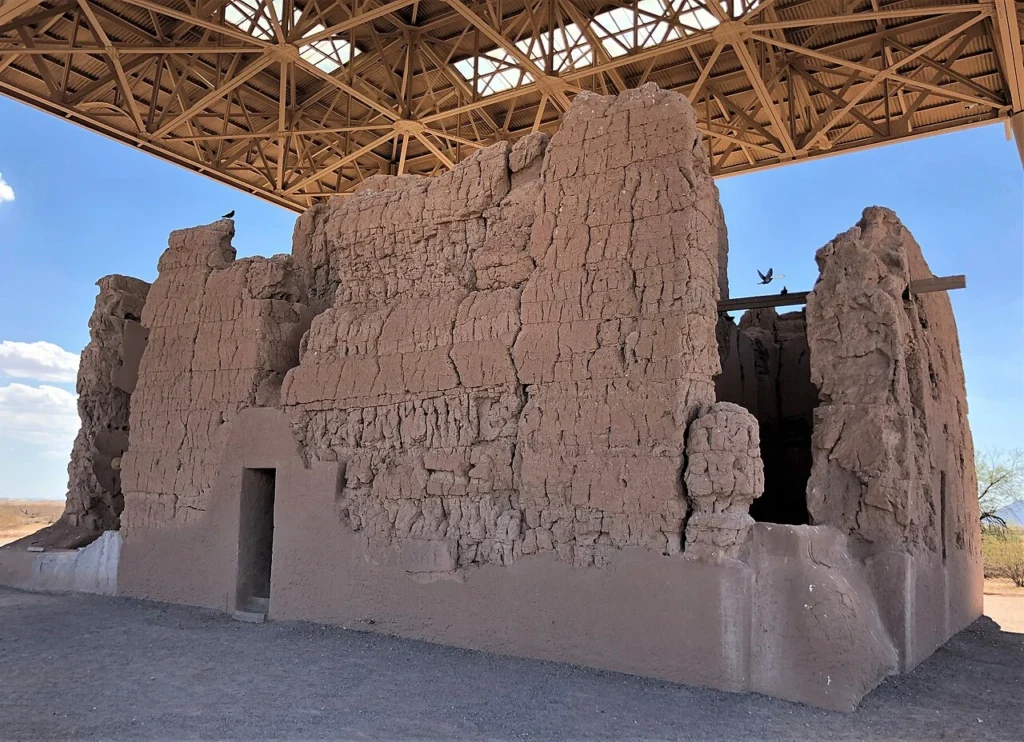
The monument protects 472.5 acres of Sonoran Desert in Pinal County, centered on a walled compound of Hohokam structures built during the Classic Period, approximately 1300 to 1450 CE. The compound includes several smaller structures surrounding the Great House — the main building that dominates the site and gives the monument its name.
The Hohokam are the architects of one of the most sophisticated prehistoric agricultural systems in North America. Over several centuries in the Gila River valley, they constructed 500 miles of irrigation canals that channeled water from the river to fields of corn, beans, and cotton across what is now the Sonoran Desert floor. The canal system’s scale — mapped by archaeologists across the modern Phoenix metropolitan area — demonstrates a level of engineering coordination that required permanent social organization and long-distance planning. The Hohokam were also the first culture in North America known to use copper tools and to engage in trade networks that reached from the Gulf of Mexico to the Pacific Coast.
The Great House itself stands four stories tall and 60 feet long, constructed entirely of unreinforced caliche — a naturally occurring hardened clay soil that bakes in the Sonoran Desert sun into a material approaching the strength of concrete. The first story is filled with solid earth to support the weight of the floors above. The second and third floors contained rooms. The fourth floor has a single central room. The openings in the walls of the Great House align with astronomical positions of the Sun and Moon at the summer and winter solstices and other significant points in the agricultural calendar — a feature that may indicate the building functioned as an observatory, a ceremonial structure, or both. No one knows for certain.
Spanish Jesuit missionary Eusebio Kino reached the site in 1694 and described it as the Casa Grande — “Big House” — a name that has remained in use for over three centuries. The Akimel O’otham (River People), whose ancestors are the Hohokam, continue to maintain a cultural connection to the site.
What Can You Do at Casa Grande Ruins?
The monument loop and Great House: A paved path leads from the Visitor Center to the compound wall and around the Great House beneath its protective canopy. The self-guided loop takes 30-45 minutes at a comfortable pace with time to read the interpretive panels. Standing beneath the canopy and looking up at the four-story adobe structure — realizing that no one knows precisely what it was for, only that prehistoric people built it with exceptional precision in an open desert 700 years ago — is the moment most visitors describe as the monument’s most powerful experience.
Ranger programs: Rangers lead guided tours with interpretation on Hohokam agriculture, the irrigation canal system, and the architectural methods used to construct the Great House. Check the current program schedule at the Visitor Center on arrival.
Junior Ranger program: The Junior Ranger program is available for children and provides a structured activity book covering Hohokam history, the monument’s ecology, and the significance of the archaeological site. Completing it earns a Junior Ranger badge.
Visitor Center: The Visitor Center houses interpretive exhibits on Hohokam culture and the monument’s excavation history, a movie about the site, and a bookstore with titles on Southwestern archaeology, the Hohokam people, and Sonoran Desert natural history. Clean restrooms and a picnic area are on site.
Nearby destinations: Florence, approximately 11 miles northeast of Coolidge, is the Pinal County seat with a historic downtown that includes Florence Marketplace — one of the oldest commercial streets in Arizona. San Tan Mountain Regional Park, the Maricopa County preserve covered in a separate Hookhub article, is approximately 25-30 miles northwest of the greater Casa Grande-to-Chandler corridor and serves it.
When Is the Best Time to Visit?
October through April is the only practical window for daytime outdoor exploration at the monument. The Sonoran Desert floor in Pinal County reaches over 100 degrees Fahrenheit from June through September — the open desert landscape around the monument offers minimal shade beyond the Great House canopy itself, and heat stress at the site is a serious risk in summer. The monument is open year-round, but summer visits require arriving at opening time and leaving before 10 a.m.
October through early December is the best stretch: mild daytime temperatures in the 70s, clear skies, and the monument at its least crowded. Spring (February through April) is the peak visitor season as snowbirds from across the Southwestern United States use the Casa Grande and Phoenix corridors before returning north.
Winter visits in January and February are quiet and comfortable — the wide-open desert landscape around Coolidge is genuinely beautiful in low winter light, and the monument sees its fewest visitors during this period.
Is Casa Grande Ruins Worth More Than a Quick Stop?
Many travelers visit Casa Grande Ruins as a short stop while driving between Phoenix and Tucson, but slowing down for a couple of days opens the door to a much richer experience. The monument itself can easily be explored in a few hours, yet its central location makes it an excellent base for discovering more of central and southern Arizona.
RV travelers staying two or three nights can combine the monument with nearby destinations like Picacho Peak State Park, historic Florence, San Tan Mountain Regional Park, and the restaurants and shopping found throughout Casa Grande. Rather than treating the ruins as a quick roadside attraction, many visitors use the area as a convenient stop to break up longer journeys along Interstate 10.
For snowbirds, retirees, and full-time RV travelers moving between Phoenix and Tucson, the Casa Grande corridor provides an easy place to slow down, explore local history, and enjoy full-service RV amenities before continuing the journey.
Where to Park Your RV Near Casa Grande Ruins National Monument
The monument has no campground — it is a day-use facility only. All overnight stays require base camping outside the park boundary in the Casa Grande, Coolidge, or I-10 corridor.
Choosing the Right RV Base Camp
The best place to stay depends on how you plan to explore the area.
Travelers focused primarily on visiting the monument often choose accommodations in Casa Grande because they provide convenient access to grocery stores, restaurants, fuel, and Interstate 10 while remaining only a short drive from the ruins.
RV travelers looking for a quieter experience may prefer private land stays that offer more space and a less crowded setting than traditional commercial RV parks. Properties around Casa Grande also make practical base camps for exploring nearby attractions without moving the RV every day.
If your trip includes both Phoenix and Tucson, establishing one base camp in the Casa Grande area often saves time compared to changing campgrounds during the trip.
EPIC Arena — Casa Grande via Hookhub
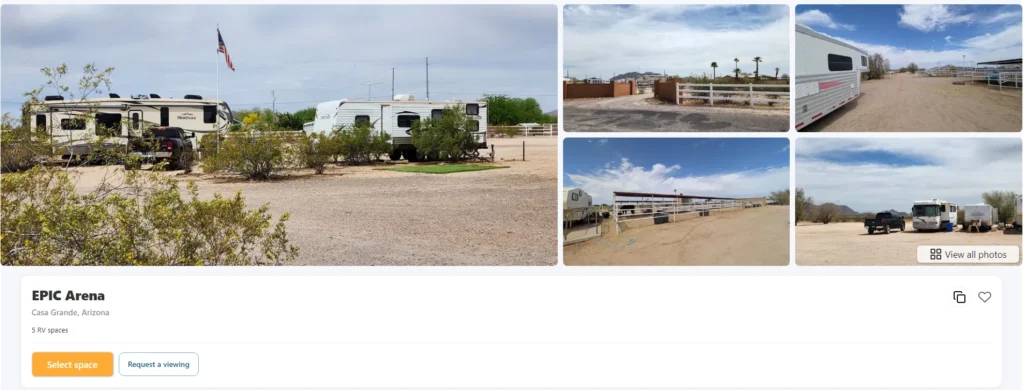
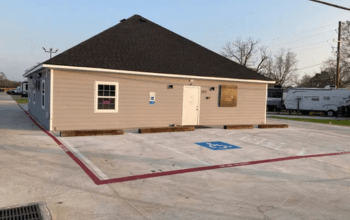
EPIC Arena at 10165 North Blanco Drive in Casa Grande is listed on Hookhub, which produced this guide. It is an equestrian roping arena and event facility with RV hookup sites — a distinctly different overnight option from any commercial RV resort or state park campground.
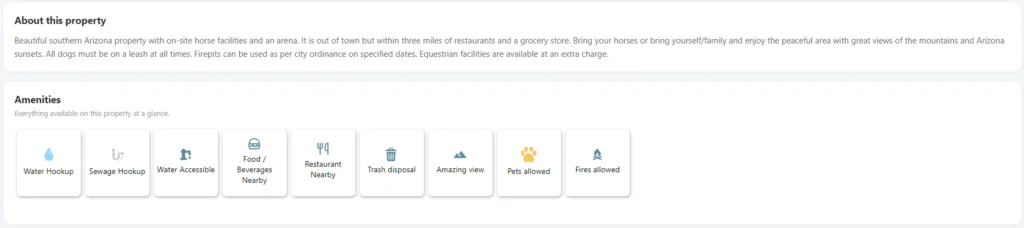
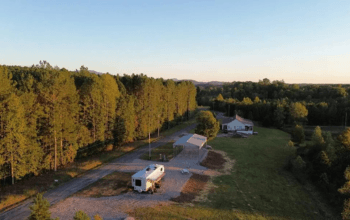
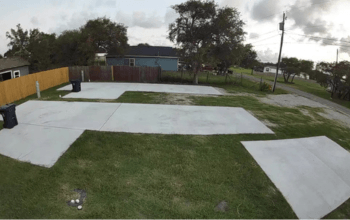
The property is a working southern Arizona equestrian facility with full hookup sites: 30-amp and 50-amp electric, water, and sewer. Nightly rates range from $8 to $35 depending on site type. Boondocking and storage spaces are also available. The property is 3 miles from restaurants and a grocery store — spacious, quiet, and positioned in the wide-open desert with great mountain views and Arizona sunsets as the backdrop. Pets are welcome, with all dogs leashed at all times. Fire pits are permitted per city ordinance on specified dates. Equestrian facilities are available at an extra charge for travelers who bring horses.
For RV travelers with horse trailers — or for those who simply want an authentic Arizona working-ranch atmosphere rather than a commercial campground. Many RV travelers also choose private land stays because they provide a quieter experience than large commercial RV parks while still offering easy access to everyday services. For visitors spending several days exploring the Casa Grande area, staying just outside the city can provide a comfortable balance between convenience and space. EPIC Arena provides a genuinely distinctive base camp for a visit to the Casa Grande Ruins. Reserve for availability.
Pinal County Fairgrounds — Off I-10
The Pinal County Fairgrounds in the Casa Grande area offer RV and tent camping on their grounds, conveniently located off Interstate 10 between Phoenix and Tucson. RV sites have water and electric hookups with a dump station on the property. The fairgrounds host multiple events throughout the year — check the event calendar before booking to understand the atmosphere during your planned stay.
Commercial RV Parks in Casa Grande:
The Casa Grande corridor has a substantial commercial RV park market serving both I-10 travelers and the area’s large seasonal snowbird population. Multiple full-service RV resorts operate in and around the city with full hookups, pools, and long-term rates. The Casa Grande city commercial corridor has a Walmart, Safeway, and a full range of grocery and fuel options within a short drive of all camping locations.
Search current Casa Grande private RV parking for EPIC Arena availability.
What Most Visitors Get Wrong About Casa Grande Ruins
Many first-time visitors expect Casa Grande Ruins to be a full-day attraction. In reality, most people spend one to two hours exploring the monument, making it an ideal stop as part of a broader southern Arizona itinerary rather than the only destination on the trip.
Another common mistake is skipping the Visitor Center. The exhibits, introductory film, and ranger programs provide important historical context that makes walking through the Great House much more meaningful.
Summer visitors also frequently underestimate the desert heat. Although the Great House is protected by a large canopy, much of the monument remains exposed to the sun. Arriving early in the morning, carrying plenty of water, and limiting strenuous activity during the hottest hours of the day can make for a much more comfortable visit.
Finally, many RV travelers overlook the convenience of using Casa Grande as a regional base camp. Staying in one location allows easy day trips to the monument, Picacho Peak State Park, Phoenix, Tucson, and other attractions along the Interstate 10 corridor without repeatedly packing up and moving the RV.
Practical Trip Planning
Fuel and groceries: Casa Grande has fuel and a full grocery supply on the I-10 interchange commercial corridor — Walmart and Safeway are both confirmed in the area. Fill up in Casa Grande before heading to Coolidge, as the Coolidge commercial corridor is smaller.
Getting there: From Phoenix (~45 miles): I-10 South to Exit 185 (SR-287/Coolidge). Follow Highway 282 to the park entrance on the north side of Coolidge. From Tucson (~70 miles): I-10 North to Exit 185. Google Maps navigation to “Casa Grande Ruins National Monument” routes accurately to the entrance.
Dump station: Available at the Pinal County Fairgrounds. No dump station inside the monument. EPIC Arena has sewer hookups at full-hookup sites, eliminating the need for a separate visit to a dump station.
Summer heat advisory: Temperatures at the monument exceed 100 degrees Fahrenheit from May through September. Plan visits at park opening time and carry more water than you think you need — shade is limited to the Great House canopy area and the Visitor Center.
FAQ
Why is the purpose of Casa Grande’s Great House unknown?
Despite over a century of archaeological excavation and study, no consensus exists on the primary function of the Great House. The most compelling evidence suggests a ceremonial, administrative, or astronomical function: the openings in the walls align precisely with the Sun and Moon at the solstices and other astronomically significant times of year. The structure’s size and construction — an unreinforced caliche building rising four stories, requiring community coordination far beyond what a single household could manage — suggest it served a civic or ceremonial purpose for the entire Hohokam community. The Hohokam abandoned the site around 1450 CE and left no written record of the building’s use.
How long does it take to visit Casa Grande Ruins National Monument?
Most visitors spend 1 to 2 hours at the monument — 30-45 minutes for the self-guided loop around the Great House and compound, plus time at the Visitor Center for exhibits and the introductory film. Ranger-led tours add another 30-45 minutes for a deeper interpretation of the site’s significance. The Junior Ranger program adds 30-45 minutes to the activity for children completing the activity booklet. A half-day visit is comfortable; there is not enough trail mileage to warrant a full-day stay at the monument itself.
Is Casa Grande Ruins National Monument worth stopping for on the I-10 Phoenix-Tucson drive?
Yes, unambiguously. The Great House is genuinely unlike anything else on the I-10 corridor — a four-story prehistoric structure in the middle of the Sonoran Desert, still standing after 600-plus years, with no firm explanation of its purpose. The monument is the first archaeological preserve in the United States and is under-visited relative to its historical significance. At 87,748 visitors in 2025, it sees a fraction of the foot traffic of the Grand Canyon or Sedona despite being one of the most significant archaeological sites in the Southwestern United States. Exiting I-10 at Coolidge adds approximately 30-45 minutes to a direct drive from Phoenix to Tucson.
Ready to plan your Casa Grande Ruins trip?
Find private RV parking in Casa Grande and check EPIC Arena availability.