

Navigation is one of those things RVers don’t think much about until something goes wrong. A low bridge, a tight curve, or a road with weight limits can turn a normal drive into a stressful situation fast, especially when you’re driving a motorhome or a larger RV.
For years, dedicated GPS units were the default solution for RV travel. Today, RV navigation apps running on smartphones and tablets are just as common. Both options promise safer routing, better directions, and fewer surprises, but they don’t work the same way.
This guide breaks down how RV navigation apps compare to traditional RV GPS devices, what matters most for RV life, and which option may suit your needs better depending on how and where you travel.
Understanding RV-Specific Navigation Needs
Why RV Navigation Is Different
RVers don’t navigate like regular drivers. RV size, height, weight, and length all affect which routes are safe. A standard navigation app may suggest the fastest route, but that route might include low clearances, sharp curves, or roads that are not suitable for a motorhome.
RV-specific navigation focuses on safety first. It helps RV owners avoid routes with height restrictions, weight limits, steep grades, and tight turns. It also helps RVers find campgrounds, RV parks, rest areas, and points of interest that are accessible to larger vehicles.
Where Standard Navigation Falls Short
Apps like Google Maps are designed for everyday cars. While they work well for general navigation, they don’t account for RV-specific risks. Many RVers have learned the hard way that relying only on smartphone maps can lead to uncomfortable or unsafe situations.
That’s why RV-specific GPS tools and navigation apps exist in the first place.
RV Navigation Apps: What They Do Well
Popular RV Navigation Apps
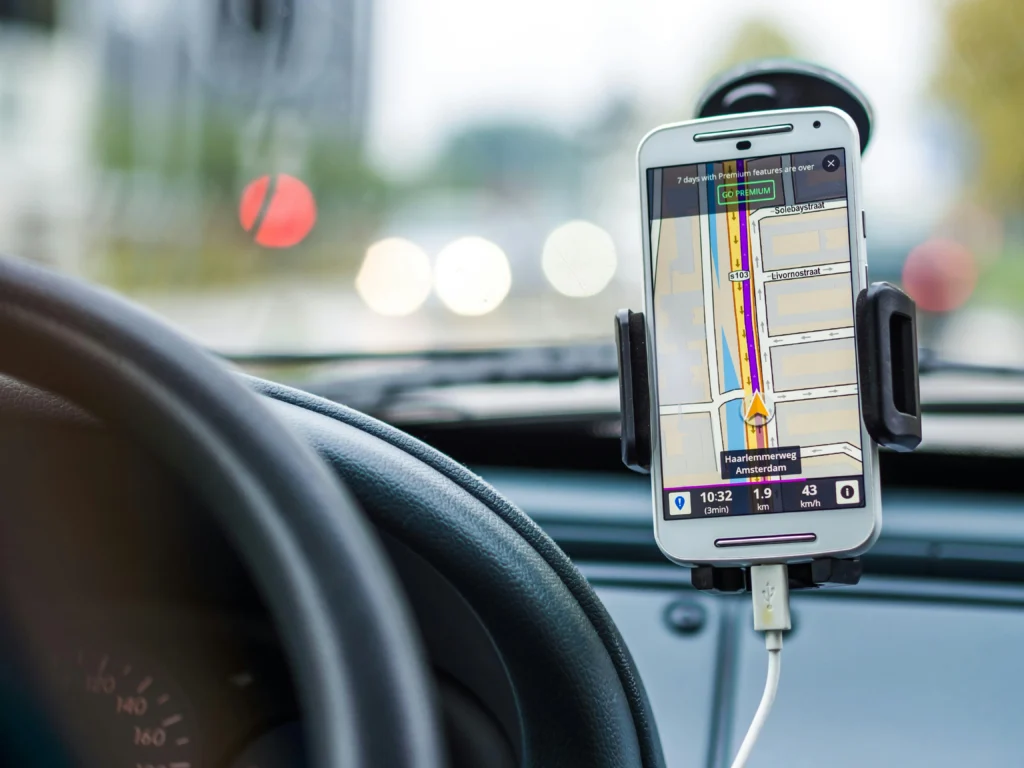
RV navigation apps are designed specifically for RV travel and run on smartphones or tablets. Well-known options include RV LIFE GPS, RV Trip Wizard, and CoPilot.
These apps allow RV owners to enter their RV’s size and weight, customize routes, and avoid roads that don’t fit their rig. Many also include campground reviews, databases of campgrounds and RV parks across the U.S., and points of interest relevant to RV life.
Strengths of RV Navigation Apps
RV navigation apps shine in flexibility and travel planning. Features commonly include:
- Custom routing based on RV size and weight
- Campground and campsite directories
- Download maps for offline navigation
- Alerts for elevation changes, curves, and road restrictions
- Easy updates and new content
Apps work especially well for RVers who enjoy planning routes in advance or using a bigger screen like a tablet mounted in the cab.
Traditional RV GPS Devices: Still Relevant
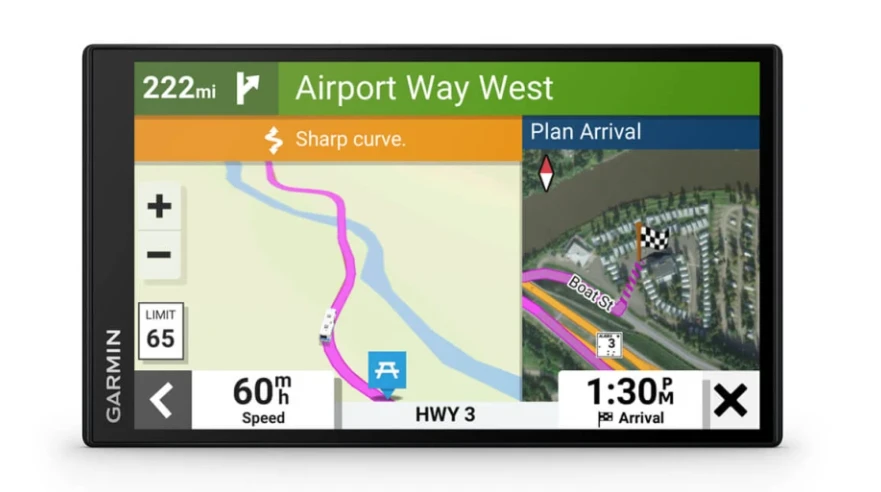
Dedicated RV GPS Units
Traditional RV GPS devices are standalone navigation units built specifically for RVing. Popular models include Garmin RV and the Garmin RV GPS line.
These GPS units use satellite signals instead of cellular data, which makes them reliable in remote areas without a data connection. They are often preloaded with RV-specific maps and routing rules.
Advantages of Dedicated RV GPS Devices
RV GPS units offer strong reliability and consistency. Common benefits include:
- Works without cell service
- Strong satellite reception
- Larger, dedicated screen
- Built-in RV-specific routing
- No reliance on Wi-Fi or cellular data
For RVers who travel through remote areas or prefer a dedicated navigation device, traditional RV GPS units remain a solid option.
RV Navigation Apps vs GPS Devices: Key Differences
Connectivity and Offline Navigation
RV navigation apps rely on data connections unless maps are downloaded in advance. In areas with poor cell service, offline navigation becomes critical. Many RV apps support offline maps, but performance varies.
Dedicated RV GPS devices don’t rely on cell service. They use satellite signals, making them more dependable in remote areas, national parks, and rural routes.
Screen Size and Visibility
Apps depend on the smartphone or tablet you use. A tablet offers a bigger screen and better visibility, while phones may feel small when driving a motorhome.
RV GPS units are built with larger screens designed for navigation, often with better glare resistance and responsiveness to touch while driving.
Custom Routing and Safety Alerts
Both options support RV-specific routing, but the experience differs. Apps allow more frequent updates and customization, while GPS units offer stable, preloaded routing data.
Alerts for height restrictions, weight limits, curves, and steep grades are available on both, but consistency tends to favor dedicated GPS units in areas without service.
Practical Considerations for RV Owners
Cost and Long-Term Value
RV navigation apps may have subscription fees, such as premium versions like RV LIFE Pro. GPS units cost more upfront but don’t require ongoing subscriptions.
The best solution depends on how often you travel and how much you rely on navigation tools.
Ease of Use While Driving
Dedicated GPS units are designed to be responsive and easy to use while driving. Apps can be just as effective, especially when paired with Android Auto or Apple CarPlay, but they rely on your device’s performance.
Combining Tools for a Seamless Experience
Many experienced RVers use both a GPS unit and an RV navigation app. This layered approach provides flexibility, better travel planning, and backup options if one system fails.
Some RVers also use planning tools and stay-finding resources like Hookhub to explore campground options and RV-friendly parking alongside their navigation setup, creating a more seamless RV travel experience.
Which Navigation Option Is the Best Solution?
There’s no single best solution for every RVer. RV navigation apps work well for those who want flexibility, frequent updates, and integrated travel planning. Traditional RV GPS devices excel in reliability, especially in remote areas without cell service.
The best navigation experience often comes from choosing the option that suits your needs, RV size, travel style, and comfort level with technology.
Final Thoughts
Navigation plays a huge role in safe and enjoyable RV travel. Whether you choose an RV GPS app, a dedicated GPS device, or a combination of both, the goal is the same: finding the best route without unnecessary stress.
By using RV-specific navigation tools designed for real RV life, RV owners can travel more confidently, avoid costly mistakes, and focus on enjoying the journey.
If you’re still refining how you plan routes, find campgrounds, or adjust travel days around your RV’s size and limits, tools that support flexible RV travel planning can help. Resources like Hookhub are often used by RVers to explore stay options alongside navigation decisions, making trip planning feel more manageable and realistic.
Frequently Asked Questions About RV Navigation
Are RV navigation apps better than traditional GPS devices for RVers?
RV navigation apps are often better for travel planning, campground research, and flexible routing using a smartphone or tablet. Traditional RV GPS devices tend to be more reliable for navigation in remote areas because they use satellite signals and do not depend on cell service. Many RVers choose based on how often they travel off-grid.
Can Google Maps be used safely for RV navigation?
Google Maps is useful for general directions, but it is not RV-specific. It does not account for RV size, weight limits, height restrictions, or sharp curves. RV owners often use Google Maps as a secondary reference, but an RV-specific GPS or navigation app is a safer option for RV travel.
Do RV navigation apps work without a data connection?
Some RV navigation apps allow users to download maps for offline navigation. This helps when traveling through areas with limited cell service. However, features such as traffic updates, campground reviews, and points of interest usually require an active data connection. Dedicated RV GPS units work fully offline.
What is the best navigation setup for RV travel?
For many RV owners, the best solution is using both tools together. A dedicated RV GPS device provides reliable routing and safety alerts, while an RV navigation app helps with travel planning, campsites, amenities, and route customization. This combined approach offers flexibility and added confidence on the road.