
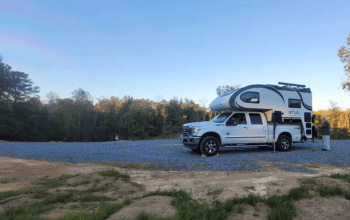
Owning an RV promises freedom, flexibility, and the ability to travel on your terms. For many people, RV life delivers exactly that.
What surprises most new owners is not the lifestyle — it’s the real cost of owning an RV once you move beyond the purchase price.
The true cost of RV ownership includes insurance, maintenance, fuel, campground or parking fees, storage, registration, and depreciation. Depending on how often you travel and where you stay, monthly RV expenses can range from modest to substantial.
This guide breaks down the full cost of owning an RV — including hidden costs — so you can plan realistically and decide whether RV ownership fits your budget.

Average Monthly Cost of RV Ownership (Quick Snapshot)
Here’s what many RV owners spend per month:
| Expense Category | Typical Monthly Range |
| Loan Payment | $400–$1,200 |
| Insurance | $50–$250 |
| Maintenance Reserve | $100–$300 |
| Fuel | $150–$600 |
| Campground / Parking | $600–$1,500 |
| Storage (if not traveling) | $50–$400 |
| Estimated Total | $1,500–$3,500+ |
Your total cost depends heavily on whether you travel occasionally, seasonally, or live in your RV full time.
The True Cost of Purchasing an RV
RV Purchase Price vs. Total Out-the-Door Cost
The sticker price is just the beginning.
When purchasing an RV, your total cost often includes:
- Sales tax (can add thousands)
- Registration fees
- Dealer documentation fees
- Extended warranties
- Delivery fees
For example, a $70,000 motorhome in a state with 7% sales tax immediately becomes nearly $75,000 before additional fees.
When budgeting for RV ownership, always calculate the full out-the-door cost.
Financing and Interest Costs
Many buyers finance their RV purchase. RV loans often stretch 10–20 years, which lowers monthly payments but increases long-term interest paid.
Even a 1% difference in interest rate can add thousands over the life of the loan.
The longer the term, the more you’ll pay in total cost of ownership.
Hidden Costs of RV Ownership
Depreciation
One of the largest hidden costs of owning an RV is depreciation.
Like vehicles, RVs lose value — especially in the first few years. Motorhomes and travel trailers can lose 20–30% of their value within the first few years.
Depreciation doesn’t affect your monthly cash flow, but it matters if you plan to sell or trade in later.
Buying used can significantly reduce this loss.
RV Insurance
RV insurance rates vary widely depending on:
- RV type (motorhome vs travel trailer)
- Value
- State of registration
- Full-time vs part-time use
- Coverage level
Motorhomes typically cost more to insure than towable RVs.
Full-time RV insurance often resembles homeowners insurance in coverage and price.
Expect $600–$3,000 per year depending on your situation.
Maintenance and Repair Costs
Routine Maintenance
Regular maintenance is unavoidable and essential.
Common recurring costs:
- Oil changes (motorhomes)
- Tire replacement (can cost $2,000–$5,000 for large rigs)
- Roof resealing
- Brake inspections
- Appliance servicing
- Slide-out maintenance
Skipping maintenance usually leads to larger repair bills later.
Unexpected Repairs
Unexpected repairs are common in RV ownership.
Examples:
- Water damage repairs
- Appliance replacement
- HVAC issues
- Electrical problems
- Engine repairs (motorhomes)
Many experienced RV owners keep a dedicated repair fund of $3,000–$10,000.
Fuel, Mileage & Operating Costs
Fuel Costs
Fuel is one of the most variable RV expenses.
Motorhomes may average 6–10 MPG. Tow vehicles pulling travel trailers often get 8–14 MPG.
Long-distance travel dramatically increases monthly cost.
If you drive 1,000 miles per month at 8 MPG and $4 per gallon, fuel alone could cost $500.
Propane & Generator Use
Propane is used for:
- Heating
- Cooking
- Refrigeration
- Hot water
Cold climates increase propane usage significantly.
Generators require fuel and maintenance and add to operating costs.
Campground & RV Parking Costs
For many RV owners, parking is the largest ongoing monthly expense.
Campground & RV Park Fees
Nightly rates can range from:
- $25–$50 (basic campgrounds)
- $50–$100+ (resort-style RV parks)
Monthly rates typically reduce the cost per night.
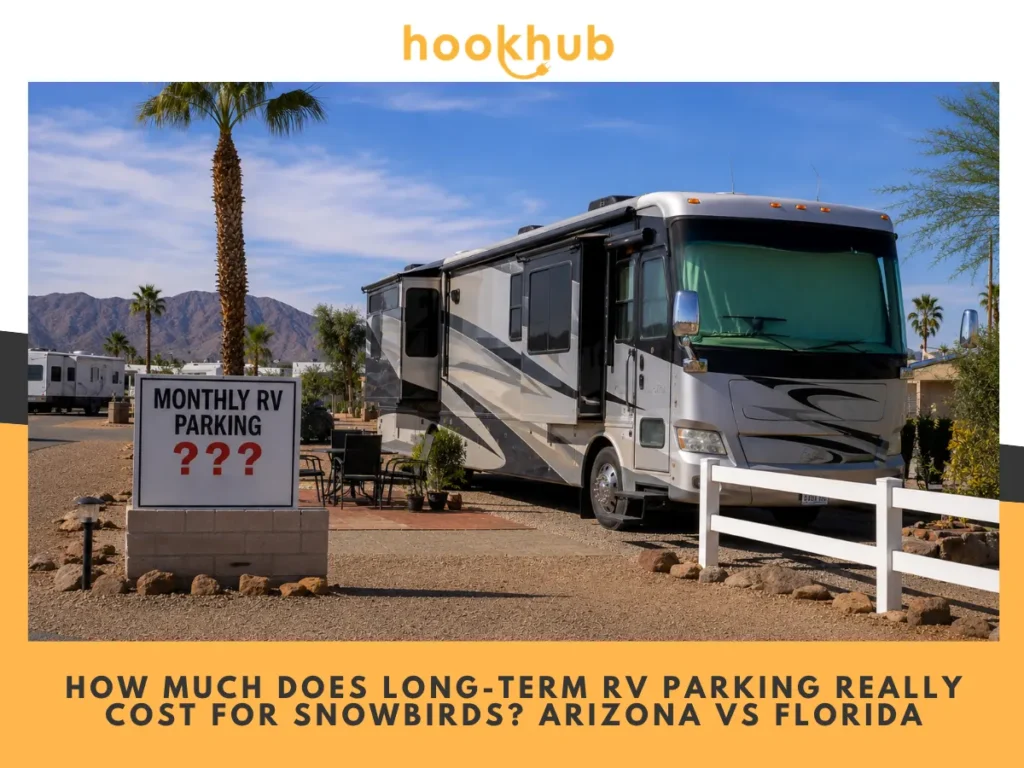
Long-term stays often range from $600–$1,500 per month depending on location and hookups.
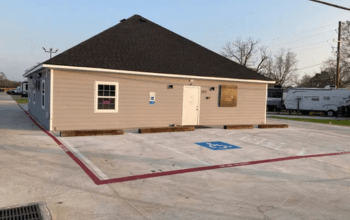
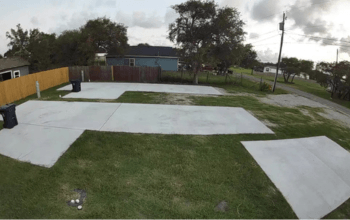
Understanding different ways to find RV parking can make a noticeable difference in monthly RV costs, especially when balancing campground fees with longer or more flexible stays.
Flexible Stay Options
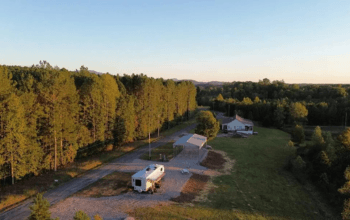
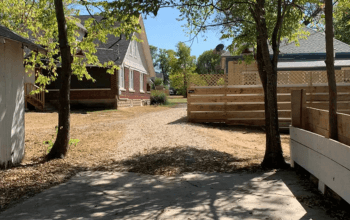
Many RV owners combine campgrounds with alternative campsite options to keep costs flexible. Understanding where an RV could stay, and how size affects parking choices, plays a big role in managing expenses.
Tools RVers use to plan stays, like Hookhub, help RV owners explore different parking and campsite options beyond traditional campgrounds, especially when balancing costs and convenience.
Full-Time RV Living Costs
If you live in your RV full time, monthly costs often include:
- Monthly RV site rent
- Internet (Starlink or hotspot)
- Mail forwarding service
- Laundry
- Health insurance
- Ongoing maintenance
- Fuel
Many full-time RVers spend between $1,500 and $4,000 per month depending on travel style.
Full-time RV living can be cheaper than traditional housing — but not always.

Storage Costs When Not Traveling
If you’re not living in your RV year-round, storage becomes a factor.
- Outdoor lot: $50–$200/month
- Covered storage: $100–$400/month
- Indoor climate-controlled: $200–$500+/month
Storing at home may save money but can involve HOA or zoning restrictions.
Upgrades That Increase Long-Term Costs
Comfort Upgrades
Many owners invest in:
- Mattress replacements
- Suspension upgrades
- Insulation improvements
- Kitchen modifications
These improve quality of life but increase upfront investment.
Solar Panels
Solar panels are increasingly popular.
While installation may cost several thousand dollars, solar can:
- Reduce generator fuel
- Allow more off-grid stays
- Reduce campground dependency
For some RV lifestyles, solar adds both flexibility and long-term savings.
RV Ownership vs Renting an RV
Many prospective buyers ask:
Is it cheaper to rent or own an RV?
Example comparison:
- Renting 4 trips per year at $1,200 per trip = $4,800 annually
- Owning may cost $15,000+ annually including fixed expenses
Ownership makes more financial sense for frequent travelers or full-time living. Occasional vacationers may find renting more economical.
Is Owning an RV Worth the Cost?
RV ownership makes sense when:
- You travel frequently
- You value flexibility
- You plan extended stays
- You compare it to housing or hotel expenses
It makes less sense if:
- You travel only a few times per year
- Storage and maintenance stress you
- You expect hotel-style convenience
RV ownership works best when you understand the full cost picture upfront.
Final Thoughts
Owning an RV isn’t just about the purchase price. It’s a combination of:
- Financing
- Insurance
- Maintenance
- Fuel
- Parking
- Storage
- Depreciation
The total cost of owning an RV varies widely — but planning realistically prevents unpleasant surprises.
With the right expectations, RV ownership can be both manageable and rewarding.
Frequently Asked Questions
How much does it cost per year to own an RV?
Most RV owners spend between $15,000 and $35,000 per year depending on loan payments, travel frequency, campground choices, insurance, and maintenance needs.
What are the biggest hidden costs of owning an RV?
Depreciation, repair costs, campground fees, fuel, and storage are the most commonly underestimated expenses.
Do travel trailers cost less to own than motorhomes?
In many cases, yes. Travel trailers generally have lower insurance and repair costs, though towing fuel and campsite fees still apply.
How much does it cost to live in an RV full time?
Full-time RV living typically ranges from $1,500 to $4,000 per month depending on location, travel style, and lifestyle choices.