





Buying a motorhome is exciting, but it can also feel overwhelming once you start comparing options. RV manufacturers offer dozens of models, floor plans, and features, and at first glance many of them seem similar. The biggest difference, though, usually comes down to class.
Class A, Class B, and Class C motorhomes are built very differently, and those differences affect how they drive, how much space you have, how much you spend, and how you actually live day to day on the road.
Some RVers want a setup that feels close to home. Others want something easy to drive that can park almost anywhere. Many people are simply looking for the best balance between comfort, cost, and flexibility.
Understanding how each RV class works in real life makes choosing much easier, especially if this is your first motorized RV.
Many first-time RV buyers also spend time learning how overnight parking and longer stays work in practice. Resources RVers use for trip planning, such as tools RVers use to plan stays like Hookhub, can help clarify how different RV sizes fit into real-world travel.
Key Takeaways
- Class A, Class B, and Class C motorhomes serve very different travel styles
- Size, chassis type, and layout affect comfort, fuel economy, and handling
- Larger RVs offer more living space but require more planning
- Smaller RVs offer flexibility but limit storage and amenities
- The right RV is the one that fits how you actually plan to travel
Understanding the Different Classes of Motorhomes
Motorhomes are generally divided into three main categories based on how they are built: Class A, Class B, and Class C. While all three are motorized RVs, the experience of owning and traveling in each one is noticeably different.
Class A motorhomes are the largest and most residential. They are built on a bus chassis or commercial truck chassis and often feel more like a small apartment than a vehicle.
Class B motorhomes are built on a van chassis and are commonly known as camper vans. They are the smallest motorized RV option and focus on efficiency and mobility.
Class C motorhomes sit between the two. They are built on a truck chassis with a distinct cab and an attached living area, often with a sleeping space above the cab.
Each class has strengths and tradeoffs. Knowing what those are before you shop saves time, money, and frustration later.
Class A Motorhomes: Maximum Space and Comfort
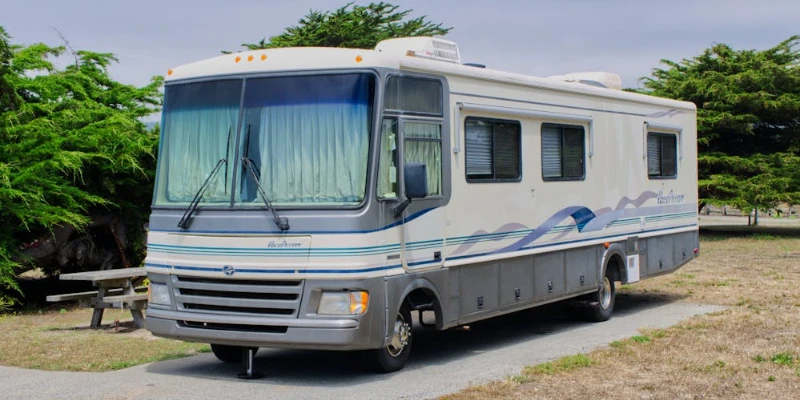
Class A motorhomes are often the first thing people picture when they think of RV living. These large coaches are designed for comfort, storage, and long stays.
Size, Layout, and Living Space
Class A RVs typically range from about 25 feet to more than 45 feet long. Inside, they usually include large living rooms, full kitchens, residential-size refrigerators, and spacious bathrooms. Many floor plans include multiple slide-outs that significantly expand the interior when parked.
Sleeping areas vary by design, but Class A motorhomes often accommodate couples, families, or guests with ease. Storage space is generous, both inside and in exterior compartments, making it easier to carry everything needed for extended travel.
Chassis and Driving Experience
Most Class A motorhomes are built on a bus chassis or commercial truck chassis. This provides stability on highways and long-distance routes, but the size takes practice. Driving, turning, and parking require planning, especially in cities or older campgrounds.
Fuel economy is typically lower due to weight and engine size, whether gas or diesel. Maintenance costs are also higher, simply because there are more systems involved.
Pros and Cons of Class A RVs
Pros
- Largest living space of all RV classes
- Residential-style amenities and storage
- Comfortable for long trips or full-time living
Cons
- Higher purchase and operating costs
- More challenging to drive and park
- Lower fuel economy
Class A motorhomes work best for RVers who prioritize comfort and plan to stay in one place for longer periods rather than moving daily.
Class B Motorhomes: Compact Camper Vans

Class B motorhomes, often called camper vans, focus on simplicity and mobility. They are popular with solo travelers and couples who want flexibility and easier driving.
Size, Layout, and Interior Design
Class B RVs usually measure between 17 and 24 feet long. Interior layouts are compact but efficient, with convertible seating, small kitchens, and wet baths. Storage space is limited, but every inch is designed to serve a purpose.
Many modern Class B motorhomes include solar panels, upgraded batteries, and flexible sleeping setups that support off-grid travel.
Van Chassis and Maneuverability
Built on a van chassis, Class B RVs drive much like large vans. They are easy to maneuver, fit into standard parking spaces in many areas, and feel less intimidating for new RV owners.
Fuel economy is one of the biggest advantages of this RV type. Smaller engines and lighter weight mean fewer fuel stops and lower overall travel costs.
Pros and Cons of Class B RVs
Pros
- Easy to drive and park
- Best fuel economy among motorized RVs
- Lower maintenance and ownership costs
Cons
- Limited living space and storage
- Small kitchen and bathroom
- Less comfortable for families or long stays
Class B motorhomes suit travelers who want to stay mobile and flexible rather than settled in one place.
Class C Motorhomes: Balanced and Family-Friendly
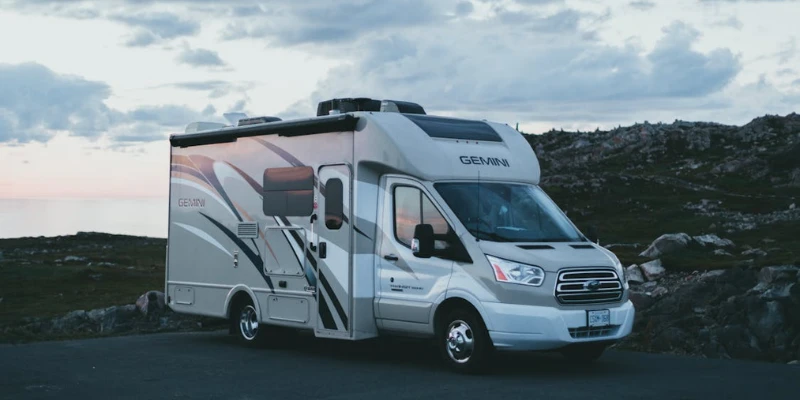
Class C motorhomes combine elements of both Class A and Class B RVs. They are often chosen by families or travelers who want space without the size of a large coach.
Size, Layout, and Sleeping Areas
Class C RVs generally range from 20 to 45 feet long. A defining feature is the cab-over sleeping or storage area, which adds additional sleeping capacity without increasing length.
Inside, most Class C motorhomes include a separate bedroom, a functional kitchen, a bathroom, and a comfortable living area. Storage space is usually greater than in a Class B but less than in a Class A.
Truck Chassis and Handling
Class C motorhomes are built on a truck chassis, which gives them a familiar driving feel for many drivers. They are easier to handle than Class A RVs while still offering stability on highways.
Fuel economy and maintenance costs tend to fall between Class A and Class B models.
Pros and Cons of Class C RVs
Pros
- Good balance of space and drivability
- Family-friendly sleeping layouts
- More affordable than many Class A RVs
Cons
- Less interior space than Class A
- Larger than camper vans
- Some campsite size restrictions
Comparing Living Space, Costs, and Daily Use
Living space, fuel economy, and long-term costs often determine satisfaction more than features alone.
Class A RVs offer the most room and comfort but require more planning for parking, fuel, and maintenance. Class B RVs offer freedom and efficiency but limit storage and living space. Class C RVs sit in the middle, offering versatility for a wide range of travel styles.
Daily use also matters. How often you move, where you park, and how long you stay in one location all affect which RV class feels manageable.
Many RVers test different setups before committing. Some rent short-term or use RV travel platforms like Hookhub to explore parking options, private land stays, and trip planning tools before buying a motorhome that locks them into a specific travel style.
Choosing the Right RV for Your Travel Style
Before buying, it helps to think honestly about how you plan to travel.
Consider:
- How many people will travel with you regularly
- Whether you plan to tow a car or trailer
- How often you plan to move locations
- Where you expect to park overnight
- Your comfort level driving larger vehicles
- Your long-term budget, including fuel and maintenance
There is no wrong answer. The goal is choosing an RV that fits your lifestyle today and still works a few years down the road.
For many buyers, testing different travel styles before purchasing makes the decision clearer. Using RV travel platforms like Hookhub allows people to experience parking, longer stays, and trip pacing before committing to a motorhome that may limit where they can comfortably travel.
Real-World Planning Matters More Than Specs
Specs and floor plans are helpful, but real-world use matters more. Where you park, how long you stay, and how often you move affect your experience just as much as square footage.
Some RVers discover that a smaller RV works better once they understand parking limitations. Others realize that extra space makes long trips far more comfortable. Tools that help RVers understand parking options, trip planning, and overnight stays can make these tradeoffs clearer before committing.
Making Your Final Decision
Choosing between Class A, Class B, and Class C RVs is about balance.
If you want maximum comfort and plan extended stays, a Class A motorhome may suit you best. If flexibility, fuel economy, and easy driving matter most, a Class B camper van is often the right choice. If you want space without giving up drivability, a Class C motorhome offers a practical middle ground.
Having access to tools that support flexible RV travel, including parking and stay options through services like Hookhub, can make that final decision feel far more confident.
Take time to compare options, think about how you will actually travel, and choose the RV that supports your lifestyle rather than limiting it.
FAQ
What are the main differences between Class A, Class B, and Class C RVs?
Class A RVs are the largest and most residential. Class B RVs are compact camper vans. Class C RVs offer a balance of space and drivability.
Which RV is best for families?
Class C and Class A motorhomes usually offer more sleeping space and storage for families.
Can you tow a car behind an RV?
Many Class A and Class C RVs can tow a vehicle, but towing capacity depends on the chassis and model.
Are Class B RVs good for full-time living?
They can work for solo travelers or couples, but limited space makes them less practical for larger households.