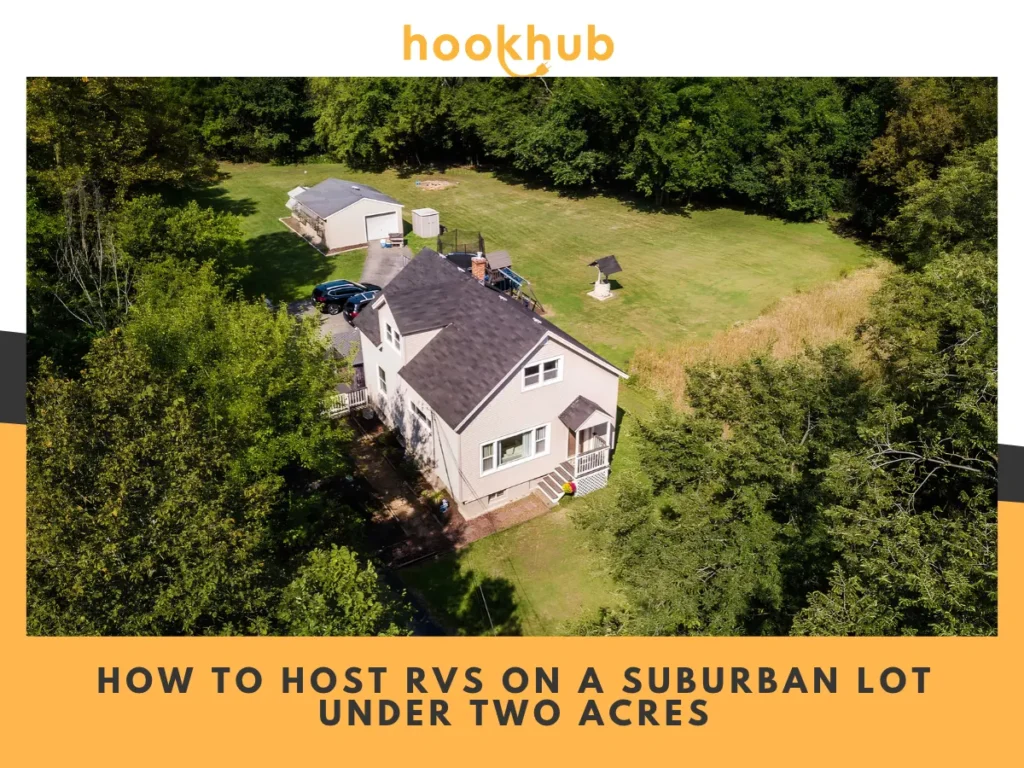
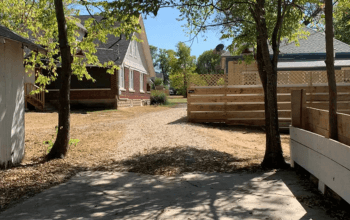
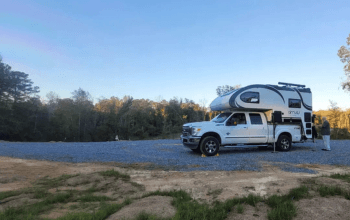
Many landowners assume RV hosting is only for people with large farms, ranches, or rural acreage. In reality, some of the most desirable RV stays are located on smaller suburban properties near cities, local attractions, and major travel routes.
As RV travel continues to grow across North America, travelers are increasingly looking for alternatives to traditional RV parks.
Data from the RV Industry Association continues to show strong interest in RV ownership and travel, helping support long-term demand for private RV stays.
According to the North American Camping Report, millions of households continue to participate in camping and RV travel each year, creating growing demand for alternative accommodations beyond traditional RV parks.
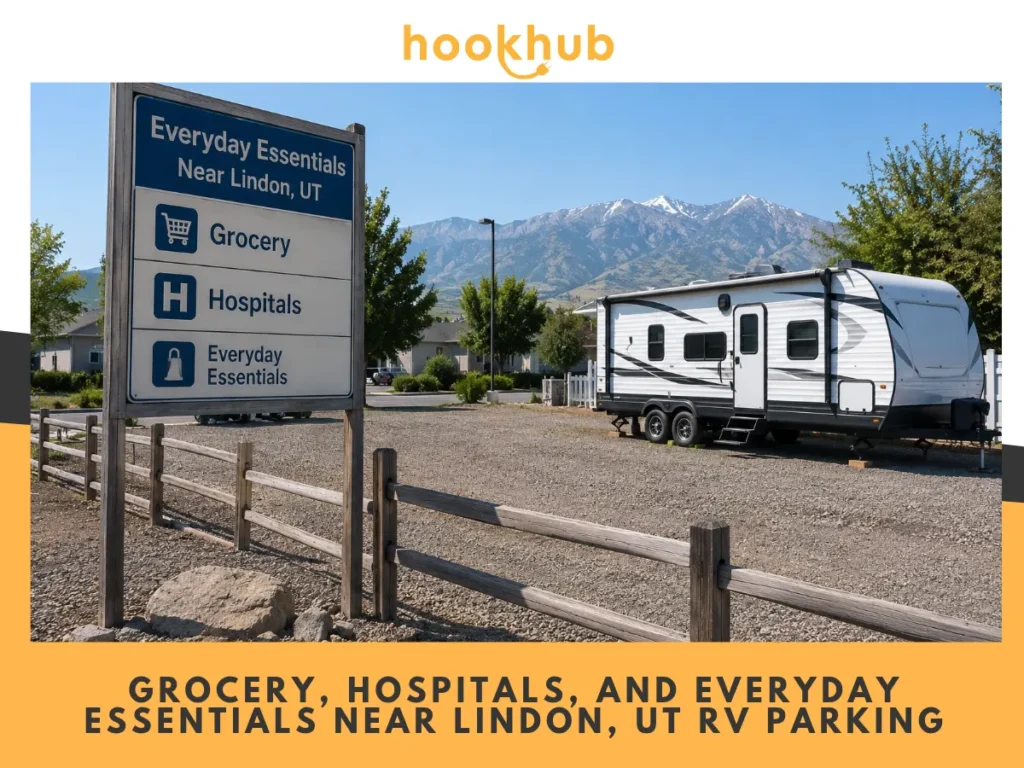
Many want a quiet place to stay near restaurants, breweries, wineries, downtown districts, golf courses, hospitals, and other local amenities without paying premium campground rates or driving long distances every day.
That shift creates an opportunity for suburban property owners who may already have a viable RV site on their property without realizing it.
If you have a flat section of land, a driveway with good access, or a side yard with utility connections, you may already have everything you need to welcome RV guests and generate additional income. You do not need campground infrastructure, resort-style amenities, or multiple acres of land to become a successful RV host.
This guide explains how suburban RV hosting works, how to evaluate your property, what hookups travelers expect, how to navigate local regulations, and how to position your location as a valuable asset that attracts bookings.
Key Takeaways
- A suburban lot under two acres may be suitable for RV hosting, but whether guests can occupy an RV depends on local property and land-use rules.
- Utility access, especially electrical hookups and water connections, can significantly increase demand and nightly rates.
- Location is often the most valuable amenity suburban hosts can offer.
- Travelers frequently choose private property near cities, attractions, dining, and entertainment instead of distant RV parks.
- Clear rules, detailed instructions, and thoughtful communication help create positive guest experiences and maintain good relationships with neighbors.
- Hookhub simplifies RV hosting through secure payments, guest verification, and host protection features.
Why Small Suburban Properties Are Becoming Popular RV Destinations
The idea that RV travelers only want remote camping experiences is outdated.
Today’s RV community includes remote workers, traveling nurses, retirees, weekend adventurers, digital nomads, sports fans, and families taking road trips through major metropolitan areas. Many of these travelers value convenience more than isolation.
A suburban property located near local attractions can be more appealing than a traditional RV park located 30 or 40 minutes outside the city.
Travelers often search for places that provide easy access to:
- Downtown districts
- Local dining
- Breweries and wineries
- Golf courses
- Hospitals
- Business centers
- Universities
- Sports venues
- Outdoor recreation areas
- Major highway corridors
For many suburban property owners, the value isn’t the size of the land—it’s the location. RV travelers often choose a convenient site near local attractions, dining, outdoor recreation, or a downtown district over a remote RV park that requires additional driving every day. In many markets, proximity becomes the amenity guests are willing to pay for.
This growing demand is creating opportunities for landowners who may never have considered themselves candidates for RV hosting.
What Makes a Suburban Lot Work for RV Hosting?
Not every property is a fit, but more suburban lots qualify than most owners realize.
The most important factors are access, parking, clearance, and utility availability.
A large lot with poor vehicle access may be less useful than a smaller property with a wide driveway and easy maneuverability. RVs need room to enter, turn, park, and exit safely.
When evaluating your site, focus on:
- Vehicle access
- Parking surface
- Utility proximity
- Safety
- Privacy
- Neighborhood compatibility
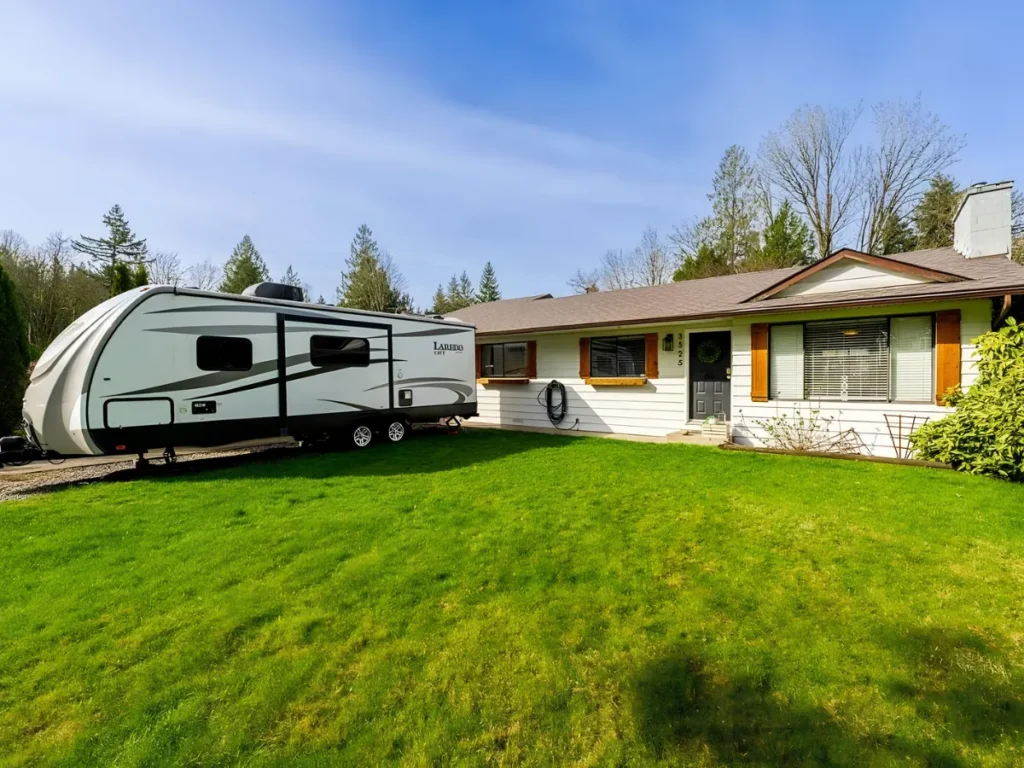
Some suburban properties can accommodate an RV using an oversized driveway, side yard, or dedicated parking area.
The goal is not maximizing acreage. The goal is creating a practical and convenient place for travelers to stay.
Before listing your property, verify local regulations governing RV hosting, overnight parking, and short-term accommodations. Residential zoning rules vary significantly between cities and counties.
How to Assess Your Property Before Listing
Before welcoming guests, take time to evaluate your property from a traveler’s perspective.
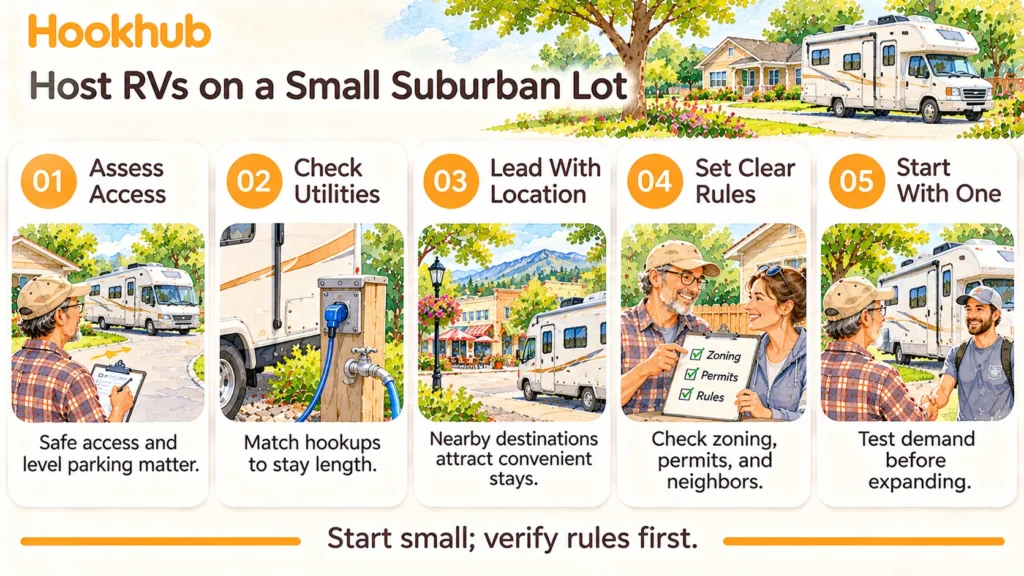
Start with access.
Can a motorhome or travel trailer safely enter and exit your property? Larger RVs may require wider turning radiuses than standard passenger vehicles.
Next, evaluate the parking area.
A suitable site should provide:
- Level ground
- Stable parking surfaces
- Adequate clearance
- Safe walking areas
- Room for slide-outs and entry steps
Surface conditions matter more than many first-time hosts realize. Gravel, concrete, and compacted surfaces generally perform better than grass, especially during wet weather.
Think through the entire guest experience. Is the parking area easy to find? Can travelers arrive after dark? Is there enough room to maneuver without damaging landscaping or fencing?
Small operational details often influence guest satisfaction more than expensive upgrades.
Utility access is equally important. Existing electrical connections, water spigots, and nearby service panels can dramatically reduce setup costs while increasing the attractiveness of your listing.
If you’re still evaluating whether your property is a good fit for RV hosting, this property suitability guide for RV hosting can help you assess access, parking, utility availability, and overall guest usability before creating your listing.
The Small-Lot Test: Can an RV Actually Fit Without Disrupting the Property?
A suburban property doesn’t need to be large, but it does need to function comfortably with an RV parked on it.
Before spending money on improvements, walk through these five questions:
- Where will the RV physically sit?
Measure the usable parking area, accounting for the RV’s length and width, slide-outs, entry steps, and clearance around the vehicle. Don’t assume a 35-foot driveway can comfortably accommodate a 35-foot RV. - How will it get there?
Consider the entire route from the street to the parking space. Tight gates, narrow driveways, overhead branches, utility lines, steep slopes, and limited turning space may rule out certain RV types. - What happens to your household’s parking?
If the RV occupies your driveway or side yard, make sure your own vehicles, deliveries, trash collection, and emergency access can continue without problems. - How close will guests be to your home and neighbors?
Think about windows, outdoor seating areas, noise, lighting, pets, and the paths guests will use to enter and leave the property. - Does the intended use comply with local property rules?
A property may have enough physical space for an RV without allowing someone to occupy it as a residence. Check applicable zoning, setbacks, parking restrictions, HOA rules, and permit requirements.
A useful starting point is to identify the largest RV your property can comfortably accommodate, rather than advertising the space for every type of rig.
For many suburban hosts, one well-positioned RV site that doesn’t interfere with everyday household life is more practical than trying to fit multiple guests onto a small lot.
The Hookup Question: What Do You Actually Need?
Many new hosts assume they need full hookups before they can attract bookings.
In most suburban markets, that isn’t true.
Dry camping sites regularly attract travelers looking for affordable overnight parking. However, utility connections expand your audience and increase earning potential.
Electrical hookups are typically the most valuable upgrade.
A standard 30-amp electrical connection can power:
- Air conditioning
- Heating systems
- Refrigerators
- Lighting
- Electronics
- Small appliances
Water hookups provide additional convenience and appeal.
Many suburban hosts find that offering water and electrical service creates the ideal balance between setup cost and earning potential.
Full hookups, including sewer connections, represent the premium option but are often unnecessary for shorter stays.
Before investing in upgrades, it’s worth reviewing a gravel pad vs. full hookups comparison to understand which improvements typically generate the strongest return for suburban hosts.
For many travelers, a secure parking area with electrical access is enough to justify booking.
What Hookups Do RV Guests Expect?
The answer depends heavily on how long someone plans to stay.
For overnight or weekend stays, some RVers can manage with a safe parking space and electrical access. Many travel with freshwater and wastewater tanks that can support short visits without permanent connections.
For stays lasting several weeks, reliable electricity and access to freshwater become much more important. Guests need to manage everyday activities such as cooking, showering, heating, cooling, and washing dishes.
For monthly or long-term stays, wastewater disposal becomes one of the biggest practical considerations. A guest without an on-site sewer connection needs a workable plan for emptying holding tanks, whether that means access to an approved dump station, a permitted mobile service, or another suitable arrangement.
This doesn’t mean every suburban host needs to install full hookups. It means the available utilities should match the length and type of stay being offered.
For example, a driveway with 30-amp electricity may be a useful option for shorter stays, while a site with water, sewer, and appropriate electrical service may be better suited to someone staying for 30, 60, or 90 days.
Before investing in new infrastructure, decide what kind of renter your property is best equipped to serve. That decision should guide which improvements are worth making.
Be specific in your listing about the connections available, any utility charges, and how guests will handle wastewater if sewer hookups aren’t provided.
Positioning Your Location as a Selling Point
Many suburban hosts underestimate how valuable their location really is.
Instead of focusing on what their property lacks compared to a campground, successful hosts emphasize what travelers actually care about.
Think beyond camping.
A traveler may book your site because it’s:
- Near a winery
- Close to a brewery
- Minutes from a golf course
- Convenient to downtown
- Near a hospital
- Close to family members
- Along a major travel route
Think beyond traditional tourism. Nearby hospitals, business districts, colleges, golf courses, wineries, breweries, and community events can all create demand from visitors looking for a convenient place to stay.
Remote workers, traveling professionals, and long-distance travelers often reserve accommodations based on proximity and convenience rather than resort-style amenities.
When writing your listing, lead with nearby attractions and local amenities rather than burying them at the bottom of the description.
The property hosting suitability guide also includes practical tips for presenting location advantages in a way that resonates with RV travelers.
For many guests, location is the primary reason they reserve a stay.
Setting Up Your Listing and House Rules
A successful hosting experience starts with clear expectations. Many first-time hosts create rules only after encountering problems, but a better approach is establishing expectations before your first guest arrives.
Consider addressing the following areas in your listing and welcome materials.
Quiet Hours
Suburban neighborhoods require additional consideration when it comes to noise. Clearly communicate acceptable quiet hours and expectations so guests understand how to be respectful of the surrounding community. Most suburban hosts find that establishing quiet hours between 10 PM and 7 AM helps prevent issues before they start.
Pet Policies
Determine whether pets are welcome and under what conditions. If you allow pets, consider outlining leash requirements, cleanup expectations, and any breed or size restrictions upfront. Clear pet policies help avoid misunderstandings and ensure a positive experience for both guests and neighbors.
Check-In Procedures
Provide detailed arrival instructions and access information. Clear communication before arrival helps guests find the site easily and reduces the likelihood of late-night questions or confusion. Include any gate codes, parking directions, or arrival requirements in your listing.
Parking Instructions
A simple parking map can eliminate confusion and improve the guest experience. Showing guests exactly where to park, turn around, and connect to utilities makes check-in much smoother. This is especially important on smaller suburban lots where space may be limited.
Guest Limits
Clearly define how many people and vehicles are allowed on the site. Establishing limits upfront helps prevent misunderstandings and ensures the space remains comfortable for both guests and neighbors.
Strong communication creates confidence for both hosts and travelers. The more clearly you set expectations before arrival, the smoother the stay will be for everyone involved.
What Hosting on Hookhub Looks Like for a Suburban Host
Hookhub was designed specifically for property owners who want a straightforward way to host RV travelers.
Instead of managing payments, guest screening, and reservations independently, hosts can use a platform built around the needs of RV travel.
Hookhub handles secure payments, guest verification, and host protection while allowing property owners to maintain control over availability, pricing, and booking approvals.
Hookhub also provides a structured service that helps suburban hosts welcome travelers without turning their property into a full-scale RV park. Property owners maintain control over availability, pricing, and guest approvals while benefiting from a system built specifically for RV hosting.
You decide:
- When your site is available
- How much you charge
- What rules apply
- Which guests you accept
New hosts can also browse active RV sites to see how other property owners describe their locations, amenities, and pricing strategies.
This flexibility is particularly valuable for suburban hosts who want to earn income while maintaining control over their property.
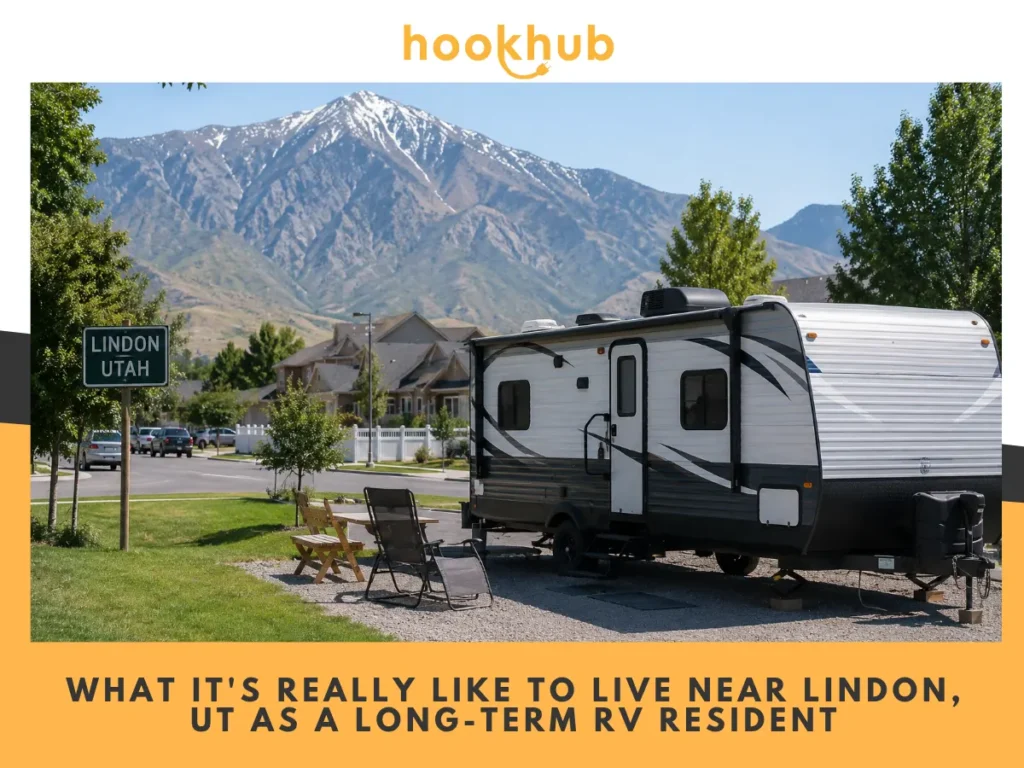
Long-term stays are becoming increasingly common on Hookhub. Remote workers, traveling healthcare professionals, and full-time RV travelers frequently seek locations where they can stay for 30 to 90 days.
For suburban hosts, these longer bookings often provide the best balance of income and convenience.
What About the Neighbors?
Neighbor concerns are often one of the biggest obstacles for first-time suburban hosts.
Fortunately, most concerns can be addressed proactively.
Common concerns include:
- Noise
- Parking
- Appearance
- Security
The best approach is keeping your operation professional and low-impact.
Many hosts find that maintaining a clean site, clear parking map, and professional communication helps create a positive relationship with both guests and the surrounding community.
Hosting one RV at a time, maintaining quiet hours, and ensuring guests stay within property boundaries prevents most common complaints.
Some hosts even choose to inform nearby neighbors before welcoming their first guest. Transparency often helps reduce concerns and build trust.
The Realistic Income Picture
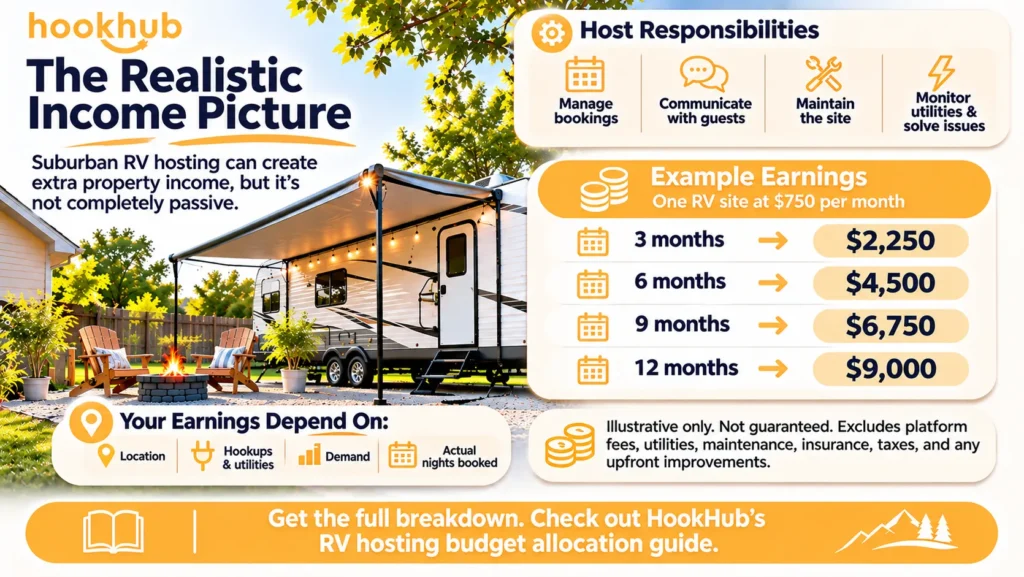
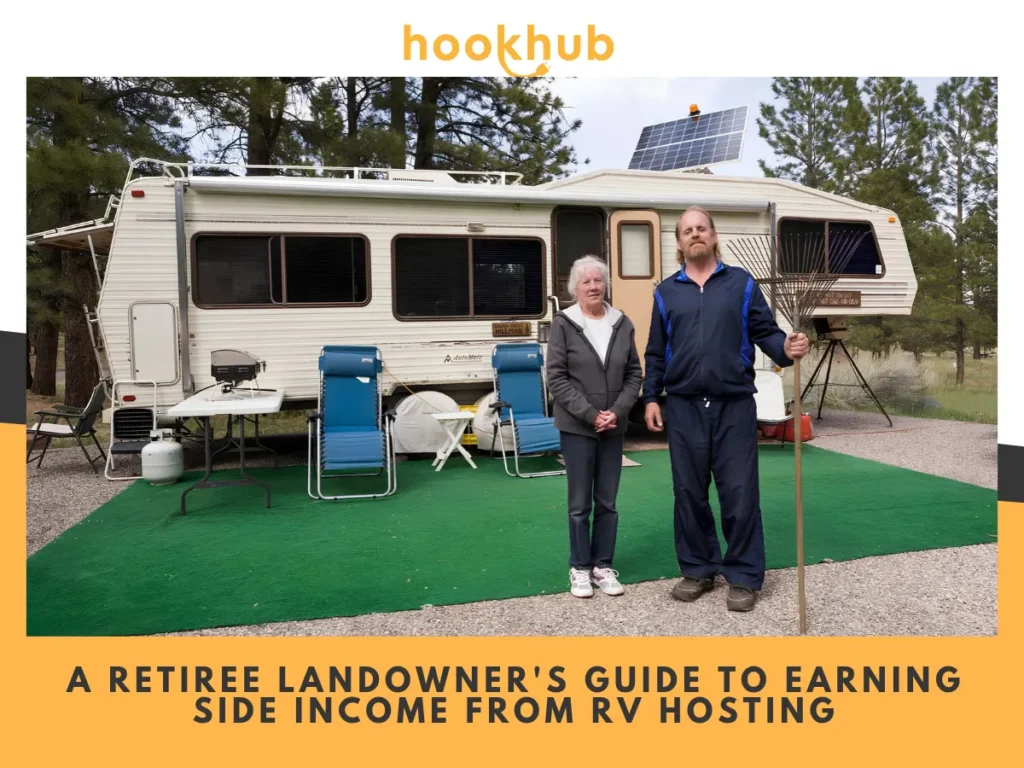
Suburban RV hosting can create additional property income without the cleaning, furnishings, and frequent turnover associated with many vacation rentals. But it isn’t completely passive.
Hosts still need to manage bookings, communicate with guests, maintain the parking area, monitor utility usage, and address occasional problems.
Your earning potential depends on the location, hookups, demand, and number of nights the site is actually occupied.
For example, consider a suburban host offering one RV site at a monthly rate of $750.
- 3 occupied months: $2,250 in gross booking revenue
- 6 occupied months: $4,500 in gross booking revenue
- 9 occupied months: $6,750 in gross booking revenue
- 12 occupied months: $9,000 in gross booking revenue
These are illustrative figures, not guaranteed earnings. They also exclude platform fees, utilities, maintenance, insurance, taxes, and any upfront improvements.
The important question is whether the property can attract enough suitable bookings to justify the costs of preparing and operating the space.
A host who already has a usable driveway and appropriate utilities may have a very different financial opportunity from someone who needs to install a new electrical connection, build a parking pad, or extend sewer service.
Longer bookings can reduce turnover and provide more predictable income, but monthly pricing may also be lower than the equivalent nightly rate.
For a more detailed breakdown of pricing, operating expenses, and profitability planning, review the RV hosting budget allocation guide before setting your rates.
Where to Go From Here
Suburban RV hosting is one of the most accessible ways property owners can generate income from underutilized land.
The process doesn’t require a farm, a ranch, or extensive campground infrastructure.
It starts with understanding your property, verifying local regulations, evaluating access, and identifying the location advantages that already exist.
If your lot checks the access, parking, and utility boxes and sits near destinations travelers already want to visit, you may have an opportunity to generate rental income from land that’s currently underutilized. Many suburban hosts are surprised to discover that a simple driveway, electrical connection, and convenient location are enough to attract bookings.
Start small. Create your host listing, learn from your first guests, and improve gradually as demand grows.
Many successful hosts began with a single parking space and a willingness to explore a new opportunity.
Frequently Asked Questions
Can I legally host RVs on my residential property?
In many cities, yes. However, regulations vary significantly between municipalities. Always verify local zoning requirements, permit rules, and residential parking regulations before listing your property.
How much can I charge for a suburban RV site?
Many suburban hosts charge between $25 and $55 per night for basic sites and between $45 and $75 per night for sites with water and electrical hookups. Rates depend on location, demand, amenities, and proximity to local attractions.
Do I need full hookups to attract bookings?
No. Many travelers are comfortable with electrical service alone, especially for shorter stays. Water hookups can increase demand, while sewer service is often optional for short-term bookings.
What is the smallest lot size that can work for RV hosting?
There is no universal minimum size requirement. The key factors are safe vehicle access, adequate parking space, clearance, and compliance with local regulations.
Do I need to be home while guests are staying?
Not necessarily. Many hosts use self-check-in systems and communicate with guests through the platform. Clear instructions and responsiveness are often more important than being physically present.