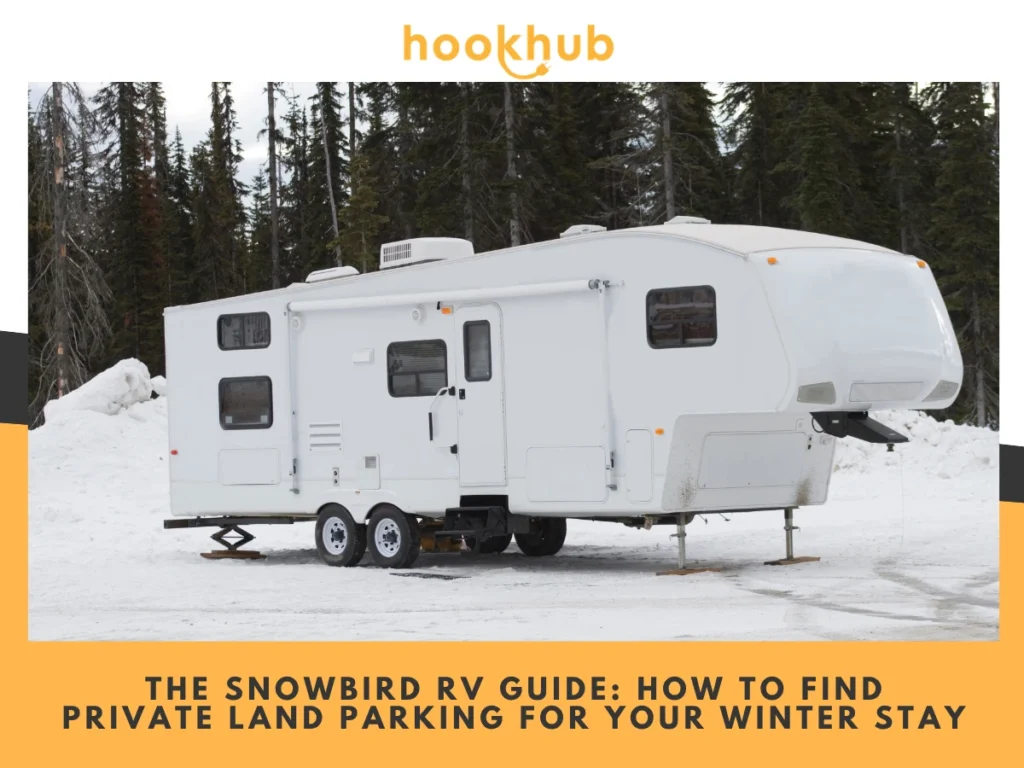
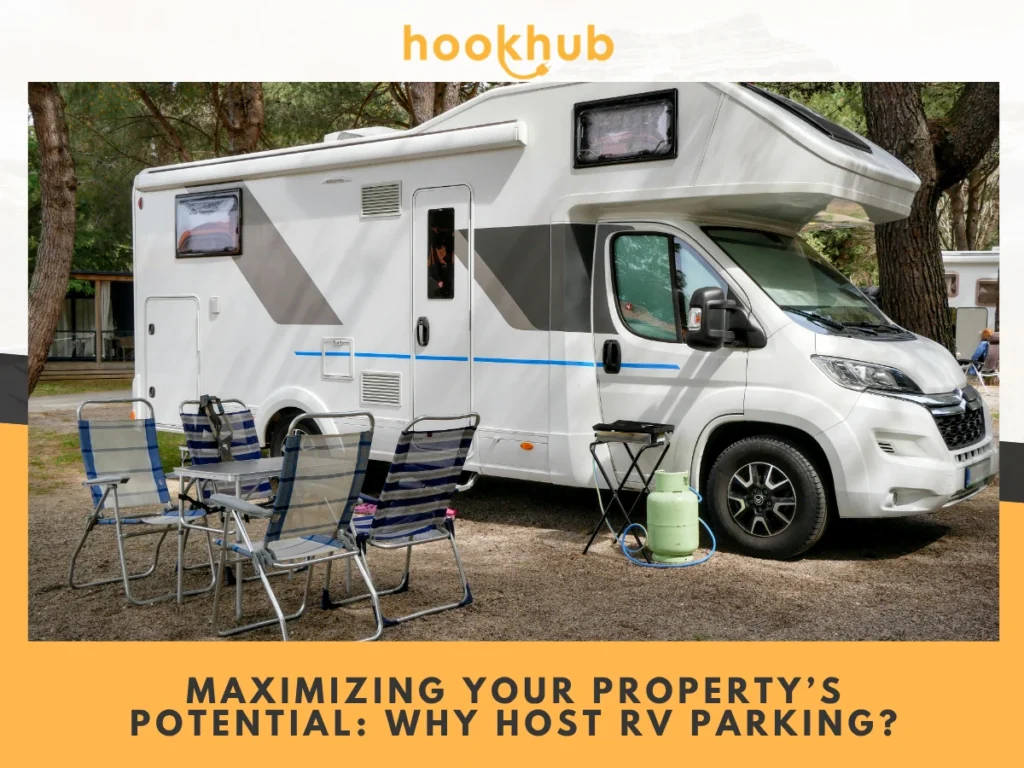

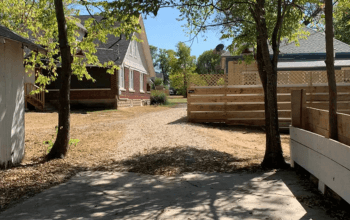
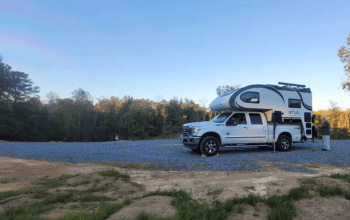
More than 8 million U.S. households own an RV, and for many RVers, winter is not the end of the travel season. It is the beginning of a months-long migration toward warmer weather, quieter surroundings, and a comfortable place to call home.
For snowbirds planning to spend the winter in an RV, the search often starts with a traditional snowbird RV resort or campground. Popular destinations in Arizona, Florida, southern Texas, and along the Gulf Coast can fill quickly, however, leaving travelers competing for seasonal reservations or paying for resort amenities they may rarely use.
Private land parking offers another option.
Instead of limiting your search to the same number of RV parks and resorts everyone else is considering, you can look for private properties with space for an RV, from rural acreage and ranches to lakeside lots and land located near popular winter destinations.
This guide explores how to find private land parking for a winter stay, what amenities and utilities to look for, how monthly rates compare, and what to confirm before booking your seasonal home base.
Key Takeaways
- Private land parking can cost less than an RV resort because you are paying primarily for the site and available utilities rather than shared resort amenities you may never use.
- Longer stays may be easier to arrange directly with a landowner, making private sites worth considering for snowbirds who want to stay for several weeks or months.
- Utility access varies significantly by property, so confirm water, electric, sewer, Wi-Fi, and cell coverage before booking.
- The right site depends on your winter lifestyle, including whether you prioritize privacy, nearby attractions, resort-style recreation, or direct access to outdoor activities.
- Using a structured booking service with host and guest verification can reduce uncertainty when arranging an extended stay on private property.
Why Snowbirds Are Looking Beyond the Traditional RV Resort
The classic snowbird RV lifestyle has long centered around RV parks and resorts in warm-weather destinations. For many travelers, these communities are exactly what they want.
A full-service snowbird RV resort may offer a swimming pool, hot tub or Jacuzzi, clubhouse, pickleball, a golf course, basketball courts, a dog park, a playground, and organized recreation. Some larger properties also offer two hot tubs, a pavilion, complimentary Wi-Fi, and a nice pool to enjoy throughout the winter months.
Those amenities have value, particularly for RVers who want an active social environment. But they also become part of the cost of staying there.
If your ideal winter involves a spacious site, fewer neighbors, room for your dog, and a quieter place to park your motorhome or camper, paying a resort premium for amenities like a pool and hot tub may not make sense.
Popular snowbird corridors also fill quickly. Top-rated RV parks in Arizona, southern Texas, Florida, and coastal communities along the Gulf Coast can receive seasonal bookings months in advance. Site selection may become increasingly limited as winter approaches, particularly for larger RVs that require pull-through sites or sites that are several feet wider than a standard parking space.
Private land expands the search beyond established RV camping destinations.
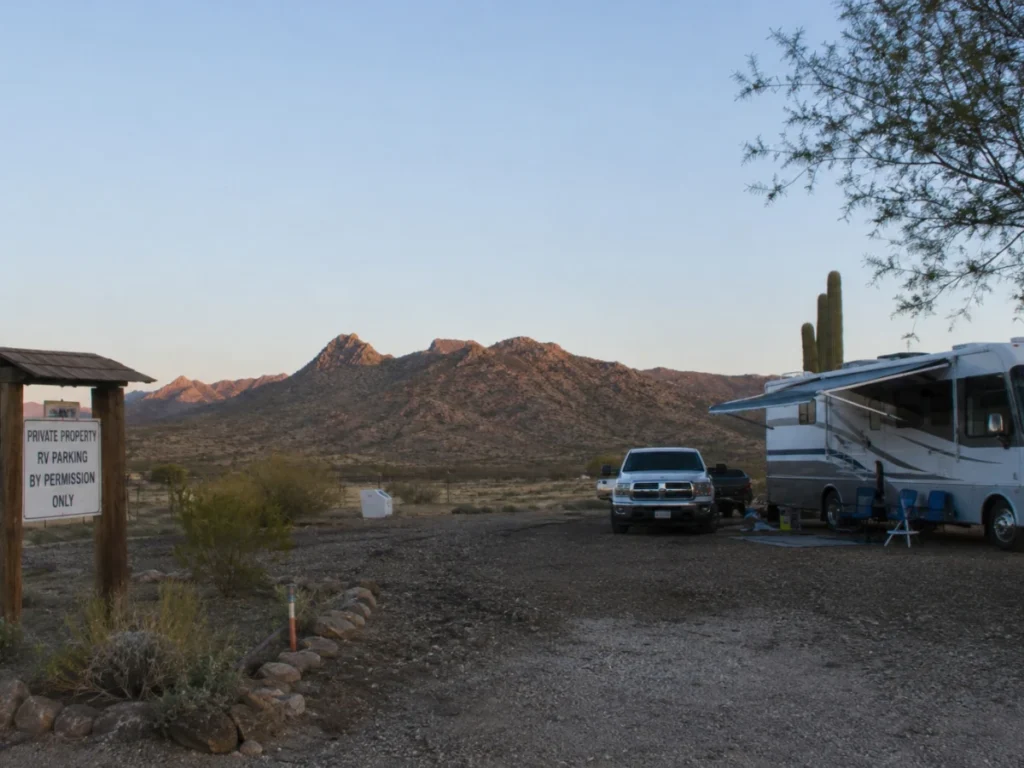
A landowner with suitable acreage may be able to accommodate one RVer or several RV sites without operating like a conventional campground. Depending on the property, that can mean more room, a quieter environment, flexible extended-stay arrangements, and easier access to destinations that may not have many traditional RV parks nearby.
“Snowbirds should be able to choose a winter home base based on how they actually want to live, not simply on which campground still has a site available. Private land gives RVers another way to find the space, location, and flexibility that fit their season.”
Caylee Shea Harrington
Private Land Parking vs. a Snowbird RV Resort
Choosing between a private site and a traditional resort is less about finding one universally better option and more about deciding which experience matches your priorities.
A snowbird RV resort typically offers a larger collection of shared amenities. You may find a clubhouse, swimming pool, hot tub, dog-friendly areas, recreation programs, pickleball courts, and organized activities running day and night. Friendly staff and an on-site front office can also make resort living convenient.
Private land offers a different kind of value.
Instead of being surrounded by dozens or hundreds of RVs, you may have a spacious site on a ranch, farm, homestead, or rural property. Some locations may sit near a state park, lake, coastal attraction, or small town, while others provide easy access to an interstate for frequent day trips.
For many snowbirds, the choice comes down to this:
Choose an RV resort if: you want organized recreation, a social community, resort amenities, and services available on-site.
Consider private land if: you value privacy, space, flexible monthly RV arrangements, a quieter home base, and the ability to explore locations outside established resort corridors.
Neither option is automatically better. The right choice depends on how you want to spend the winter.
What Amenities Should You Expect at a Private Snowbird RV Site?
Private RV sites generally focus on practical amenities rather than resort-style recreation.
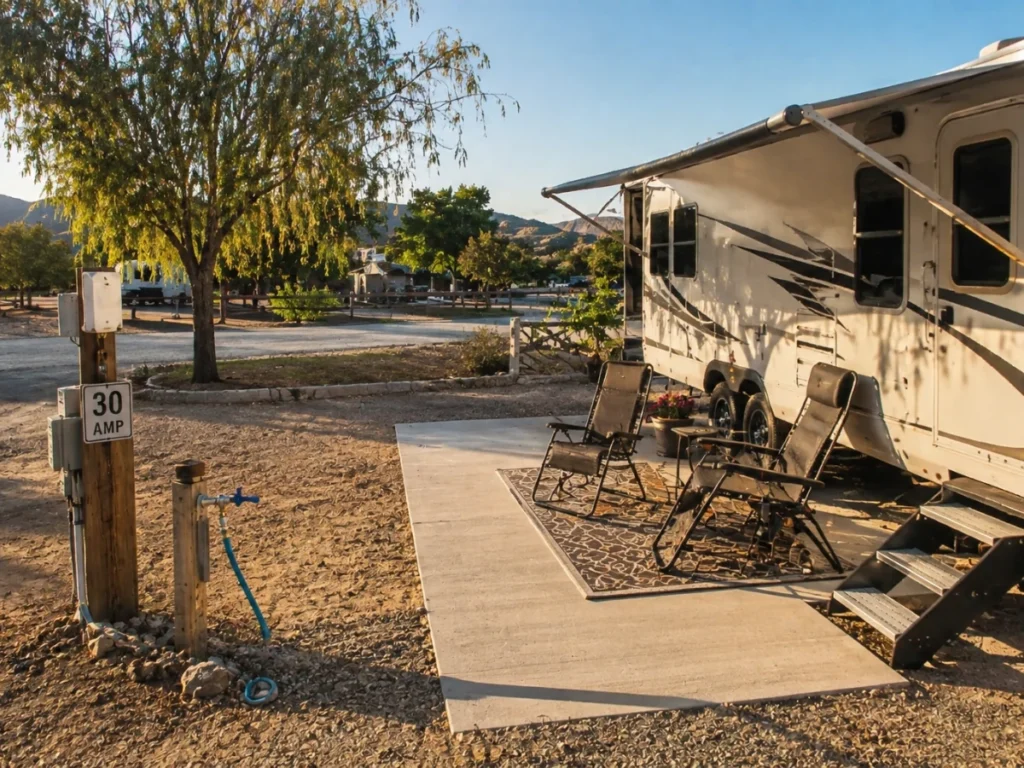
You should not automatically expect amenities like a golf course, swimming pool, two hot tubs, pickleball courts, or a clubhouse unless the listing specifically says they are available. Instead, private land tends to prioritize the features that make extended RV living comfortable.
These may include:
- Level parking for your RV
- Water access
- 30-amp or 50-amp electric service
- Sewer or septic access
- Full-hookup service
- Wi-Fi or nearby internet access
- Gravel or concrete pads
- Space for pets
- Room for an additional vehicle
- Outdoor areas for sitting or recreation
Some properties may also offer features that are difficult to find at a conventional RV park. A lakeside site, for example, could provide direct access for a kayak or small boat. A rural property might offer walking space, open views, or access to nearby outdoor recreation.
The amenities available will depend entirely on the site location and landowner.
That makes reading the listing carefully and asking questions before booking especially important.
What to Check Before Booking a Winter RV Site
Booking a site for several months requires more research than finding somewhere to park for a weekend. Before committing to a seasonal stay, confirm the details that will affect your daily RV living experience.
Confirm the Hookup Type
Ask whether the site offers full-hookup service, water and electric only, or dry RV camping.
For snowbirds planning to stay for several months, electric and water access can make everyday life considerably easier. Sewer access is also valuable, although some RVers are comfortable using a nearby dump station depending on how frequently they need service.
If the property offers electrical hookups, confirm whether the service is appropriate for your RV.
Ask About Utility Costs and Limits
Monthly rates do not always include every utility.
Some hosts may include water and electricity in the rental price, while others charge separately based on usage. Rural properties may also rely on well water, septic systems, or electrical infrastructure with specific capacity limits.
Ask exactly what is included before you book.
A clear conversation about utilities at the beginning of your stay is much easier than discovering unexpected charges halfway through winter.
Check Wi-Fi and Cell Coverage
Reliable Wi-Fi has become an important amenity for many RVers, particularly those who work remotely.
Do not assume a rural property has strong internet service simply because the listing says Wi-Fi is available. Ask about connection reliability and, if possible, check your mobile carrier’s coverage for the area.
For remote workers, having both Wi-Fi and dependable cellular service can provide a useful backup.
Consider Ground Conditions
A pristine grass site can look beautiful in early summer and behave very differently after several days of winter rain.
Ask whether the parking area consists of grass, gravel, asphalt, or concrete pads. You should also ask about drainage and road access, particularly if you have a large motorhome or fifth wheel.
If your rig requires a wide turning radius, confirm that the entrance and parking area can accommodate it.
Confirm Your Site Type
Some properties may offer pull-through sites, while others require backing in.
For larger RVs, knowing this before arrival can prevent a difficult parking situation. Ask about site dimensions, overhead clearance, road width, and whether there is enough room to maneuver.
Your needs may also change depending on site location, so provide the host with your RV’s exact length and type before confirming the booking.
Is It Legal to Park an RV on Private Land Long-Term?
Long-term RV parking rules depend on local zoning regulations and how the property is being used. Because these requirements can vary by jurisdiction, RVers should check with the appropriate city or county government before committing to an extended stay.
Some counties allow RVs to remain on private property for extended periods, while others regulate how long an RV can be occupied or whether multiple RVs can stay on the same parcel.
For that reason, you should not assume that every large piece of private land can legally operate as a long-term RV site.
Before booking, ask the host whether extended RV stays are permitted at the property and make sure the terms of your stay are clearly documented. This is particularly important if you plan to remain for an entire winter season.
A legitimate host should be comfortable discussing stay length, property rules, utilities, payment terms, and expectations before you arrive.
Understanding Monthly Rates for Private Land Parking
Monthly rates for private RV parking vary widely.
Location is one of the biggest factors. A full-hookup site near a popular coastal destination or major snowbird corridor may cost considerably more than a dry site outside a small town.
Rates can also depend on:
- Full-hookup availability
- Electric service
- Water and sewer access
- Wi-Fi
- Site surface
- Proximity to attractions
- Seasonal demand
- Length of stay
- Space and privacy
Traditional snowbird RV parks may charge more because the resort offers additional amenities and maintains shared facilities. A monthly rate may help cover the swimming pool, hot tubs, clubhouse, recreation areas, landscaping, staff, and other services whether you personally use them or not.
Private land can offer a simpler arrangement.
You are primarily paying for a place to park and the amenities that come directly with your site. For an RVer who does not need a resort experience, that can make private parking an attractive alternative.
However, never assume private land will always be cheaper. A premium full-hookup site in a desirable location may still command a higher monthly rate.
Compare the complete cost of each option, including utilities, before making your decision.
Choosing the Best Location for Your Winter
The perfect winter location looks different for every snowbird.
Some RVers want to spend the season near the Atlantic coast of South Florida, where private RV parking in Lantana can provide a convenient home base for exploring the region. Others are drawn to Florida’s Gulf Coast and look for RV parking near Bradenton and Anna Maria Island, where coastal attractions and day trips are within easy reach.
In Arizona, snowbirds who want to stay near the Phoenix metro area can explore private RV parking in Gilbert. Travelers looking for a quieter desert setting or a home base near the seasonal activity around Quartzsite may find private RV parking in Salome better suited to their plans.
Beyond choosing a destination, your ideal home base may depend on the activities you enjoy. If you travel with a boat or kayak, a lakeside property may be worth prioritizing. If you enjoy exploring state parks, look for private sites within easy driving distance. Travelers who like frequent day trips may prefer a property located along or near an interstate.
You should also consider how close you want to be to everyday necessities.
A secluded rural site may be peaceful, but a 45-minute drive to groceries can become inconvenient during a four-month stay. Before booking, check the distance to:
- Grocery stores
- Fuel stations
- Propane services
- RV repair facilities
- Medical services
- Restaurants
- Recreation areas
- Local attractions
The goal is not simply to find somewhere your RV will fit. It is to find a location that works for the way you plan to live throughout the winter.
When Should Snowbirds Book Their Winter RV Site?
Earlier is generally better when you have a specific destination in mind.
Many snowbirds begin researching their next winter location months before temperatures start dropping. Popular RV resorts may encourage guests to book well in advance, especially if they want a specific site or plan to return year after year.
Private land can create more flexibility because you are not limited to established campgrounds. However, the most desirable sites can still become unavailable as the season approaches.
Starting your search in spring or early summer gives you more time to compare monthly rates, hookup options, site locations, and host policies.
If you are booking later, expand your search radius.
Instead of searching only for an RV park in one city, look at nearby counties and communities. A private site 20 or 30 minutes outside a popular destination may offer more space while keeping you close enough for shopping, recreation, and day trips.
How to Find the Right Private Land Site for Your Snowbird Season
Searching for private land requires a slightly different approach than searching for a traditional campground.
Start with the region rather than a specific resort.
If you want to spend the winter along the Gulf Coast, for example, identify several towns or counties that would work for you. If Arizona is your destination, consider how far you are willing to stay from larger snowbird hotspots.
Then narrow your options based on your non-negotiables.
Do you need a full-hookup site?
Are you traveling with a dog?
Do you require reliable Wi-Fi?
Does your motorhome need a pull-through site?
Would you rather be close to recreation or farther away in a quieter setting?
Clear priorities make site selection much easier.
Before booking, review photos, read available feedback, ask the host questions, and confirm the complete cost of the stay.
For an extended-stay arrangement, communication matters just as much as the physical site.
Where HookHub Fits Into Your Snowbird RV Search
Finding private land independently can involve searching scattered listings, contacting individual property owners, and trying to determine whether a site is legitimate before sending payment.
HookHub is designed to make that process more structured by connecting RVers looking for private parking with landowners who have suitable space available.
For snowbirds, that means expanding the search beyond a conventional snowbird RV park or resort without relying entirely on informal listings.
Travelers can compare available private-land options based on the features that matter for an extended stay, while verification and clearer booking expectations help reduce some of the uncertainty that can come with arranging seasonal parking directly with someone you have never met.
The goal is not to replace every RV resort.
Some RVers genuinely want the clubhouse, pickleball games, swimming pool, hot tub, and built-in social community that resort living offers. Others would rather have a spacious, quieter site and create their own winter routine.
HookHub simply gives those RVers another way to search.
Frequently Asked Questions
What is the best place for snowbirds to spend the winter in an RV?
Popular snowbird destinations include Arizona, Florida, southern Texas, and communities along the Gulf Coast. The best destination depends on your preferred climate, budget, activities, and whether you want a traditional RV resort or a quieter private site.
Is private land cheaper than a snowbird RV resort?
It can be, particularly when the private site offers basic utilities without extensive shared amenities. However, monthly rates vary by location, hookup type, seasonal demand, and property features, so compare the complete cost of each stay.
Can I stay on private land in my RV for the entire winter?
Potentially, but local regulations vary. Confirm that the property allows extended RV stays and discuss the exact length of your booking with the host before making a payment.
Do private RV sites offer full hookups?
Some do. Others may offer only water and electricity or provide dry camping. Always confirm the available utility connections before booking, especially for a stay lasting several months.
Are private RV sites pet friendly?
Many may be, particularly properties with more open space, but pet policies vary. Ask about dogs, fencing, leash requirements, and other animals on the property before booking.
How early should snowbirds book winter RV parking?
If you have a specific destination or require features such as full hookups, a large site, or reliable Wi-Fi, beginning your search in spring or early summer can give you more options. Private land may provide additional availability even when nearby RV parks and resorts are already heavily booked.
What should I ask a private landowner before booking?
Confirm the monthly rate, utility costs, hookup type, Wi-Fi and cell coverage, site dimensions, ground surface, pet policies, stay-length rules, cancellation terms, and access conditions. If you have a large RV, also ask whether the site is pull-through or back-in and whether there is enough room to maneuver safely.
Find a Winter Home Base That Fits the Way You Travel
Spending the winter in your RV does not have to mean joining a resort waitlist or parking in a crowded row of rigs simply because those are the most visible options.
Start with the region where you want to spend the season. Decide which amenities you actually need, determine your monthly budget, and compare traditional RV parks with private-land options.
If a swimming pool, clubhouse, hot tub, and organized recreation are important to your winter lifestyle, a snowbird RV resort may be worth the premium. If you would rather have more space, fewer neighbors, and a quieter home base, private land may be the better fit.
HookHub helps RVers discover private landowners offering space for RV stays, giving snowbirds another option when planning where to park for the winter.
The best winter site is not necessarily the biggest resort or the one with the longest amenity list. It is the place that gives you the location, utilities, comfort, and flexibility you need to settle in and enjoy the season.