


More than 60,000 eviction cases were filed against park residents in Florida alone between 2012 and 2022, and the top 100 parks, fewer than 3% of the total, accounted for over 30% of all filings. That’s one state, one decade. Pull the thread nationally and a small number of repeatable causes explain almost every case.
Key Takeaways
What Does the Data Say About How Often This Happens?
It happens often enough to have a measurable pattern, not just anecdotes. Florida’s eviction-filing data shows park residents face a lower baseline eviction rate (1.5%) than average renters (5%), but that rate spikes past 6% in high-turnover regions like Jacksonville and Gainesville, more than triple the 1.5% statewide park-resident average.
The clearest predictor isn’t rent nonpayment. Its ownership change: eviction filings rose 40% in the months following a park sale.
Sorting the seven cases in this piece by cause (not by location or date) shows the same four patterns repeating across California and two Canadian provinces, Alberta and British Columbia, not one region’s problem.
Florida’s decade of data backs this up at scale too: EvictionLab estimates at least 127 parks and more than 6,000 units were lost to closures statewide between 2012 and 2022, and the true number may be higher since not every closure gets tracked.
Pattern One: Cities Banning Long-Term Parking Outright
Fremont, California’s city council unanimously passed a 72-hour street-parking limit on November 15, 2024, banning long-term RV parking in residential areas with no relocation plan attached, after a resident documented 41 RVs on a single street (CBS News San Francisco, retrieved 2026-08-01). Calgary took a softer version of the same approach: the Calgary Parking Authority issued nine motorhome residents month-long, cost-free permits in October 2024 rather than a permanent ban, but residents remained in month-to-month limbo into 2026.
Pattern Two: Safety and Infrastructure Shutoffs
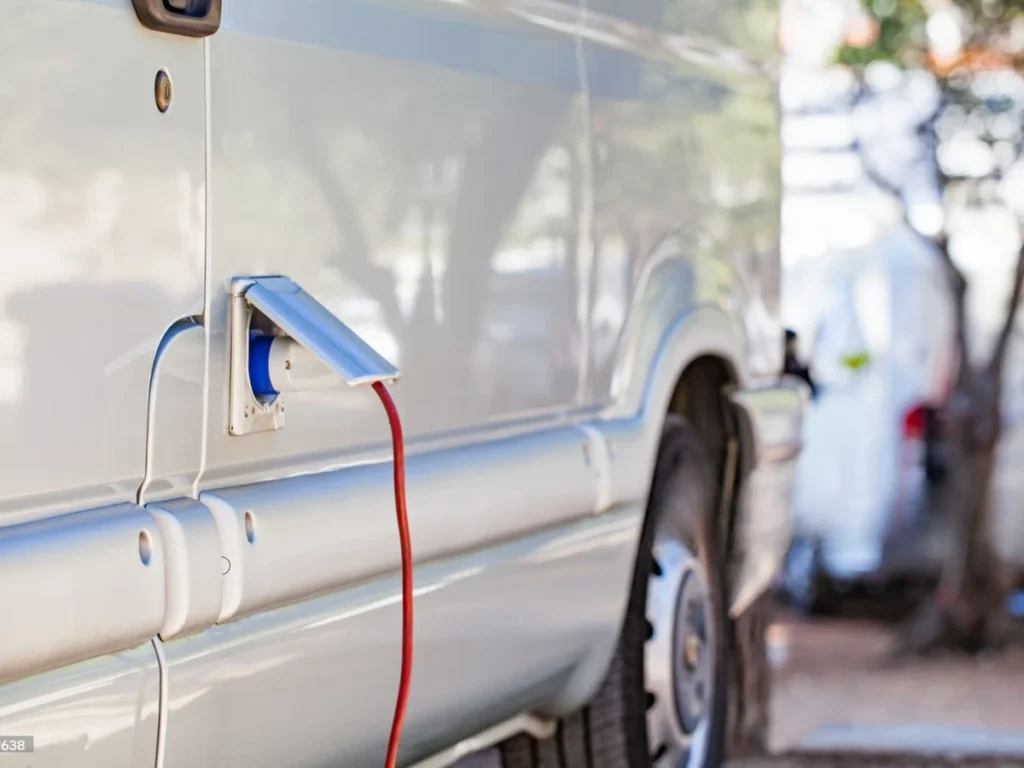
At Lark Spa Mobile Home & RV Park in Niland, California, county inspectors ordered an unpermitted electrical line de-energized on July 14, 2026, cutting power to dozens of low-income senior and disabled residents during triple-digit heat with no repair timeline. Unlike a ban or a sale, this pattern displaces residents without any closure notice at all. The infrastructure simply stops working.
Recognizing this pattern early matters, so here’s what to do if your park closes or shuts off utilities.
Pattern Three: Sale-Driven Redevelopment
This is the most common cause in the data, and it shows up at every scale. Orangeland RV Park in Orange, California, family-run since 1972, is being sold for expected condominium redevelopment, with residents like Gracie Coviello describing the replacement search as “like trying to find a hotel during the Super Bowl”. In Surrey, British Columbia, roughly 100 long-term residents, many of them seniors, faced eviction after the park owner announced closure plans, with the site slated to shut in November 2026. RV Park of San Rafael, California, first threatened closure in 2022 over a rent-control dispute; the owner agreed not to close before 2033, but individual eviction pressure continued regardless.
Pattern Four: Rolling Individual Evictions Instead of a Park-Wide Closure
Not every displacement looks like a park shutting its gates. At RV Park of San Rafael, the same property that settled its 2022 closure threat, Legal Aid of Marin represented seven individual households facing eviction in 2024 and 2025 alone, with the park’s operator using breach-of-regulation claims rather than a park-wide closure notice. This pattern is harder to see coming: there’s no single closure date to plan around, just a rising rate of individual notices.
A public-land version of the same rolling-displacement pattern played out in San Jose. The city cleared its largest homeless encampment at Columbus Park in mid-August, where more than 120 lived-in vehicles had been parked, leaving many residents with nowhere to go. Roughly 20 of those RVs relocated to the closed VTA Almaden light-rail station, only to be ordered to vacate again by October 2025, making it the fourth move in four weeks for some residents. Resident Yari Castillo summed up the fatigue: “I just feel like no one is listening. We just want our voices to be heard.”
What These Patterns Have in Common
None of the seven cases involved a resident failing to pay rent. Every one traces back to a decision the resident had no control over: a city council vote, an unpermitted electrical line, a change in ownership, or a shift in enforcement priorities. That’s the real takeaway from the Florida data too: eviction filings jump 40% after a sale, not after a missed payment.
If displacement is overwhelmingly ownership-driven and enforcement-driven rather than payment-driven, the practical defense isn’t better budgeting. It’s knowing your park’s ownership status and your state’s notice-period rules before either one changes.
What To Do If You Recognize Any of These Patterns at Your Own Park

Watch for the early signals: a change in park ownership, new “compliance” inspections, or code-enforcement activity nearby. Any of these can precede the eviction notices, not follow them. If you spot one, start researching backup options immediately rather than waiting for a formal notice. Private-land hosts near your current park are worth checking before you need them urgently, so go ahead and search long-term RV parking near you now rather than later. If you’d rather browse directly, you can also browse verified private-land RV hosts as a backup option.
Frequently Asked Questions
What’s the most common reason RV and mobile home parks evict long-term residents?
Sale-driven redevelopment, based on both the seven cases tracked here and the broader Florida dataset, where eviction filings rose 40% in the months following a park ownership change.
Do park residents get evicted more often than regular renters?
No. Eviction filings against park residents ran at a 1.5% rate in Florida in 2022, compared to 5% for average renters, though that rate more than tripled in high-turnover regions like Jacksonville and Gainesville.
Can a park evict residents one at a time instead of closing all at once?
Yes. RV Park of San Rafael, California, used individual breach-of-regulation claims against seven households in 2024-2025 rather than a single park-wide closure notice, a pattern that’s harder for residents to anticipate.
What’s an early warning sign my park might be at risk of closing?
A change in ownership is the single strongest signal in the data, since eviction filings rise 40% in the months right after a sale. New compliance inspections or code-enforcement visits are the second most common precursor across the cases tracked here.
The Bottom Line
Seven cases across California and two Canadian provinces, one Florida dataset covering a decade, and the pattern holds: displacement is driven by ownership changes and enforcement decisions, not by anything the resident did. Knowing that shifts the useful question from “did I do something wrong” to “who owns this park, and what are my state’s notice rules if that changes.”
Sources
- EvictionLab / Shimberg Center for Housing Studies, A Costly Form of Displacement: Eviction From Mobile Home Parks, retrieved 2026-08-01, https://evictionlab.org/mobile-home-parks-eviction/
- CBS News San Francisco, Fremont leaders approve ban on long-term RV parking encampments, retrieved 2026-08-01, https://www.cbsnews.com/sanfrancisco/news/fremont-leaders-approve-ban-long-term-rv-parking-encampents/
- Global News, RV dwellers in Calgary given one-month permit, forced to move, retrieved 2026-08-01, https://globalnews.ca/news/10822925/rv-dwellers-calgary-one-month-permit-forced-to-move/amp
- KYMA, Niland seniors forced from homes after county shuts off RV park power, retrieved 2026-08-01, https://kyma.com/news/imperial-county/2026/07/16/niland-seniors-forced-from-homes-after-county-shuts-off-rv-park-power/
- ABC7 Los Angeles, Orangeland RV Park residents face uncertainty as longtime Orange park prepares to close, retrieved 2026-08-01, https://abc7.com/post/orangeland-rv-park-residents-face-uncertainty-longtime-orange-prepares-close/19522753/
- CBC, Surrey, B.C., RV park residents face eviction amid closure plans, retrieved 2026-08-01, https://www.cbc.ca/lite/story/1.7330681
- Hoodline, San Rafael Trailer Park Showdown as Tenants Sue to Halt Evictions, retrieved 2026-08-01, https://hoodline.com/2025/12/san-rafael-trailer-park-showdown-as-tenants-sue-to-halt-evictions/
- KTVU FOX 2, San Rafael tenant lawsuit may determine if RV parks are mobile home parks too, retrieved 2026-08-01, https://www.ktvu.com/news/san-rafael-tenant-lawsuit-may-determine-rv-parks-mobile-home-parks
- KTVU FOX 2, RV residents eviction, VTA Almaden station, retrieved 2026-08-01, https://www.ktvu.com/news/rv-residents-eviction-vta-almaden-station