I get asked some version of this question more than almost any other:
Is now actually a good time to start hosting RVers on my land?
Usually, the person asking owns rural property — a ranch, a farm, or a few acres they are not using — and has been watching the news about fuel prices. They want to know whether the timing makes sense. Whether there is real demand in their region. Whether this is a genuine opportunity or just an interesting idea that sounds better than it turns out to be.
Here is what I have learned talking to hosts and landowners who have actually listed their property.
What Rising Gas Prices Actually Do to RV Travel
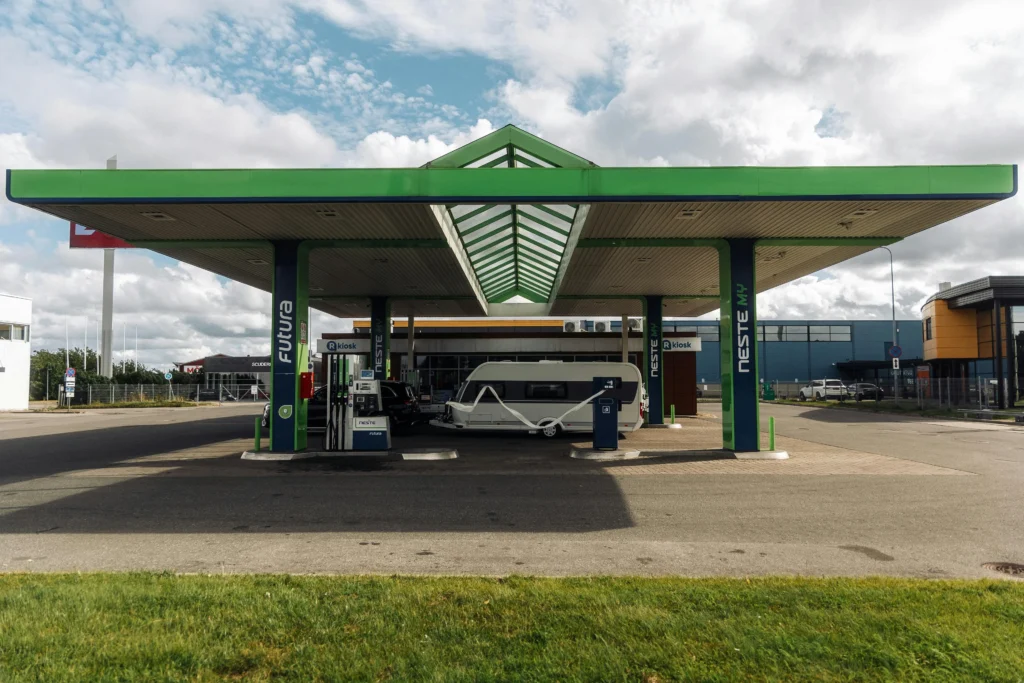
The intuitive assumption is that expensive fuel kills RV travel. If it costs more to drive, people stop driving. Fewer trips mean fewer travelers who need parking. Bad news for anyone thinking about listing their land.
The data tells a more interesting story.
According to the RV Industry Association, when fuel prices spike, RVers do not stop camping. They adjust. Specifically, 29% camp closer to home to save on fuel, and a significant portion stay longer in one location rather than covering as many miles. They slow down. They park somewhere they like and stay for a week, rather than three days before moving on.
That behavioral shift — more nights per stay, shorter distances between stops, and stronger demand for regional private land — is exactly the pattern that creates a real RV hosting opportunity for rural landowners who have never considered their property a potential income source.
The demand does not disappear when gas prices climb. It redistributes. Popular campgrounds farther from population centers lose some bookings. Regional private land gains them.
The Demand Side Is Not the Problem
If you have been paying attention to the camping industry at all, you already know that the supply of available sites is the real constraint — not demand.
The Dyrt’s 2026 Camping Report recorded 82.4 million campers in the United States in 2025, making it the second-highest participation year on record. More than half of those campers reported difficulty booking a site because campgrounds were full. More than half. That is not a demand problem. That is an inventory problem.
When campgrounds are full and fuel prices are rising, the logical traveler response is to look for alternatives closer to home. Private land — rural acreage, farm clearings, ranch parking areas — fills a portion of that gap. Not the manicured resort experience. Something different: quieter, more private, more directly connected to the land itself.
That is what travelers on Hookhub are searching for but not always finding, because the supply of private land grows slowly while demand keeps accelerating.
Two Very Different Kinds of “Hosting”
Before going further, it is worth separating two things that often get confused in the same conversation: campground host jobs and private land hosting.
A campground host position — sometimes called a work-camping or camp host job — is an arrangement where an RVer works at a campground in exchange for a free or discounted site. They register guests, perform light maintenance, handle visitor services, and keep the front of the park running smoothly. It is a job. You show up, you work a seasonal schedule, you earn your accommodation. It suits full-time RVers who want an extended seasonal stay and are comfortable with the responsibilities.
That is not what I am describing when I talk about a hosting opportunity for private landowners.
Private land hosting through Hookhub means you list your property — your farm, your ranch, your rural acreage — and RV travelers book confirmed stays directly with you. You set the pricing. You set the availability. You decide the house rules. You are not an employee of a campground, and you are not exchanging labor for a site. You are a property owner generating income from land that would otherwise sit unused.
Those are genuinely different models. Understanding what it takes to run a formal RV park versus listing unused private land makes that distinction clear. One requires substantial infrastructure and commercial operations. The other requires a listing, available space, and a willingness to host.
What Kind of Property Actually Works
One of the most common objections I hear from landowners is that their property is not set up for it. No formal sites, no electrical hookups installed, nothing that looks like a campground.
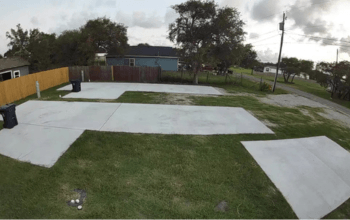
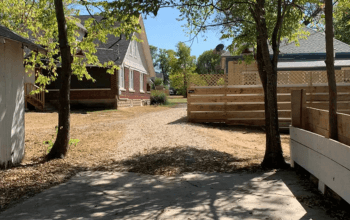
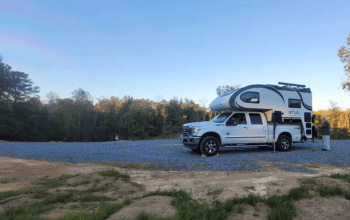
That hesitation is understandable and worth addressing directly. Generating income from a small property through RV hosting does not require campground-grade infrastructure. A cleared parking area, decent road access, and a willingness to host are the baseline for a listing. Hookups and additional amenities increase the rates you can charge and the pool of travelers who will book — but self-contained rigs, van-dwellers, and experienced boondockers are perfectly happy with a flat, accessible, private spot that is safe to sleep on.
Here is what I have seen matter most based on conversations with hosts across the platform:
Road access is the threshold requirement. If a truck-and-trailer combination cannot safely navigate your entry point, the property does not work for most RV travelers, regardless of how appealing everything else is.
Privacy commands a genuine premium. RVers who are specifically searching for private land are often trying to escape the crowded campground experience. Rural, quiet, and genuinely off the commercial path is a competitive advantage, not a limitation.
Location relative to demand corridors determines volume. A property near a popular national park, along a major interstate corridor, or within a reasonable drive of a large metro area will see different booking levels than remote backcountry land. Neither is wrong — they attract different travelers at different rates.
Hookups add value but are not required to start. Properties without electrical hookups appeal to self-contained rigs and boondockers. Adding even a basic water connection meaningfully expands your eligible traveler pool.
The Real Opportunity Window
Here is the honest version of the opportunity framing: rising gas prices alone do not create RV hosting demand. The demand was already there and growing before fuel prices became a conversation. What fuel prices do is accelerate the redistribution of that demand toward shorter-haul, regional, and private land options — which benefits hosts in areas that were not previously top-tier destinations for RV travelers.
If you have been sitting on rural property and wondering whether the timing makes sense to list it, the answer is that the underlying demand justification does not require a specific fuel price to hold. The campground capacity gap, the growth in new RVers, the preference among experienced travelers for private over commercial stays — all of that exists independent of what diesel costs at the pump this week.
What gas prices add is a short-term behavioral nudge toward exactly the kinds of stays private land hosts provide: longer, closer to home, and more deeply tied to the property itself.
What It Actually Takes to Start
Listing on Hookhub does not require a business license, a commercial campground permit, or a formal hospitality operation. You submit your property, describe what is available, set your pricing and availability, and the platform handles booking and payment. The commitment is lighter than most landowners expect.
The most practical first step is to walk your own property with an RV traveler’s eye. Can you access the cleared area from the road? Is the ground level enough to park on? Is there enough privacy from neighboring properties to make the stay feel genuinely secluded?
If the answers are yes, the listing exists. The demand is already there.
List your land as a Hookhub host and see what travelers in your region are searching for.
FAQ
Do I need hookups or a formal campsite to list my property?
No. Many Hookhub hosts list simple, cleared parking areas without electric or water connections. Self-contained rigs and experienced boondockers regularly book properties without hookups. Adding hookups increases your rates and broadens your traveler pool, but they are not required to list and start generating income.
How does private land hosting differ from a campground host job?
A campground host position is a work-camping arrangement in which an RVer works at an established campground in exchange for accommodations. Private land hosting through Hookhub means you are a property owner listing your own land for RV travelers to book. You are not exchanging labor for anything — you are earning income from property you already own.
Is RV hosting seasonal or year-round?
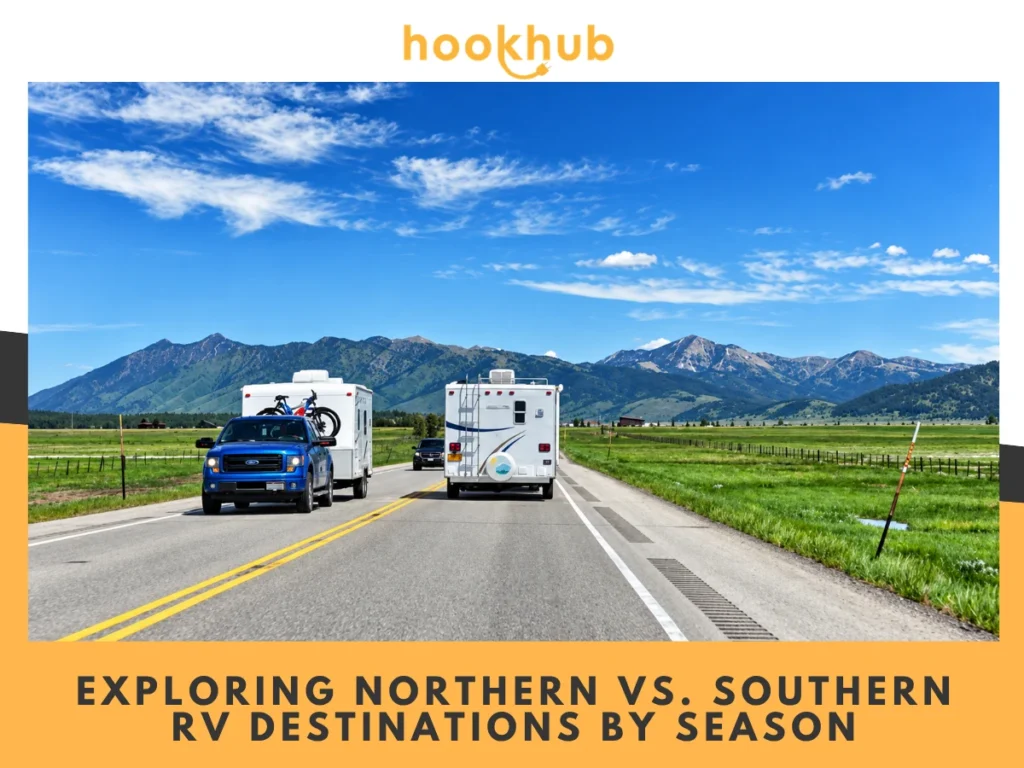
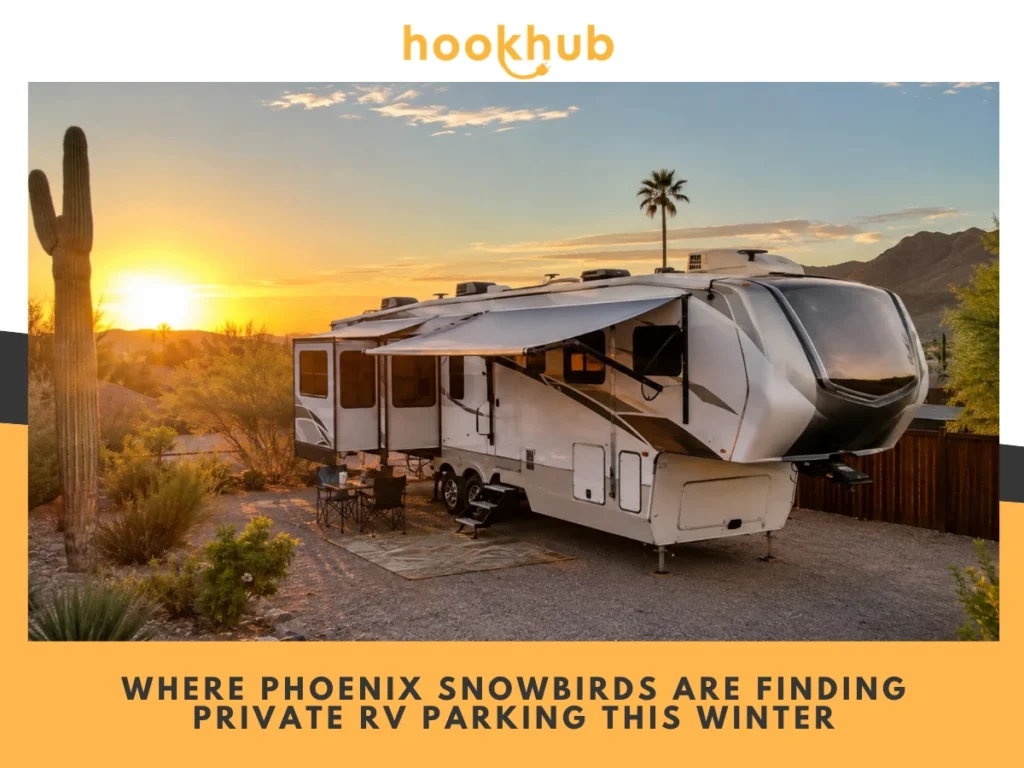
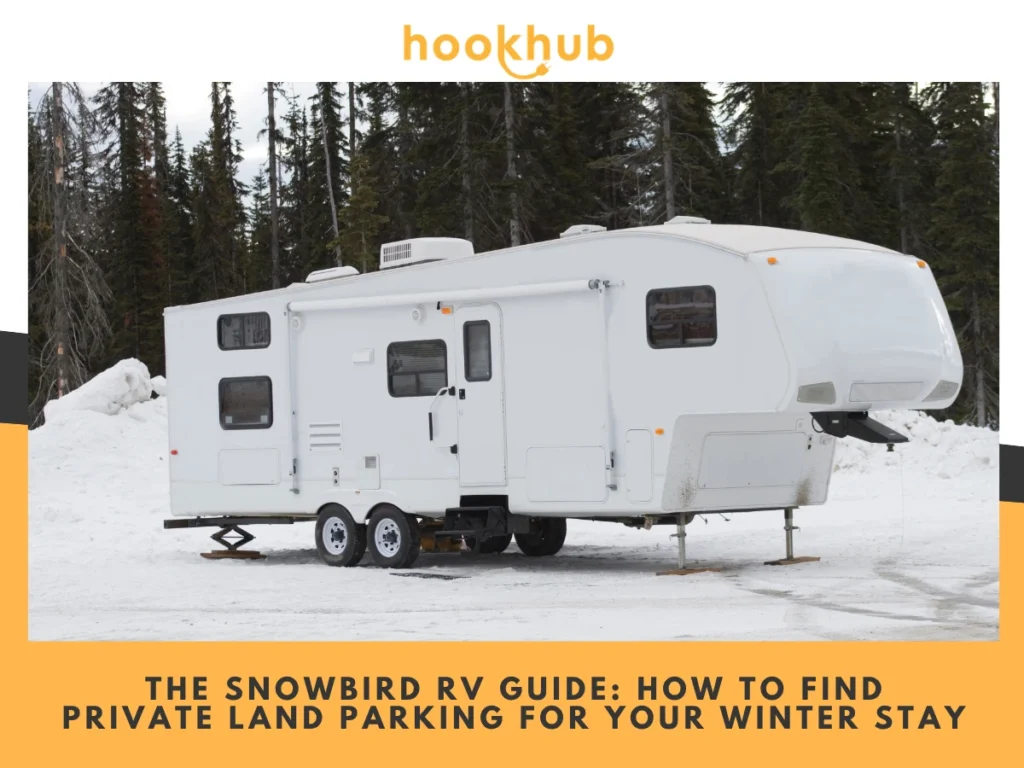
It depends on your location and the type of travelers your property attracts. In warmer-weather states like Arizona, Texas, and Florida, private land hosts see strong demand from snowbirds throughout the winter months. In northern states, summer and fall generate the most activity. Many hosts set seasonal availability and adjust pricing accordingly.