


Exploring the outdoors reminds us to protect it for the future. Sustainable practices are gaining popularity, and RV parks play a key role in promoting environmentally friendly outdoor fun.
Even small actions, like saving water or reducing waste, can greatly reduce our ecological footprint and make RV camping healthier for the planet.
Understanding the Environmental Impact of Extended RV Stays
RV travel offers freedom but comes with responsibility. Long-term stays at RV parks can increase energy use, water consumption, and waste production. Being mindful of our ecological footprint ensures we enjoy RV living responsibly.
Common Environmental Challenges at RV Parks
- High energy demands due to RV appliances and systems
- Water consumption for drinking, cooking, and hygiene
- Waste generation, including graywater and solid waste
Typical RV Resource Usage
| Resource | Average Daily Usage | Potential Environmental Impact |
| Water | 50–100 gallons/day | Strain on local water resources, potential for water waste |
| Energy | 10–20 kWh/day | Dependence on non-renewable sources, greenhouse gas emissions |
| Waste | Variable | Contribution to landfill waste, potential pollution if disposed improperly |
Benefits of Adopting Sustainable Practices
Eco-friendly habits help protect the environment and improve RV living:
- Reduced energy consumption via energy-efficient appliances
- Water conservation through low-flow fixtures and responsible usage
- Minimized waste via recycling and composting
Staying connected doesn’t have to harm the planet—opt for efficient, eco-friendly setups like the best RV internet options that balance bandwidth with sustainability.
By understanding the environmental impact of our RV stays and adopting sustainable practices, we can enjoy RV travel responsibly. This way, we protect the environment while enjoying our travels.
Essential Eco-Friendly RV Camping Principles
RV camping connects us to nature while giving us the responsibility to protect it.
Sustainable RV hosting isn’t just about protecting nature—it’s strategic community design. When you invest in eco-friendly infrastructure, you’re quietly filtering for guests who share your values. The solar panels and conservation practices that reduce your footprint are simultaneously building your most valuable asset: a community that cares for your land as much as you do. – Caylee Shea Harrington, CEO of HookHub
Leave No Trace Ethics for Stationary RVers
Even when parked long-term, remember you’re a visitor:
- Properly dispose of trash and recyclables
- Use designated campsites and facilities
- Respect noise levels and fellow campers
Reducing Your Carbon Footprint While Parked
- Use energy-efficient appliances and LED lighting
- Consider renewable energy sources like solar power
For guidance on preparing your RV for seasonal changes, check out our adaptation tips for extreme weather.
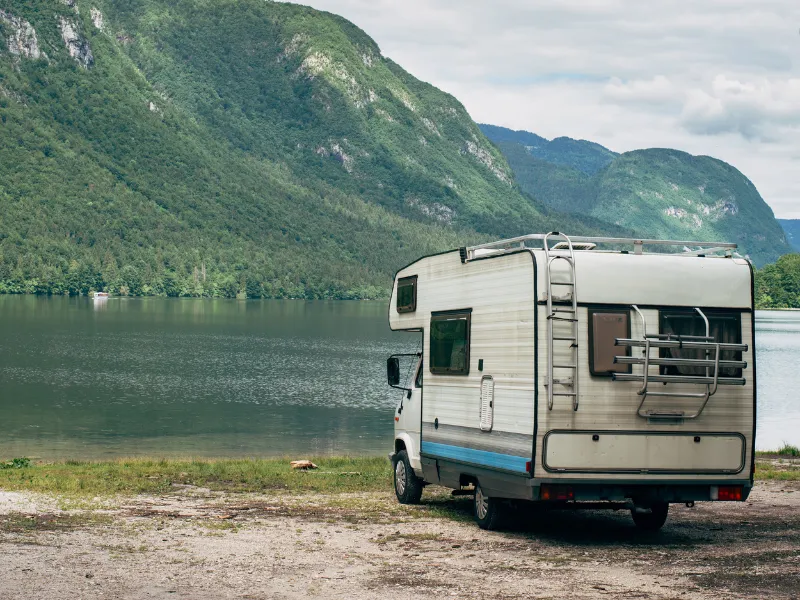
Sustainable Habits for Seasonal and Full-Time RVers
Living sustainably while traveling or staying long-term in an RV requires small but consistent actions that add up over time.
Some effective habits include:
Use low-flow showerheads and faucets
These fixtures reduce water consumption without compromising comfort. Even small changes, like shortening showers or turning off water while brushing teeth, can save dozens of gallons each week, helping conserve local water resources.
Choose products with minimal packaging
Opt for items packaged in recyclable materials or buy in bulk to reduce single-use plastics. For example, bring refillable containers for soap, shampoo, and detergents, and choose eco-friendly cleaning products that are biodegradable.
Recycle consistently
Set up a dedicated space in your RV for recyclables such as paper, plastic, and aluminum. Check local recycling rules at each park to ensure compliance. Consistent recycling reduces landfill waste and supports a circular economy, making your RV lifestyle greener.
Additional tips
Consider using reusable utensils, cloth napkins, and metal or bamboo straws. Replace disposable water bottles with refillable ones. Small daily decisions like these help make your RV life more sustainable without sacrificing convenience.
Renewable Energy Solutions for Long-Term RV Living
Switching to renewable energy helps reduce reliance on fossil fuels, lowers energy costs, and increases your independence while on the road.
Learn more about clean energy options and practical tips for renewable power at Energy.gov.
Solar Panel Systems
Solar panels are a popular choice for RVers because they provide clean, renewable energy directly from the sun.
Benefits include:
- Clean Energy Source: Reduces greenhouse gas emissions and your carbon footprint.
- Lower Energy Costs: Producing your own energy can significantly reduce electricity bills.
- Energy Independence: Provides power even in remote locations without hookups.
Maintenance Tips: Keep panels clean, inspect for cracks or loose connections, and ensure battery connections are secure to maintain optimal performance.
While solar power is a clean and renewable option, pairing it with one of the best RV generators ensures reliable backup energy when the sun isn’t available.
Battery Storage Options
Batteries store the energy your solar panels generate for nighttime or cloudy-day use. Common options include deep-cycle and lithium-ion batteries. Proper battery management ensures you have reliable power when needed, extends battery life, and reduces the risk of energy shortages.
Energy-Efficient Appliances and Equipment
Upgrading appliances and equipment can drastically reduce energy consumption in an RV.
Key recommendations:
Energy-efficient refrigerators: Use less electricity while maintaining optimal cooling.
LED lighting: Uses a fraction of the energy of traditional bulbs and lasts longer.
Induction cooktops: More energy-efficient than electric or gas stoves and heat food faster.
These upgrades allow you to maintain convenience and comfort while significantly lowering your energy footprint.
Water Conservation Strategies
Water conservation is essential for sustainable RV living, particularly for long-term stays.
Low-Flow Fixtures
Install low-flow showerheads, faucets, and toilets to cut water use by up to 2.5 gallons per minute. Combine with mindful habits like shorter showers and turning off water when not in use to maximize savings.
Greywater Management
Greywater comes from sinks, showers, and washing machines. Use greywater tanks or designated disposal systems to manage wastewater safely and responsibly. Always follow local rules and park regulations for greywater disposal to protect local ecosystems.
Additional Tips
Collect rainwater where possible for washing or cleaning needs.
Avoid overusing chemicals or detergents that can harm the environment when discharged into greywater systems.
Monitor water levels regularly to prevent overflow and ensure safe disposal.
Rainwater Collection Systems:
| Method | Benefits | Considerations |
| RV Roof Collection | Easy to install, reduces runoff | Dependent on RV size and rainfall |
| Designated Collection Areas | Flexible, scalable | Needs space and maintenance |
Waste Reduction and Recycling
Reducing waste in an RV is key for sustainable living.
- Organize recycling: Use small bins for paper, plastics, and metals, and empty them regularly at park stations.
- Compost food scraps: Compact methods like vermicomposting or bokashi turn waste into usable soil for gardening.
- Cut single-use plastics: Use reusable bottles, containers, cloth bags, and utensils. Buy in bulk and choose minimal packaging.
These simple steps help reduce your environmental impact, keep your RV organized, and support responsible living on the road.
For more tips, see our recycling in RVs guide and EPA’s recycling guide
Building a Sustainable Community
Engaging Fellow RVers:
Host workshops on sustainable living: Share practical tips on energy saving, water conservation, and waste reduction to inspire others.
Start a community garden: Grow herbs or vegetables together, promoting local food and hands-on sustainability.
Organize clean-up events: Keep the campground and surrounding areas clean while encouraging a culture of environmental responsibility.
Advocating for Green Initiatives:
| Initiative | Benefits | Steps |
| Renewable Energy | Cuts carbon footprint | Install solar/wind systems |
| Water Conservation | Reduces waste | Low-flow fixtures, rainwater harvesting |
| Recycling Programs | Promotes sustainability | Set up stations, educate campers |
Supporting Local and Eco-Conscious Businesses:
Shopping locally and choosing environmentally friendly products benefits both the planet and community.
Leading the Way in Sustainable RV Living
Sustainable RV living means enjoying the freedom of the road while protecting the planet. By conserving water, reducing waste, using renewable energy, and inspiring fellow RVers, we can make a positive impact on every place we visit. Small actions add up—together, we can travel responsibly and leave a lasting, green legacy.