



Keeping your RV’s fresh water tank clean is crucial for safe and healthy adventures. Without regular maintenance, bacteria, algae, and other contaminants can make their way into your freshwater tank, compromising the quality of your drinking water.
Fortunately, sanitizing the tank is simple and requires simple tools. In this guide, we’ll show you how to sanitize your RV fresh water tank step by step to enjoy clean, safe water on your next adventure.
Why You Need to Sanitize Your Fresh Water Tank
Your RV’s fresh water system provides safe, potable cooking, drinking, and showering water. Over time, if not adequately cleaned, freshwater tanks can become a breeding ground for bacteria and algae.
Regularly sanitizing your tank is key to ensuring your water system is clean and free from harmful contaminants.
Supplies You’ll Need
Gather the following supplies before you begin:
- Household bleach (unscented)
- Water hose (used for RV drinking water)
- A measuring cup
- A funnel
Step-by-Step Guide to Sanitize Your RV Fresh Water Tank
Follow these simple steps to sanitize your RV’s fresh water tank and ensure a clean water system for your travels.
Step 1: Drain the Tank
Begin by draining the fresh water tank thoroughly. Open the water drain valve and let the water run until the tank is empty. This will eliminate any stagnant water and prepare the tank for sanitizing.

Step 2: Turn Off the Water Heater
Before beginning the sanitizing process, make sure your water heater is off. Draining the tank with the heater on can cause damage. Wait for the water heater to cool down if it’s recently been used.
Step 3: Calculate How Much Bleach You Need
The general rule for sanitizing is 1/4 cup of bleach for every 15 gallons of your fresh water tank. For example, if your tank holds 60 gallons, you need 1 cup of bleach.
Tip: Too much bleach can damage the water system and leave an unpleasant taste. Stick to the recommended amount.
Step 4: Mix the Bleach with Water
Mix the bleach with a few gallons of water in a container. This will make it easier to add to the freshwater tank. Use a funnel to pour the bleach solution into the water inlet of your RV.
Step 5: Fill the Fresh Water Tank
Fill the fresh water tank with clean water until it is complete. This will help distribute the bleach throughout the entire water system, including the water pump and lines.
Step 6: Run the Water System
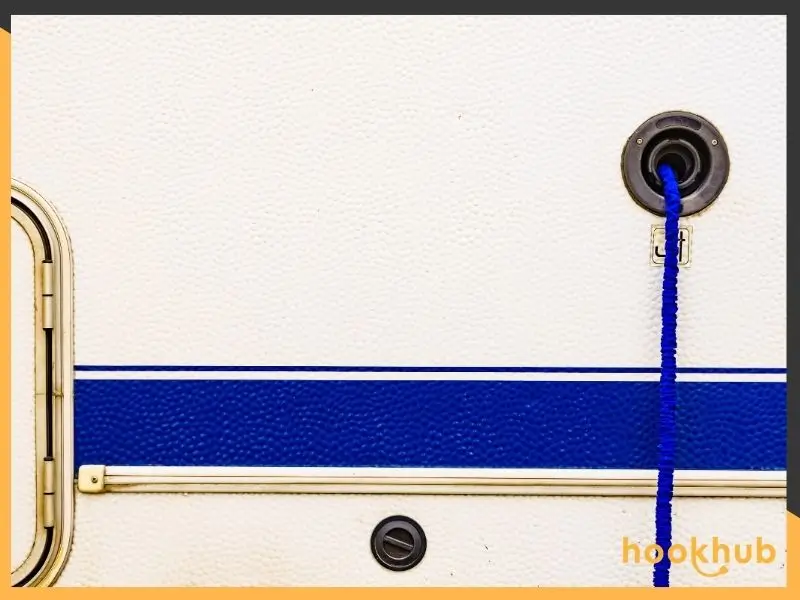
Turn on the water pump and the water at each faucet until you smell bleach. This step ensures the bleach solution reaches every part of your RV water system, including sinks, showers, and the bathroom. Don’t forget to run both hot and cold water lines.
Step 7: Let the Water Sit
Allow the bleach solution to sit in the freshwater system for at least 4–12 hours. This duration enables the bleach to eradicate any bacteria, algae, or other contaminants that might be present in the tank or water lines.
Tip: Many RV owners choose to do this overnight for convenience.
Step 8: Drain the Tank Completely
Drain the tank entirely after the bleach solution has sat for several hours. This will eliminate both the bleach solution and any eliminated contaminants.
Step 9: Refill and Rinse
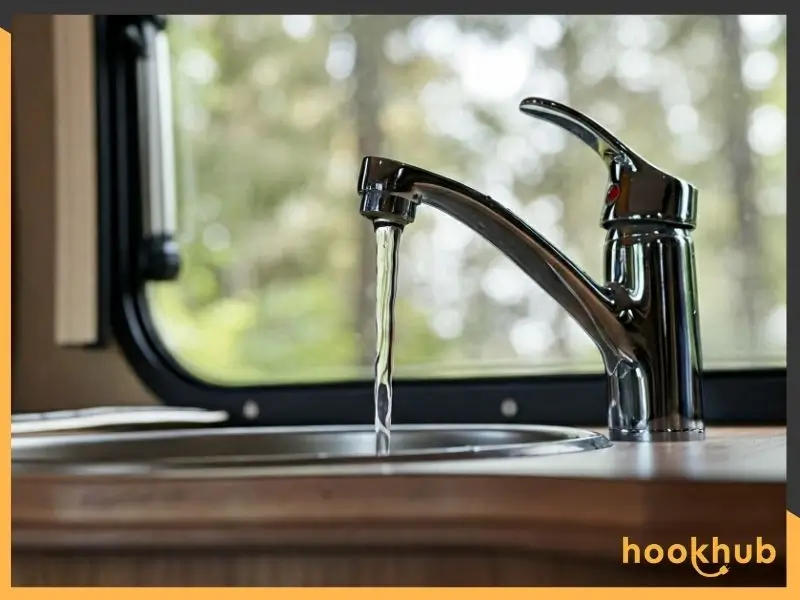
Run the faucets and refill the freshwater tank with clean water until the bleach smell disappears. You may need to refill and drain the tank multiple times to remove the bleach odor from your water system.
Tips for Keeping Your RV Fresh Water Tank Clean
- Sanitize every six months: Make it a habit to sanitize your RV’s fresh water tank at least twice a year or more frequently if you use your RV often.
- Use potable water only: Always fill your fresh water tank with potable water to avoid introducing contaminants.
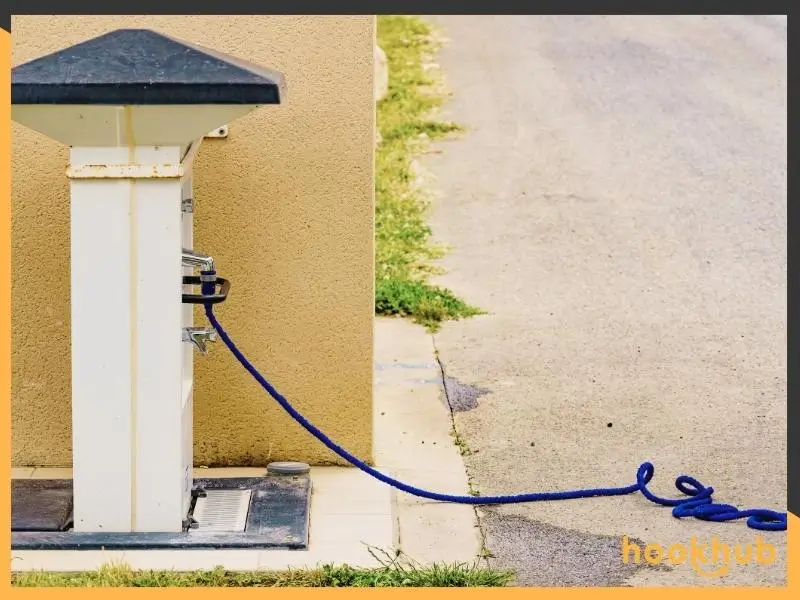
- Keep hoses clean: Use a dedicated water hose to fill your fresh water tank to prevent cross-contamination from other sources.
Common Questions About Sanitizing Your RV’s Fresh Water Tank
Q: How often must I sanitize my RV’s freshwater tank?
A: It’s recommended to sanitize your RV fresh water tank every six months or whenever the water has been sitting unused for an extended period.
Q: Can I use something other than bleach to sanitize my freshwater system?
A: There are alternatives like hydrogen peroxide or specialized RV sanitizing products. However, bleach is the most commonly used and effective way to sanitize your freshwater tank.
Q: How do I get rid of the bleach smell after sanitizing?
A: After you drain the tank, refill it with clean water and run the faucets until the bleach odor disappears. You may need to do this a few times to remove the smell.
Important Safety Notes
- Never mix bleach with other cleaning agents: this can create dangerous fumes.
- Ensure the water heater is off and cool before starting the process to prevent damage.
- Always use unscented bleach to avoid introducing unnecessary chemicals into your water system.
Benefits of Sanitizing Your Fresh Water Tank
Sanitizing fresh water tanks isn’t just about taste—it’s also about health. Clean water means fewer chances of getting sick due to contaminated water.
It also extends the life of your RV water tank and other components by preventing buildup and corrosion.
Ready to Hit the Road with a Clean, Fresh Water System?
Keeping your RV’s fresh water tank clean is vital to RV maintenance. With some bleach and time, you can make your freshwater system safe for adventures.
Clean water makes for a comfortable and enjoyable trip, no matter where the road takes you. If you’re ready for more tips on maintaining your RV and finding the perfect parking spots, check out our RV Parking page to learn more!