More than 8.1 million U.S. households currently own an RV, and the number of travelers looking for private land to park has grown steadily in recent years. For landowners with underused acreage, that creates an opportunity to generate income while providing RV-friendly places to stay.
What surprises many new hosts is that the first month rarely unfolds the way they expect. The listing goes live. There is a quiet period. Then inquiries begin arriving. Before long, a camper, motorhome, or campervan is pulling into your property asking questions you never thought to prepare for.
The opening month of RV hosting is less about perfection and more about learning. This guide walks through what most hosts experience during their first 30 days and how to navigate each stage with confidence.
Every property moves at a different pace. Some hosts may receive an inquiry shortly after listing, while others may spend their first month improving the listing and learning what local renters are looking for. Think of the weeks below as a guide for what to focus on as inquiries and bookings begin.
This content draws on patterns seen across new hosts who have listed private RV campsites through Hookhub, connecting landowners with travelers looking for unique places to camp.
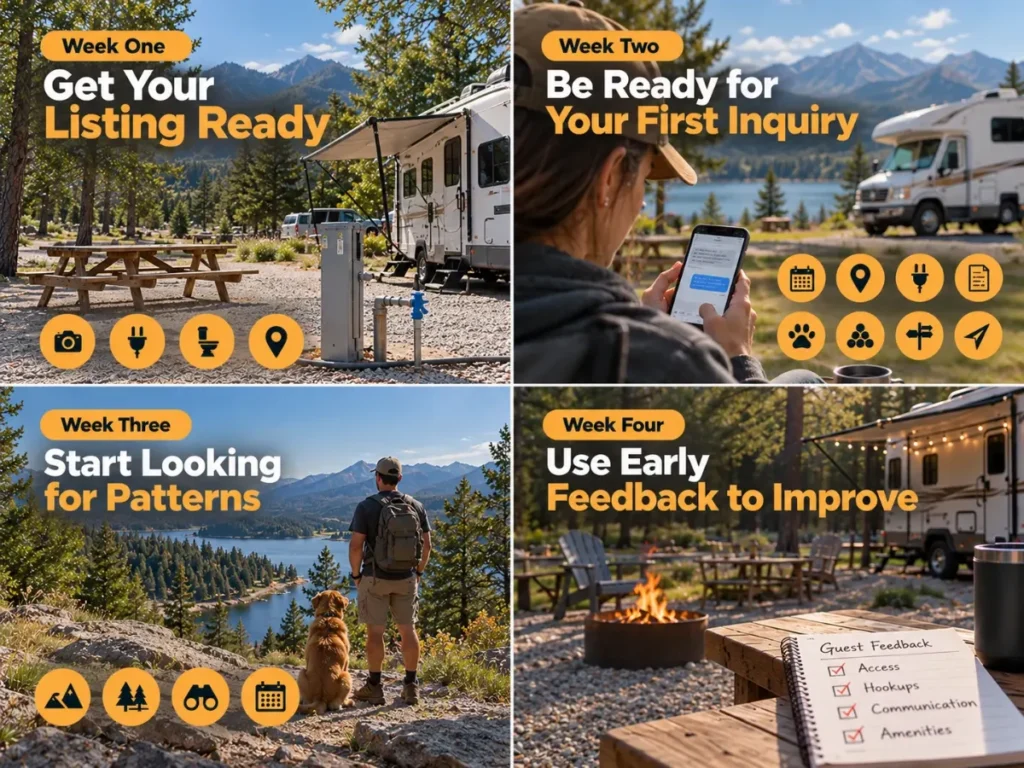
Week One: Get Your Listing Ready
Many landowners spend weeks preparing the land but far less time preparing the listing itself. In reality, your listing is what convinces travelers to book.
Start by reviewing your photos. RVers driving a Class C motorhome, towing a camper, or traveling in campervans want to see access roads, turning space, surface conditions, and available hookups. Scenic views are valuable, but practical photos often influence booking decisions more.
During the first week, use the slower pace to review your listing from a guest’s perspective.
Ask yourself:
- Is there a toilet available on-site or nearby?
- Is the campsite self-contained, or does it offer water and electric hookups?
- Are electric and water connections clearly described?
- Is the property suitable for larger RVs and motorhomes?
- Are check-in instructions easy to follow?
Providing these details upfront reduces confusion and improves the booking experience.
If you’re still evaluating whether your property is suitable for RV hosting, understanding the basics of site access, utilities, and guest expectations can help you prepare with confidence before accepting your first reservation.
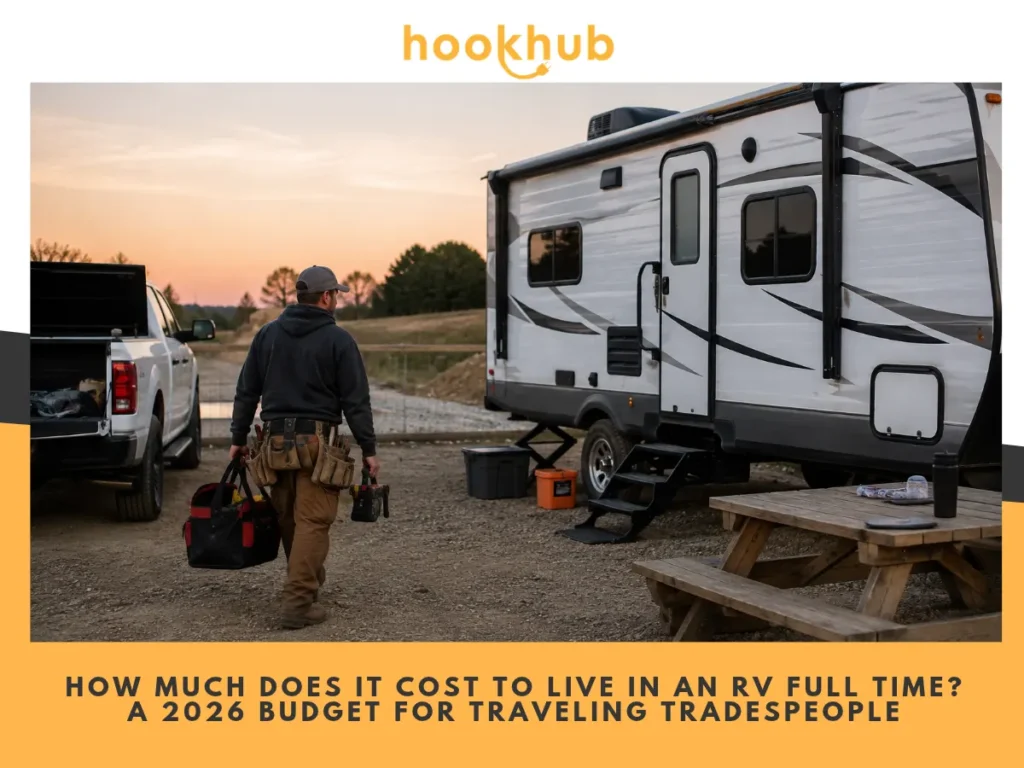
A simple amenity such as a picnic table can also increase the appeal of a campsite, particularly for travelers looking for a comfortable outdoor experience.
Week Two: Be Ready for Your First Inquiry
This is often when hosting starts to feel real.
A traveler reaches out wanting to reserve your campsite, rent a spot for the weekend, or ask questions before making a booking. Many guests are renting an RV for the first time and may require more guidance than experienced RV owners.
Response speed matters. Travelers planning an itinerary often contact multiple hosts at once. A fast response can be the difference between securing a reservation and losing it to another campground.
Your first reply does not need to be lengthy.
Focus on:
- Availability
- Arrival information
- Hookup details
- Campground rules
- Pet policies
- Firewood availability
- Property access
Many RVers appreciate receiving GPS coordinates in addition to a street address. Large RVs, campervans, and motorhomes do not always navigate accurately using standard GPS systems.
What Should I Have Ready Before My First RV Guest Arrives?
At minimum, prepare:
- GPS directions
- Check-in and check-out instructions
- Campground guidelines
- Hookup locations
- Contact information
A clear welcome document prevents misunderstandings and helps guests feel confident upon arrival.
What the First Booking Actually Teaches You
Nothing replaces real-world experience.
Before the first booking, most decisions are based on assumptions. After the first guest arrives, you begin gathering practical information.
You may discover:
- The hose connection is farther away than expected.
- The 30-amp electrical connection needs clearer labeling.
- Guests prefer parking in a different area than anticipated.
- Certain natural features create challenges after rain.
After the stay, make a short list of anything that created confusion or required extra explanation. Then separate those issues into two groups:
- Fix now: unclear directions, missing signs, inaccurate listing details, confusing hookup instructions, or other small problems that could affect the next guest.
- Watch before investing: requests for additional hookups, upgraded amenities, another RV space, or other improvements that require meaningful time or money.
That distinction matters during your first month. One guest asking for something does not necessarily mean you need to build it. If the same issue or request keeps appearing across multiple inquiries or stays, you have much stronger evidence about what is worth changing.
Walk the campsite before every arrival and imagine you are visiting for the first time. Is the hookup obvious?
Are any permit requirements clearly posted?
Are guests able to access amenities easily?
If you’re weighing the benefits of a gravel pad versus full hookups, your first few bookings can help reveal which improvements would have the greatest impact on guest satisfaction.
Many RVs vary significantly in size and maneuverability, so testing access routes can help prevent arrival-day issues.
Should I Change My Price During the First Month?
Your first month can give you useful information about pricing, but avoid reacting to every inquiry—or lack of one—with an immediate price change.
Start with comparable RV stays in your area and consider what your property actually offers, including hookups, access, privacy, location, and stay length.
Then watch what happens. Are travelers viewing the listing but not booking?
Are you receiving inquiries for dates that consistently fill?
Are longer-stay renters showing more interest than overnight guests?
Early activity is information, but a handful of inquiries is not necessarily enough to establish a pricing pattern. Give yourself time to learn what kind of demand your property attracts before making major changes.
Week Three: Start Looking for Patterns
As inquiries and bookings begin, start looking for patterns in the types of guests your property attracts. Some properties attract RV campers seeking short weekend stays. Others attract travelers looking for monthly accommodations, 30-day stays, or seasonal rentals.
In many markets, especially during snowbird season, longer stays often provide more predictable income and require less turnover than weekend bookings.
You may discover that guests are using your property as a base camp before visiting a nearby national park, state park, hiking destination, or local attraction.
Some hosts notice growing interest from travelers seeking wildlife viewing opportunities, lakeside camping, scenic drives, or access to hiking trails. Others find demand from full-time RVers looking for reliable water and electric infrastructure.
Pay attention to the questions guests ask most frequently.
Those questions reveal what matters to your market and help guide future improvements.
Before investing in upgrades, it’s worth understanding where your hosting budget will have the greatest impact. Small improvements based on guest feedback often provide more value than expensive upgrades made too early.
Great scenery may attract initial interest, but positive reviews often come from practical features such as reliable hookups, easy access, and responsive communication.
Unlike a traditional park host working in a public campground, private RV hosts have greater flexibility in how they manage guest experiences and establish property rules.
Every park’s layout creates a unique experience, and understanding your property’s strengths helps you attract the right guests.
Where Hookhub Fits Into the First 30 Days
Many new hosts assume they need a perfect setup before welcoming guests.
In reality, successful hosting is usually an ongoing process of learning and improvement.
The first few reservations help landowners understand what guests value most, which amenities create the greatest impact, and what upgrades deserve future investment.
Hookhub supports this process by providing a structured way for landowners to connect with RV travelers looking for private spots to camp. Rather than waiting until every detail is perfect, hosts can begin learning from real guest experiences and improve their listings over time.
The goal is not to create a state park or national park experience overnight. It is to create a clean, accessible, and enjoyable place for RV travelers to stay.
Week Four: Use Early Feedback to Improve
Once you’ve hosted your first stay, use the experience to improve the next one. If the guest had a positive experience, encourage them to leave a review.
Early reviews can also highlight things you overlooked. Guests may comment on access, communication, utility hookups, noise levels, or amenities that seemed insignificant to you but played a major role in their experience.
Treat early reviews as feedback, not criticism. They can help shape a better experience for future guests.
Reviews help future travelers feel more confident booking your campsite and provide valuable social proof.
A single review can influence future booking decisions more than additional photos or listing edits.
This is also the stage when many hosts begin identifying worthwhile upgrades.
Common improvements include:
- Additional electric and water access
- Improved signage
- Better campsite leveling
- Additional on-site amenities
- Expanded accommodation options
These improvements should be guided by guest feedback rather than assumptions.
Do I Need a Permit to Host RVs on My Private Land?
Permit requirements vary by location.
Some counties treat private RV hosting similarly to short-term rentals. Others classify repeated hosting activity as campground operations requiring additional approvals.
Because regulations can differ significantly from one area to another, it’s important to verify local zoning rules, permit requirements, and any regulations affecting RV camping on private property before accepting bookings. Understanding these requirements early can help you avoid surprises and host with greater confidence.
The Mindset That Makes the First Month Work
The hosts who struggle most during their first month often wait until everything feels perfect.
The campsite is not finished.
The rules are not polished.
The amenities are not complete.
So they postpone listing.
Successful hosts take a different approach. They create a safe, welcoming environment, publish their listing, and improve through experience.
Travelers are planning trips weeks and sometimes months in advance. If your listing is not visible, potential guests cannot find it.
You do not need full campground infrastructure to attract reservations.
You need:
- A safe place to park an RV
- Honest listing information
- Reliable communication
- A welcoming guest experience
Everything else can evolve over time.
If you’re unsure whether your property is ready for guests, a property suitability checklist can help you confirm that the basics are in place before welcoming your first camper.
Ready to Put Your Land to Work?
The first 30 days of RV hosting are filled with learning opportunities. Every inquiry, reservation, and review helps you understand your property better and refine the experience you provide.
For landowners interested in exploring RV hosting, Hookhub offers a structured way to connect with travelers looking for private places to stay while allowing hosts to grow their experience at a comfortable pace.
If your property has safe access, a level area for parking, and a location travelers may find useful, you may be closer to your first booking than you think.
Frequently Asked Questions
How long does it take to get the first booking as a new RV host?
There is no standard timeline for a first booking. Demand depends on your location, season, pricing, availability, amenities, and how well your property fits what local RV travelers are looking for. While you wait for that first inquiry, focus on making your listing complete and giving travelers the information they need to decide whether your property works for their stay.
What amenities do RV guests expect on private land?
Expectations vary, but common requests include water and electric hookups, clear arrival instructions, a toilet option, reliable communication, and basic amenities such as picnic areas or firewood.
Can I host RVs without full hookups?
Yes. Many travelers seek primitive or self-contained camping experiences. The key is accurately describing your setup so guests know exactly what to expect.
What type of guests use private RV campsites?
Private campsites attract a wide range of travelers, including retirees, remote workers, full-time RVers, seasonal snowbirds, and families exploring a region for an extended stay. Understanding which audience your property naturally appeals to can help you improve amenities and market your listing more effectively.