Quick Answers
- Arizona’s six national forests contain over 50 developed campgrounds, and none of them offer electric, water, or sewer hookups at individual sites
- Summer weekends fill most Mogollon Rim, Prescott, and Coconino National Forest campgrounds by Thursday evening, turning away hundreds of RV travelers who need a place to park
- Private landowners within 15-30 minutes of national forest boundaries are listing RV parking on their properties through Hookhub, earning $29 to $90 per night per site with minimal infrastructure investment
- The RV industry shipped 342,220 units in 2025, RV ownership has grown 62% since 2001, and 9.6 million households intend to purchase an RV by the end of 2026
- Listing a property on Hookhub takes minutes, requires no commercial permits in most rural Arizona counties, and the demand already exists in your area
Every summer weekend between Memorial Day and Labor Day, the same thing happens across Arizona’s national forests. RV travelers who drove two hours from Phoenix to escape the heat arrive at Mogollon Rim campgrounds, Prescott Basin campgrounds, and Coconino National Forest campgrounds to find every site occupied. The campgrounds that accept reservations were booked months ago. The first-come, first-served sites were filled by Thursday afternoon. The free dispersed camping pullouts along forest roads are taken by travelers who arrived the day before.
Those turned-away RVers do not go home. They drive back down the mountain, pull into a gas station, and start searching their phones for somewhere to park tonight. Many of them will settle for a Walmart parking lot. Some will drive an hour to the nearest commercial RV resort and pay $75 or more for a site they did not want.
If you own land within 30 minutes of any national forest boundary in Arizona, those travelers are your potential guests. And the gap between what the forest campgrounds provide and what modern RV travelers actually need is the business opportunity sitting in your driveway.
Why National Forest Campgrounds Cannot Serve Today’s RV Market
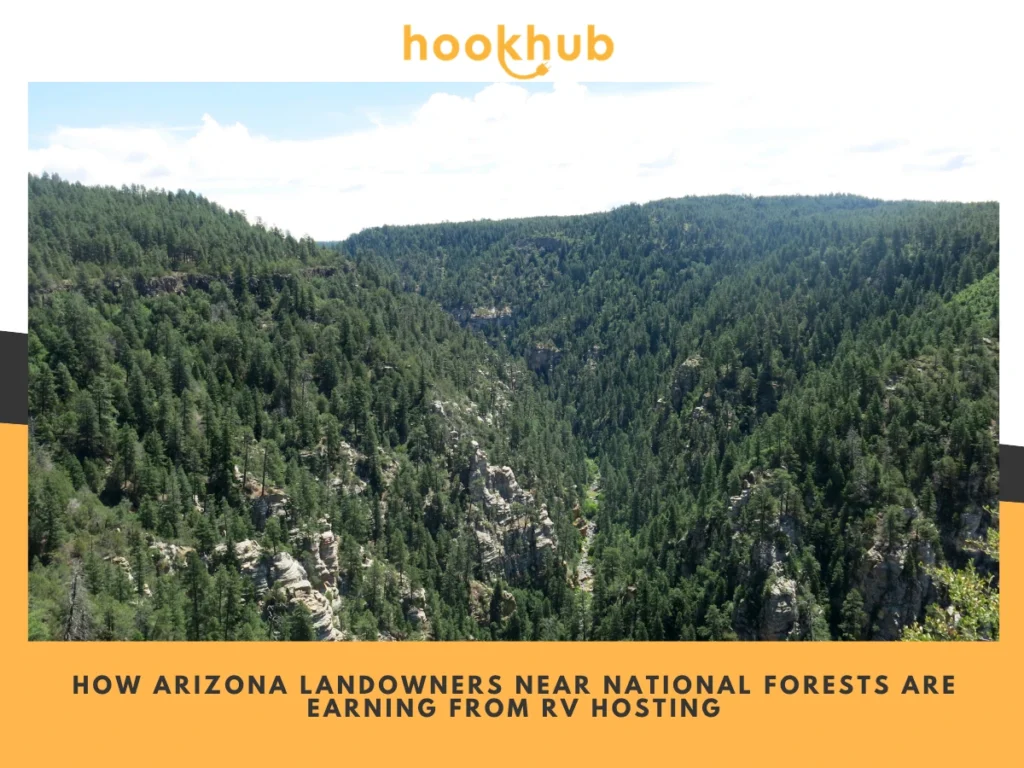
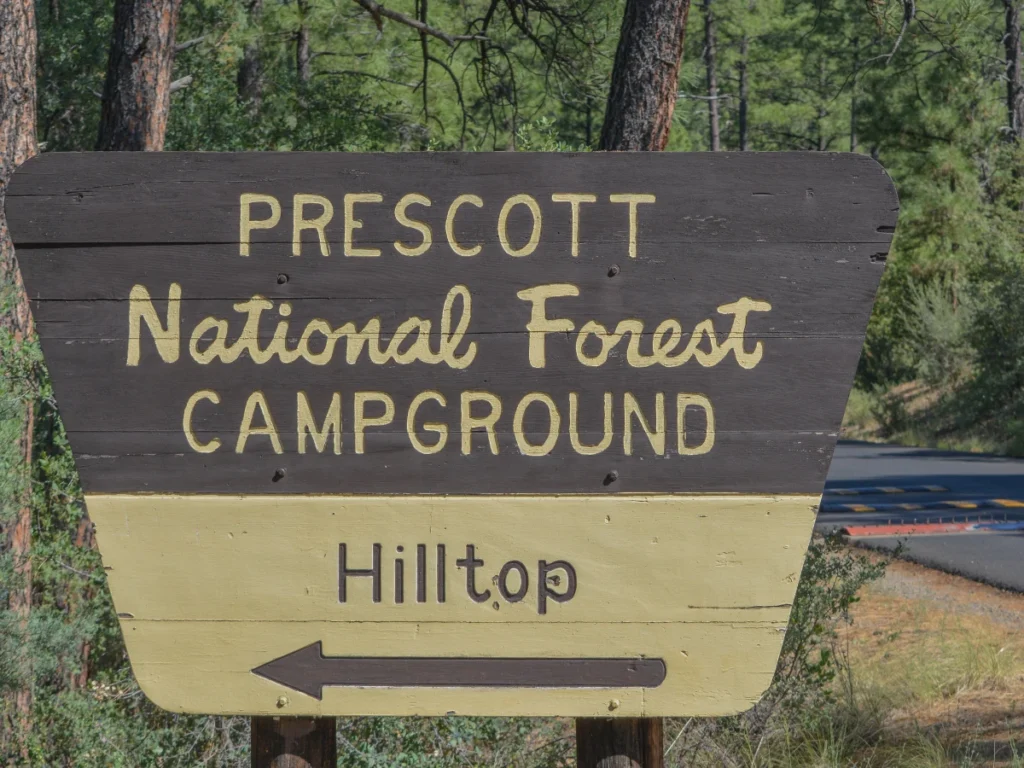
Arizona has six national forests: Apache-Sitgreaves, Coconino, Coronado, Kaibab, Prescott, and Tonto. Together, they contain over 50 developed campgrounds with thousands of individual campsites. And not a single one of those campgrounds provides electric, water, or sewer hookups at individual sites.
This is not an oversight. The USDA Forest Service campground model was designed decades ago for tent campers and small trailers that could operate without shore power. The campgrounds provide picnic tables, fire rings, vault toilets, and in some cases, potable water from a shared spigot. Dump stations exist at a few campgrounds. But the fundamental infrastructure that today’s RV travelers depend on, the 30-amp or 50-amp electric service that runs air conditioning, the water connection that fills the tank, and the sewer hookup that eliminates the dump station trip, does not exist anywhere in the Arizona national forest campground system.
The demand side of this equation has changed dramatically. According to the RVIA’s industry data, which tracks shipment volumes and economic impact across the RV sector, the industry shipped 342,220 recreational vehicles in 2025 at a retail value of $20.4 billion. RV ownership has grown 62% since 2001. An estimated 9.6 million American households intend to purchase an RV by the end of 2026. These are not tent campers. They are people who travel in vehicles that need electricity, water, and sewer to function as designed.
The forest campground system has not added hookups to accommodate them. It is not going to. And the gap between what is available and what is needed grows wider every year as more RVs enter the market.
What Arizona Landowners Near National Forests Can Offer
The properties that perform best as RV hosting sites on Hookhub share a few common characteristics, and most of them are features that rural Arizona landowners already have without any additional construction.
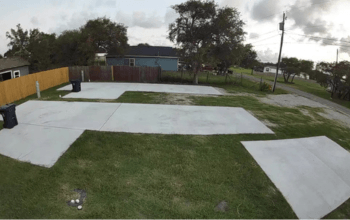
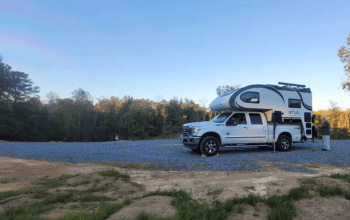
A flat, firm surface large enough to park an RV. A gravel driveway, a cleared pad on compacted desert soil, a section of ranch road, or a dedicated pull-through area on an open lot all work. The site does not need to be paved. It needs to be level enough for a rig to park without listing, firm enough to support 15,000 to 30,000 pounds, and accessible from the road without low-hanging obstacles.
Some combination of hookups. Full hookups (electric, water, sewer) command the highest nightly rates, typically $60 to $90 per night in the Arizona market. Electric and water without sewer run $40 to $70. Electric only runs $29 to $45. Even sites with no hookups at all can list successfully at $12 to $29 per night if the location is close to a popular destination, because forest campgrounds offer the same amenity level at the same price point and are frequently full.
Proximity to a national forest or popular destination. Properties close enough to enjoy the forest but close enough to buy groceries consistently outperform isolated properties because guests don’t have to choose between convenience and recreation. A property 15 minutes from a national forest trailhead and 10 minutes from a grocery store is more valuable to a traveler than a property inside the forest with no services nearby.
Privacy and space. RV travelers who choose private land over a commercial campground are specifically looking for space, quiet, and the feeling that they are a guest on someone’s property rather than a number in a campground loop. Properties with acreage, mountain views, open sky for stargazing, and separation from road noise consistently earn the strongest reviews.
What Hosts Near Arizona National Forests Are Actually Earning
The following examples are drawn from active Hookhub listings near Arizona’s national forests. These are real properties, real nightly rates, and real hosting situations.
White Mountains corridor (Apache-Sitgreaves National Forest): A working farm in Show Low with two full-hookup sites earns $73 per site per night. A pull-through site near Vernon with full hookups lists at $29 per night. A forested single-site property in Lakeside with water and electricity earns $63 per night. All three sit within 15-30 minutes of Fool Hollow Lake, Show Low Lake, and the Mogollon Rim campgrounds that fill every summer weekend.
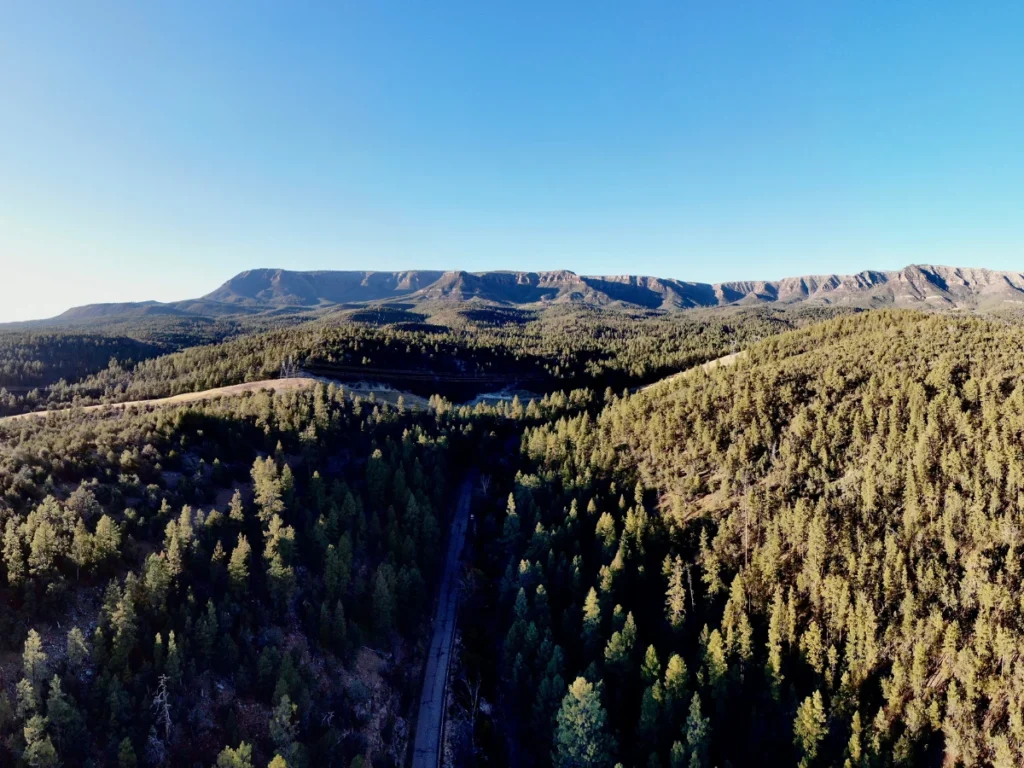
Heber-Overgaard corridor (Mogollon Rim area): A property with three OHV-friendly sites and water and electric hookups earns $68 per night per site. A second property, designed specifically for extended stays of 3 to 12 months, earns $882 to $942 per site per month with full hookups. Both sit 20-30 minutes from the Rim Lakes Recreation Area, where Spillway Campground at Woods Canyon Lake has a 16-foot trailer limit and fills months in advance for summer.
Verde Valley corridor (Coconino/Prescott National Forest): A working farm sanctuary in Cornville with full hookups earns $90 per night on a single site, positioned 15-20 minutes from Sedona and within the Verde Valley wine country where multiple wineries are visible on the listing map.
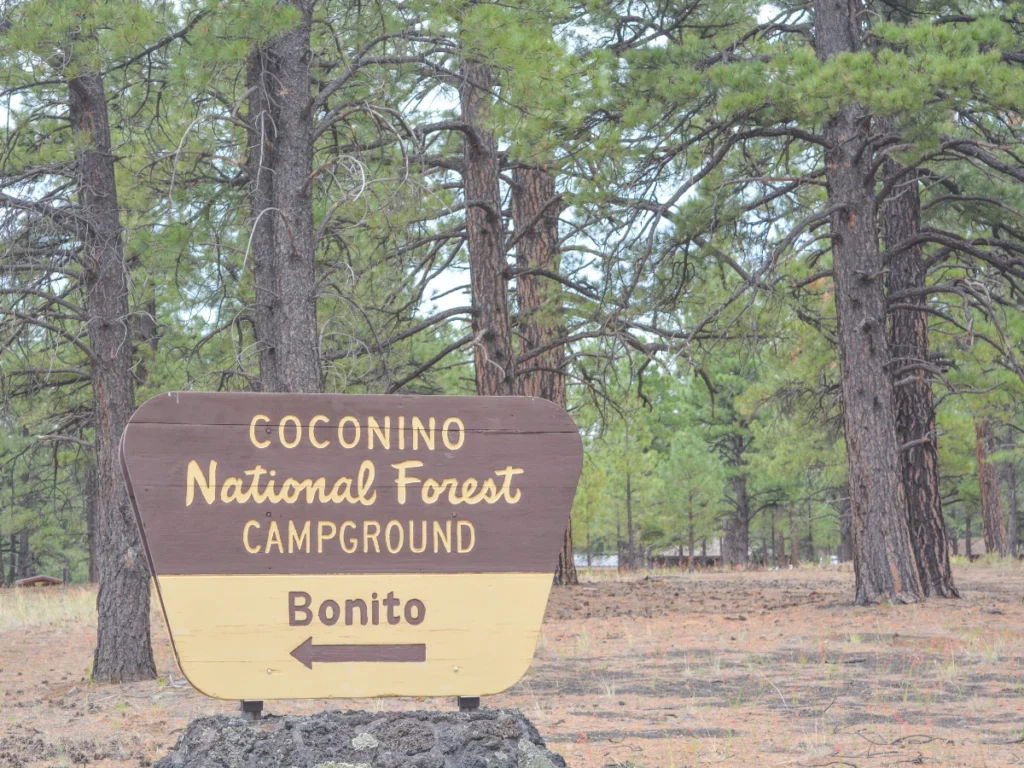
I-10 corridor (Tonto National Forest adjacent): An equestrian facility in Casa Grande with full hookup sites earns $8 to $35 per night depending on site type, with equestrian facilities available at an additional charge.
Monthly income potential: A single full-hookup site earning $65 per night with 20 nights of occupancy per month generates $1,300 per month. Two sites at the same rate and occupancy generate $2,600. Properties with three sites and consistent winter-season occupancy, when Arizona’s snowbird population is at its peak, can exceed $3,000 per month from October through April.
Start Small Before Investing in Infrastructure
One of the biggest mistakes new RV hosts make is assuming they need to build a small RV park before accepting their first guest. In reality, many successful hosts begin with a single parking space, basic electrical service, or even a well-positioned dry camping site to test local demand before investing in additional infrastructure.
Once a property consistently attracts bookings, it becomes much easier to justify upgrades such as 30-amp or 50-amp electrical service, additional water connections, or a dedicated RV dump station. Growing one site at a time reduces financial risk while allowing hosts to learn what travelers in their area actually value. In many cases, a simple, well-managed RV site with easy access to a nearby national forest performs better than a larger, more expensive setup that was built before demand was proven.
What Makes a Property Suitable for RV Hosting?
Not every property is a good fit, and being honest about what your land can support is the first step toward a listing that works for both you and your guests. Hookhub has published a detailed property suitability guide for landowners considering RV hosting that walks through the full evaluation.
The basics:
Access road clearance: Can a 40-foot Class A motorhome reach your property from the nearest paved road without hitting low branches, tight turns, or gates that won’t open wide enough? If the answer is no for large rigs, can a 25-foot travel trailer make it? Your listing should accurately reflect the maximum rig size your access road supports. Guests who arrive and cannot reach the site leave negative reviews.
Utility capacity: If you plan to offer electric hookups, your electrical panel must support the additional load of an RV running air conditioning, a residential refrigerator, and other appliances simultaneously. A standard 30-amp RV circuit draws approximately 3,600 watts at full load. A 50-amp circuit draws approximately 12,000 watts. A licensed electrician can evaluate your panel capacity and install an RV plug for a modest investment that pays for itself within a few weeks of hosting.
Water and sewer: A standard garden hose connection provides sufficient water flow for filling the RV tank. Sewer is the most significant infrastructure question. A property with an existing septic system may be able to add an RV dump connection, but local regulations vary by county. Properties without sewer can still list successfully as electric-and-water or electric-only sites.
Zoning and permits: Most rural Arizona counties allow RV parking on private land without a commercial permit, particularly for short-term stays and small numbers of sites. Maricopa County, Pinal County, and most rural counties have different thresholds. Check your local zoning before listing. Hookhub’s guide to earning passive income from RV hosting on your land covers the general framework.
Insurance: Talk to your homeowner’s insurance provider about adding a rider or endorsement for RV hosting. Hookhub provides host coverage information that explains how the platform’s insurance structure works alongside your existing policy.
Why the Demand Is Not Going Away
The structural gap between what national forest campgrounds offer and what RV travelers need is permanent. The USDA Forest Service is not going to install hookups at White Spar Campground, Spillway Campground, or any other Arizona national forest site. The agency’s mandate, budget, and infrastructure model do not support that kind of development.
Meanwhile, the RV market continues to grow. The industry shipped over 342,000 units in 2025, marking the third consecutive year of growth, and projections for 2026 anticipate another increase to approximately 349,000 units. Ownership has risen 62% since 2001. And 2026 happens to be Route 66’s 100th anniversary, which the RVIA specifically cited as a driver of additional travel demand through Arizona’s I-40 corridor.
The travelers who own those rigs need somewhere to park them, preferably with hookups, preferably near the destinations they drove hundreds of miles to reach. Arizona’s national forests are among the most popular summer destinations in the state, and every property within driving distance of a forest boundary sits in the path of that demand.
How to Get Started
Listing a property on Hookhub is straightforward. You set your own nightly rate, describe your property and available amenities, upload photos, specify the rig sizes you can accommodate, and set your calendar availability. Guests find your listing through the platform, book directly, and you communicate with them before arrival to confirm logistics.
The properties that succeed follow a few patterns worth noting:
Accurate descriptions prevent bad reviews. If your site is 10 feet wide by 25 feet long with no sewer, say so. Travelers who arrive in a rig that fits the site you described leave positive reviews. Travelers who arrive in a rig that doesn’t fit leave frustrated.
Photos sell the stay. Mountain views, sunset photos, farm animals, open sky, and the actual parking surface all matter. The listing photo is the first thing a traveler sees when scrolling through available options. Take photos during golden hour.
Responsiveness books the guest. Travelers searching for a place to park tonight choose the host who responds within an hour over the host who responds tomorrow morning. Hookhub’s instant book feature eliminates this step for hosts who enable it.
Proximity is your marketing. You do not need to advertise. The travelers are already searching for parking near the destination your property sits beside. A property near Show Low Lake does not need to explain why someone would visit Show Low Lake. It needs to show up when they search.
If you own land near any Arizona national forest and you have been wondering whether the flat spot behind the house could generate income, the answer is likely yes. The host signup page on Hookhub walks you through the full listing process. Even small properties with limited space can generate meaningful RV hosting income with the right positioning.
What New RV Hosts Get Wrong
Many new hosts focus on adding amenities before confirming there is demand for RV parking in their area. Experienced hosts usually take the opposite approach by creating an accurate listing, welcoming their first guests, and using those early bookings to guide future improvements.
Another common mistake is accepting every reservation without considering whether the property is actually suitable for the guest’s rig. Clearly stating maximum RV length, available hookups, driveway conditions, and turnaround space helps prevent misunderstandings and leads to better reviews.
Finally, some landowners underestimate the importance of communication. Fast responses, clear arrival instructions, and realistic descriptions often have a greater impact on guest satisfaction than expensive upgrades. Travelers value knowing exactly what to expect, and that trust is one of the biggest advantages independent hosts have over larger commercial campgrounds.
FAQ
Do I need a commercial permit to host RV travelers on my property in Arizona?
In most rural Arizona counties, short-term RV hosting on private land does not require a commercial campground permit, particularly for properties with a small number of sites. Zoning rules vary by county and sometimes by specific parcel, so checking with your county planning and zoning department before listing is a necessary first step. Maricopa County and Pinal County have different thresholds from Yavapai or Navajo Counties. Hookhub does not provide legal or zoning advice, but the platform’s host resources include general guidance on common regulatory frameworks.
How much does it cost to set up an RV hookup on my property?
A basic 30-amp RV electrical outlet installed by a licensed electrician typically costs $200 to $500, depending on the distance from your panel and the condition of your existing electrical system. A 50-amp circuit costs more. A water connection using a standard garden hose bib is usually already present on most properties. Sewer connections to an existing septic system vary widely in cost and may require county approval. Many successful HookHub hosts started with electric-only or electric-and-water sites and added sewer later after confirming that the income justified the investment.
What if my property has no hookups at all?
Properties without hookups can still be listed successfully on HookHub. Boondocking sites near popular destinations are listed on the platform for $12 to $29 per night. The key is proximity to a destination that generates demand. A no-hookup site 10 minutes from a national forest campground that is full charges the same nightly rate as the forest campground itself (typically $15 to $25 per night) while offering more space, more privacy, and availability when the campground has none.
Own land near an Arizona national forest?
The travelers are already looking for somewhere to park. You can list your property on Hookhub and start hosting this season.