Quick Answers
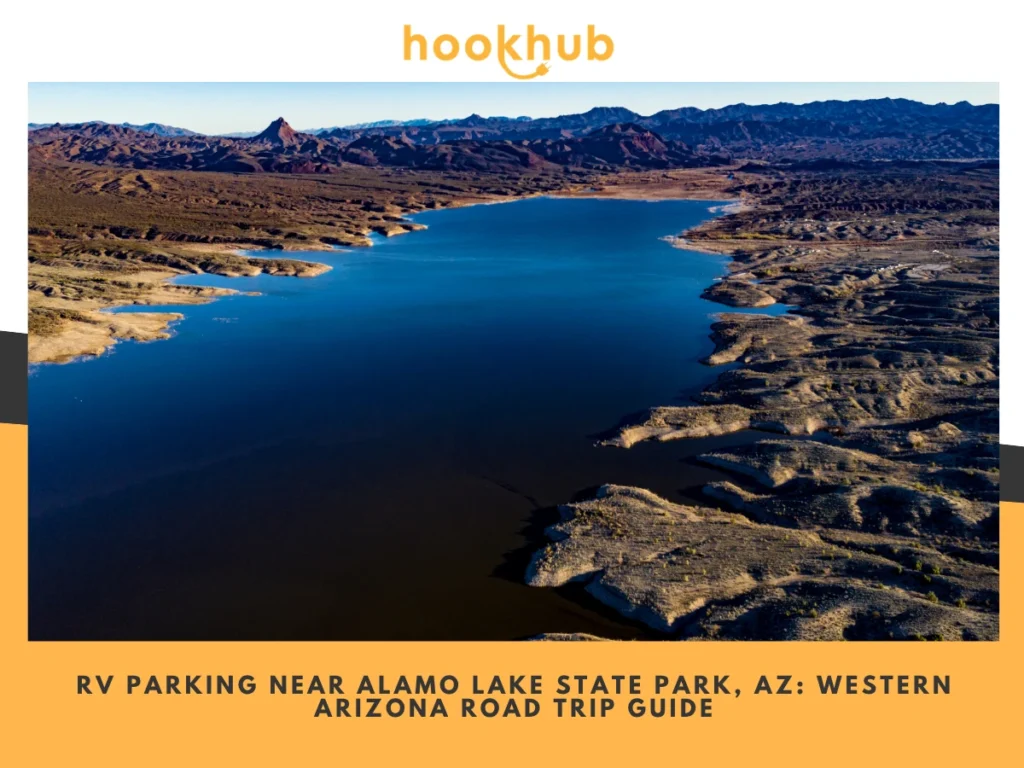
- Alamo Lake State Park sits in the Bill Williams River Valley with a 4,900-acre reservoir known across Arizona as a premier largemouth bass and crappie fishery, with bass that spawn earlier here than at any other lake in the state
- The Main Campground has 19 full hookup sites with 50-amp electric, water, and sewer at $25 per night, with no maximum RV length restriction
- Wild burros roam the hillsides and shoreline, bald and golden eagles hunt over the water, and the nearest city lights are 40 miles away, making the dark sky here among the best in the Arizona state park system
- The park is 30 miles from the nearest town (Wenden), with the final stretch on a dirt road, and cell service is unreliable throughout
- Two Hookhub listings in Salome provide hookup base camps approximately 40 miles east on Highway 60, starting at $29 per night
Alamo Lake is the Arizona state park that most Arizonans have never visited. It sits at the end of a 30-mile road from Wenden, the last portion on dirt, in a stretch of Bill Williams River Valley that has no neighbors, no commercial infrastructure, and no reason for anyone to be there unless they came looking for bass, burros, or silence. The nearest city lights are 40 miles away. The nearest grocery store is farther than that.
What the park does have is a 4,900-acre reservoir considered one of the finest bass and crappie fisheries in Arizona, a population of wild burros that visit the campground shoreline at dawn, and a night sky so dark that the Milky Way’s structure is visible to the naked eye from any campsite in the park. The remoteness that keeps visitor numbers low is the same quality that makes the experience remarkable for the travelers who make the drive.
What Is Alamo Lake State Park?
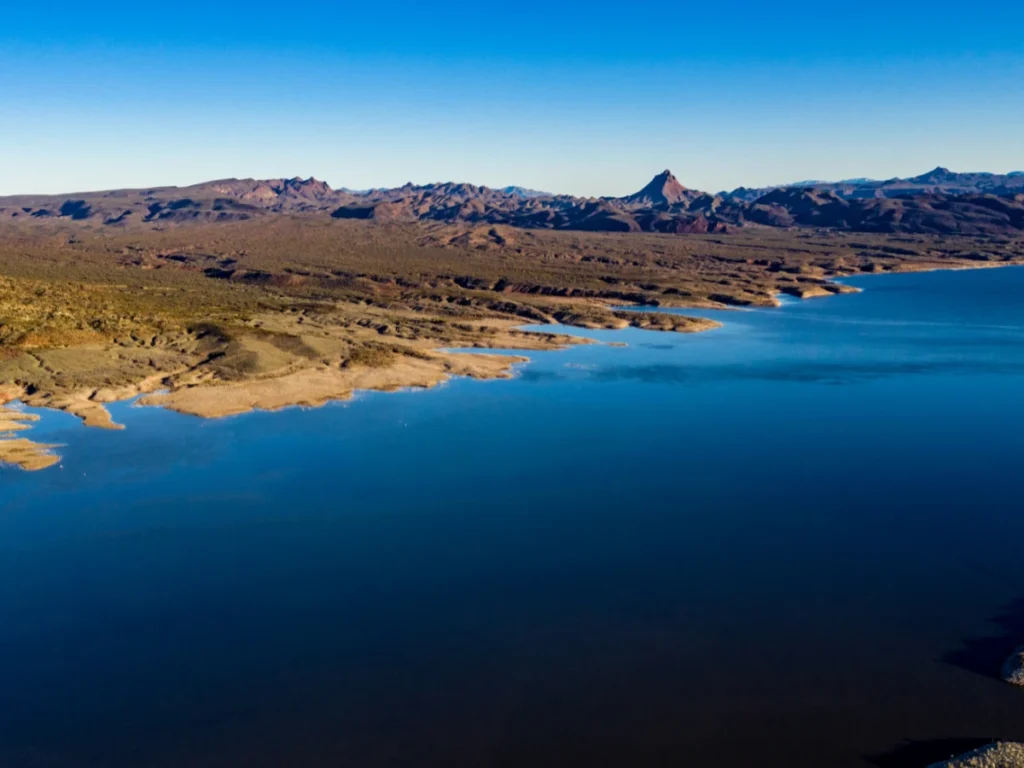
Alamo Lake State Park is managed by Arizona State Parks in the Bill Williams River Valley of western Arizona, approximately two hours from Phoenix and 80 miles from Wickenburg. The lake was created when the U.S. Army Corps of Engineers built Alamo Dam on the Bill Williams River, impounding a reservoir that covers approximately 4,900 acres at full pool. Water levels fluctuate significantly with seasonal rainfall and upstream conditions, so checking the current lake level before your visit is a practical first step.
The Bill Williams River is one of the last free-flowing tributaries of the Colorado River, and the valley surrounding the lake retains a genuinely wild character that most Arizona recreation areas lost decades ago. The desert landscape is sparse Sonoran terrain with cholla, saguaro, and palo verde covering the hillsides, while the lake’s irregular shoreline of coves and inlets creates habitat diversity that supports both the fishery and the bird populations that draw wildlife watchers alongside the anglers.
The park office near the entrance has an aquarium stocked with the lake’s native fish species and interpretive displays on the valley’s ecology and history. A small store near the entrance sells basic supplies, firewood, ice, and fishing tackle. Fishing licenses are available at the park, so arriving without one is not a problem.
What Can You Do at Alamo Lake State Park?
Bass fishing: The lake is recognized as one of Arizona’s premier largemouth bass fisheries, and the crappie fishing is equally productive. Bass at Alamo Lake spawn earlier than at other Arizona lakes due to the lower elevation and warmer water temperatures, making late winter and early spring the peak trophy season. Bluegill, redear sunfish, channel catfish, and tilapia round out a multi-species fishery that supports bank fishing, kayak fishing, and boat fishing from two paved boat ramps in the Main Campground and Cholla Campground areas. A third ramp opens when water levels are high enough to reach it. A fish-cleaning station near the boat ramps handles the practical side of a successful day.
Boating and swimming: Motorized boats are permitted on the lake with no horsepower restriction. The lake’s size and irregular shoreline provide ample space to water-ski, tube, and fish without the weekend crowding found at busier Arizona lakes. Swimming is permitted anywhere in the lake, though there are no designated beaches or lifeguards. The water temperature is comfortable from spring through fall.
Wildlife viewing: Wild burros are the park’s most visible and photogenic residents. They roam the hillsides around the campground and frequently visit the shoreline at dawn, walking through campsites without apparent concern for the humans watching them. Bald eagles and golden eagles hunt over the lake and surrounding desert, particularly during the winter months. Great blue herons stand along the shoreline. Pelicans pass through during migration. Coyotes are vocal at dawn and dusk, and foxes and mule deer are regular sightings in the evening hours. The Wild Burro Trail inside the park follows the terrain where the burro herds are most active.
Stargazing: With the nearest city lights approximately 40 miles away, Alamo Lake’s dark sky is among the best in the Arizona state park system. The open desert terrain around the campground provides unobstructed horizon-to-horizon views. Winter nights, when the air is clearest and the Milky Way’s core is visible, produce the most spectacular conditions.
Hiking: The park has several short trails that follow the shoreline and branch into the desert backcountry. The trail network is not as extensive as in other Arizona state parks, but the Wild Burro Trail and the shoreline paths reward hikers with open desert views, possible wildlife encounters, and the quiet that comes with a park this remote.
When Is the Best Time to Visit?
October through April is the practical camping season. Temperatures at the lake elevation are similar to those in Phoenix, meaning summer heat from June through September regularly pushes past 100 degrees, making extended outdoor activity uncomfortable outside the early morning and evening hours.
Late January through early April is the peak fishing window. Bass begin spawning earlier at Alamo Lake than at higher-elevation Arizona lakes, and the spring crappie run draws dedicated anglers from across the state. This is also the period when bald eagle activity over the lake is most consistent.
November through February is the best window for stargazing, wildlife viewing, and the overall desert camping experience. Cool mornings in the 40s and 50s, mild afternoons in the 60s and 70s, and the darkest, clearest night sky conditions of the year.
Summer stays are possible but require full-hookup power for air conditioning and a commitment to water-based activities during the heat of the day. The park stays open year-round.
Why Many RV Travelers Spend Several Days at Alamo Lake
Unlike many Arizona lakes that work well as day-trip destinations, Alamo Lake rewards travelers who slow down and stay awhile. Anglers often spend several mornings fishing different parts of the lake, wildlife is most active around sunrise and sunset, and the park’s exceptionally dark skies make evenings just as memorable as the daytime activities.
The park is especially popular with retirees, snowbirds, birdwatchers, photographers, and full-time RV travelers who enjoy quieter destinations away from busy recreation corridors. Many visitors combine several nights at Alamo Lake with a hookup stop in nearby Salome to refill water, dump tanks, and restock supplies before returning to the lake or continuing their travels through western Arizona.
Where to Park Your RV at Alamo Lake State Park
The park has multiple campground areas with varying amenity levels, all along the lakeshore or within a short walk of the water.
Main Campground, Full Hookup Sites
The Main Campground has 19 full-hookup sites with 50-amp electric, water, and sewer for $25 per night. Each site includes a picnic table and a fire ring. There is no maximum RV length restriction at these sites, making this one of the few Arizona state park campgrounds that explicitly accommodate rigs of any size. Showers are available, and a dump station serves all campground sections. Paved parking spurs at the sites near the ranger station are level and well-maintained.
Campground B, Lake View Sites
Campground B has expanded to 27 mixed-amenity sites at $15-$22 per night, depending on the amenities at each site. The “lake view” sites in this section have water and electric hookups and are positioned for direct views over the reservoir. Restrooms with dumpster access serve this section.
Campground C, Electric and Water
Campground C offers 40 water-and-electric sites at $22 per night, plus 15 additional full-hookup sites at $25 per night. These sites provide the largest selection for RV travelers who want electric and water without the full sewer connection.
Cholla Campground
The Cholla Campground has 41 electric-only sites with 30-amp service, picnic tables, and fire rings. A boat ramp sits adjacent to Cholla, making it the preferred campground for anglers who want to launch before dawn without driving across the park. These sites are the most basic of the electric options and are priced accordingly.
Campground A and Dry Camping
Campground A has 17-21 basic sites at $15 per night. Showers are in this section. Dry camping is available at $15 per night per vehicle throughout the park for travelers who are fully self-contained and prefer to pick their own spot near the water.
Wayside Oasis RV Park, Near Wenden
The Wayside Oasis RV Park near Wenden on Highway 60 provides a commercial hookup option for travelers who want services before or after the 30-mile drive into the park.
Hookhub Private Land, Salome
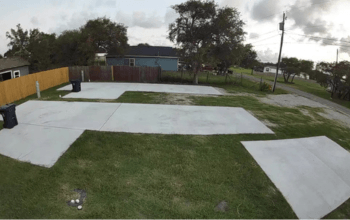
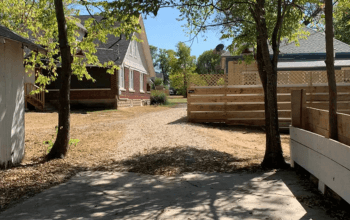
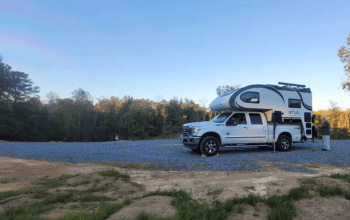
These two listings are on Hookhub, which produced this guide. Both are in Salome, approximately 40 miles east of the park on Highway 60. Salome serves as the nearest community with confirmed private land hookups for travelers who want a resupply and hookup stop between Alamo Lake camping stays.
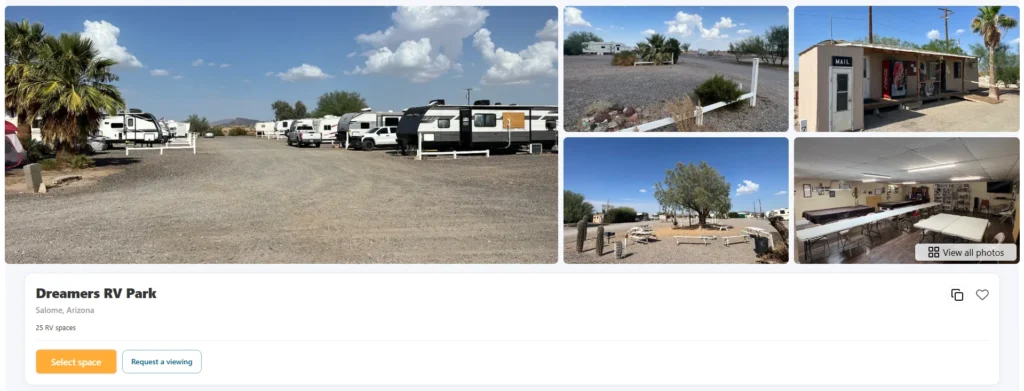
Dreamers RV Park in Salome provides a hookup base for water refill, tank dumping, and recharging between park visits. Check the listing directly for current site details and pricing.
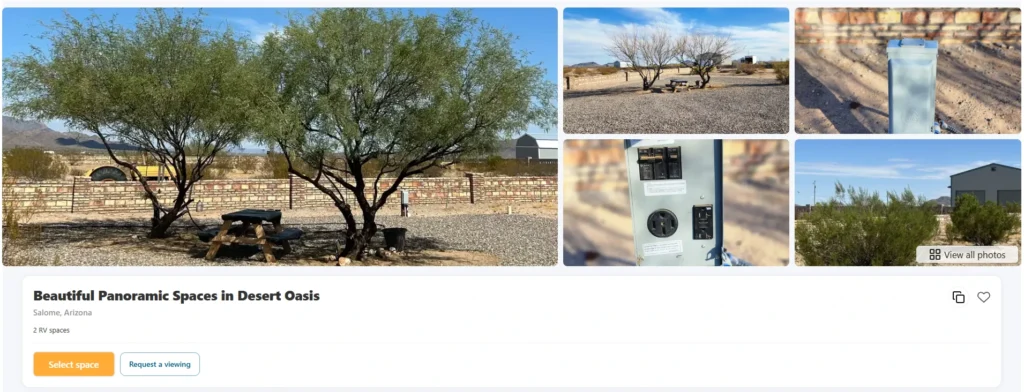
Beautiful Panoramic Desert Oasis in Salome offers wide-open desert views and a private land setting that captures the same remote Sonoran Desert character as the Alamo Lake corridor, with the added benefit of confirmed utilities and a host expecting your arrival.
Search current Salome private RV parking for both listings and availability.
What Most Visitors Get Wrong About Alamo Lake
Many first-time visitors underestimate just how remote Alamo Lake State Park is. Fuel, groceries, and reliable cell service are all a significant drive away, so experienced RV travelers arrive with full water tanks, enough food for their stay, and a plan that doesn’t depend on having a cellular connection.
Another common mistake is treating the park like a typical lakeside campground. The final stretch of road includes maintained dirt sections, lake levels can affect boat launch access, and weather conditions can change driving conditions quickly after heavy rain. Checking current park conditions before leaving Wenden or Salome can prevent unnecessary surprises.
Finally, visitors often rush through the park after one night. Alamo Lake is one of those destinations where the experience changes throughout the day, from quiet mornings on the water and active wildlife at dawn to spectacular sunsets and some of Arizona’s darkest night skies. Spending several days allows travelers to experience everything that makes the park unique.
Practical Trip Planning
Getting there: From Wenden (Highway 60): Turn north on Alamo Lake Road and drive approximately 30 miles to the park entrance. The first portion is paved, with the final stretch on a maintained dirt road. The road is passable for most RVs and tow vehicles in dry conditions, but can become slippery or impassable after heavy rain. Check conditions with the park before driving in wet weather.
Fuel and groceries: Wenden has limited services on Highway 60. Wickenburg, approximately 80 miles east, has full commercial services. The park’s small store sells firewood, ice, and basic supplies, but plan all major resupply in Wickenburg or Salome before making the drive. Bring more food and water than you think you need for your planned stay.
Dump station: On-site at the Main Campground, available to all registered campers.
Cell coverage: Unreliable throughout the park. Multiple reviewers confirm that Verizon coverage is poor or nonexistent. Download all maps, share your itinerary with someone outside the park, and plan communications before entering the Bill Williams River Valley.
Lake levels: Water levels at Alamo Lake fluctuate significantly based on seasonal rainfall and upstream conditions. Check the current lake level with Arizona State Parks before your visit, particularly if your trip depends on boat launch access. Low water levels may close one or more boat ramps.
FAQ
How remote is Alamo Lake State Park?
Genuinely remote by Arizona state park standards. The park is 30 miles from the nearest town (Wenden), which itself has limited services. The nearest full commercial corridor is Wickenburg, approximately 80 miles east. Cell service is unreliable. The final stretch of road into the park is dirt. The nearest city lights are 40 miles away. Plan your visit as you would a backcountry trip: arrive with all water, fuel, food, and supplies you will need for your entire stay, and do not depend on cell service for communication or navigation once you enter the Bill Williams River Valley.
Is Alamo Lake worth the drive for fishing?
For bass and crappie anglers, Alamo Lake is one of the top destinations in Arizona. The lake is known for producing trophy largemouth bass, and the crappie fishing is equally productive. Bass begin spawning earlier here than at higher-elevation Arizona lakes, making late January through early April the premier trophy season. The lake’s low visitor numbers, compared with those at more accessible Arizona reservoirs, mean less fishing pressure and more productive water. If fishing is the primary purpose of your trip, the 30-mile dirt road drive is not a deterrent. It is the reason the fishing is as good as it is.
Can I see wild burros at Alamo Lake?
Yes. Wild burros are among the most frequently spotted wildlife in the park and regularly visit the campground shoreline and surrounding hillsides, particularly at dawn and dusk. They are habituated to the presence of campers and will walk through sites without apparent concern. They are not domesticated and should be observed from a respectful distance. The Wild Burro Trail inside the park follows terrain where the herds are most active. Note from past campers: the burros can be noisy at night, so light sleepers should be aware.
Ready to plan your Alamo Lake trip?
For hookup stops between fishing trips to the lake, you can browse available private RV parking near Salome and check what fits your resupply schedule.