


Picture this: it’s a Tuesday afternoon, you’re parked at the edge of a mesa somewhere in southern Utah, laptop open, a video call wrapping up, and the view outside your window looks like something people pay hundreds of dollars per night to experience at a resort.
Then the slide motor groans.
The roof seal needs attention.
You realize you forgot to budget for propane this month.
For many digital nomads, RV living offers a rare combination of freedom and adventure that traditional remote work setups simply cannot match. But while the RV lifestyle can be incredibly rewarding, the financial reality is often more layered than social media makes it appear.
The good news is that RV living cost is highly flexible. Your monthly expenses depend heavily on the type of RV you choose, your travel style, where you stay, and how often you move.
Whether you’re planning to live in an RV full time or simply exploring the possibility, understanding the real numbers makes the lifestyle far more sustainable.
This guide breaks down the actual costs behind full-time RV living, including campground fees, internet, utilities, workspace expenses, fuel, insurance, and repairs, so you can build a realistic budget before committing to life on the road.

Key Takeaways
Understanding the Real Cost of RV Living
Before building an RV budget, it helps to understand where the money actually goes each month.
Most full-time RVers spend money across the same core categories: campground fees, RV payments or rental costs, fuel, internet, utilities, insurance, food, repairs, and personal expenses. The challenge is that every category changes depending on how you travel.
Someone staying primarily on public land while boondocking may spend only a few hundred dollars per month on campsites. Another traveler moving constantly between paid campgrounds and RV parks could spend several thousand dollars monthly on site fees alone.
That flexibility is part of what makes the RV lifestyle appealing. It also makes budgeting more complicated than many new RVers expect.
Your travel style is usually the biggest factor influencing overall costs. The faster you move, the more you typically spend on fuel, campground fees, and maintenance. Slower travel often creates a far more manageable monthly budget.
Campground Costs and Site Fees
For many full-time RVers, campground fees become the single largest monthly expense.
Most RV parks charge somewhere between $40 and $100 per night for full-hookup sites. Staying exclusively in paid campgrounds and RV parks can easily push campground costs above $1,500 per month before accounting for fuel, utilities, or food.
That is why many experienced RVers eventually look for alternatives.
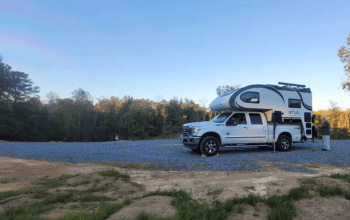
Boondocking on public land dramatically changes the math of RV living. Areas managed by the Bureau of Land Management, national forests, and dispersed camping areas near sites managed by the National Park Service often allow free or very low-cost camping. For digital nomads willing to manage water, power, and internet independently, this can reduce expenses substantially.
The tradeoff is infrastructure. Off-grid camping requires stronger solar systems, battery capacity, water planning, and more reliable internet equipment.
For RVers who want a middle ground, weekly or monthly campground arrangements usually offer much better pricing.
What many first-time RVers misunderstand is that the cheapest nightly rate is not always the lowest monthly cost. Constantly chasing inexpensive campsites often increases fuel spending, accelerates maintenance needs, and makes work schedules harder to manage.
In practice, many experienced RVers spend less by staying longer.
Many digital nomads start RV life expecting to move every few days. After a few months, many discover that staying in one location for 30–90 nights often creates a better balance between productivity, cost control, and quality of life.
A campground charging $60 per night may reduce rates significantly for longer stays. Many monthly sites range between $400 and $900 depending on location and amenities.
If you’re comparing different campground options, Hookhub’s campground cost guide explains how pricing changes across RV parks, private campgrounds, and monthly RV stays throughout different regions of the U.S.
Slow travel creates financial advantages beyond lower campground fees. Staying longer in one location reduces fuel usage, minimizes wear on the RV, and often makes remote work less stressful.
Many digital nomads also find that private land sites provide a better balance between affordability and stability than traditional RV resorts. Platforms like Hookhub connect RVers with private landowners offering RV-friendly spaces that often cost less than commercial parks while providing more privacy and flexibility.
How Much Do Full-Time RVers Spend Per Month on Campsites?
Most full-time RVers spend somewhere between $300 and $1,500 per month on campground fees.
Heavy boondockers using public land regularly may spend under $200 monthly. RVers relying mostly on commercial RV parks often spend closer to $800–$1,200 per month, especially in popular travel destinations across the U.S.
Reliable Internet and Staying Connected

Reliable internet is one of the most important parts of modern RV life for digital nomads.
For remote workers living and working full time from an RV, staying connected is not optional. Internet access determines whether you can attend meetings, upload projects, communicate with clients, or maintain a stable income while traveling.
Many newcomers assume campground Wi-Fi will handle most of these needs. In reality, campground internet is often unreliable, especially when dozens of RVs share the same connection.
That is why many full-time RVers build multiple layers of connectivity into their setup.
Starlink internet has become one of the most popular options for RVers spending time off-grid or in remote locations. The service performs especially well in rural areas where traditional cellular coverage is weak.
Monthly service costs are higher than many hotspot plans, but the reliability has made it a standard tool for many digital nomads.
Cellular hotspot plans remain equally important. Many RVers combine hotspot devices with carrier data plans to create backup internet options when satellite coverage or campground conditions become inconsistent. Depending on usage and provider, monthly internet costs often range between $150 and $300 total.
For RVers comparing different connectivity options, Hookhub’s best budget RV internet plans guide breaks down hotspot carriers, Starlink internet setups, and connectivity strategies for remote workers on the road.
Travel style affects internet strategy more than many people realize. Someone primarily staying near cities may rely heavily on cellular service, while RVers boondocking in deserts, forests, or mountain areas often depend on Starlink internet far more frequently.
Power, Utilities, and Propane
Power costs vary significantly depending on whether you spend most of your time connected to hookups or camping off-grid.
At traditional campgrounds, electricity is sometimes included in site fees. Other locations meter utility usage separately, particularly for long-term stays. RVers using air conditioning heavily during summer months can see noticeable increases in monthly utility costs.
Propane is another regular expense that many first-time RVers underestimate. Heating, cooking, and hot water systems often rely on propane, especially when camping without hookups. During colder seasons, propane usage rises quickly.
For RVers focused on off-grid travel, solar becomes one of the most important investments. A properly designed solar setup with lithium batteries can support laptops, monitors, routers, lights, and small appliances for extended periods without needing hookups.
The upfront cost can feel high initially, but many full-time RVers view solar as a long-term investment that helps reduce campground dependency and improve flexibility while traveling.
For RVers exploring off-grid power solutions, the gadget hacks guide for full-time RV living covers practical solar setups, battery systems, and power-management tools commonly used by digital nomads.
Your power setup ultimately reflects your travel habits. RVers staying primarily in RV resorts may rely heavily on hookups, while boondockers often build systems specifically designed for off-grid living.
Workspace Costs Most People Forget
One of the biggest surprises for digital nomads is that working comfortably from an RV often requires additional investment.
Internet alone is not enough. A functional workspace matters too.
Many RVers eventually spend money improving ergonomics inside the rig. Laptop stands, compact keyboards, monitor mounts, office chairs, and lighting upgrades can make a major difference during long workdays.
While these are usually one-time purchases, they are still part of the true cost of RV living.
Coworking spaces also become part of some RV budgets. Remote workers sometimes use coworking memberships for important meetings, focused work sessions, or simply a break from working inside a small space every day.
Signal boosters are another expense worth mentioning. For RVers relying heavily on cellular data, boosters can improve weak signals enough to make remote work possible in areas that would otherwise be unusable.
Workspace expenses are rarely discussed in glamorous RV lifestyle content, but they matter significantly for anyone planning to combine RV travel with professional remote work.
RV Payments, Fuel, and Insurance
RV payments, fuel, and insurance form the structural foundation of most RV budgets.
RV payments vary dramatically depending on the type of RV, financing terms, and whether the rig was purchased new or used. Some travelers intentionally buy older RVs outright to eliminate monthly payments completely.
Others prioritize newer models with better reliability or workspace layouts and accept the higher monthly cost.
Fuel is one of the most unpredictable RV living expenses because it changes directly with travel habits. RVers moving every few days often spend several hundred dollars more each month than those staying in one place for multiple weeks.
This is one reason slow travel becomes financially attractive over time. Fewer travel days mean lower fuel costs, less wear on the RV, and often lower stress overall.
Hookhub’s RV fuel cost breakdown shows how different RV types, travel habits, and driving frequency affect monthly fuel expenses.
Insurance is another area where many new RVers underbudget. Full-time RV insurance functions differently than standard vehicle insurance because the RV also serves as your primary residence.
Coverage costs vary based on RV type, value, and travel patterns, but proper coverage is essential.
How the Type of RV You Choose Changes Everything
The type of RV you choose shapes nearly every aspect of your RV budget.
A large Class A motorhome may provide the most spacious and comfortable RV lifestyle, particularly for digital nomads living and working full time on the road. But the overall costs are significantly higher.
Fuel economy drops, maintenance costs rise, insurance becomes more expensive, and some campgrounds become inaccessible due to size restrictions.
Smaller RVs, travel trailers, and camper vans are often easier for first-time RVers to manage financially. They usually cost less to fuel, fit into more campgrounds, and create fewer repair expenses over time.
The type of RV you choose also affects off-grid capability. Smaller rigs are often easier to boondock with, while larger RVs may require bigger solar systems and more substantial battery banks to remain comfortable off-grid.
Travel habits matter here too. Someone planning to spend months visiting national parks and public land may prioritize mobility and simplicity. Another traveler planning slower stays at RV resorts may value interior space and residential comfort more heavily.
For many RVers, selecting the right first RV becomes one of the most important financial decisions influencing long-term sustainability.
Repairs and Maintenance
Unexpected repairs are not occasional surprises in RV life. They are part of the lifestyle itself.
RVs experience constant vibration, weather exposure, temperature changes, and road stress. Over time, things wear down.
Roof seals crack. Water pumps fail. Tires wear faster than expected. Slide mechanisms eventually need servicing.
None of this is unusual.
The problem is that many people enter RV life without building a repair reserve into their monthly budget.
Most experienced full-time RVers recommend setting aside at least $150–$300 per month specifically for repairs and maintenance. Some months you may spend nothing. Other months can bring sudden expenses that quickly exceed expectations.
For RVers building a maintenance reserve, the RV repair budget guide explains common maintenance costs, emergency repair planning, and realistic reserve recommendations for full-time RVers.
Planning for repairs early helps prevent financial stress later.
A Realistic Monthly RV Budget
The actual cost of RV living varies heavily depending on travel style and priorities.
Minimalist Boondocker
One person, paid-off RV, heavy use of public land and off-grid camping.
- Site fees: $150–$300
- Internet: $150
- Fuel: $200–$350
- Utilities and propane: $80
- Food budget: $400
- Insurance: $120
- Repairs reserve: $150
- Personal expenses: $200
Estimated monthly total: $1,450–$1,750
Moderate Full-Time RV Living Setup
Couple with a financed RV using a mix of free camping and paid campgrounds.
- Site fees: $600–$900
- RV payments: $550
- Internet: $200
- Utilities: $80
- Fuel: $350–$500
- Food budget: $700
- Insurance: $250
- Repairs reserve: $200
- Workspace costs: $150
Estimated monthly total: $3,080–$3,530
Comfort-Focused RV Lifestyle
Frequent travel with regular stays at RV resorts and commercial campgrounds.
- Site fees: $1,500–$2,500
- Internet: $280
- Utilities: $120
- Fuel: $800–$1,100
- Food budget: $600
- Insurance: $220
- Repairs reserve: $250
- Workspace costs: $300
Estimated monthly total: $4,070–$5,370
The most important takeaway is not the exact dollar amount. It is understanding which variables you control. Travel frequency, campground choices, and RV payments typically create far larger budget swings than groceries or propane.
You can also use Hookhub’s RV living cost calculator to estimate monthly expenses based on your RV type, travel pace, and campground preferences.

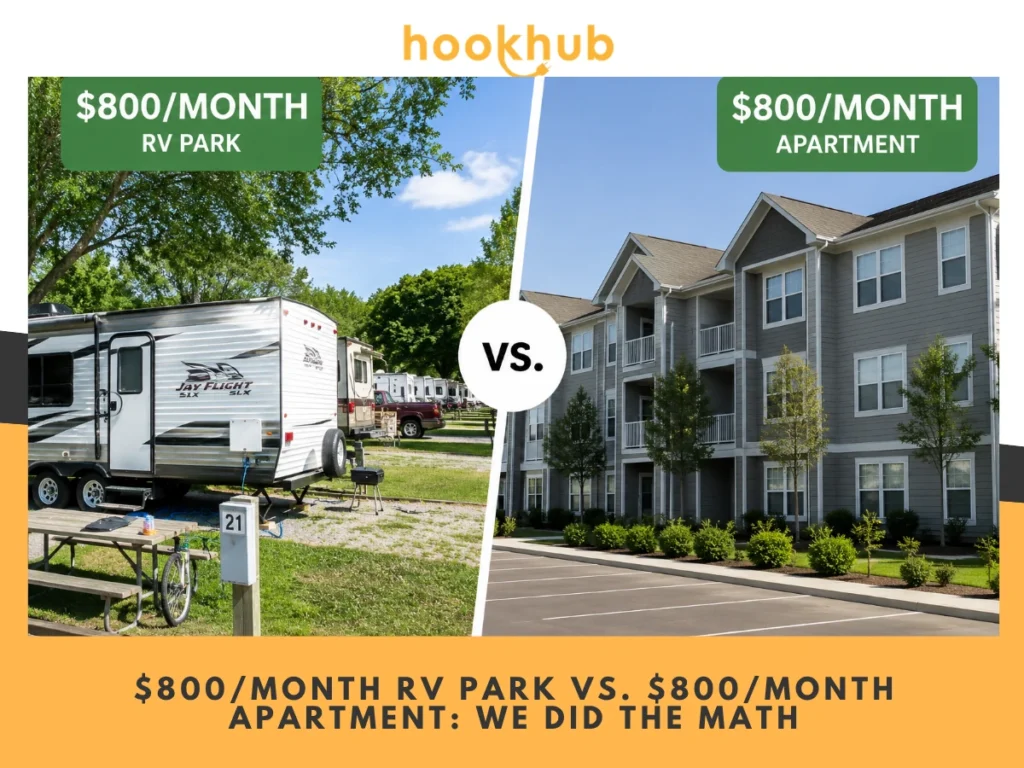
Is RV Living Cheaper Than Renting?
Often, yes, but not automatically.
The biggest cost advantages appear when RVers own their rigs outright, travel slowly, and regularly use free or low-cost camping options.
In expensive housing markets, RV living can cost substantially less than renting an apartment. In lower-cost regions, the difference may be much smaller than people expect.
The honest answer depends on your current living expenses, your RV type, and the way you travel.
What Helps RVers Sustain This Lifestyle
The RV lifestyle rewards realistic planning far more than impulsive decisions.
One of the most important habits successful RVers develop is slowing down. Constant movement increases fuel expenses, maintenance costs, and campground spending. Staying longer in one location often creates a more sustainable rhythm financially and emotionally.
Tracking costs carefully during the first year is equally important. Many RVers discover that their assumptions about spending differ significantly from reality once they begin traveling full time.
A simple spreadsheet or budgeting app helps create a more realistic budget and reveals opportunities to reduce expenses over time.
Community knowledge also matters more than many beginners expect. Experienced RVers openly share campground recommendations, mechanic referrals, internet strategies, and practical tips and tricks that help newer travelers avoid costly mistakes.
Many long-term RVers eventually discover that private land arrangements fit their lifestyle better than traditional RV parks. Platforms like Hookhub help travelers find quieter, more flexible spaces that often support long-term stays at lower monthly cost than commercial alternatives.
Where Hookhub Fits Into RV Budget Planning
Many digital nomads eventually realize that traditional RV parks are not always the best long-term solution for living and working on the road.
Commercial campgrounds can become expensive quickly, especially for RVers who prioritize stable monthly stays over resort-style amenities.
That is where private land options become increasingly valuable.
Platforms like Hookhub help RVers connect with private landowners offering RV-friendly spaces designed for longer stays. These locations can provide more flexibility, quieter environments, lower campground costs, and sometimes better overall conditions for remote work.
For RVers focused on building a sustainable RV budget, private land sites often become one of the most practical ways to balance affordability, stability, and quality of life.
Conclusion
RV living is neither as cheap as its biggest advocates claim nor as expensive as its harshest critics suggest.
The reality exists somewhere in between.
According to the KOA North American Camping Report, remote work and long-term RV travel continue to influence modern camping trends across the U.S.
Your RV living cost depends on your RV type, travel habits, campground preferences, internet setup, and willingness to plan honestly for repairs and unexpected expenses.
For digital nomads, successful full-time RV living comes down to building a realistic budget that supports both work and travel long-term. Reliable internet, manageable campground costs, proper power systems, and financial flexibility all play important roles in sustaining the lifestyle.
RVers looking for quieter, long-term alternatives to commercial RV parks often explore monthly RV stays on private land to reduce costs and create a more stable work environment.
The freedom and adventure are real.
So are the monthly expenses.
Understanding both is what helps determine whether RV living is right for you.
Frequently Asked Questions
How much does RV living cost per month?
The average RV living cost ranges from about $1,500 to over $4,500 per month. Your actual monthly expenses depend on factors such as campground fees, fuel costs, RV payments, insurance, internet service, and how often you travel. RVers who spend significant time boondocking on public land typically spend less than those staying primarily in RV parks and resorts.
Is full-time RV living cheaper than owning or renting a home?
Full-time RV living can be less expensive than traditional housing, especially in high-cost areas. However, the savings depend on your travel style, the type of RV you choose, and whether you have monthly RV payments. RVers who own their rig outright and use free or low-cost camping options often see the greatest financial advantage.
What is a realistic RV budget for digital nomads?
A realistic RV budget for digital nomads usually falls between $2,000 and $4,000 per month. In addition to standard living expenses, remote workers need to account for reliable internet, workspace equipment, cellular data plans, and backup connectivity solutions such as Starlink internet.
How important is reliable internet for RV life?
Reliable internet is essential for anyone living and working from an RV. While campground Wi-Fi may work occasionally, most digital nomads rely on cellular hotspot plans, Starlink internet, or a combination of both. Having multiple connectivity options helps ensure you can stay connected regardless of location.
Does boondocking significantly reduce RV living expenses?
Yes. Boondocking is one of the most effective ways to reduce expenses. Staying on public land can eliminate campground fees entirely for extended periods. However, successful off-grid camping usually requires investments in solar power, battery storage, water management, and dependable internet access.
What type of RV is best for full-time RV living?
The best RV type depends on your budget, work requirements, and travel habits. Larger motorhomes offer more living space and comfort, while smaller RVs, travel trailers, and camper vans are often less expensive to purchase, fuel, insure, and maintain. The type of RV you choose will have a major impact on your overall costs.
How much should I budget for RV repairs and maintenance?
Most experienced full-time RVers recommend setting aside at least $150–$300 per month for repairs and maintenance. Unexpected repairs are a normal part of RV life, and having a dedicated reserve fund helps prevent financial stress when issues arise.