
Making the switch to full-time RV living is an exciting journey that offers freedom, adventure, and a simpler way of life. But transitioning from a traditional home to life on the road can be daunting without proper planning. Whether you’re drawn by the call of the open road or looking to downsize and simplify, here’s a step-by-step guide to help you make the transition to full-time RV living smoothly.
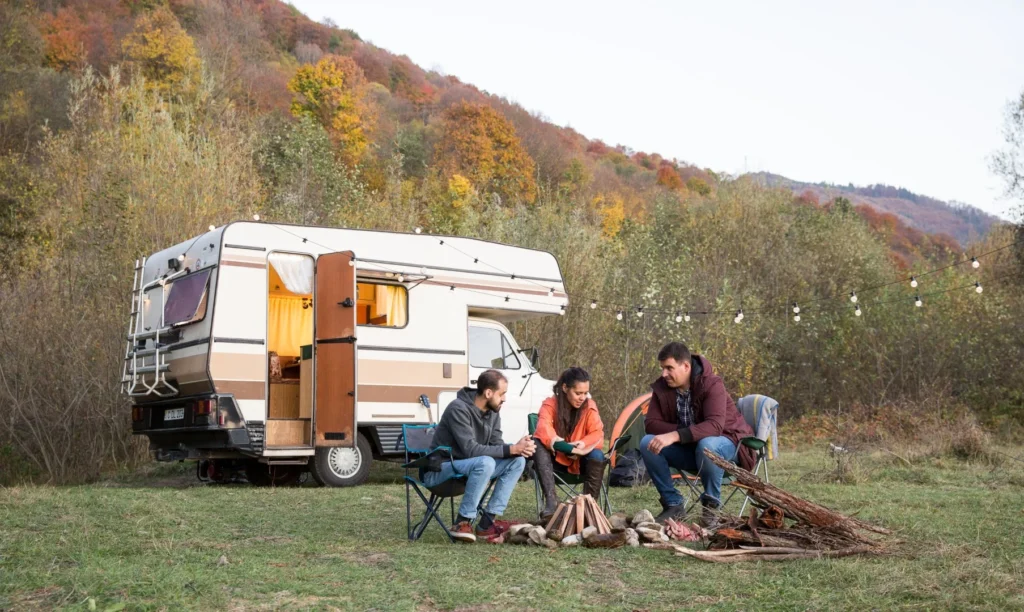
1. Evaluate Your Lifestyle and Goals
Before you make the switch, take some time to evaluate your lifestyle and long-term goals. Ask yourself why you want to live in an RV full-time. Are you seeking adventure, wanting to explore new places, or looking to live more simply? Understanding your motivations will help guide your decisions and ensure that full-time RV living aligns with your aspirations.
Pro Tip! Make a list of what you hope to gain from this lifestyle and what challenges you might face. This will help you prepare mentally and practically for the changes ahead.
2. Choose the Right RV
Selecting the right RV is crucial to your comfort and success on the road. Consider factors like size, layout, storage capacity, and amenities. Think about how much space you’ll need, whether you want a motorhome, travel trailer, or fifth wheel, and what features are most important to you (e.g., kitchen size, bathroom facilities, workspace).
Pro Tip! If you’re unsure, rent different types of RVs before making a purchase. This will give you a feel for what works best for your lifestyle.
3. Downsize Your Belongings
One of the biggest adjustments when switching to full-time RV living is downsizing. RVs have limited space, so you’ll need to prioritize what to bring along. Start by decluttering your current home and deciding what’s essential. Sell, donate, or store items that you won’t need on the road.
Pro Tip! Focus on multi-purpose items and consider digital alternatives for books, movies, and documents. Remember, less is more in an RV!
Make a list of what you hope to gain from this lifestyle and what challenges you might face. This will help you prepare mentally and practically for the changes ahead.
4. Plan Your Finances?
Living on the road can be more affordable than a traditional home, but it’s important to plan your finances carefully. Consider ongoing costs like fuel, campground fees, insurance, maintenance, and food. It’s also crucial to have an emergency fund for unexpected repairs or expenses.
Pro Tip! Create a budget that accounts for your income and expenses. If you plan to work remotely, ensure you have a reliable source of income that supports your lifestyle.
5. Set Up Your Mail and Residency
Managing mail and establishing a legal residence can be tricky when living in an RV. Many full-time RVers use mail forwarding services that provide a permanent address and forward your mail to you wherever you are. Additionally, you’ll need to choose a state of residency, which will affect your taxes, vehicle registration, and voting.
Pro Tip! Look into RV-friendly states like Texas, Florida, or South Dakota, which offer benefits for full-time RVers, such as no state income tax and easy mail forwarding services.
6. Prepare for the Road
Before hitting the road, make sure your RV is road-ready. This includes checking the vehicle’s condition, understanding how all the systems work, and having the necessary tools and equipment on board. It’s also wise to plan your first few stops and familiarize yourself with resources like RV parks, campgrounds, and boondocking sites.
Pro Tip! Join RV communities and forums to connect with experienced RVers who can offer tips and advice. Resources like HookHub can help you find unique parking spots and connect with landowners offering RV space.
7. Embrace the Lifestyle
Once you’re on the road, give yourself time to adjust to your new lifestyle. Living in an RV full-time is a big change, and it might take a few months to find your rhythm. Embrace the freedom, explore new places, and enjoy the simplicity of life on the road.
Pro Tip! Keep an open mind and stay flexible. The beauty of RV living is that you can change your plans and destinations as you go. Make the most of the journey and enjoy the adventure!
Start by decluttering your current home and deciding what’s essential. Sell, donate, or store items that you won’t need on the road.
Final Thoughts
Switching to full-time RV living is an exciting and rewarding adventure. By carefully planning and preparing for the transition, you can make the switch smoothly and start enjoying the freedom and flexibility that comes with life on the road. Whether you’re downsizing, choosing the right RV, or planning your finances, each step brings you closer to your dream of full-time RV living. Happy travels!